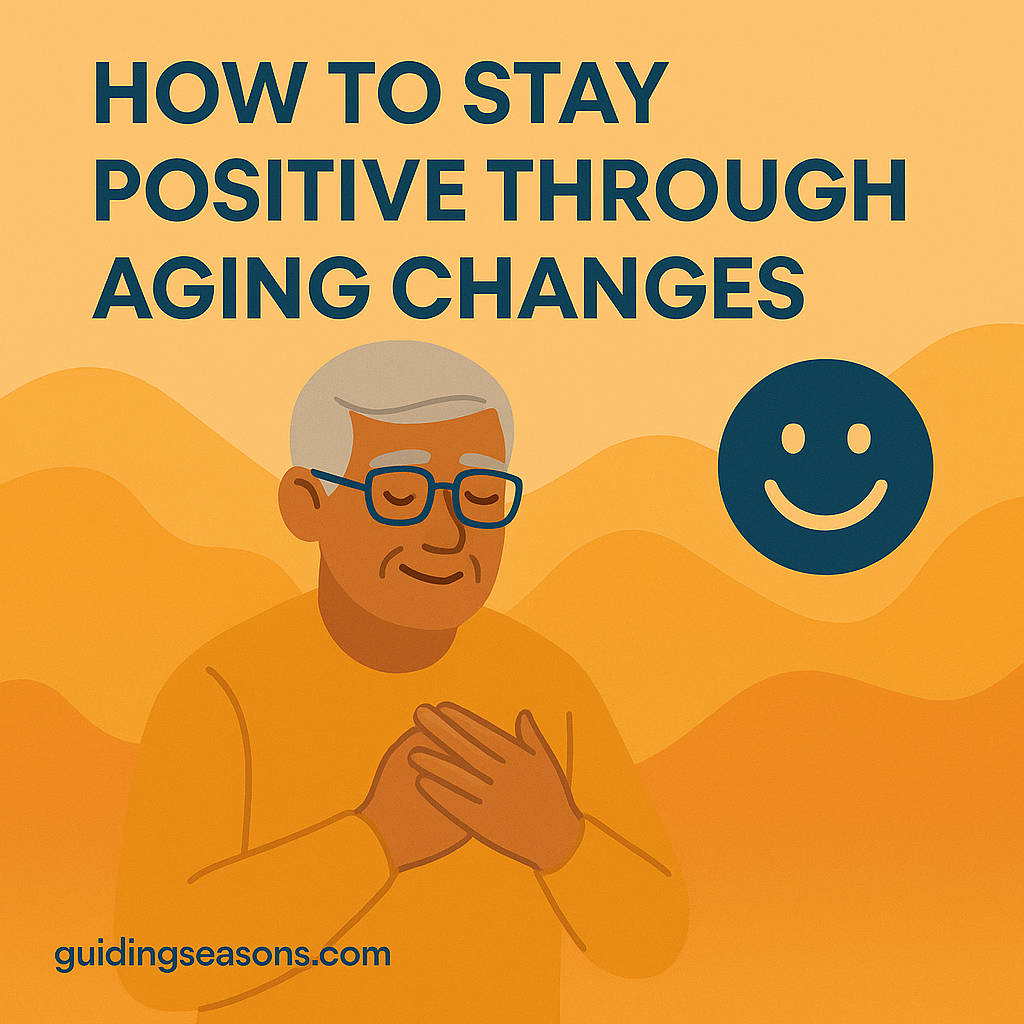
Aging brings change — some expected, some surprising, and some difficult to accept. Physical shifts, lifestyle adjustments, and evolving roles can all influence how you feel about yourself and your future.
Staying positive through aging changes doesn’t mean ignoring challenges or pretending everything feels easy. True positivity at this stage of life comes from acceptance, flexibility, and learning how to relate to change with honesty and compassion.
Why Aging Changes Can Feel Emotionally Heavy
As life progresses, changes often arrive gradually, yet their emotional impact can feel sudden. Loss of physical ability, changes in independence, or shifts in social roles can quietly affect confidence and outlook.
These changes may bring:
- Frustration with limitations
- Grief for previous abilities
- Fear about the future
- A sense of losing control
Acknowledging these feelings is not negative — it’s necessary for resilience.
Common Misunderstandings About Staying Positive
Many people struggle because positivity is misunderstood.
Believing positivity means ignoring reality
Suppressing emotions often intensifies them. Honest awareness builds strength.
Comparing your progress to others
Every aging journey is different. Comparison adds pressure rather than clarity.
Expecting acceptance to happen quickly
Adjustment takes time. There’s no timeline for emotional adaptation.
Feeling guilty for having difficult days
Hard days don’t erase progress — they are part of it.
Healthy Ways to Maintain a Positive Outlook
Positivity grows through practices that support emotional balance, not denial.
Focus on what remains within your control
Small choices — daily routines, mindset shifts, meaningful activities — still matter deeply.
Redefine strength
Strength evolves with age. Adaptability, patience, and self-awareness become powerful assets.
Practice gratitude without pressure
Noticing what still brings comfort or joy can coexist with acknowledging difficulty.
Stay connected to others
Shared experiences reduce isolation and normalize emotional challenges.
Allow your identity to evolve
Letting go of outdated self-images creates space for new forms of confidence and fulfillment.
Acceptance as a Foundation for Positivity
Acceptance doesn’t mean giving up. It means acknowledging reality while choosing how to respond.
This mindset:
- Reduces internal resistance
- Encourages problem-solving
- Creates emotional flexibility
Acceptance allows positivity to grow naturally rather than being forced.
When Aging Changes Begin to Affect Emotional Well-Being
Occasional emotional lows are normal. But persistent distress may indicate the need for additional support.
Signs to pay attention to include:
- Ongoing sadness or irritability
- Withdrawal from social interaction
- Loss of interest in daily activities
- Feeling overwhelmed by change
These signs are invitations for reflection, connection, or professional support — not indicators of weakness.
Related Guidance You May Find Helpful
You may also find these articles supportive:
- How to Build Meaning and Purpose in Retirement
- How to Strengthen Your Inner Confidence
- How to Improve Your Daily Outlook
Together, they address emotional resilience during life transitions.
A Final Thought
Staying positive through aging changes isn’t about resisting reality — it’s about meeting it with honesty, compassion, and flexibility.
This season of life offers the opportunity to cultivate a deeper form of positivity — one rooted in acceptance, wisdom, and self-respect. Over time, that grounded outlook becomes a steady source of strength.