Home and Safety: How to Create a Safe, Comfortable, and Functional Living Environment

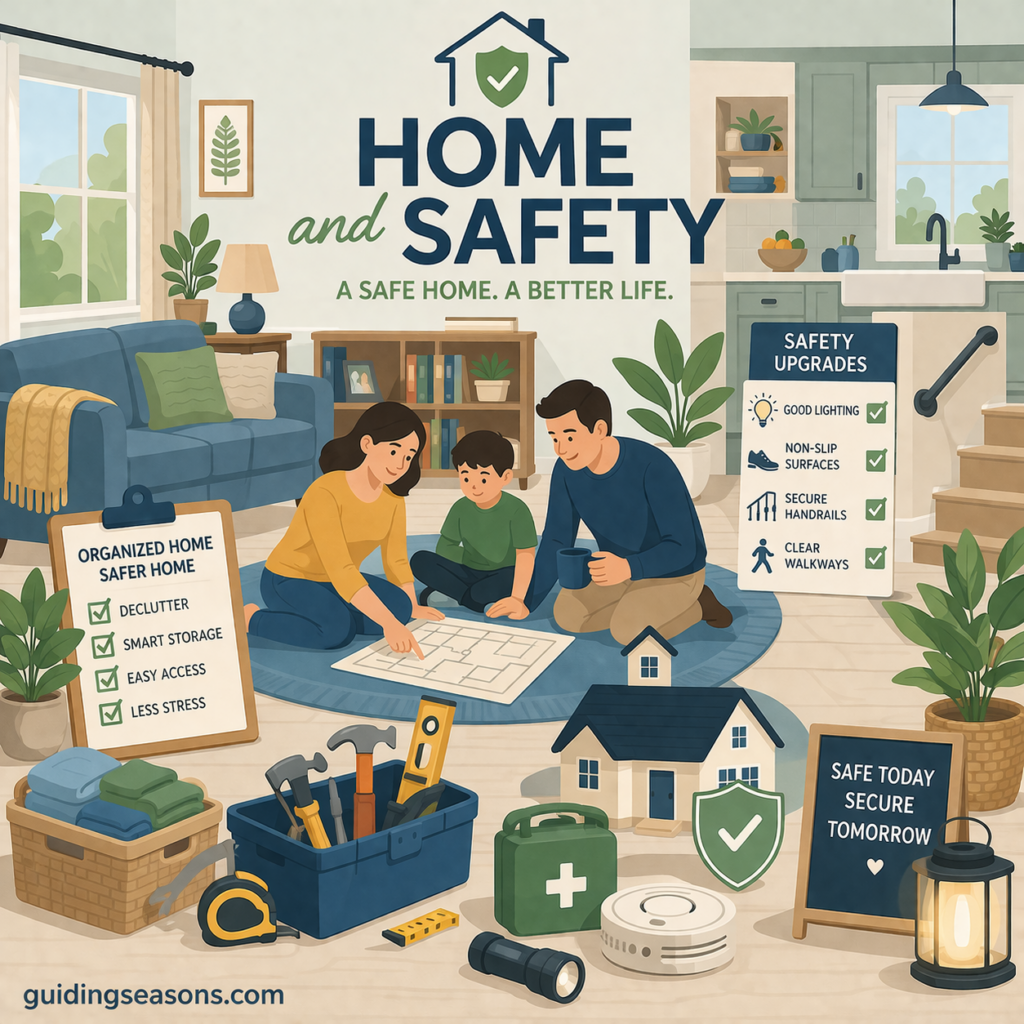
Flat illustration of a family improving home safety with organized spaces, tools, and safety upgrades like lighting, non-slip surfaces, and accessible layout.
Flat illustration showing home safety improvements, organization, and a secure living environment for everyday comfort. guidingseasons.com

Your home should be a place where you feel comfortable, secure, and in control of your daily life.

As you get older, however, a home that once worked perfectly may gradually become less convenient. Stairs can become more tiring. Poor lighting may make it harder to see obstacles. High shelves can become difficult to reach. Clutter that once seemed harmless can turn into a tripping hazard.

The good news is that creating a safer home usually does not require a major renovation.

Thoughtful changes to organization, lighting, accessibility, security, and everyday routines can make your living environment safer and easier to manage. Many improvements are inexpensive, and some cost nothing at all.

The goal is not to make your home feel clinical or restrictive. It is to create a comfortable environment that supports your lifestyle while helping you maintain independence for as long as possible.

This guide covers the most important areas of home safety and shows you where to start.

Continue reading “Home and Safety: How to Create a Safe, Comfortable, and Functional Living Environment”
How to Improve Home Organization

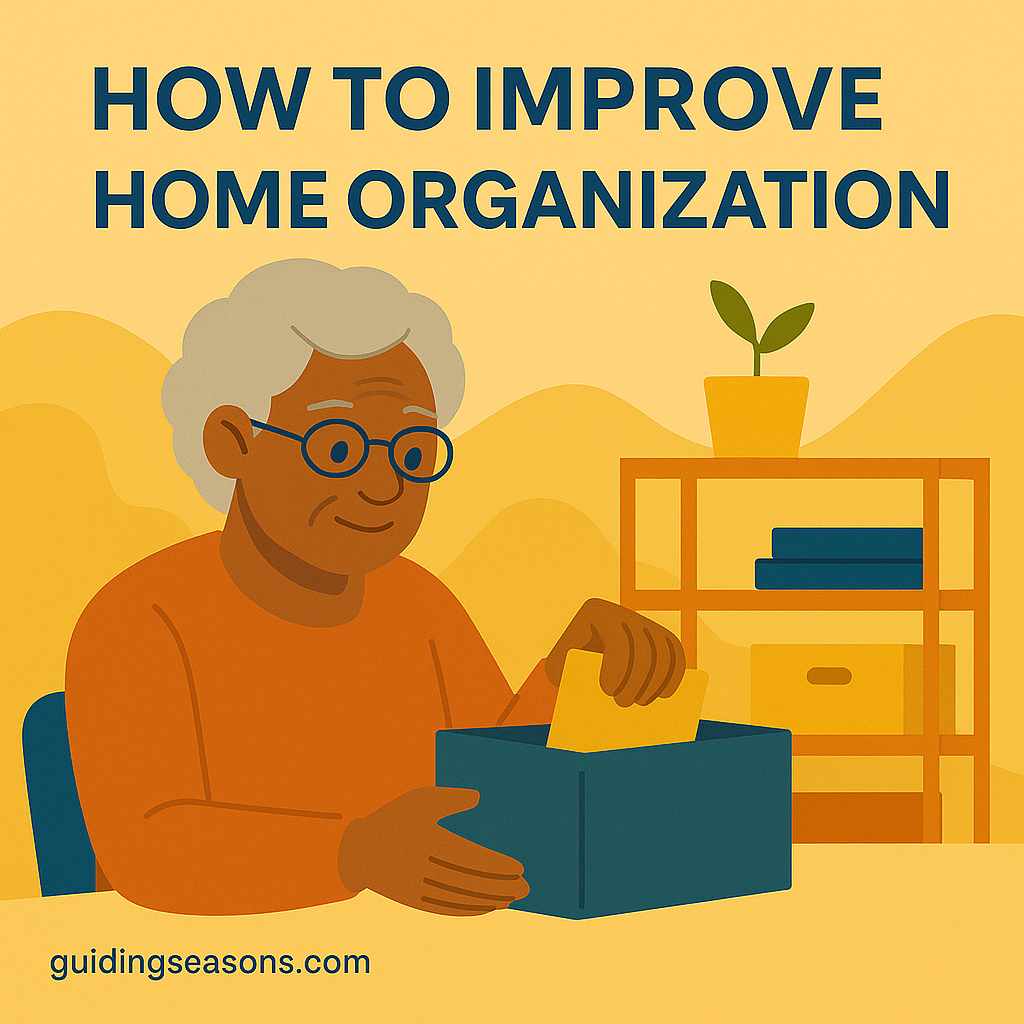
Flat illustration of a senior woman organizing items into a storage box with a shelving unit behind her, using warm colors and a small guidingseasons.com watermark in the bottom left.
Senior woman organizing items to create a more functional home space.

An organized home doesn’t have to look perfect—it just needs to work well for you. As we age, clutter, misplaced items, and crowded spaces can become stressful and may even create safety concerns. Improving home organization can make daily life easier, reduce frustration, and help you feel more in control of your environment.

You don’t need to reorganize everything at once. Small, thoughtful changes can create a home that feels peaceful, functional, and safe.

Here are simple, practical ways to improve home organization at any age.

Continue reading “How to Improve Home Organization”

How to Identify Home Safety Risks

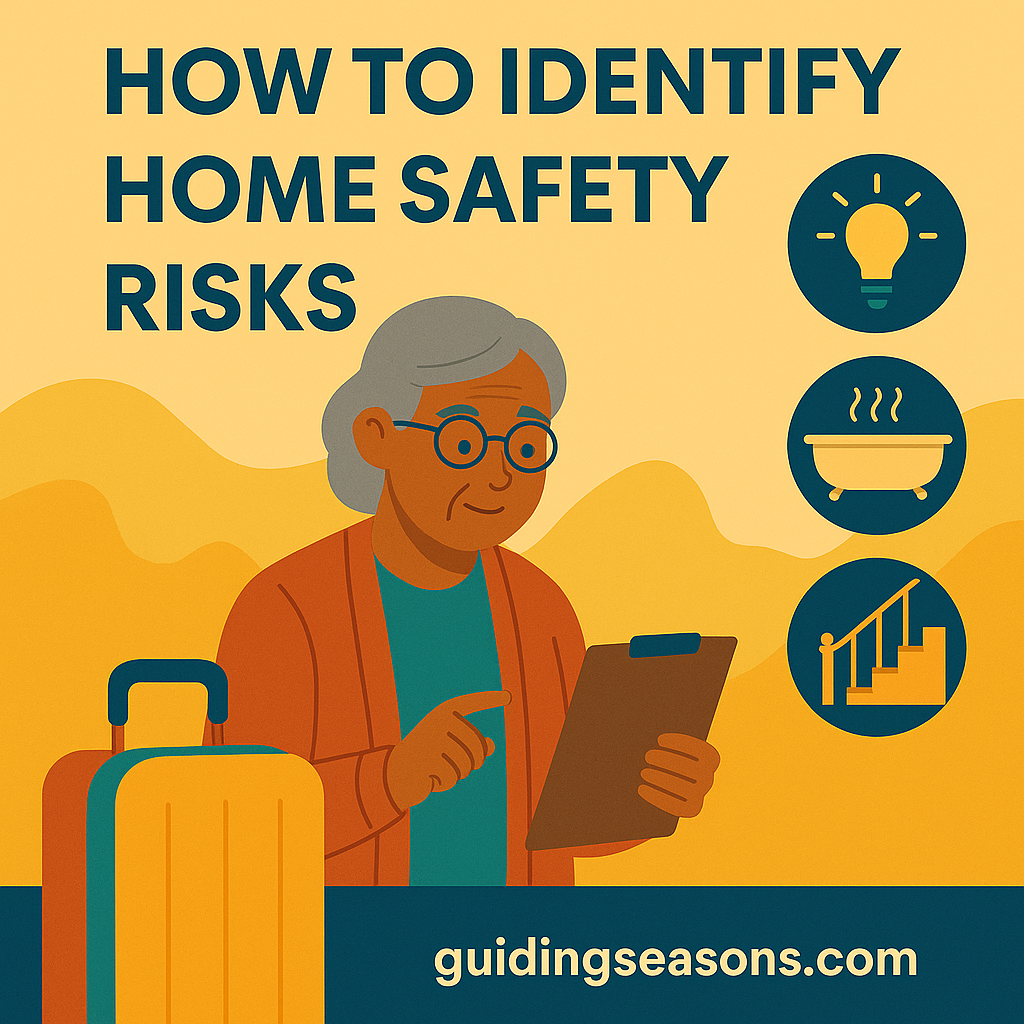
Flat illustration of a senior woman holding a clipboard while reviewing home safety risks, with icons for lighting, bathroom safety, and stairs, and a small guidingseasons.com watermark at the bottom.
Senior woman reviewing common home safety risks with illustrated icons.

Your home should be a place of comfort, independence, and peace of mind. But as we age, everyday household features can become unexpected hazards. Slippery floors, poor lighting, cluttered walkways, and hard-to-reach items can increase the risk of falls or injuries—sometimes without us noticing.

The good news is that identifying safety risks early gives you an opportunity to address them before an accident occurs. With a few simple checks and thoughtful adjustments, you can create a safer, more comfortable environment for yourself or a loved one.

According to the National Council on Aging (NCOA), falls are a major safety concern for older adults, but many risk factors can be addressed through practical prevention strategies.

Here’s how to spot potential safety risks around your home and what you can do about them.

Continue reading “How to Identify Home Safety Risks”

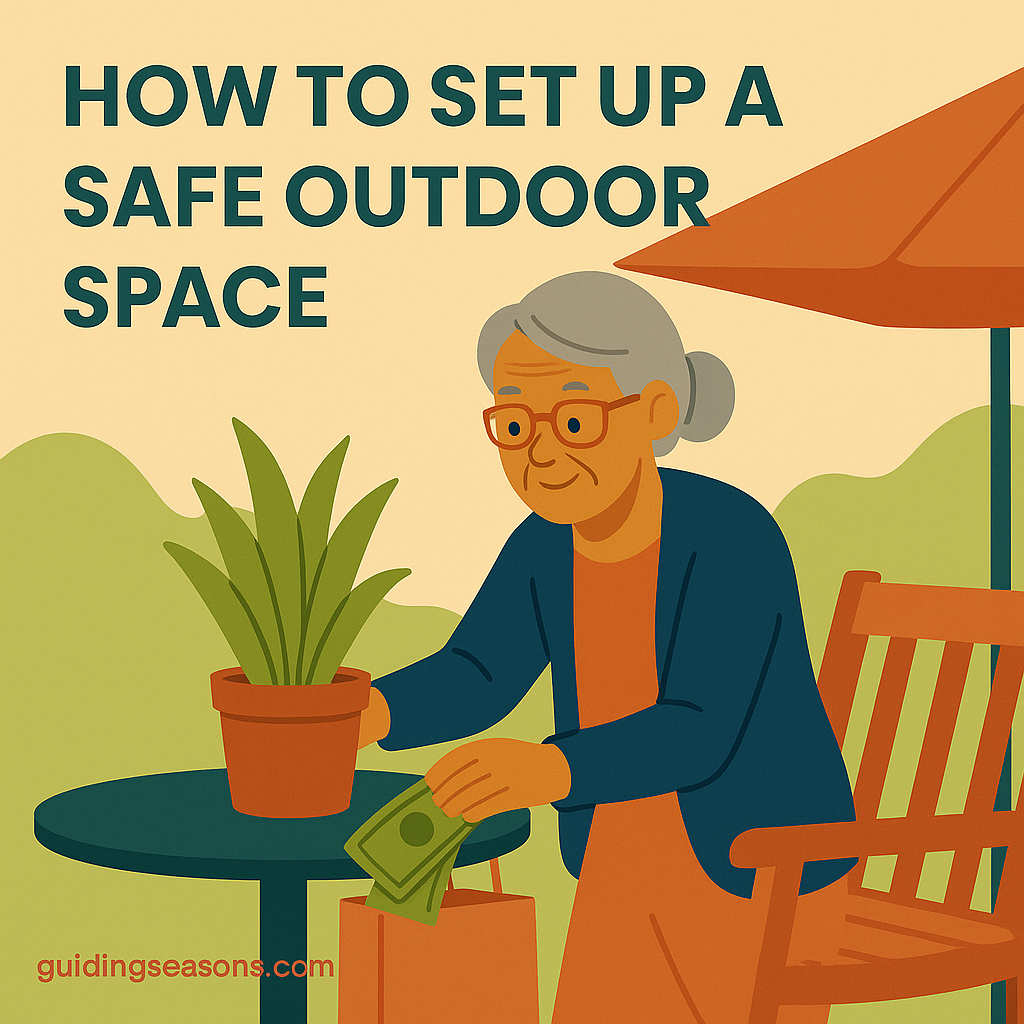
How to Set Up a Safe Outdoor Space

Flat illustration of an older woman arranging a safe outdoor patio space with a potted plant, chair, umbrella, and a small guidingseasons.com watermark in the bottom left.
Senior woman setting up a safe and comfortable outdoor area at home.

Spending time outdoors can be an enjoyable part of everyday life. Whether you love gardening, reading on the patio, having coffee outside, or simply enjoying fresh air, a comfortable outdoor area gives you another place to relax and stay connected with your surroundings.

As we get older, however, outdoor spaces may present challenges that are easy to overlook. Uneven pavement, poor lighting, slippery steps, excessive heat, garden hoses, and unstable furniture can make an otherwise inviting yard or patio more difficult to use safely.

The good news is that you don’t necessarily need a large yard or major renovation. A few thoughtful adjustments can make a patio, porch, balcony, garden, or backyard more accessible, comfortable, and enjoyable.

Here’s how to set up a safe outdoor space that can continue serving you as your needs change.

Continue reading “How to Set Up a Safe Outdoor Space”

How to Prepare for Weather Emergencies

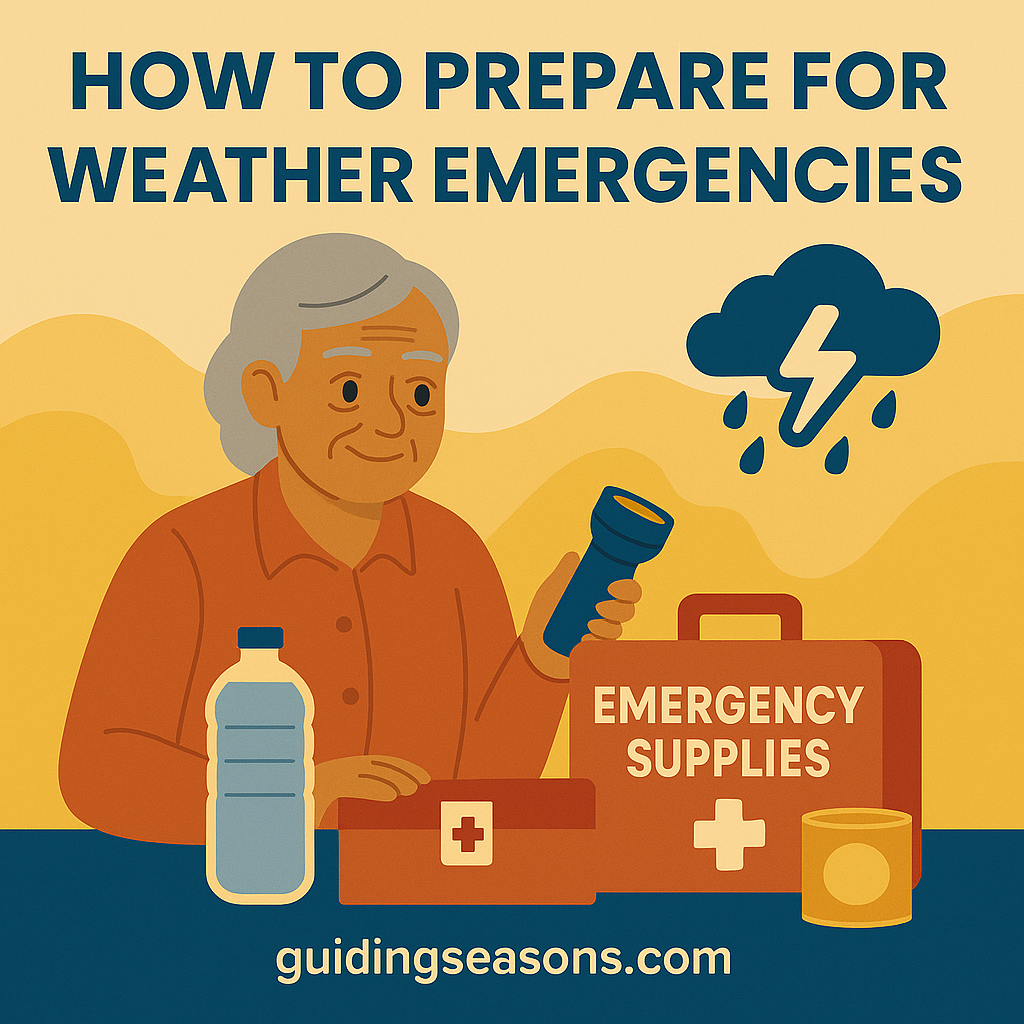
Flat illustration of an older woman holding a flashlight next to an emergency supply kit, with a storm icon above and a small guidingseasons.com watermark at the bottom.
Senior woman preparing an emergency supply kit with a storm icon above.

Weather emergencies can develop quickly. A quiet afternoon can turn into a severe thunderstorm, a heatwave can strain the electrical grid, or a wildfire can force residents to evacuate with little notice. Floods, hurricanes, tornadoes, extreme cold, and winter storms can also disrupt transportation, utilities, communication, and access to essential services.

Preparing ahead of time can make these situations much easier to handle. You do not need an elaborate emergency shelter or expensive equipment. A practical emergency plan, basic supplies, reliable ways to receive alerts, and an understanding of your local risks can make a significant difference.

The goal is not to prepare for every possible scenario. It is to make sure you can meet your basic needs and make informed decisions when normal routines are disrupted.

Here is how to prepare your household before severe weather strikes.

Continue reading “How to Prepare for Weather Emergencies”

How to Maintain Home Safety on a Budget

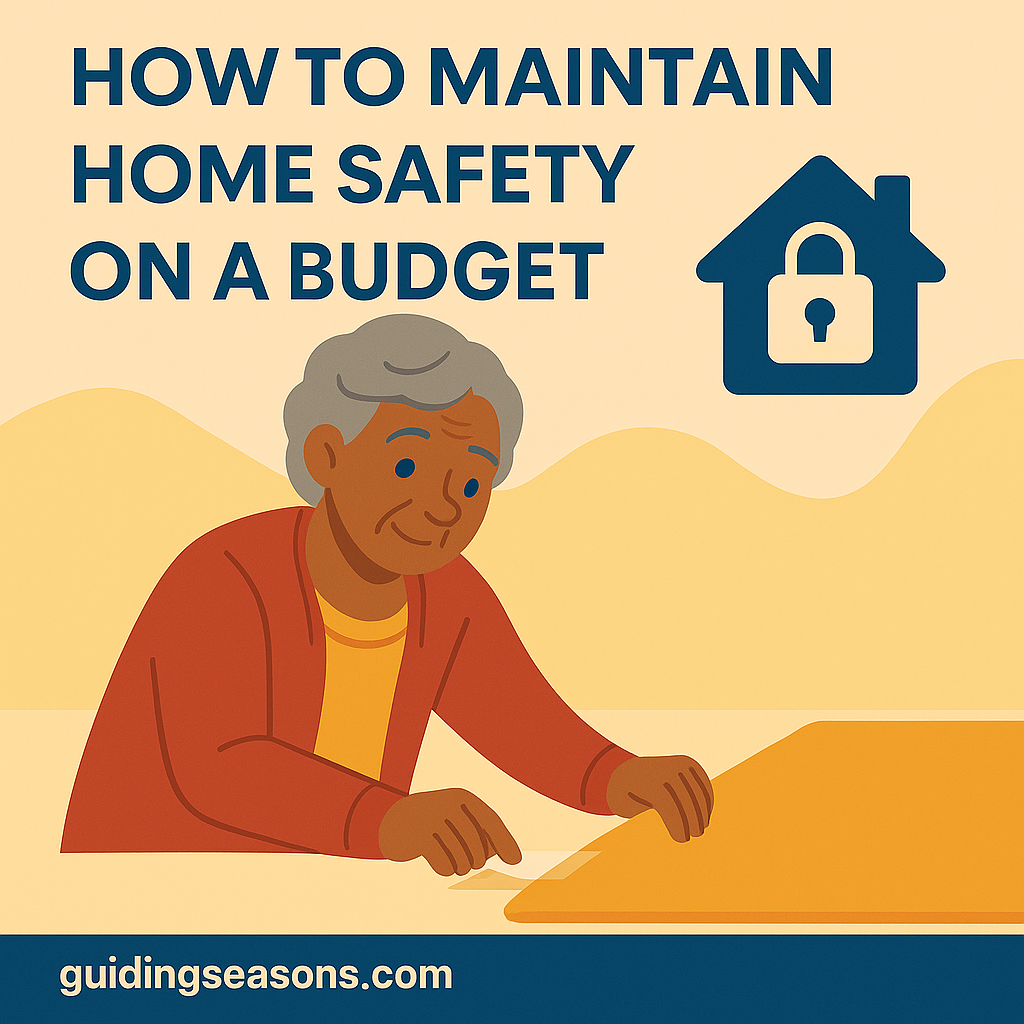
Illustration of a senior woman securing a rug to the floor to improve home safety, with a house-and-lock safety icon beside her, created for the article “How to Maintain Home Safety on a Budget,” with a small guidingseasons.com watermark at the bottom.
Senior woman securing a rug to improve home safety on a budget.

Keeping your home safe doesn’t have to be expensive. In fact, many effective safety improvements for older adults are simple, low-cost changes that make everyday life easier and more secure. Whether you’re living alone, with a partner, or supporting an older family member, you can create a safer, more comfortable home environment without stretching your budget.

This guide walks you through practical, affordable ways to maintain home safety so you can feel more confident and comfortable every day.

Continue reading “How to Maintain Home Safety on a Budget”

How to Prevent Kitchen Accidents

Illustration of a senior woman cooking safely in a kitchen, stirring a pot with a warning icon nearby, created for the article “How to Prevent Kitchen Accidents,” with guidingseasons.com shown at the bottom.
Senior woman cooking safely in a kitchen with a warning icon nearby.

The kitchen is the heart of the home—where meals, memories, and daily routines happen. But as we age, everyday kitchen features can present additional safety challenges. Slippery floors, sharp tools, hot surfaces, and cluttered counters can increase the risk of burns, cuts, and falls.

The good news is that simple changes can make your kitchen safer. With thoughtful organization, appropriate tools, and a few consistent habits, you can enjoy cooking confidently and comfortably.

This guide walks you through senior-friendly tips to help prevent kitchen accidents and create a safer, easier cooking environment.

Continue reading “How to Prevent Kitchen Accidents”

How to Create a Peaceful Home Atmosphere

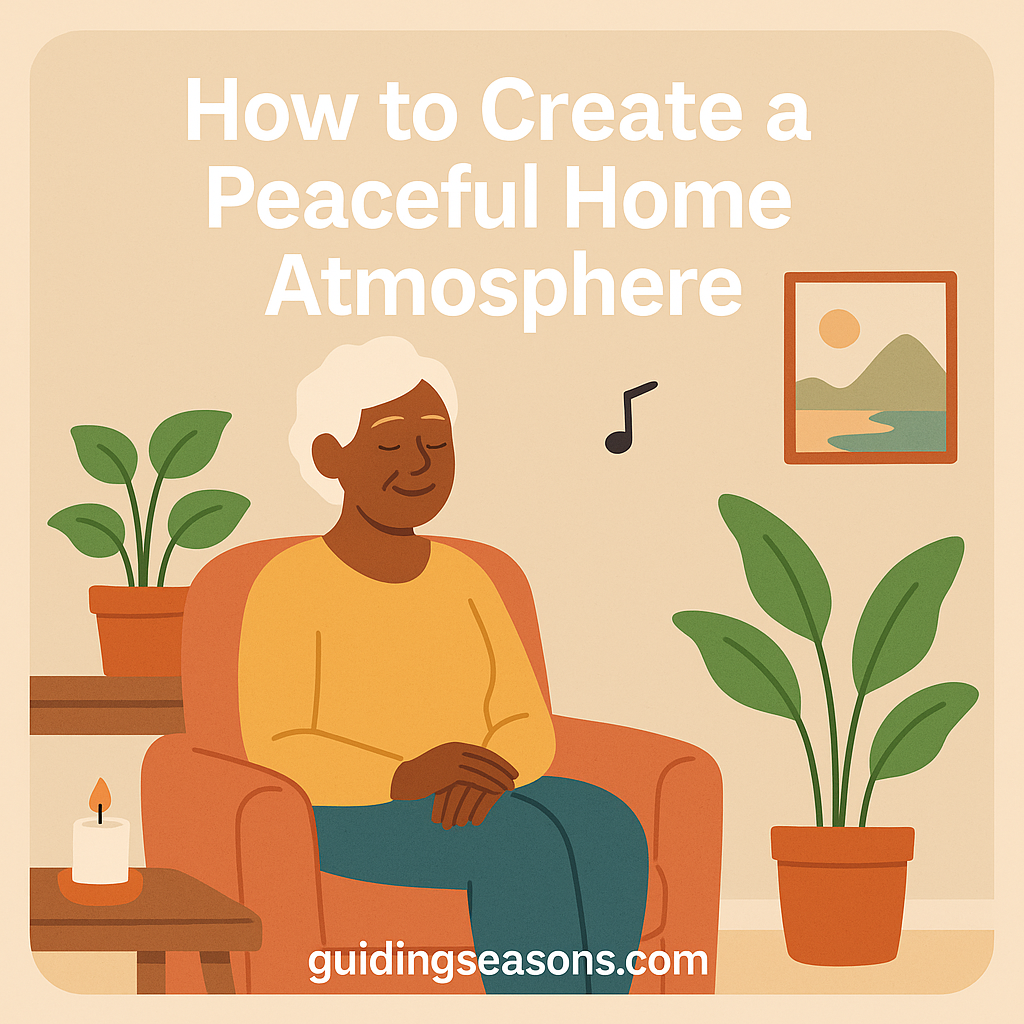
Illustration of a senior woman relaxing in a cozy living room with plants, soft lighting, and calming decor, with “How to Create a Peaceful Home Atmosphere” displayed at the top and guidingseasons.com at the bottom.
Senior woman relaxing in a peaceful, cozy living room environment.

Your home can play an important role in how calm, comfortable, and settled you feel each day. As routines change and more time is spent at home—especially during retirement or later-life transitions—creating a peaceful home atmosphere can become increasingly valuable.

A peaceful home doesn’t require a major renovation or expensive décor. It can be created through small, thoughtful choices that reduce unnecessary distractions, support comfort, and make your space feel welcoming and restorative.

By the end of this article, you’ll know how to create a calmer home environment using a room-by-room approach and simple daily routines that support comfort and well-being.

Continue reading “How to Create a Peaceful Home Atmosphere”

How to Store Medication Properly

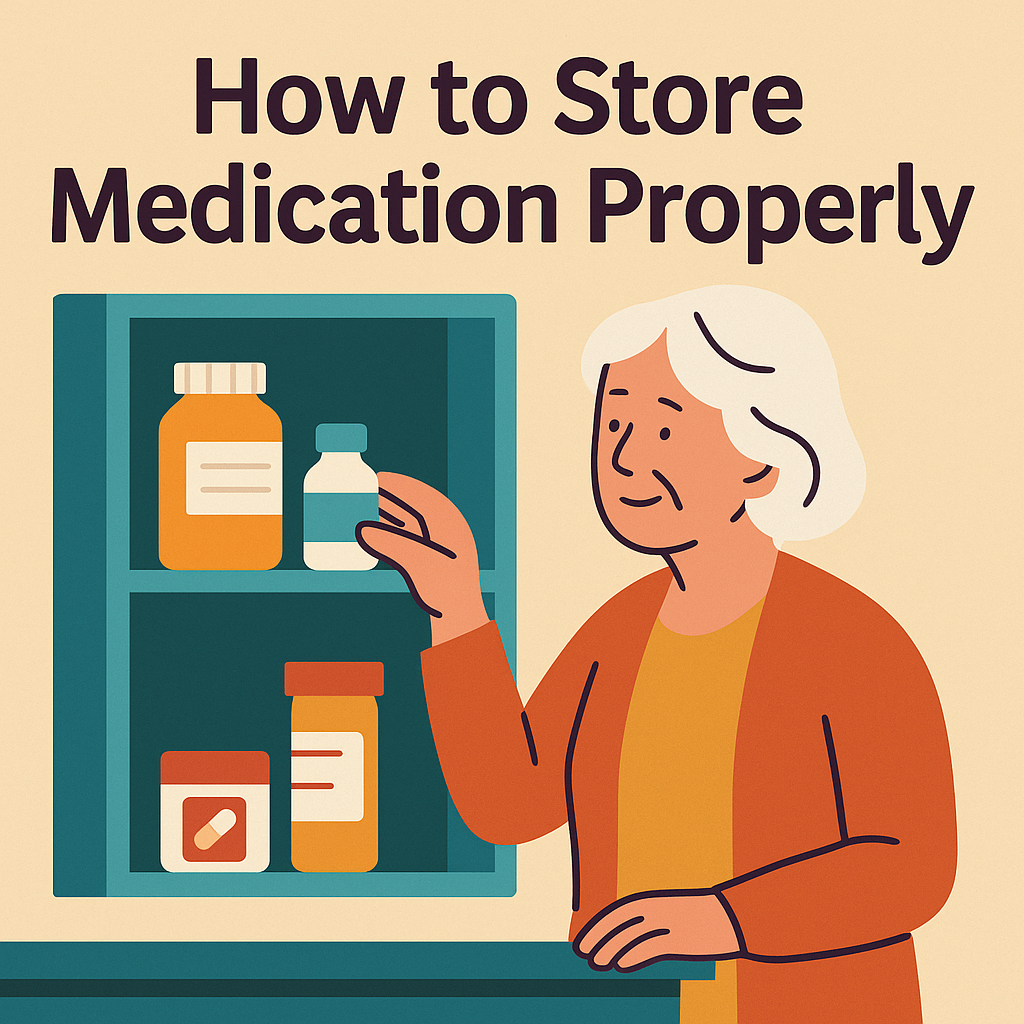
Illustration of a senior woman organizing medication bottles inside a cabinet for proper storage, with the title “How to Store Medication Properly.”
Senior woman organizing medication bottles in a cabinet at home.

Storing medication the right way is one of the simplest—and most important—steps you can take to protect your health. As we age, many of us take more prescriptions, over-the-counter medicines, and supplements than before, making proper storage essential for safety, effectiveness, and peace of mind.

When medication is kept in the wrong environment or poorly organized, heat, moisture, or storage mistakes can affect its quality or increase the risk of taking the wrong medicine.

This guide explains easy, senior-friendly ways to store medication safely, stay organized, and avoid common risks at home.

Continue reading “How to Store Medication Properly”

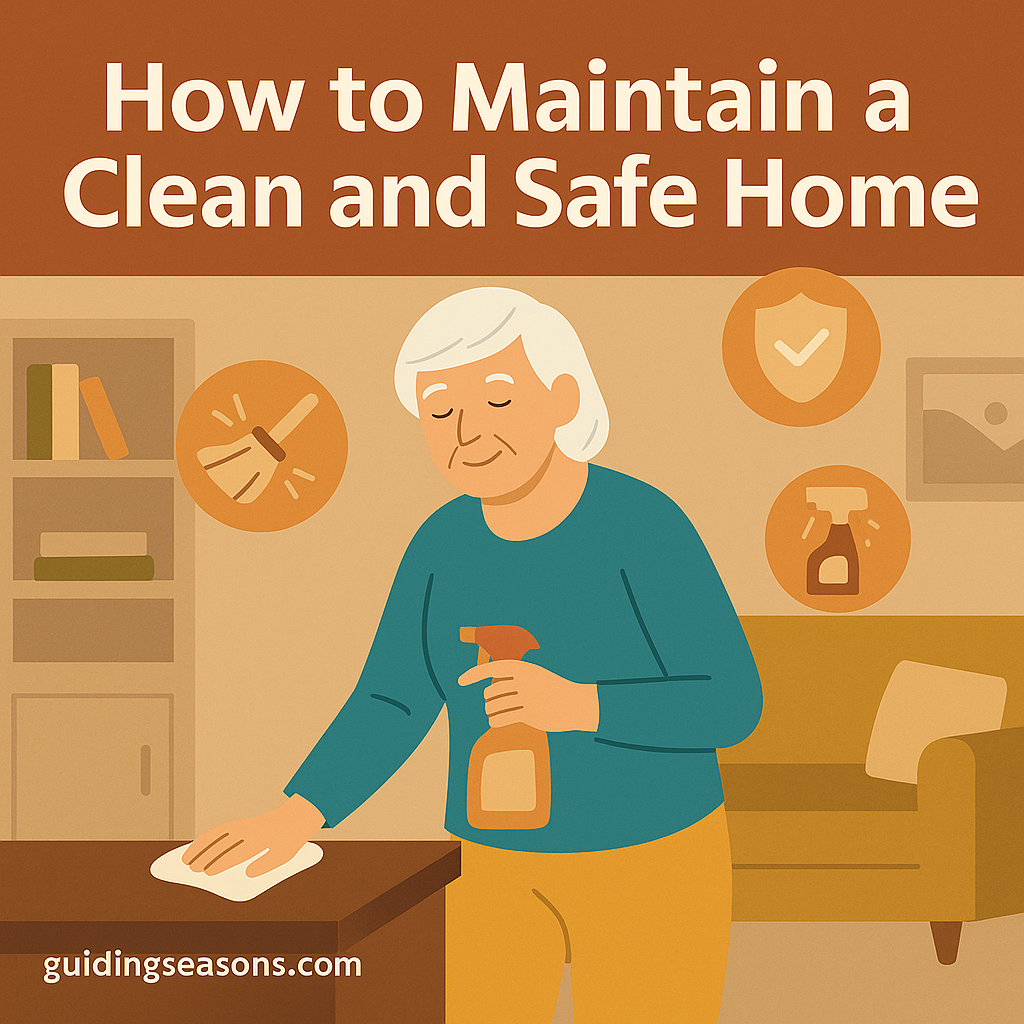
How to Maintain a Clean and Safe Home

Older woman cleaning a table with a spray bottle and cloth, surrounded by icons representing safety and home care.
Older woman cleaning her home with safety and housekeeping icons in the background.

A clean and safe home can make everyday life feel more comfortable, manageable, and independent. As we get older, simple household tasks may take more energy, and small hazards that once seemed harmless can become more important to address.

Cluttered walkways, poor lighting, wet bathroom floors, hard-to-reach storage, and heavy cleaning tools can all make routine tasks more difficult. The goal is not to keep your home perfectly spotless. It is to create a living space that is easy to move through, easy to maintain, and supportive of your daily needs.

The Centers for Disease Control and Prevention (CDC) recommends making the home safer by removing tripping hazards, improving lighting, and adding supports such as grab bars and stair railings to help reduce fall risk among older adults. CDC — Preventing Falls and Hip Fractures

A practical approach is to combine light cleaning, simple organization, and routine safety checks.

Here are some of the most useful ways to maintain a clean and safe home without making the process overwhelming.

Continue reading “How to Maintain a Clean and Safe Home”