Your home can play an important role in how calm, comfortable, and settled you feel each day. As routines change and more time is spent at home—especially during retirement or later-life transitions—creating a peaceful home atmosphere can become increasingly valuable.
A peaceful home doesn’t require a major renovation or expensive décor. It can be created through small, thoughtful choices that reduce unnecessary distractions, support comfort, and make your space feel welcoming and restorative.
By the end of this article, you’ll know how to create a calmer home environment using a room-by-room approach and simple daily routines that support comfort and well-being.
Why a Peaceful Home Matters
Our surroundings can influence how comfortable and relaxed we feel.
A peaceful home may help you:
- Feel more relaxed and grounded
- Reduce unnecessary distractions and overstimulation
- Create an environment that supports rest
- Make everyday routines more enjoyable
- Feel more comfortable spending time at home
The goal isn’t to create a perfectly quiet or spotless house. It’s to create an environment that works well for you.
The AARP HomeFit Guide offers additional ideas for creating a home that supports comfort, accessibility, and changing needs over time.
Core Principles of a Peaceful Home
Before focusing on individual rooms, keep a few simple principles in mind:
- Simplicity can reduce visual clutter
- Comfort matters more than appearance
- Familiar routines can make daily life feel more manageable
- Good lighting and easy-to-use spaces support comfort
- Calm is personal—what works for you is what matters most
You don’t need perfection to create a home that feels peaceful.
Room-by-Room Guide to Creating Calm
Living Room
The living room is often one of the most frequently used spaces in the home, so start by making it comfortable and easy to navigate.
Focus on:
- Comfortable seating with good support
- Soft or adjustable lighting
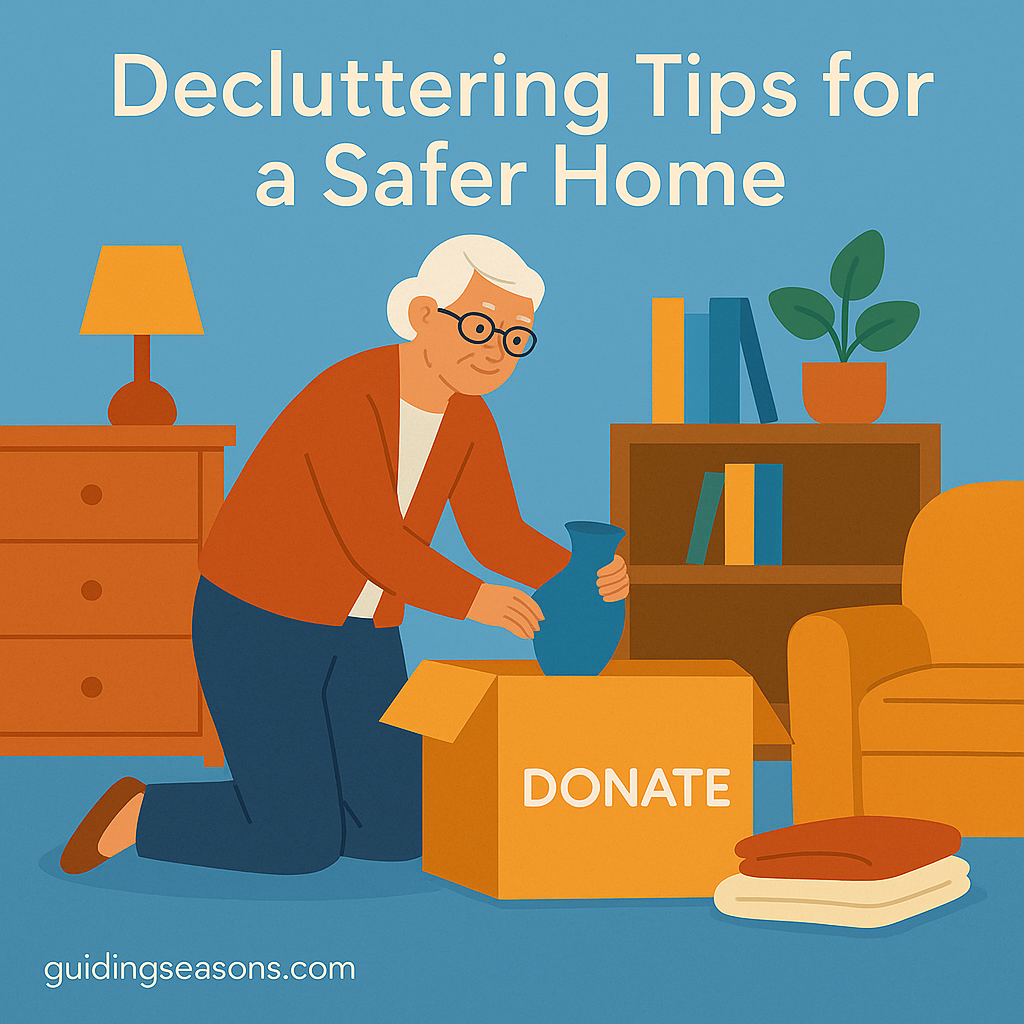
- Decluttering surfaces to reduce visual distractions
- Keeping favorite books, blankets, or photographs nearby
- Maintaining clear walking paths
Calming touches might include:
- Colors you personally find relaxing
- Gentle background music or quiet
- A few meaningful decorative items
- Comfortable textures and fabrics
You don’t need to remove everything from the room. Instead, keep the objects that make the space feel welcoming without allowing surfaces and pathways to become crowded.
Kitchen
The kitchen can feel either comfortable and functional or busy and overwhelming, depending on how it is organized.
Create a calmer environment by:
- Keeping counters relatively clear
- Organizing frequently used items for easy access
- Taking advantage of natural light when available
- Keeping commonly used ingredients and tools near where they’re needed
Helpful habits include:
- Cleaning as you go
- Creating a simple tea or coffee ritual
- Sitting down to enjoy meals when possible
- Preparing frequently used items ahead of time
A well-organized kitchen can reduce unnecessary searching, reaching, and rushing.
Bedroom
Your bedroom should provide an environment that supports rest and comfort.
Prioritize:
- Comfortable bedding and pillows
- Minimal clutter around the bed
- Lighting that can be adjusted easily
- Window coverings that provide appropriate darkness and privacy
- A comfortable room temperature
Calming routines might include:
- Maintaining a fairly consistent bedtime
- Reading before bed
- Gentle stretching
- Reducing bright screens close to bedtime if they interfere with your sleep
The AARP’s sleep resources provide additional information about sleep habits and creating routines that support better rest as we age.
Bathroom
Even a small bathroom can feel comfortable and uncluttered.
Simple improvements include:
- Keeping counters relatively clear
- Storing frequently used toiletries within easy reach
- Using comfortable towels and bath linens
- Maintaining adequate lighting
- Keeping floors dry and pathways clear
If you enjoy scented products, choose fragrances you find pleasant and use them in moderation. Some people are sensitive to fragrances, so a peaceful bathroom doesn’t necessarily need candles, essential oils, or scented products.
Comfort and safety should come first.
Entryway or Hallway
The entryway sets the tone when you arrive home and can also help keep everyday essentials organized.
Create ease by:
- Keeping shoes and bags organized
- Adding hooks or a designated location for frequently used items
- Providing adequate lighting
- Keeping walking areas free of clutter
- Creating a consistent place for keys, wallets, or purses
A simple entryway system can also prevent the frustration of searching for essential items before leaving home.
Creating Daily Calming Routines
A peaceful home isn’t only about furniture and décor. Simple routines can help keep the environment comfortable and manageable.
Morning Calm Routine
Consider:
- Opening curtains or blinds to let in natural light
- Enjoying a quiet drink
- Moving or stretching gently if comfortable
- Thinking about one or two priorities for the day
Your morning routine doesn’t need to be elaborate. Even a few quiet minutes can create a more relaxed start.
Midday Reset
A short reset can keep small amounts of clutter from becoming overwhelming.
Try:
- Tidying one small area
- Stepping outside or enjoying fresh air when appropriate
- Taking a short break from screens or television
- Stretching, walking, or resting
For example, try a 10-minute midday reset: spend five minutes putting away items in one frequently used room and another five minutes sitting quietly, stretching, or stepping outside.
That’s enough to refresh your surroundings without turning the routine into a major cleaning project.
Evening Wind-Down
As the day ends, gradually shift the home toward a quieter atmosphere.
You might:
- Dim unnecessary lights
- Reduce background noise
- Put away a few items from the day
- Prepare simple essentials for tomorrow
- Finish the evening with reading, music, or another relaxing activity
Routines don’t need to be rigid. They should make your day easier, not become another source of pressure.
Reducing Noise and Visual Stress
Constant background noise and crowded spaces can make it harder to relax or concentrate.
Helpful adjustments include:
- Turning off televisions or radios when no one is actively listening
- Choosing music or other sounds you find relaxing
- Reducing clutter in frequently used spaces
- Keeping a few surfaces relatively clear
- Creating a quiet area for reading, hobbies, or rest
You don’t need a silent or minimalist home. The goal is simply to reduce distractions that you don’t find useful or enjoyable.
Bringing Nature Indoors
Natural elements can make a home feel warmer and more inviting.
Simple ideas include:
- Houseplants that are appropriate for your household
- Fresh flowers
- Natural light
- Wood, cotton, linen, or other natural-looking textures
- Comfortable views of a garden, trees, or outdoor space
If maintaining plants becomes difficult, even sitting near a window with a pleasant outdoor view can add a natural element to the room.
If you have pets or visiting children, check whether particular houseplants are safe before bringing them into the home.
Create a Dedicated Quiet Space
You don’t need an entire room to create a peaceful retreat.
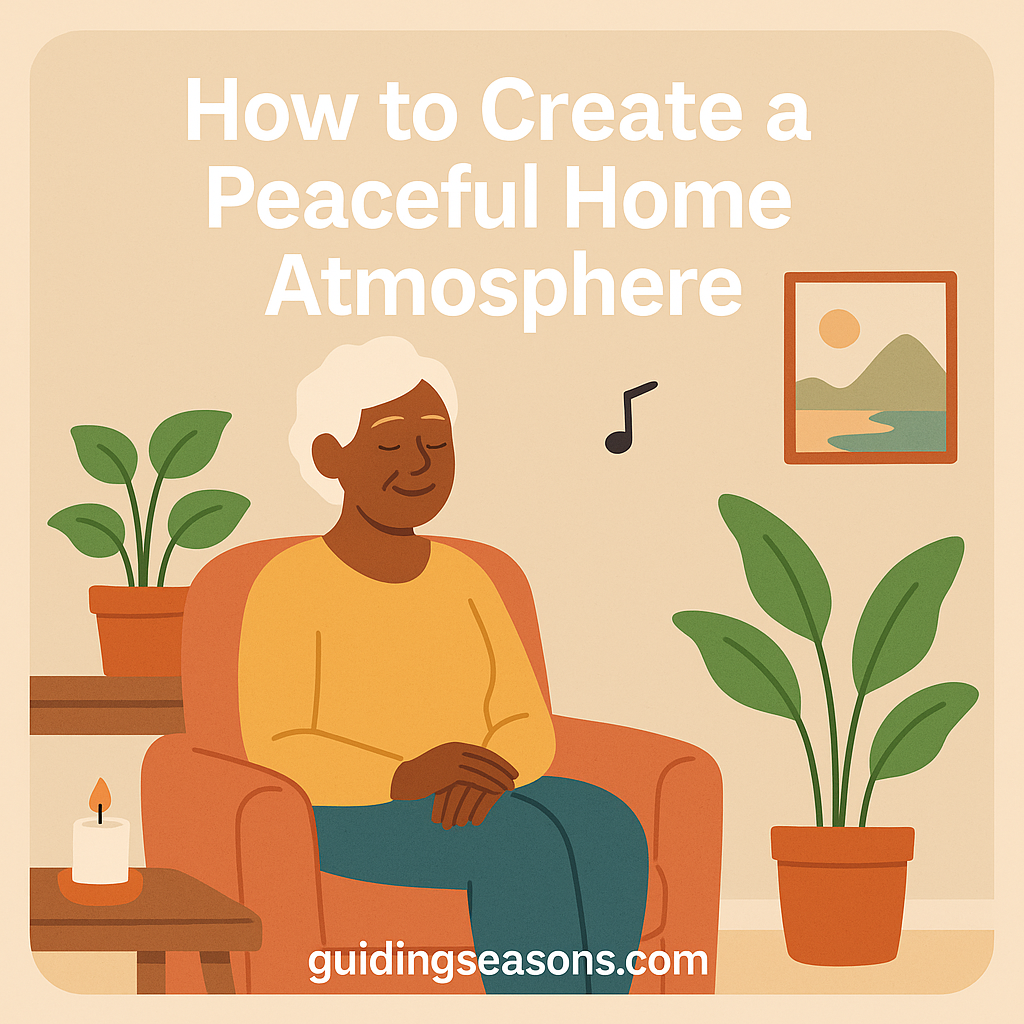
A small corner of the living room or bedroom can work well.
Consider adding:
- A comfortable chair
- Good reading light
- A small table
- A favorite book
- A blanket
- A view from a window
- Supplies for a quiet hobby
Keeping this area relatively free from household clutter can give you a consistent place to read, think, listen to music, or simply rest.
Making Peace Personal
A peaceful home should reflect your preferences rather than decorating trends.
Ask yourself:
- What makes me feel comfortable and relaxed?
- Which rooms already feel pleasant?
- Which spaces regularly frustrate me?
- What small change would make my daily routine easier?
- Are there objects, sounds, or activities that make my home feel more like mine?
One person may enjoy a quiet room with neutral colors, while another may feel happiest surrounded by photographs, books, colorful artwork, and music.
Both can be peaceful homes.
When Calm Feels Hard to Maintain
Some days will naturally feel busier or less organized than others.
When that happens:
- Focus on one manageable task
- Leave nonessential chores for another day
- Clear one surface rather than an entire room
- Choose an activity you find relaxing
- Return to your normal routine when you’re ready
A peaceful home isn’t something you have to maintain perfectly. It’s an environment you can gradually return to after busy days, visitors, projects, or changes in routine.
Final Thoughts
Creating a peaceful home atmosphere is about comfort, intention, and consistency—not appearance or expense. Small room-by-room adjustments, better organization, comfortable lighting, meaningful belongings, and simple daily routines can make your home feel more welcoming and easier to enjoy.
Start with the space where you spend the most time. Clear a little unnecessary clutter, improve the lighting, make your favorite chair more comfortable, or establish a simple 10-minute daily reset. Then make additional changes gradually.
A peaceful home doesn’t remove life’s challenges, but it can provide a comfortable and familiar place to rest, enjoy everyday routines, and recharge for whatever comes next.