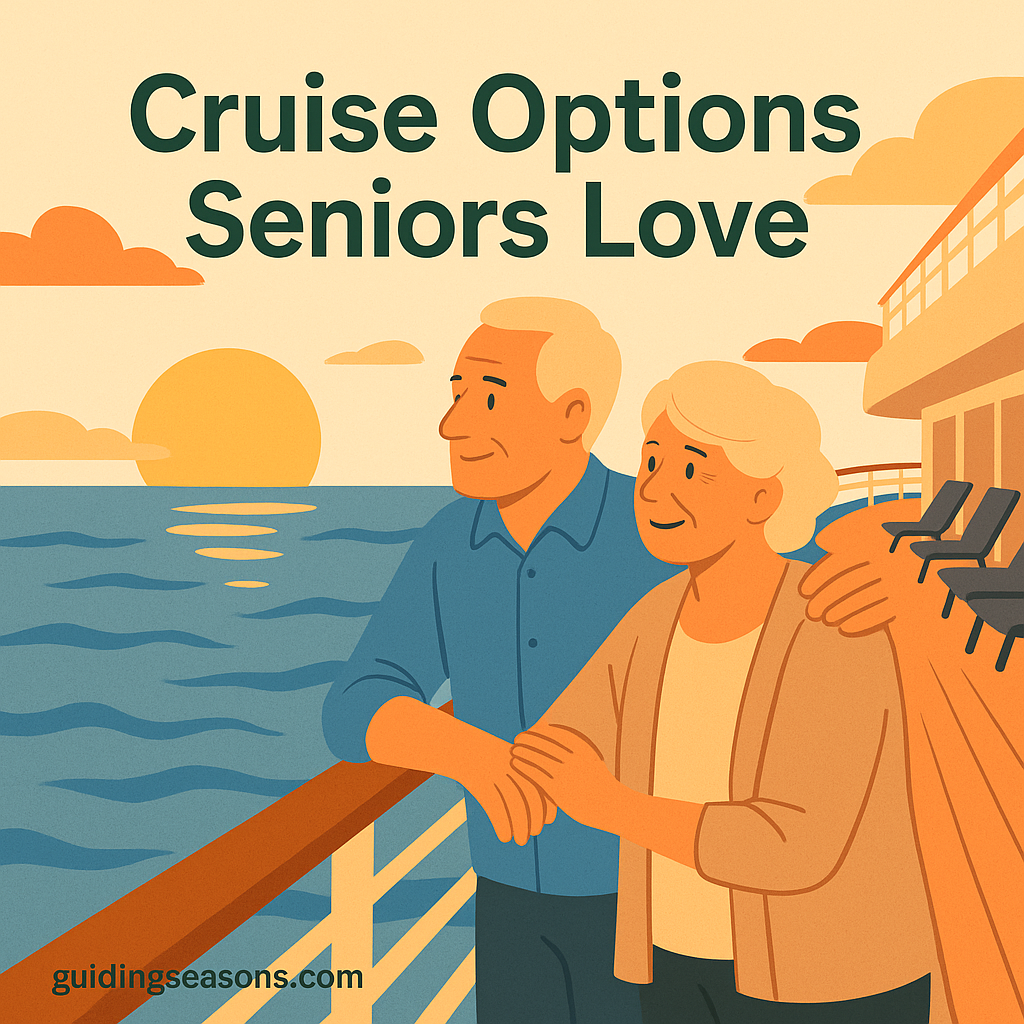
Cruising has become one of the most appealing ways for older adults to travel. Comfortable accommodations, transportation between destinations, dining, entertainment, and organized excursions are all brought together in one trip. Instead of repeatedly packing and unpacking or arranging transportation between cities, you can settle into your cabin and let the ship take you from one destination to the next.
Cruising is especially popular among older travelers. According to AARP’s 2026 Travel Trends research, interest in international cruising increases with age: international cruise trips account for about 28% of planned international trips among travelers age 70 and older, compared with 15% among travelers ages 50 to 59.
With so many cruise lines, ship sizes, destinations, and travel styles available, however, choosing the right cruise can feel overwhelming.
The best choice depends on what you want from the experience. Some travelers enjoy large ships filled with restaurants and entertainment, while others prefer quiet river cruises, intimate small ships, cultural experiences, or luxury service.
Here’s a closer look at cruise options seniors often enjoy and what to consider before booking.
Why Cruises Are a Great Fit for Seniors
Cruises offer a travel experience that can be both relaxing and structured. Much of the transportation, dining, lodging, and entertainment is organized in advance, making it easier to explore without planning every detail yourself.
Seniors often enjoy cruising because:
- Transportation, dining, entertainment, and lodging are available in one place.
- Many ships offer accessible cabins, elevators, and other mobility accommodations.
- Activities may include quiet lounges, live music, lectures, fitness classes, pools, demonstrations, and evening entertainment.
- Travelers can choose between active itineraries and slower, relaxation-focused trips.
- Many cruise lines offer accessible shore excursions, although availability varies by ship and destination.
- Early-booking promotions and other special fares may help reduce the overall cost.
Cruising can also make travel more manageable for people with mobility limitations. AARP notes that the convenience of visiting multiple destinations while unpacking only once, combined with accessible onboard entertainment and an increasing number of accessible excursions, can make cruising attractive for travelers with mobility challenges.
If you want to travel more while reducing some of the logistical stress associated with moving from hotel to hotel, cruising can be an excellent option.
1. Ocean Cruises: Classic, Comfortable, and Convenient
Ocean cruises provide the traditional cruise experience: larger ships, several dining choices, entertainment, pools, lounges, organized activities, and numerous destinations.
Depending on the ship, passengers may have access to theaters, live music, libraries, lectures, trivia, cooking demonstrations, fitness centers, spas, and enrichment programs.
Seniors often appreciate ocean cruises for:
- A wide selection of cabin categories, including accessible options on many ships
- Elevators connecting most passenger decks
- Multiple dining choices
- Organized entertainment throughout the day
- A variety of shore excursions with different activity levels
- Longer itineraries for travelers who enjoy extended vacations
Popular choices among mature travelers include:
- Holland America Line – Known for a traditional cruising atmosphere, destination-focused itineraries, live music, and enrichment activities.
- Princess Cruises – Offers a relaxed cruising experience with extensive itineraries, entertainment, and a variety of dining options.
- Celebrity Cruises – Combines contemporary ship design with dining, lounges, entertainment, and destination-focused travel.
These lines can be particularly appealing to travelers looking for a comfortable cruise without making high-energy nightlife the center of the experience.
2. River Cruises: Scenic, Relaxed, and Culturally Focused
River cruises are popular with travelers who want a smaller-scale experience centered on scenery, history, food, and culture.
Instead of sailing across open oceans, river ships travel waterways such as the Rhine, Danube, Rhône, Seine, and Douro.
One of the biggest attractions is the scenery. Rather than spending entire days surrounded by open water, passengers may watch castles, vineyards, villages, and historic towns pass by from the ship.
River cruising often appeals to seniors because of:
- Smaller passenger counts than most ocean ships
- A quieter onboard atmosphere
- Destination-focused itineraries
- Guided cultural and historical excursions
- Scenic cruising close to shore
- Fewer large entertainment venues and crowds
Popular river cruise companies include:
- Viking – Known for destination-focused river itineraries, cultural programming, and understated ship design.
- AmaWaterways – Offers river itineraries with multiple excursion choices on many sailings, along with wellness-focused activities.
- Avalon Waterways – Known for panoramic cabin designs on many ships and a strong focus on European river destinations.
River cruises can be wonderful for travelers who enjoy history and culture, but mobility requirements should be checked carefully.
European river ports may involve cobblestone streets, stairs, sloped gangways, or considerable walking. Water levels can occasionally affect docking arrangements as well.
If mobility is a concern, ask the cruise line about the specific excursions and accessibility of the ship before booking.
3. Small-Ship Cruises: Personalized and Less Crowded
Small-ship cruising offers another alternative to large ocean vessels.
Ships in this category vary considerably. Some carry several hundred passengers, while others may carry far fewer.
The smaller size can create a quieter atmosphere and allow ships to visit ports that cannot accommodate very large cruise vessels.
Potential benefits include:
- Fewer passengers
- More personalized service
- Quieter decks and common areas
- Easier navigation around the ship
- Visits to smaller ports
- A more intimate onboard atmosphere
Popular options include:
- Oceania Cruises – Known for destination-focused itineraries, smaller ships compared with major mainstream cruise lines, and a strong emphasis on dining.
- Windstar Cruises – Operates smaller yachts and sailing-style vessels with a casual upscale atmosphere.
- Seabourn – Offers luxury small-ship cruising with suite accommodations and personalized service.
This style can be ideal if you value quieter surroundings, attentive service, and a more relaxed onboard experience.
Keep in mind that very small vessels do not always provide the same accessibility features found on larger modern cruise ships, so travelers with mobility concerns should verify accommodations before booking.
4. Expedition Cruises: Adventure With Onboard Comfort
Cruising can also be an option for travelers who want adventure.
Expedition cruises focus on wildlife, landscapes, nature, science, and remote destinations. Popular regions include Alaska, Antarctica, the Galápagos Islands, Iceland, Greenland, and parts of South America.
These cruises can work especially well for active older travelers interested in:
- Wildlife viewing
- Zodiac boat excursions
- Nature walks
- Photography
- Educational lectures
- Cultural visits
- Remote landscapes
Well-known expedition operators include Lindblad Expeditions, HX, and Ponant.
Expedition cruising is not necessarily limited to highly athletic travelers. Some itineraries provide different activity levels or opportunities to remain aboard and enjoy lectures and scenery when passengers do not want to participate in a more demanding excursion.
However, physical requirements vary considerably.
Activities involving Zodiac boats, wet landings, uneven terrain, or steep paths may not be appropriate for everyone. Carefully review the physical requirements before booking.
5. Themed Cruises: Music, Wellness, and Special Interests
A themed cruise combines traditional cruising with a shared interest.
These sailings can be especially enjoyable for seniors who want to meet travelers with similar hobbies or passions.
Popular themes can include:
- Jazz, classical, or other music
- Gardening and horticulture
- Culinary experiences
- Photography
- History and culture
- Wellness
- Faith-based programs
- Educational topics
Depending on the cruise, programming may include concerts, workshops, demonstrations, lectures, guest speakers, or special excursions.
Themed cruising can also make meeting people easier.
Instead of arriving with nothing in common, passengers already share an interest.
If you love jazz, for example, a music-themed cruise gives you an immediate conversation starter with many of the people around you.
6. Luxury Cruises: Relaxing, Refined, and More Inclusive
For travelers who prioritize comfort and service, luxury cruising offers a more refined experience.
Luxury ships generally carry fewer passengers than mainstream megaships and often provide larger accommodations, higher staff-to-guest ratios, and more inclusions in the cruise fare.
Depending on the cruise line and fare, benefits may include:
- Spacious suites
- Private verandas
- Concierge or butler service
- Specialty dining
- Beverages
- Gratuities
- Some shore excursions
- Fewer crowds
- Highly personalized service
Popular luxury cruise lines include Regent Seven Seas Cruises, Silversea, and Crystal.
The initial fare can be considerably higher, so compare what is actually included rather than looking only at the advertised price.
A mainstream cruise with added specialty dining, drinks, gratuities, Wi-Fi, and excursions can become substantially more expensive than the starting fare. A more inclusive luxury fare may narrow that difference for some travelers.
7. Best Cruise Destinations for Seniors
The destination can be just as important as the ship.
Popular choices include:
Alaska
Alaska is ideal for travelers who enjoy dramatic landscapes and wildlife. Glaciers, mountains, whales, and scenic cruising can often be enjoyed directly from the ship.
Caribbean
Caribbean cruises offer warm weather, beaches, and a wide selection of itineraries. Many depart from U.S. ports, which can simplify travel logistics.
Mediterranean
Mediterranean cruises can combine destinations in countries such as Italy, Spain, France, Greece, and Croatia in a single trip.
These itineraries are culturally rich, but some ports involve significant walking, stairs, or uneven streets. Review excursion descriptions carefully.
Rhine and Danube Rivers
River itineraries along the Rhine and Danube provide access to historic European cities, castles, villages, and scenic countryside.
Hawaii
Cruising can provide an efficient way to experience multiple Hawaiian islands without repeatedly changing hotels and arranging inter-island travel yourself.
When comparing destinations, consider climate, flight length, number of sea days, port accessibility, excursion difficulty, and total trip length.
8. Tips for Choosing the Right Cruise
Before booking, consider what would make the trip enjoyable and manageable for you.
Mobility and Walking Requirements
Don’t evaluate only the ship.
Research the ports and excursions too. A modern ship may be highly accessible while a historic European town involves cobblestones, steep streets, or stairs.
Ship Size
Large ships generally offer more restaurants, entertainment, elevators, and activities.
Smaller ships often provide a quieter atmosphere and fewer crowds.
Neither is automatically better.
Choose according to your preferences.
Medical Needs
Cruise ships generally have onboard medical facilities, but they should not be viewed as replacements for a full hospital.
This is also an important area for Medicare beneficiaries to understand. Medicare generally doesn’t cover health care received while traveling outside the United States, except in limited circumstances. Medicare also has specific rules governing when medically necessary services aboard a cruise ship may qualify for coverage.
Before an international cruise, review your health coverage carefully and determine whether additional travel medical insurance would be appropriate.
Dining Preferences
Look at whether the ship offers assigned dining times, flexible dining, specialty restaurants, room service, or other options that match your preferences.
Cabin Location
If you’re sensitive to motion, many travelers prefer a cabin closer to the middle of the ship and on a lower passenger deck, where movement may feel less pronounced.
Also consider how far the cabin is from elevators and dining areas if walking long distances is difficult.
Travel Insurance
Travel insurance can become increasingly important when a cruise represents a significant financial investment.
Compare policies carefully, particularly coverage for trip cancellation, interruption, emergency medical expenses, and medical evacuation.
The U.S. Department of State recommends that cruise travelers consider medical and emergency evacuation insurance, particularly because medical treatment and evacuation during international travel can be expensive.
Do not assume that every travel policy provides the same medical coverage.
Excursion Difficulty
Cruise lines commonly rate shore excursions according to activity level.
Read the description rather than judging the excursion by its title.
A “city tour” could involve sitting on a motorcoach for most of the day — or walking several miles over uneven streets.
Length of the Cruise
First-time cruisers may prefer starting with a shorter itinerary rather than immediately booking a three-week voyage.
For example, a 7-day cruise provides enough time to experience sea days, dining, entertainment, and several ports without committing to a particularly long trip.
If you enjoy the experience, you can consider longer voyages later.
Final Thoughts
From traditional ocean voyages and scenic river cruises to small ships, expeditions, themed sailings, and luxury retreats, there is no single cruise style that is best for every senior traveler.
The right cruise depends on your interests, budget, mobility, preferred activity level, and desired pace.
If you enjoy entertainment and lots of choices, a larger ocean ship may be ideal. If history and scenery are more appealing, consider a river cruise. Travelers who dislike crowds may prefer a smaller vessel, while active travelers interested in wildlife and remote destinations may enjoy expedition cruising.
Whatever you choose, look beyond the destination before booking.
Consider the ship’s layout, cabin location, excursion difficulty, transportation to the departure port, accessibility, insurance, and medical coverage.
Cruising can remove many of the logistical complications of traditional travel while still offering the excitement of discovering new destinations.
With the right ship and itinerary, you can unpack once, settle in, and enjoy the journey at a pace that feels right for you.