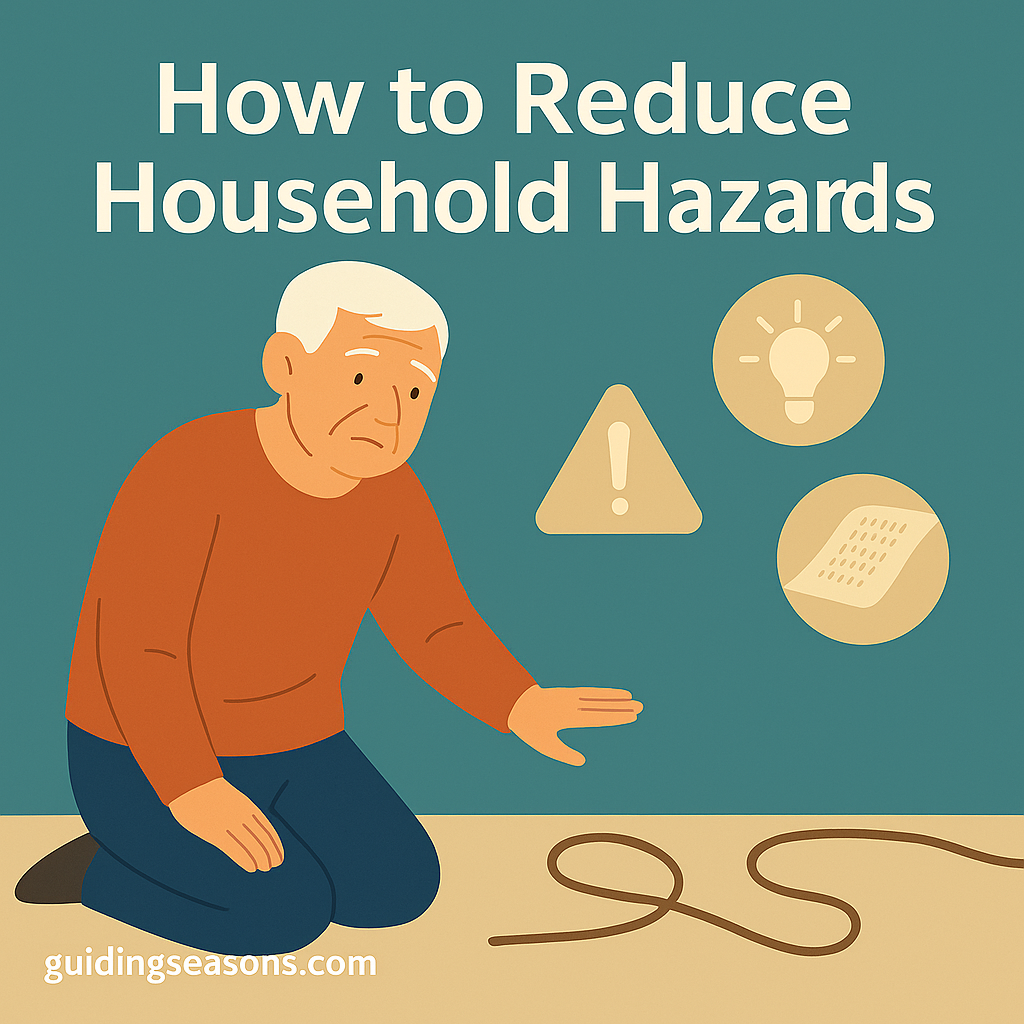
How to Reduce Household Hazards

Older man kneeling near a loose electrical cord with safety icons such as a warning symbol, lightbulb, and nonslip mat.
Illustration of a senior man identifying household hazards like loose cords, with icons representing home safety tips.

A safe home supports independence, comfort, and peace of mind—especially as you age. While many household hazards seem small, they can quickly lead to falls, injuries, or emergencies if not addressed. The good news? With a few simple adjustments, you can create a safer living environment that protects your well-being every day.

Here’s a senior-friendly guide to reducing common household hazards.

Continue reading “How to Reduce Household Hazards”
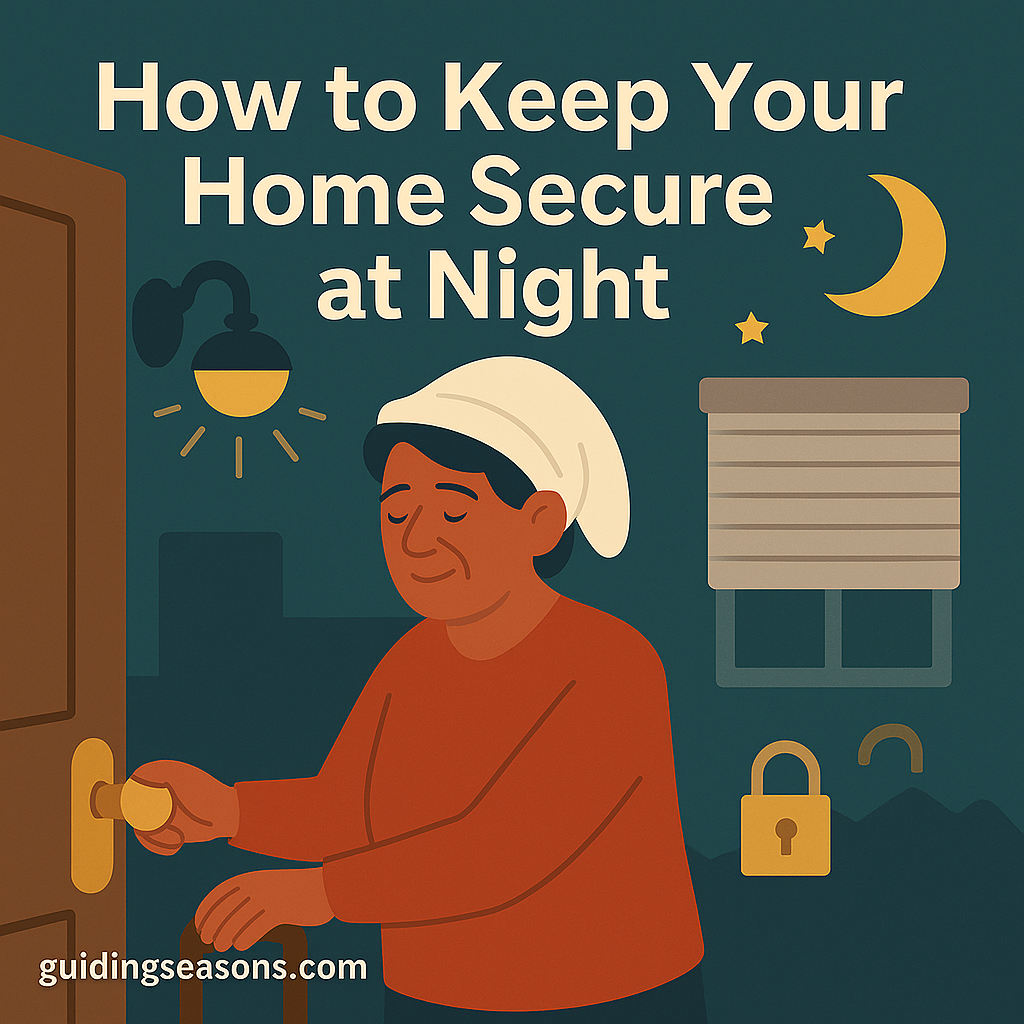
How to Keep Your Home Secure at Night

Older woman locking her front door at night with icons of a moon, stars, window blinds, and a padlock representing nighttime home security.
Illustration of an older woman securing her home at night with supportive safety icons.

Feeling safe at home is essential—especially at night, when visibility is low and many people feel more vulnerable. Thankfully, with a few simple habits and affordable tools, seniors can significantly increase home security and enjoy peaceful sleep. You don’t need expensive systems or complicated technology to protect your home. Just a little planning can go a very long way.

Here’s a senior-friendly guide to keeping your home secure at night.

Continue reading “How to Keep Your Home Secure at Night”

How to Improve Home Accessibility

Group of older adults using mobility aids such as a wheelchair and canes, demonstrating home accessibility improvements.
Older adults using mobility aids to illustrate practical ways to improve home accessibility.

Improving home accessibility is one of the most meaningful ways to stay safe, independent, and comfortable as you age. Small adjustments can make moving around easier, prevent falls, and help you enjoy your home without unnecessary strain. Whether you want to upgrade your entire space or make simple changes over time, creating an accessible home is a gift to your future self.

Here’s a clear, senior-friendly guide to making your home safer and easier to navigate.

Continue reading “How to Improve Home Accessibility”

How to Install Grab Bars the Right Way

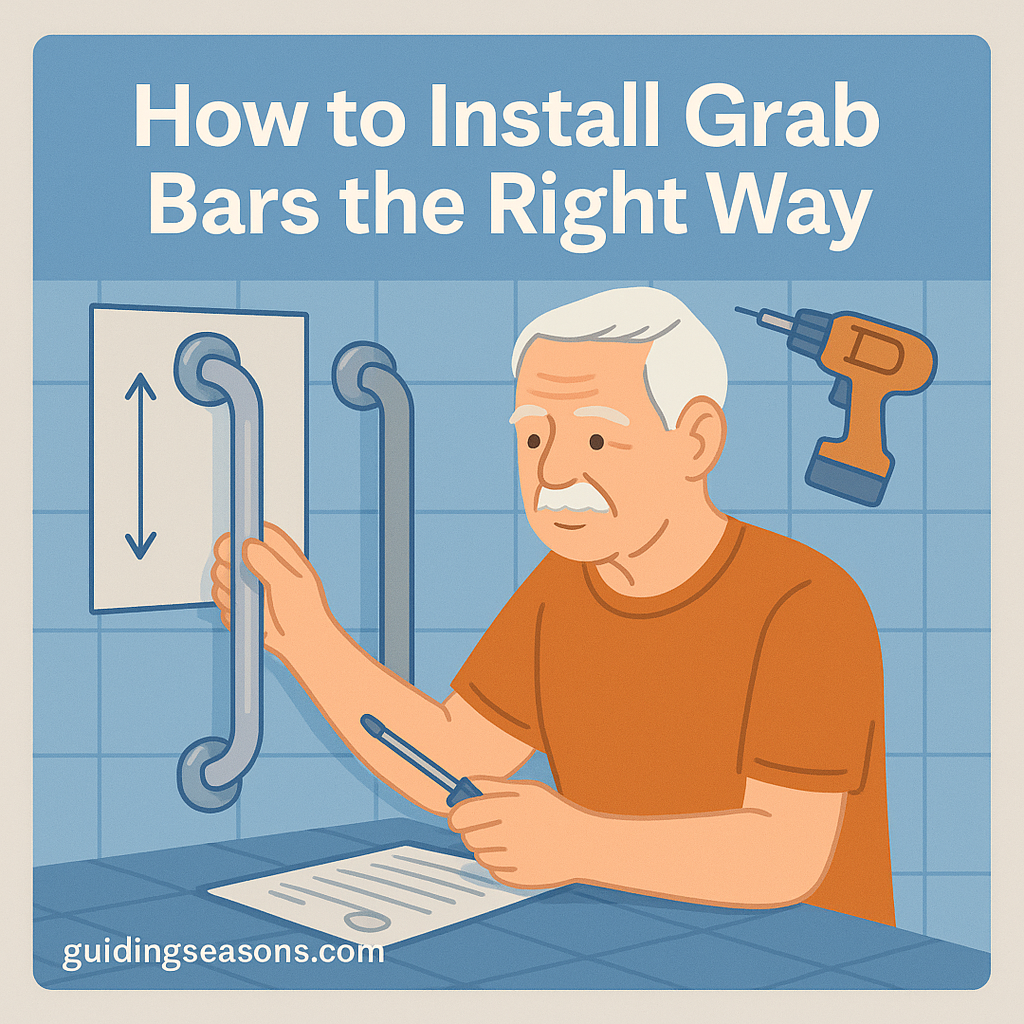
Older man installing a bathroom grab bar using a screwdriver, with an instruction diagram and drill nearby.
Older man properly installing a secure grab bar using tools and a simple instruction diagram.

Installing grab bars is one of the simplest and most effective ways to make your home safer as you age. Whether you want to reduce the risk of slips in the bathroom, add support near steps, or make it easier to get in and out of bed, properly installed grab bars can provide stability and confidence. The key is making sure they’re installed the right way—secure, sturdy, and positioned where they’ll help most.

Here’s a clear, senior-friendly guide to installing grab bars safely and correctly.

Continue reading “How to Install Grab Bars the Right Way”

How to Childproof Your Home for Grandkids

Older woman placing a corner protector on a coffee table while childproofing her home for visiting grandkids.
Older woman childproofing her living room to create a safe space for her grandkids.

When grandkids come to visit, your home becomes a place of joy, laughter, and precious memories. But it can also present unexpected safety hazards—especially if young children aren’t used to the environment. Childproofing your home doesn’t have to be complicated or expensive. A few simple adjustments can help keep your grandkids safe while giving you peace of mind.

Here’s how to prepare your home so children can play safely and comfortably during their visits.

Continue reading “How to Childproof Your Home for Grandkids”

How to Organize a Safe Living Environment

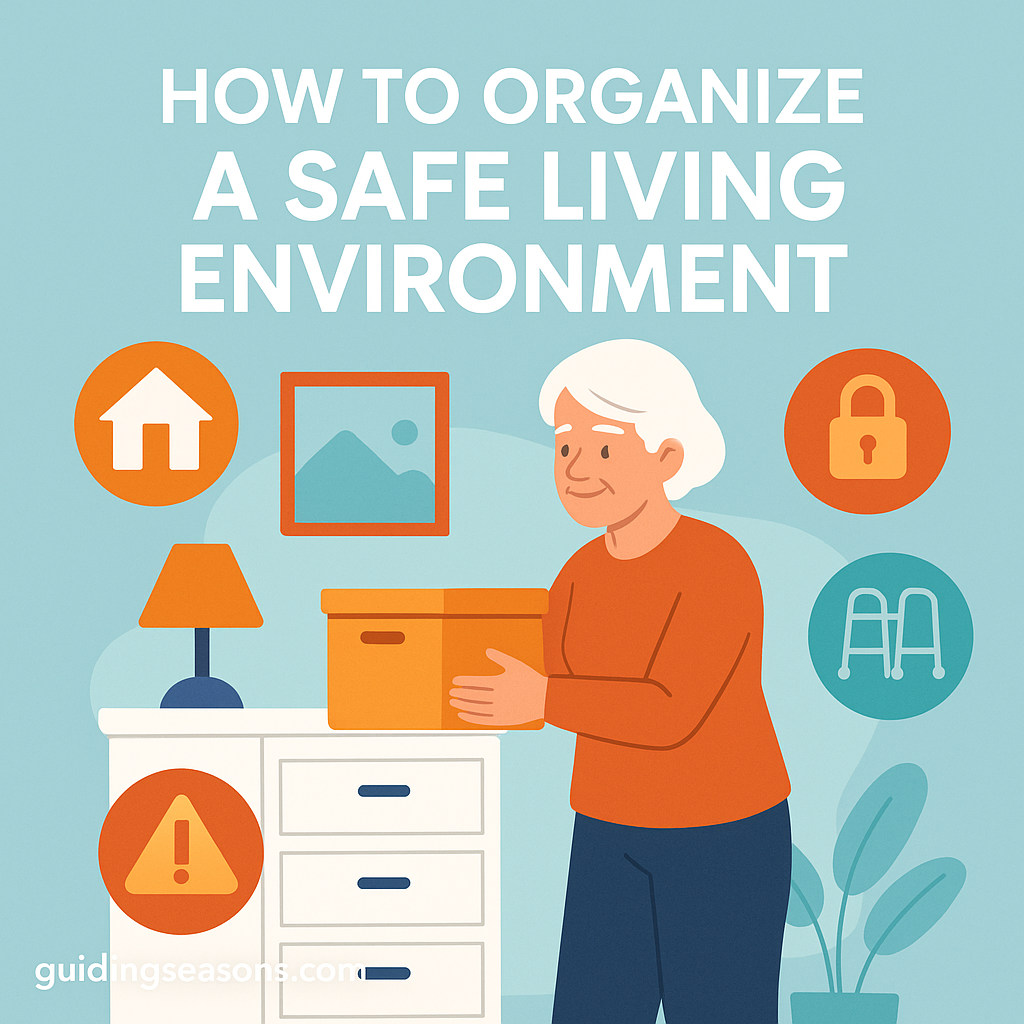
Older woman organizing a storage box in a well-lit room with icons representing home safety around her.
Older woman organizing her living space with simple safety improvements.

A safe home is essential for independence, confidence, and peace of mind as we age. Small hazards in the home—like clutter, poor lighting, or hard-to-reach items—can increase the risk of falls, injuries, and daily frustration. The good news? Creating a safer living environment doesn’t require major renovations. Simple, thoughtful changes can make your home easier to navigate and much more secure.

Here’s how to organize a home that supports comfort, safety, and long-term well-being.

Continue reading “How to Organize a Safe Living Environment”

Safety Tips for Seniors Living Alone

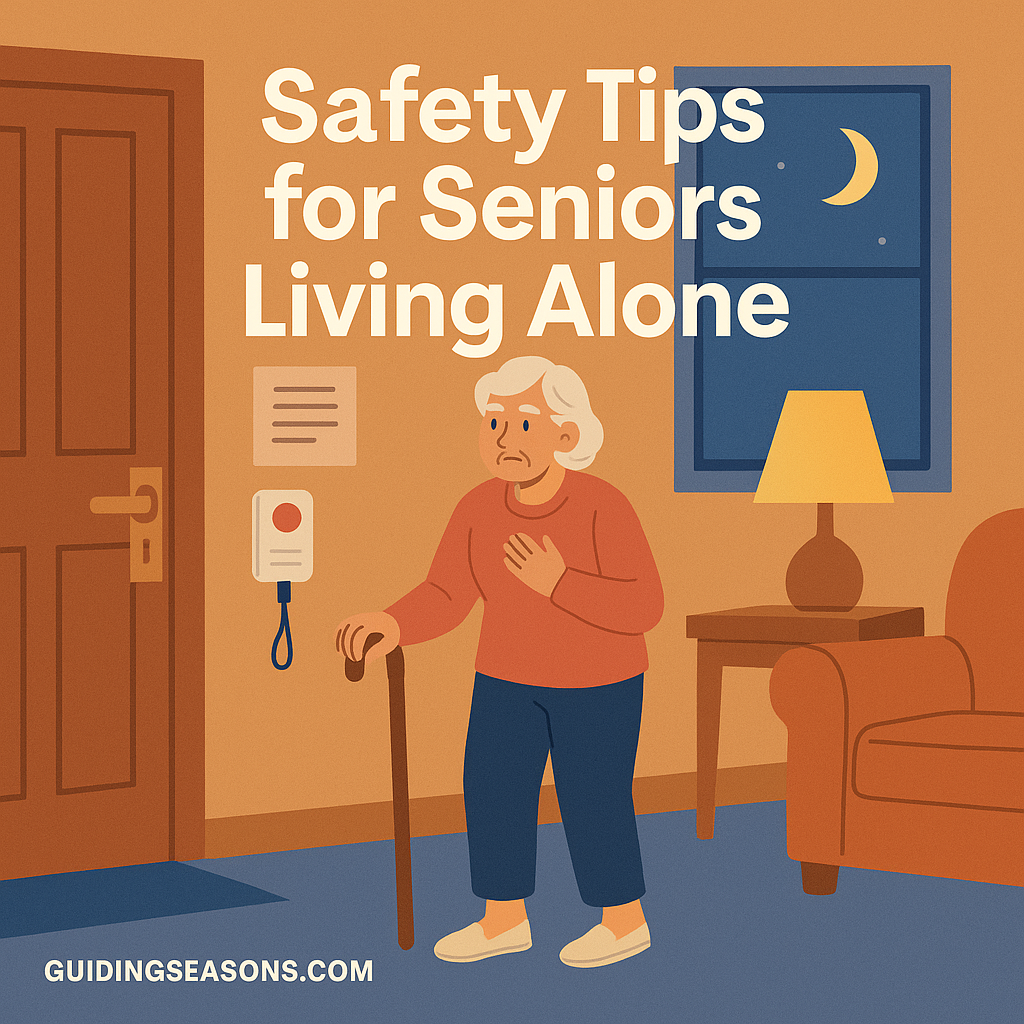
Older woman standing in her living room at night holding a cane with safety devices nearby.
Older woman using safety devices and precautions while living alone.

Living alone offers independence, comfort, and freedom—but it also requires extra attention to safety. As we age, small hazards can become bigger risks, and simple changes can make daily life significantly safer.

Whether you’re living alone or supporting an older loved one who is, these practical safety tips help promote confidence, security, and peace of mind.

Continue reading “Safety Tips for Seniors Living Alone”

How to Choose Reliable In-Home Care

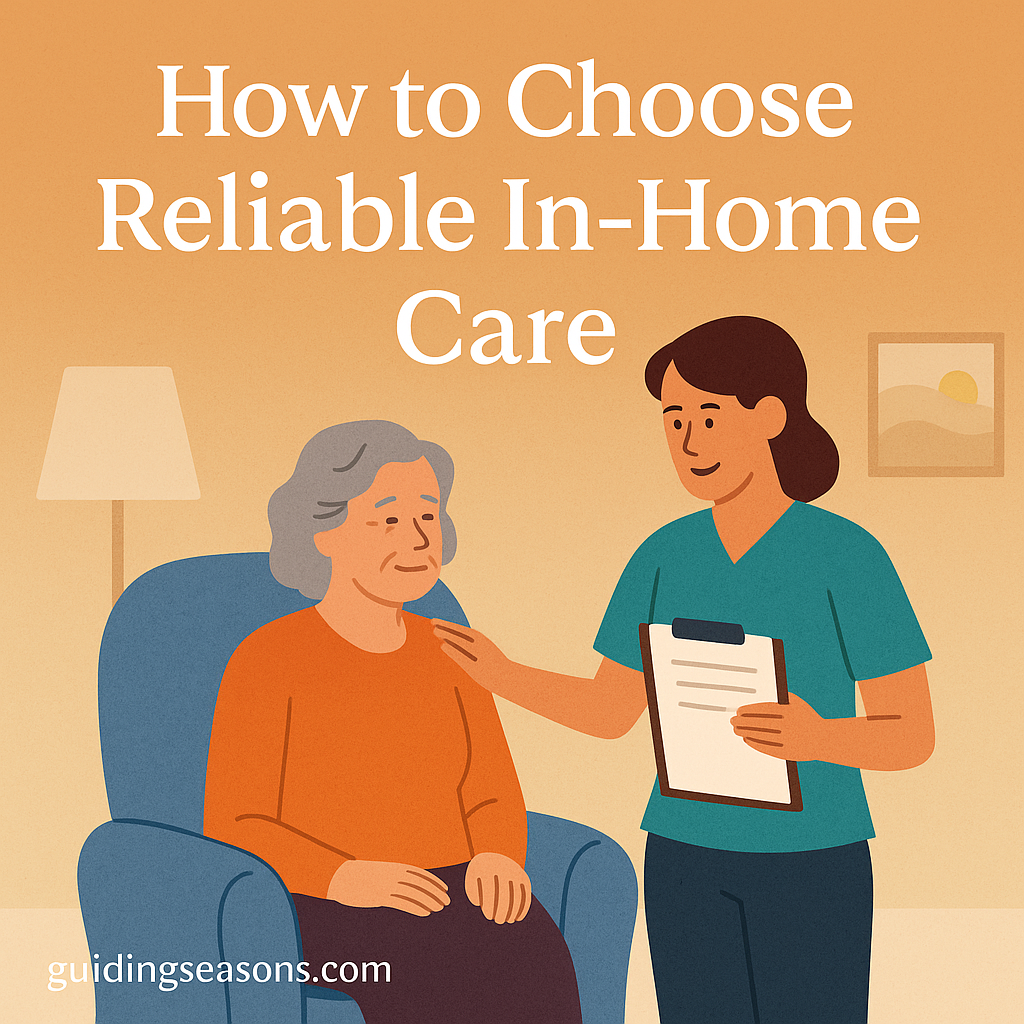
Caregiver speaking with a senior woman sitting in an armchair during an in-home care visit.
Caregiver supporting a senior woman during an in-home care visit.

Finding reliable in-home care is one of the most important decisions families make as loved ones age. The right caregiver can provide comfort, safety, and companionship—while the wrong match can create stress, confusion, or risk.

This guide walks you through exactly what to look for, what to ask, and how to feel confident in choosing care you can trust.

Continue reading “How to Choose Reliable In-Home Care”

Emergency Preparedness Tips for Seniors

Older man assembling an emergency preparedness kit at home, placing a first-aid kit into a bag with water, a flashlight, medications, and important documents nearby, with the title “Emergency Preparedness Tips for Seniors” above
An older man prepares an emergency kit with essential supplies, illustrating practical safety steps seniors can take to stay ready for unexpected situations.

Emergencies can happen unexpectedly — from power outages and severe weather to medical situations or natural disasters. For seniors, preparing ahead of time is one of the most effective ways to stay safe, calm, and confident when unexpected events occur. With a clear plan, the right supplies, and support from loved ones, you can face emergencies with much greater peace of mind.

Here are practical, senior-friendly tips to help you prepare for emergencies before they happen.

Continue reading “Emergency Preparedness Tips for Seniors”

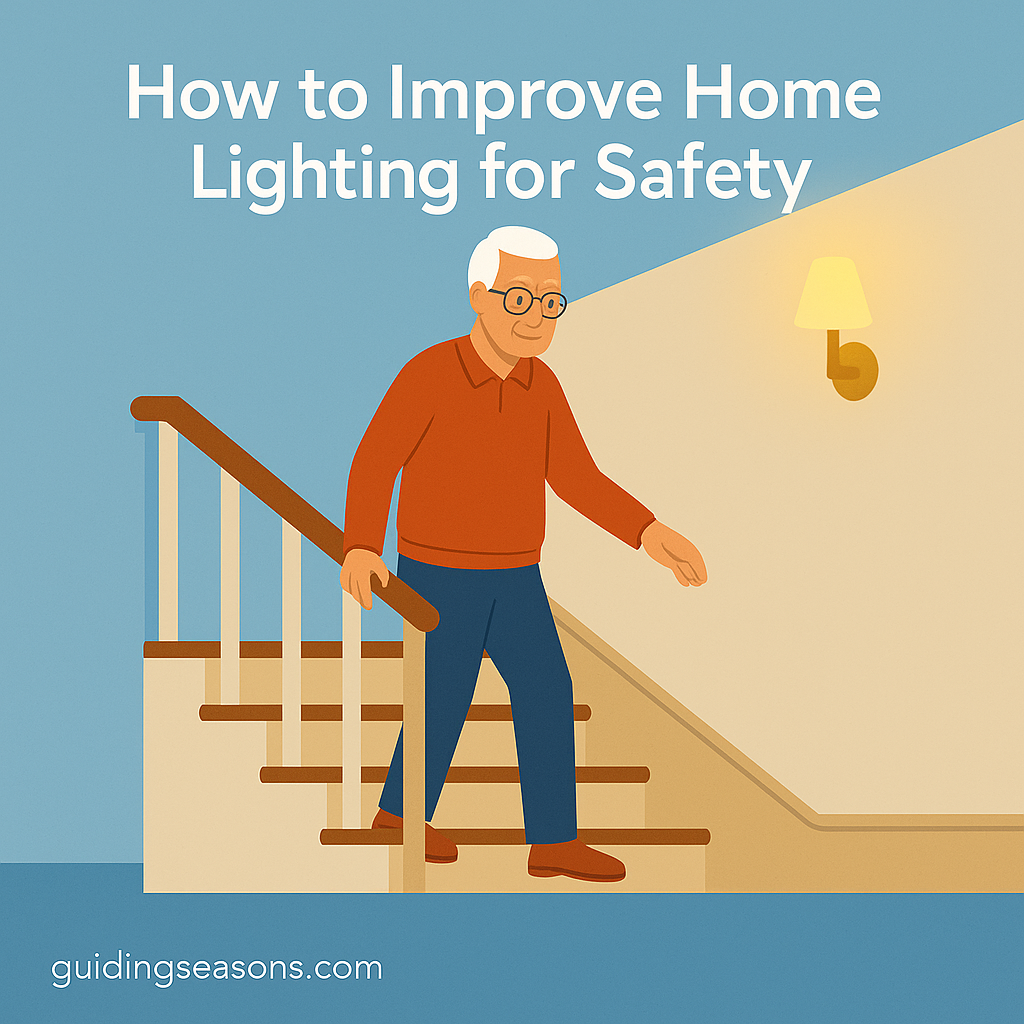
How to Improve Home Lighting for Safety

Older man walking safely down a well-lit staircase while holding the handrail, with a wall sconce illuminating the area and the title “How to Improve Home Lighting for Safety” displayed above.
An older man descends a brightly lit staircase, demonstrating how proper home lighting improves safety and reduces fall risks.

Good lighting plays a huge role in staying safe, confident, and comfortable at home — especially as you get older. As vision changes with age, dim or uneven lighting can increase the risk of falls, make everyday tasks harder, and cause eye strain or fatigue. The good news is that improving home lighting doesn’t have to be complicated or expensive. Simple updates can make your home brighter, clearer, and much easier to navigate.

Here are practical ways to improve home lighting for better safety and peace of mind.

Continue reading “How to Improve Home Lighting for Safety”