Getting nutritious meals every day can become more challenging as you age. Grocery shopping may require more energy, transportation can become difficult, and cooking for one or two people may no longer feel worthwhile. Health conditions or limited mobility can make meal preparation even harder.
Fortunately, older adults have more options than many people realize.
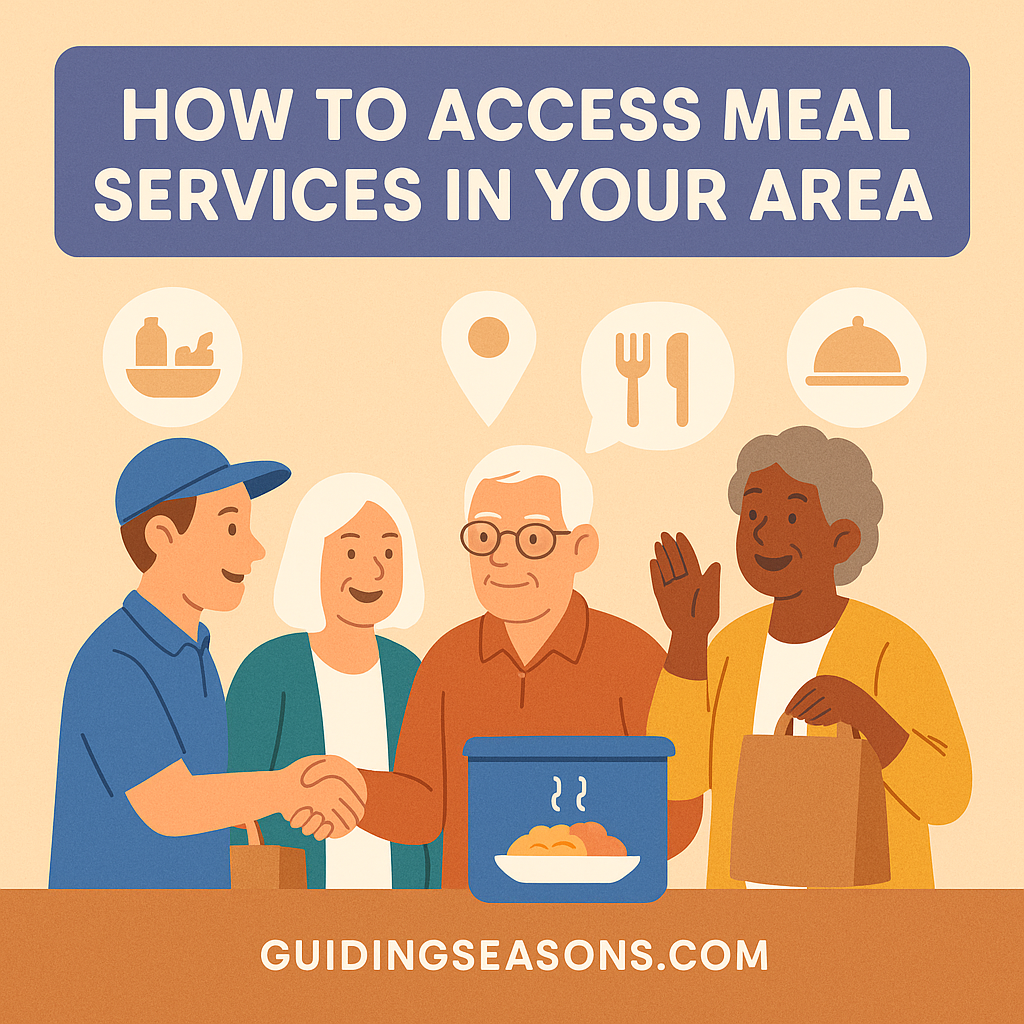
Depending on where you live, you may be able to receive meals at home, eat at a local senior center, get help paying for groceries, arrange grocery delivery, or use a private prepared-meal service. Some programs are free, while others request a voluntary contribution or charge a regular fee.
The U.S. Administration for Community Living (ACL) reports that the national Senior Nutrition Program serves nearly 1 million meals each day through about 5,000 local providers. These programs include both community-based meals and home-delivered services.
Finding the right option starts with understanding what’s available and knowing where to ask.
Start With Your Local Aging Services Network
One of the best starting points is your local Area Agency on Aging, often called an AAA, or the aging-services organization serving your community.
Area Agencies on Aging coordinate or connect older adults with a wide range of local resources. Depending on your community, these may include home-delivered meals, senior dining programs, transportation, caregiver support, benefits counseling, nutrition services, and other assistance.
You don’t necessarily need to know exactly which program you need before calling.
Explain your situation instead.
For example:
“I’m 74, live alone, and I’m having difficulty grocery shopping and preparing dinner. I’m looking for affordable meal delivery two or three days a week. What programs are available in my area?”
Providing specific information makes it easier for staff to determine which services might be appropriate.
Ask about eligibility requirements, costs, waiting lists, delivery schedules, meal locations, and whether transportation is available to community dining sites.
Look Into Home-Delivered Senior Meals
Home-delivered meals can be particularly helpful for older adults who have difficulty shopping, cooking, or regularly leaving home.
Meals may be delivered hot, refrigerated, frozen, or in a combination of formats depending on the local provider.
Many people know these services by the name “Meals on Wheels,” although individual programs are operated by numerous local organizations across the country.
Home-delivered meal programs may provide more than food. Regular delivery can also create an opportunity for social interaction and an informal wellness check.
The Administration for Community Living describes home-delivered nutrition programs as providing nutritious meals along with social connection and regular wellness checks for older adults.
Eligibility and availability vary locally, so don’t assume you either qualify or don’t qualify based solely on income.
Contact the program serving your area and ask.
Understand How Senior Nutrition Programs Work
Some meal programs for older adults receive support through the Older Americans Act.
These programs are designed to help reduce hunger, food insecurity, and malnutrition while promoting health, independence, and social connection.
The Senior Nutrition Program generally serves adults age 60 and older, with certain other people potentially eligible depending on their circumstances. Local programs can establish procedures and prioritize people with greater economic or social needs.
Another important point is nutritional quality.
Meals provided through Older Americans Act nutrition programs are designed to follow applicable nutrition requirements. ACL says meals are intended to adhere to the current Dietary Guidelines for Americans and provide at least one-third of applicable Dietary Reference Intakes when one meal is provided.
That’s one reason senior nutrition programs can be different from simply ordering restaurant takeout.
Visit Senior Centers for Community Meals
If you’re able to leave home comfortably, a congregate—or community—meal program may be another good choice.
These meals are served in group settings such as senior centers, community facilities, faith-based locations, and other gathering places.
The meal itself is only part of the experience.
Community dining gives older adults an opportunity to meet people, participate in activities, learn about other services, and maintain a regular reason to leave the house.
That social component can be particularly valuable for someone who lives alone.
According to ACL’s 2024 survey data, 74% of responding congregate-meal participants said they ate healthier because of the program, while 75% said the program helped them live independently.
Ask your local senior center about meal schedules, reservations, transportation, suggested contributions, and eligibility.
You may discover additional activities you’d like to attend while you’re there.
Consider a Combination of Home and Community Meals
You don’t necessarily have to choose between eating at a senior center and having meals delivered.
Depending on local program rules and your circumstances, different services may help cover different needs.
For example, imagine an older adult named Robert who enjoys cooking but finds it exhausting to prepare every meal.
Instead of replacing cooking completely, Robert could prepare his own breakfast, attend a senior-center lunch twice a week, receive several home-delivered meals, and use grocery delivery once every two weeks for fruit, milk, bread, and other staples.
This approach preserves independence while reducing the amount of shopping and cooking required.
Think about meal services as tools rather than an all-or-nothing decision.
Check Churches, Food Pantries, and Community Organizations
Not every meal program is operated by a government agency.
Churches, synagogues, temples, community organizations, food banks, and nonprofit groups may provide meals or groceries.
Programs can include community dinners, food pantries, grocery boxes, holiday meals, emergency food assistance, and volunteer-delivered meals.
Some programs serve everyone in the community, while others have age, income, residency, or other eligibility requirements.
Local programs can be especially valuable in communities where transportation options or large senior programs are limited.
Ask your senior center or local aging-services organization whether they maintain a list of community food resources.
See Whether SNAP Can Help With Groceries
Meal delivery isn’t the only form of nutrition assistance.
Older adults with limited income and resources may qualify for the Supplemental Nutrition Assistance Program, commonly known as SNAP.
SNAP benefits are generally provided through an Electronic Benefits Transfer, or EBT, card that can be used to purchase eligible foods from participating retailers.
Don’t assume that retirement automatically makes you ineligible.
Eligibility depends on factors established under program rules, and there can be special considerations affecting households with older adults or people with disabilities.
If you’re struggling to afford groceries, check your state’s current eligibility requirements or ask a benefits counselor to help you determine whether applying makes sense.
SNAP can also work alongside other senior nutrition resources, depending on eligibility.
Ask About the Commodity Supplemental Food Program
Another resource worth investigating is the Commodity Supplemental Food Program, commonly called CSFP.
The program helps supplement the diets of eligible low-income adults age 60 and older with nutritious USDA foods.
CSFP doesn’t provide a complete diet. Instead, it supplements the foods a participant already has.
Availability varies geographically, and participation depends on eligibility and whether the program operates in your area.
A local food bank, aging-services agency, or state agency can help determine whether CSFP is available where you live.
Ask Your Health Insurance Plan About Meal Benefits
Health insurance may occasionally provide another source of meal assistance.
Some Medicare Advantage plans, Medicaid programs, and other health plans may offer meal-related benefits under particular circumstances.
For example, certain plans may provide a limited number of prepared meals after a hospital stay or as part of benefits designed for eligible members with specific health needs.
Benefits aren’t universal.
Don’t assume that because a friend receives meal deliveries through a health plan, your plan provides the same service.
Call the member-services number listed on your insurance card and ask specifically about meal or nutrition benefits.
Useful questions include:
- Are prepared meals covered under my plan?
- What eligibility requirements apply?
- How many meals are included?
- Is the benefit temporary or ongoing?
- Does it apply after hospitalization?
- Are special dietary options available?
- Do I need a doctor’s referral?
Knowing exactly what’s covered can prevent unexpected costs.
Consider Private Prepared-Meal Services
If you don’t qualify for community programs—or simply want more flexibility—commercial meal-delivery services are another option.
Some companies specialize in prepared meals, while others provide meal kits that still require some cooking.
Services may offer options designed around dietary preferences such as lower-sodium, heart-conscious, vegetarian, or carbohydrate-conscious eating.
Before subscribing, compare more than the advertised price.
Look at the cost per meal, delivery charges, minimum orders, subscription requirements, cancellation policies, portion sizes, ingredient information, and preparation instructions.
If you’re following a medically prescribed diet, discuss appropriate food choices with your doctor or registered dietitian rather than assuming a meal labeled “healthy” meets your individual needs.
Private meal services can become expensive when used every day, so they may work best as one piece of a larger meal plan.
Use Grocery Delivery When You Still Enjoy Cooking
Some seniors don’t need prepared meals at all.
The real difficulty may be getting to the grocery store, carrying bags, or walking through a large supermarket.
In that situation, grocery delivery can preserve much of your existing routine.
You can continue choosing your own ingredients and preparing familiar meals without the physical demands of shopping.
Many supermarkets now provide online ordering, curbside pickup, or home delivery. Third-party grocery delivery platforms may provide additional choices depending on location.
If ordering online feels intimidating, ask a family member, friend, caregiver, or technology instructor to help you place your first order.
After you’ve saved your usual items, future orders can become much easier.
Don’t Overlook Prepared Foods at Grocery Stores
Another middle ground between cooking everything yourself and subscribing to a meal-delivery company is buying prepared foods from a supermarket.
Many grocery stores sell rotisserie chicken, soups, salads, cooked vegetables, sandwiches, and refrigerated entrées.
You can combine these with simple foods at home.
For instance, one prepared chicken might become dinner with vegetables on the first night, a chicken sandwich the following day, and part of a soup later in the week—provided leftovers are stored and handled safely.
This approach can reduce cooking without eliminating your control over what you buy.
Look for Volunteer Meal Programs
Smaller volunteer programs can sometimes provide services that aren’t widely advertised.
Neighborhood associations, nonprofits, religious organizations, community groups, and volunteer networks may deliver meals or groceries to older residents.
Some programs also include friendly visits or telephone check-ins.
Ask your library, senior center, local government office, food bank, community center, or place of worship about organizations operating nearby.
Even if the organization you contact doesn’t provide meals itself, staff may know who does.
Consider Your Dietary Needs Before Choosing a Service
Convenience is important, but the food also needs to work for you.
Before enrolling, ask for a sample menu if one is available.
Consider whether meals accommodate food allergies, chewing or swallowing difficulties, cultural preferences, vegetarian diets, diabetes management, kidney-related dietary restrictions, or sodium limitations.
Not every program can accommodate every specialized diet.
If you have a medical condition requiring dietary restrictions, ask your health care provider or registered dietitian what you should look for before selecting a meal program.
Ask About Delivery Details
Home delivery sounds straightforward, but practical details matter.
Ask which days meals arrive and whether someone must be home to receive them.
Find out whether meals arrive hot, refrigerated, frozen, or shelf-stable and how they should be stored.
You should also ask what happens during holidays or severe weather and whom to contact if a delivery doesn’t arrive.
If you have difficulty opening containers, lifting packages, or reheating meals, mention that when speaking with the provider.
A meal isn’t very useful if you can’t safely prepare or access it.
Compare the Real Cost of Different Options
Don’t evaluate a meal service based only on its listed meal price.
Consider transportation, delivery fees, tips, groceries that might otherwise go unused, and the time or physical effort involved in shopping and cooking.
Suppose grocery shopping costs you $70 per week plus $15 for transportation. If some of that food regularly spoils because you’re cooking for one, supplementing your groceries with several community or prepared meals could potentially reduce waste while making meals easier.
The cheapest option on paper isn’t necessarily the best value.
Likewise, paying for every meal through a private delivery company may be unnecessary if community resources can meet part of your needs.
Build a Weekly Meal Plan Using Several Resources
For many older adults, the most practical solution is a combination of services.
A weekly schedule might look something like this:
Monday and Wednesday could be home-delivered meals. Tuesday and Thursday might include lunch at the senior center. Friday could be a simple home-cooked dinner, while grocery delivery provides breakfast foods, fruit, snacks, and weekend ingredients.
That arrangement creates variety while reducing the burden of preparing 21 separate breakfasts, lunches, and dinners every week.
It also combines convenience with opportunities for social interaction and independence.
How to Start Your Search
You don’t have to research every available program at once.
Start with one phone call.
Contact the aging-services organization serving your area and explain what you’re looking for. Ask specifically about home-delivered meals, congregate meals, food assistance, and other nutrition programs.
You can also contact local senior centers, food banks, health plans, community organizations, and places of worship.
Write down each program’s name, phone number, eligibility requirements, cost, application process, and expected waiting time.
If a program has a waiting list, ask whether there are temporary alternatives.
When to Ask Someone for Help
Applications and benefit programs can sometimes be confusing.
There’s nothing wrong with asking someone to help you compare options, make phone calls, complete an application, or arrange your first delivery.
A trusted family member, friend, caregiver, social worker, benefits counselor, or aging-services professional may be able to help.
This can be especially useful when you’re trying to coordinate several programs at once.
Final Thoughts
Accessing meal services doesn’t mean giving up independence. In many cases, the opposite is true.
Having dependable access to nutritious food can make it easier to remain at home, maintain your routines, manage your energy, and continue participating in the activities you enjoy.
Your solution might be home-delivered meals five days a week. Or it might be lunch at a senior center twice a week, grocery delivery twice a month, and occasional help from family.
There isn’t one correct arrangement.
Start by identifying the part of eating well that’s becoming difficult. Is it paying for groceries? Getting to the store? Carrying groceries? Cooking? Eating alone? Following a special diet?
Once you know the problem you’re trying to solve, finding the right service becomes much easier.
Begin with your local aging-services network, explore the programs available in your community, and don’t hesitate to combine several resources. The goal is simple: reliable access to meals that are nutritious, enjoyable, affordable, and practical for your everyday life.