How to Maintain Curiosity as You Age

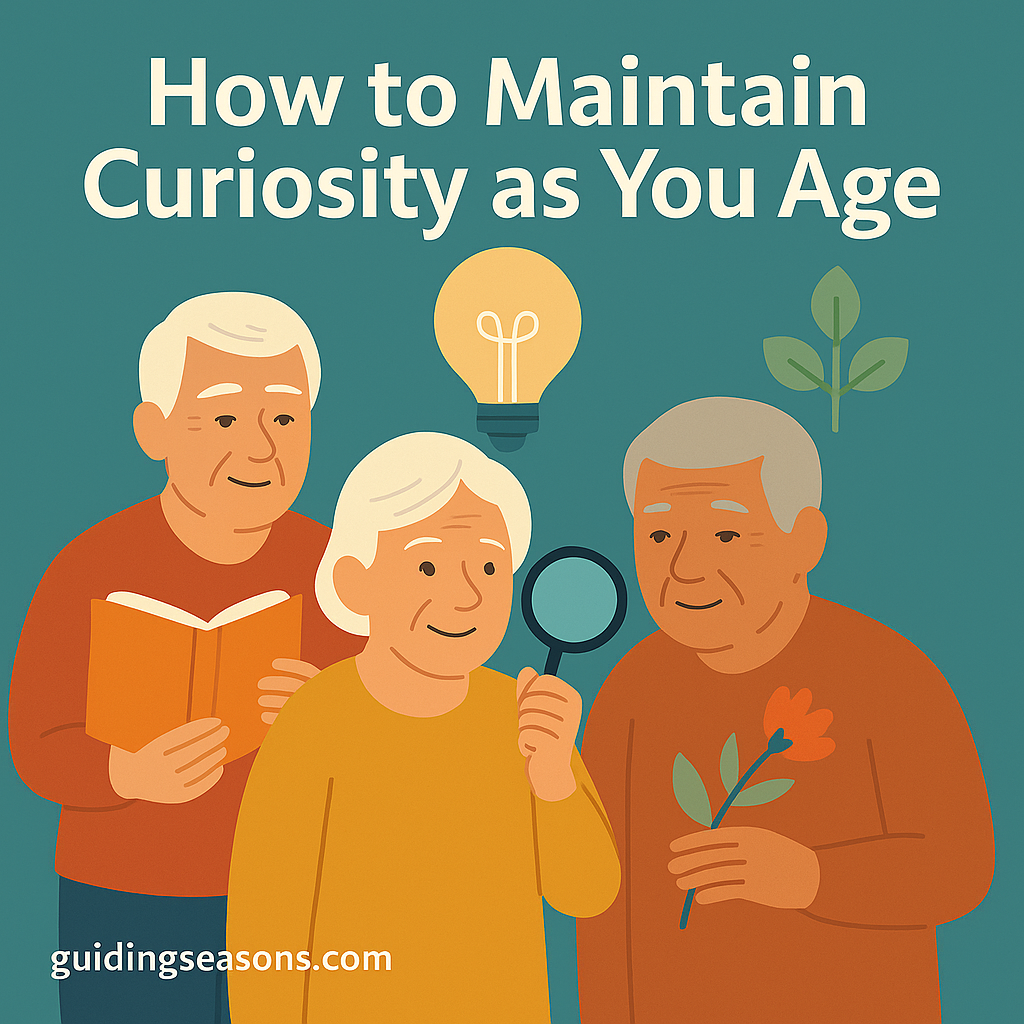
Three older adults exploring curious activities such as reading, examining a magnifying glass, and observing a flower, with idea and nature icons above them.
Seniors engaging in curious, exploratory activities to symbolize maintaining curiosity as you age.

Curiosity isn’t just for children—it’s a lifelong source of joy, growth, and purpose. As you age, staying curious keeps your mind active, enriches your days, strengthens your relationships, and helps you maintain a sense of wonder about the world. The great news? Curiosity doesn’t fade with age. It simply needs a little nurturing.

Here’s how to keep your curiosity alive and thriving later in life.

Continue reading “How to Maintain Curiosity as You Age”
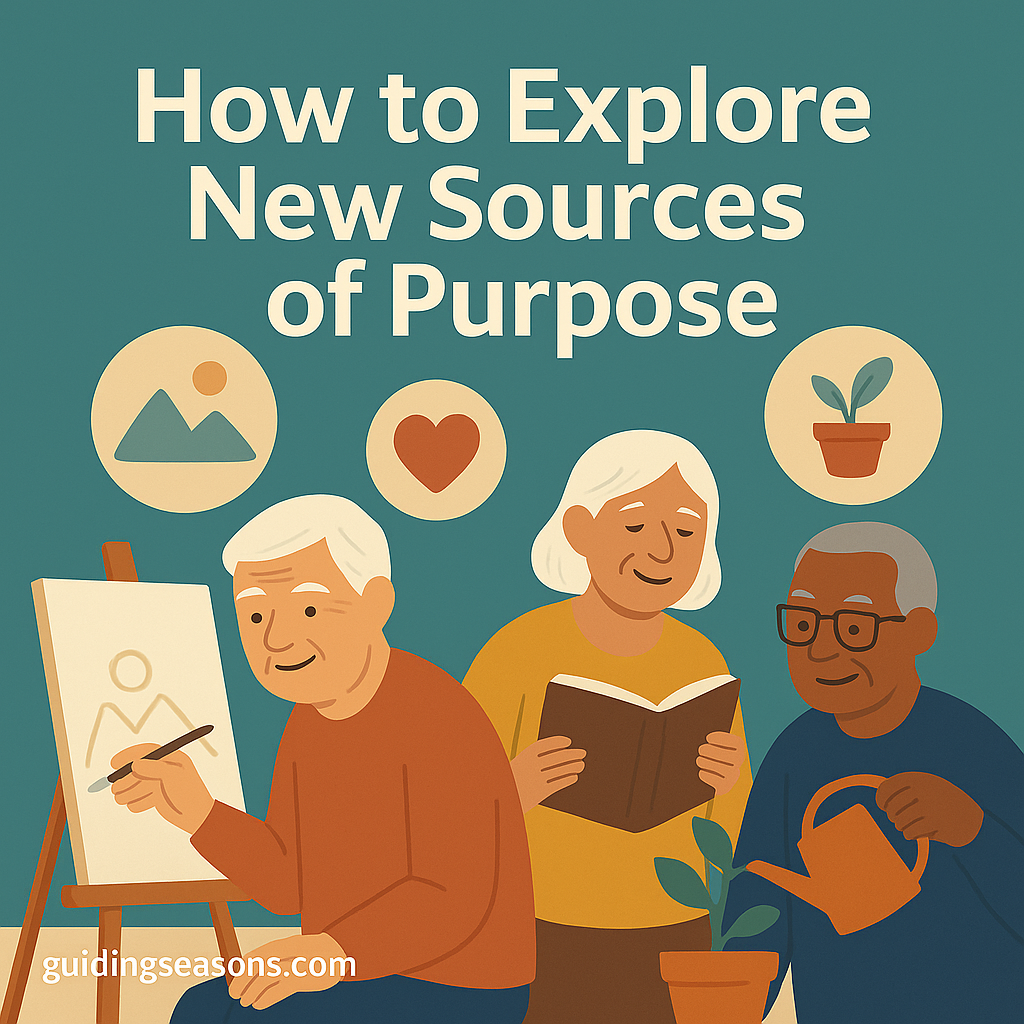
How to Explore New Sources of Purpose

Three older adults enjoying meaningful activities—painting, reading, and gardening—symbolizing new sources of purpose.
Seniors exploring new sources of purpose through creative and fulfilling activities.

Finding purpose isn’t limited to any one stage of life. In fact, many seniors discover new meaning, passions, and motivations in their later years—sometimes deeper and more fulfilling than ever before. Whether you’re transitioning into retirement, adjusting to lifestyle changes, or simply seeking a new sense of direction, exploring fresh sources of purpose can bring joy, energy, and meaning to your daily life.

Here’s a warm, senior-friendly guide designed to help you reconnect with what matters most.

Continue reading “How to Explore New Sources of Purpose”

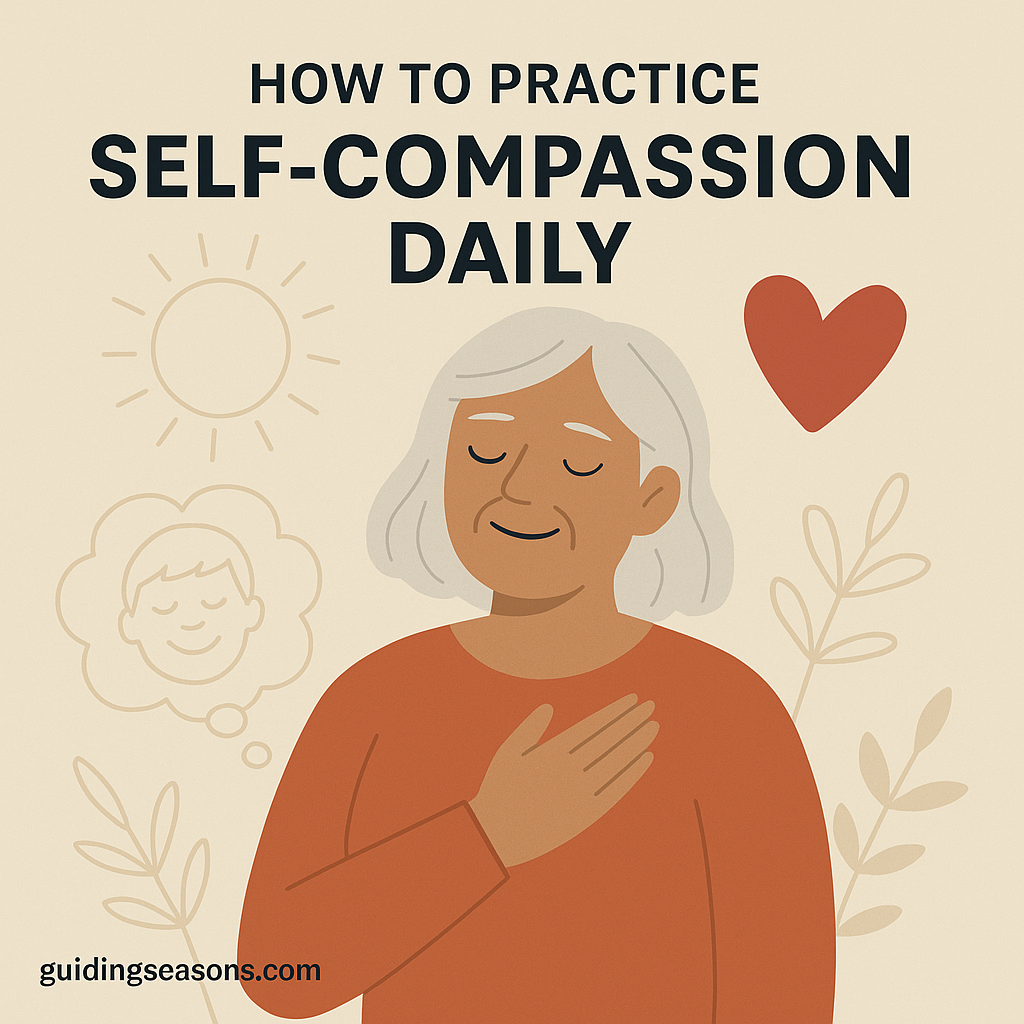
How to Practice Self-Compassion Daily

Older woman with her hand over her heart, surrounded by calm symbols like a heart and sun, practicing daily self-compassion.
Older woman practicing daily self-compassion with calming symbolic illustrations around her.

Self-compassion isn’t just a feel-good idea—it’s a powerful daily practice that supports emotional well-being, reduces stress, and strengthens resilience as you age. Many people were raised to be hard on themselves, but learning to treat yourself with the same kindness you offer others can completely transform how you handle challenges, mistakes, and everyday frustrations.

Here’s a simple, senior-friendly guide to embracing self-compassion one day at a time.

Continue reading “How to Practice Self-Compassion Daily”

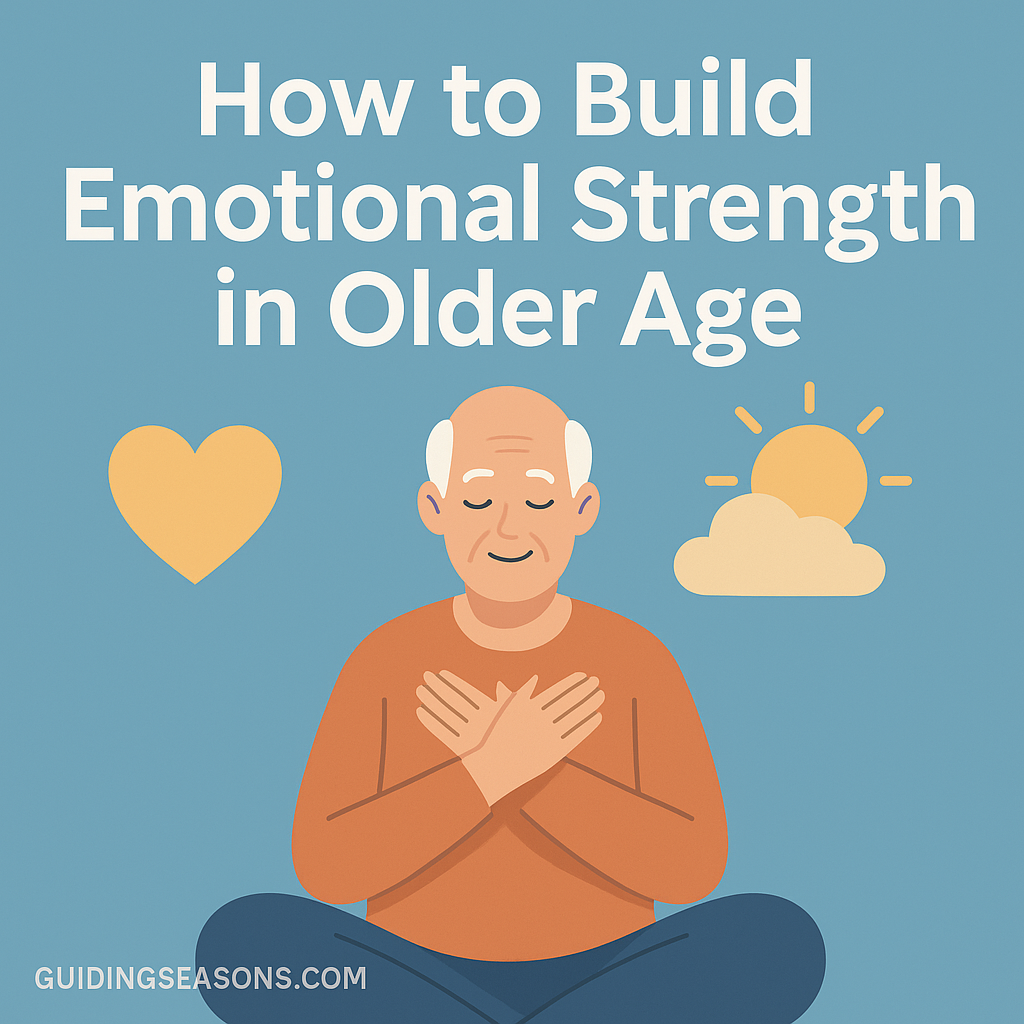
How to Build Emotional Strength in Older Age

Older man sitting peacefully with hands over his chest, surrounded by calm symbols like a heart and sun to represent emotional strength.
Older man practicing calming techniques to build emotional strength in older age.

Emotional strength isn’t about “toughing it out.” It’s about developing resilience, inner peace, and the ability to handle life’s challenges with clarity and confidence. As we grow older, new transitions—like retirement, health changes, shifting roles, or loss—can test our emotional well-being. But with the right habits and mindset, emotional strength can actually grow with age.

Here’s how to build emotional resilience and cultivate a steady, grounded sense of well-being in your later years.

Continue reading “How to Build Emotional Strength in Older Age”

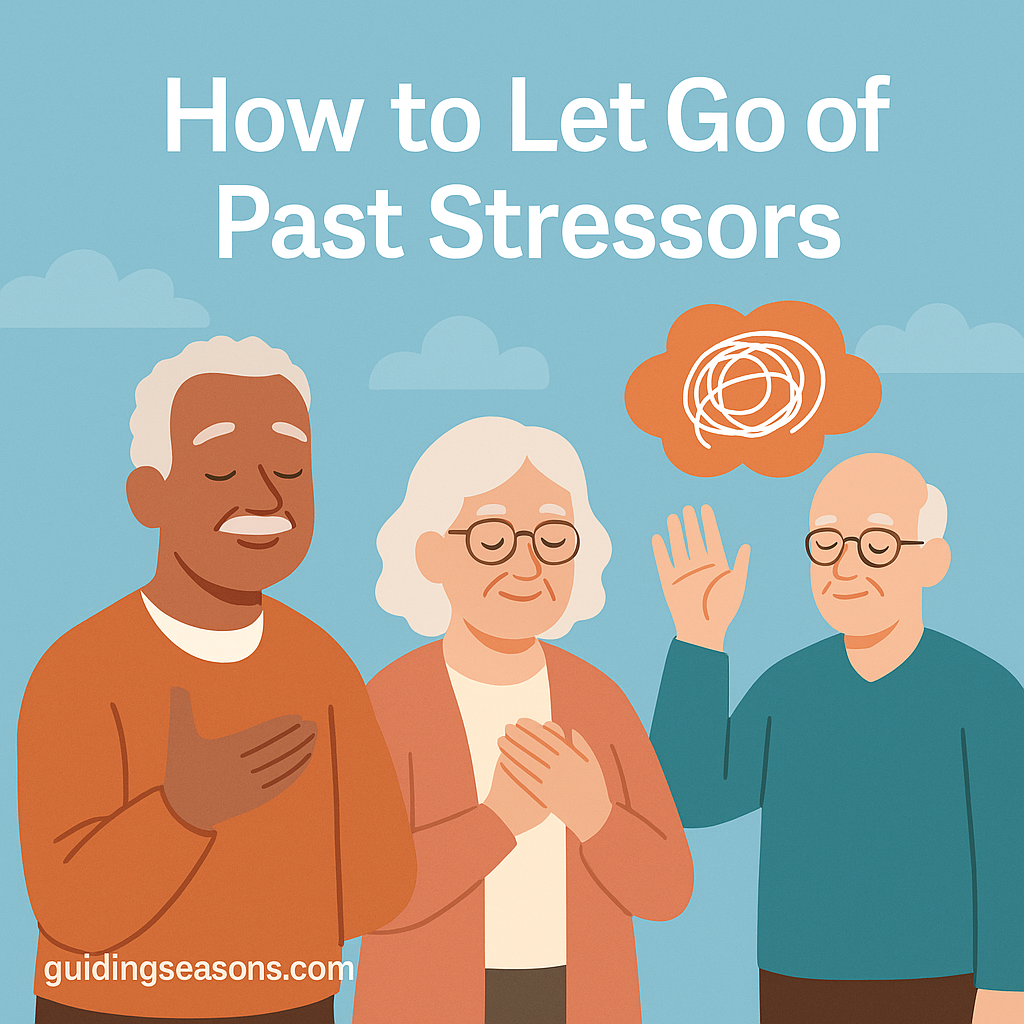
How to Let Go of Past Stressors

Three older adults practicing calming gestures with an illustrated stress cloud floating above them.
Older adults practicing calming techniques as they learn to let go of past stressors.

As we move into new chapters of life—especially during retirement—it’s common for old stressors to linger in the background. Past worries, regrets, or emotional burdens can make it harder to enjoy the present. Letting go doesn’t mean forgetting what happened—it means releasing what no longer supports your peace, growth, or well-being.

Here are compassionate, practical ways to let go of past stressors and make room for a lighter, more fulfilling life.

Continue reading “How to Let Go of Past Stressors”

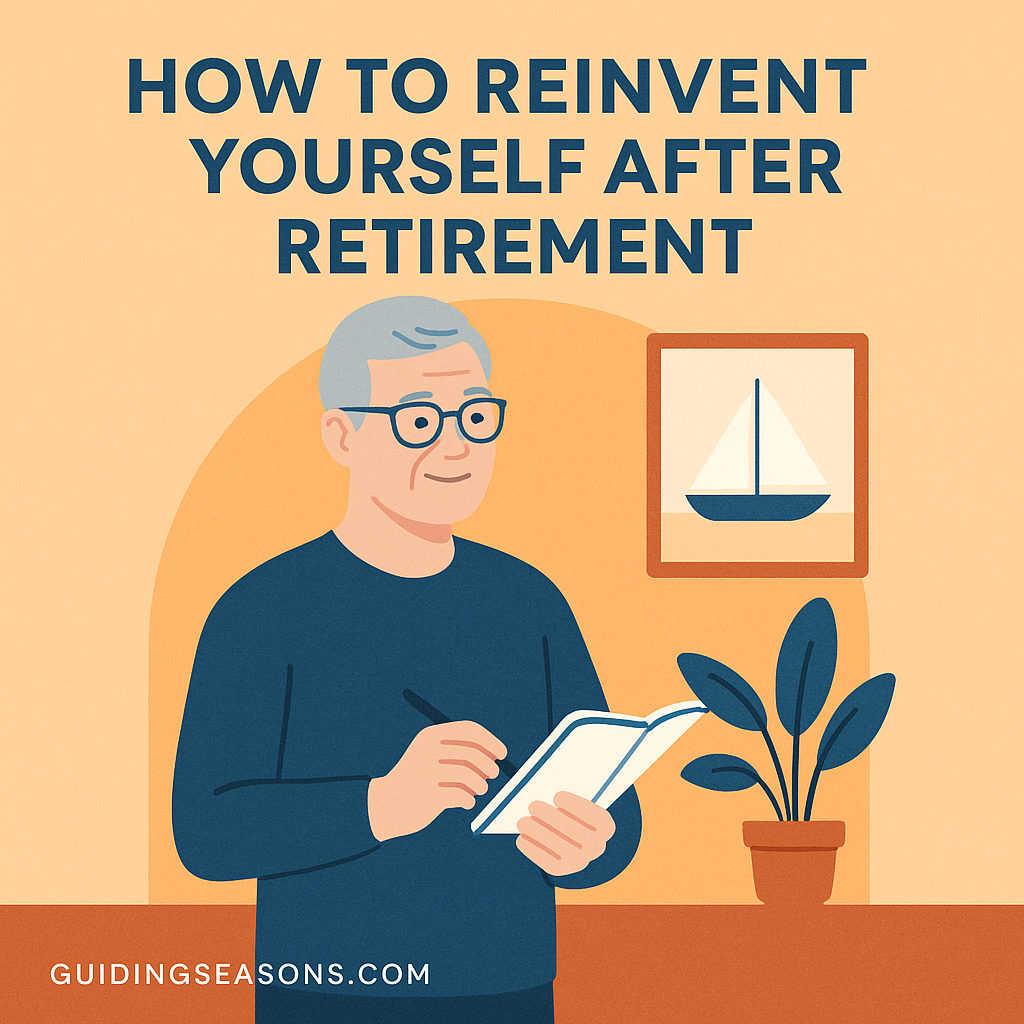
How to Reinvent Yourself After Retirement

Older man smiling while writing in a notebook as he plans his next chapter after retirement.
Older man reflecting and planning how to reinvent himself in retirement.

Retirement isn’t the end of your identity—it’s the beginning of a new, open chapter. For the first time in decades, your days are fully your own, and that freedom brings a powerful opportunity: the chance to reinvent yourself.

Whether you want to explore new interests, rediscover forgotten passions, or redefine your purpose, this new season of life is filled with possibility. Here’s how to embrace reinvention with confidence and excitement.

Continue reading “How to Reinvent Yourself After Retirement”

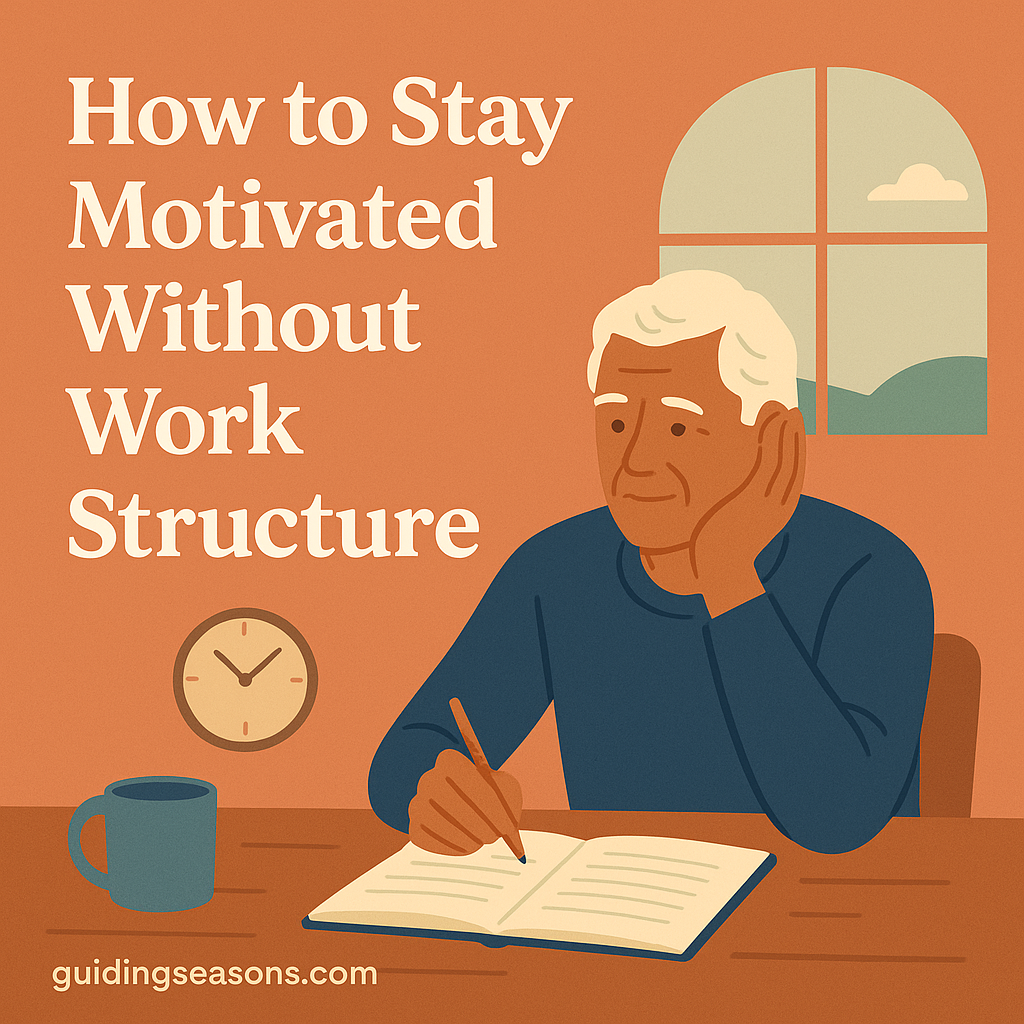
How to Stay Motivated Without Work Structure

Older man writing in a notebook while reflecting at a table with a clock and window nearby.

Whether you’re newly retired, transitioning out of a long career, or simply adjusting to a lifestyle with more free time, losing the built-in structure of work can feel surprisingly disorienting. Many seniors enjoy the freedom—but also notice dips in motivation, focus, or sense of purpose.

The good news? You can create a fulfilling rhythm that keeps you energized and connected, even without a traditional workday. Here’s how to stay motivated and make each day feel meaningful.

Continue reading “How to Stay Motivated Without Work Structure”

How to Cope With Life Transitions Gracefully

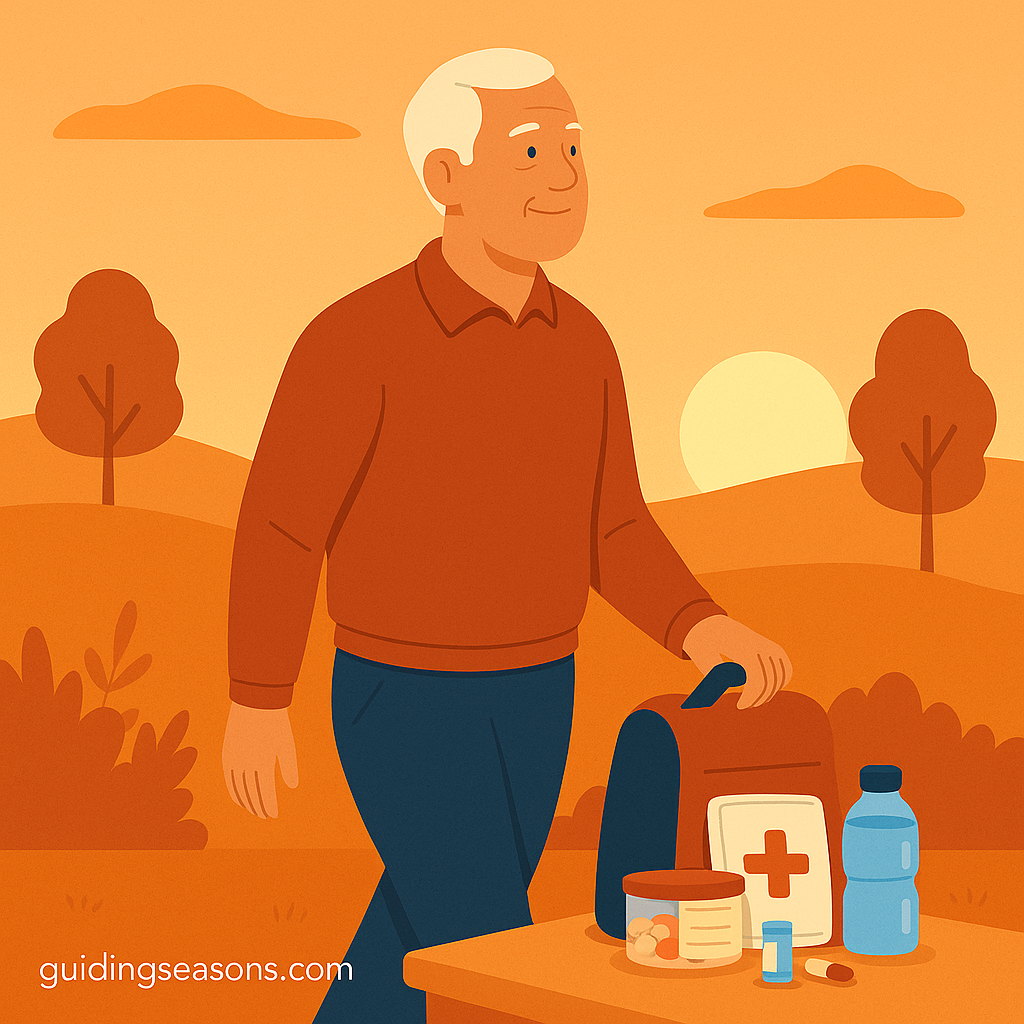
Older man taking a calming walk outdoors during sunset, surrounded by warm orange landscape tones, with the title “How to Cope With Life Transitions Gracefully” above.
An older man walks peacefully at sunset, symbolizing calm, reflection, and resilience during life transitions.

Life is full of transitions — retirement, health changes, moving to a new home, shifting family roles, or the loss of familiar routines. While these changes can bring uncertainty, they can also open the door to new opportunities, growth, and deeper self-understanding. Coping gracefully doesn’t mean pretending everything is easy; it means allowing yourself to adjust at your own pace while finding strength, hope, and stability along the way.

Here are gentle, practical ways to navigate life transitions with resilience and grace.

Continue reading “How to Cope With Life Transitions Gracefully”

How to Develop a Positive Aging Mindset

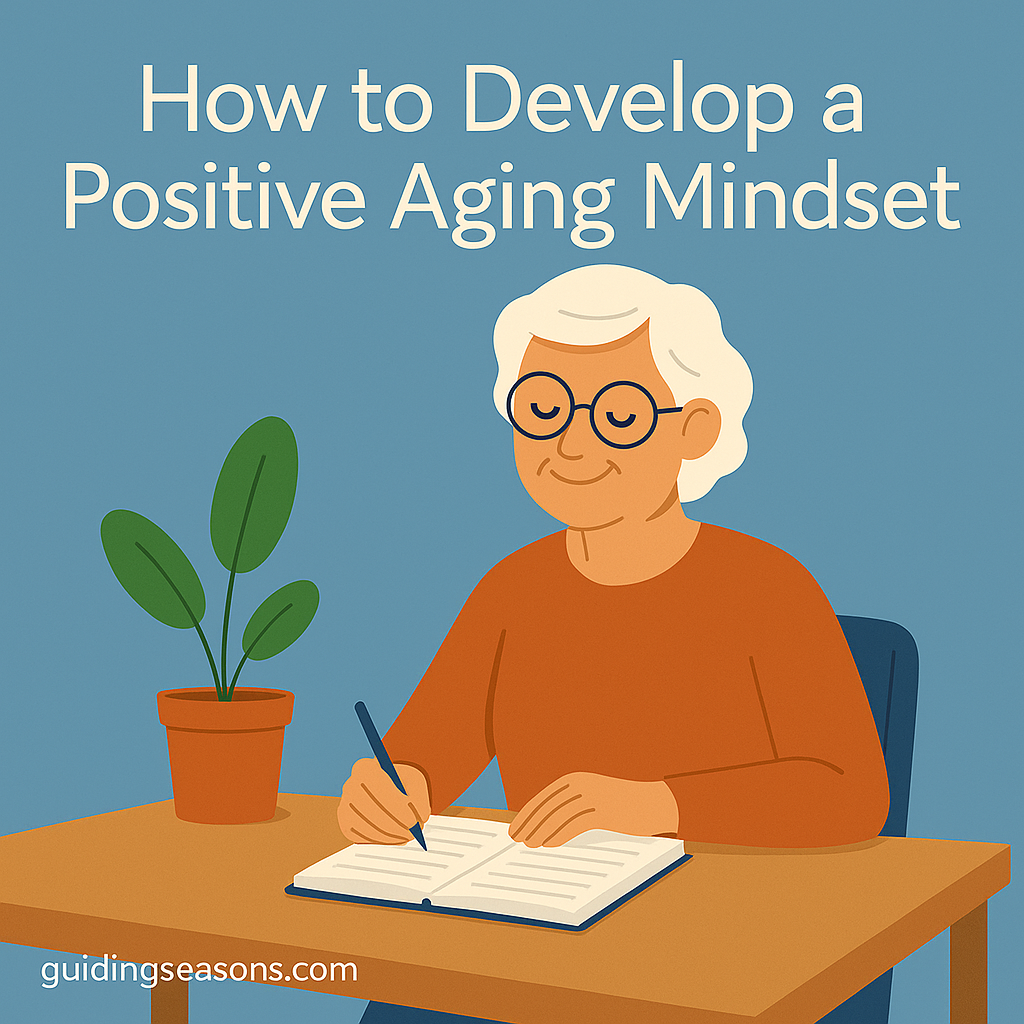
Older woman smiling peacefully while journaling at a table, practicing gratitude, with a potted plant beside her and the title “How to Develop a Positive Aging Mindset” displayed above.
An older woman journals peacefully to practice gratitude, illustrating how developing a positive aging mindset begins with simple daily habits.

Aging is a natural, lifelong journey — one filled with growth, wisdom, and new opportunities. Yet many people struggle with negative beliefs about getting older, often shaped by social expectations or fear of change. Developing a positive aging mindset doesn’t mean ignoring challenges; it means choosing to focus on possibility, resilience, and the meaningful experiences this stage of life can bring. With the right perspective, aging becomes less about loss and more about expansion, confidence, and personal fulfillment.

Here’s how to develop a positive, empowered mindset about aging.

Continue reading “How to Develop a Positive Aging Mindset”

Finding Joy in a Simplified Lifestyle

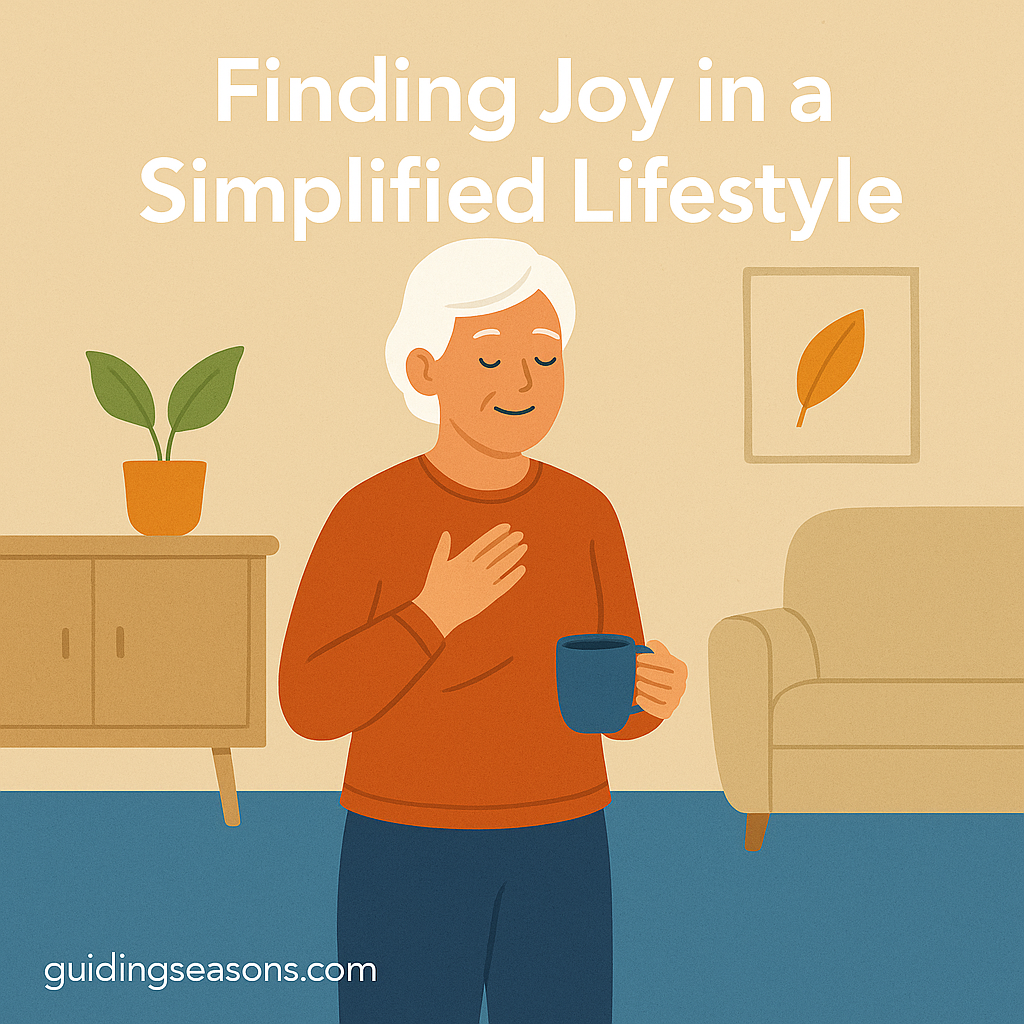
Older woman enjoying a calm moment with a warm drink in a minimalist living room, with the title “Finding Joy in a Simplified Lifestyle” displayed above.
An older woman relaxes with a cup of tea in a simple, uncluttered living room, illustrating the peace and joy of a simplified lifestyle.

A simplified lifestyle isn’t about giving things up — it’s about creating more space for what truly matters. As you move into new seasons of life, you may find that less clutter, fewer obligations, and more intentional choices bring a sense of peace and joy you didn’t know you were missing. Simplifying your days can help reduce stress, increase clarity, and make room for meaningful routines, hobbies, and relationships.

Here’s how to embrace a simpler way of living and rediscover everyday joy.

Continue reading “Finding Joy in a Simplified Lifestyle”