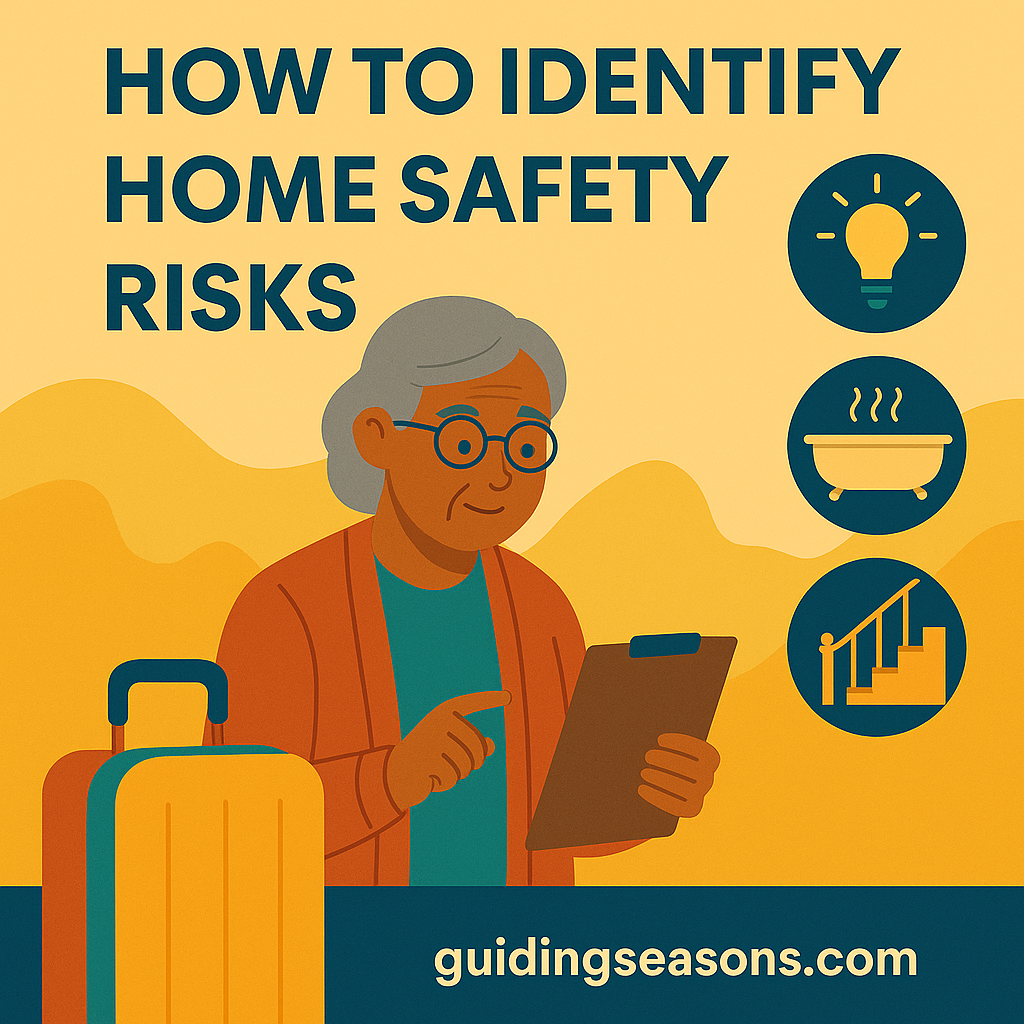
Your home should be a place of comfort, independence, and peace of mind. But as we age, everyday household features can become unexpected hazards. Slippery floors, poor lighting, cluttered walkways, and hard-to-reach items can increase the risk of falls or injuries—sometimes without us noticing.
The good news is that identifying safety risks early gives you an opportunity to address them before an accident occurs. With a few simple checks and thoughtful adjustments, you can create a safer, more comfortable environment for yourself or a loved one.
According to the National Council on Aging (NCOA), falls are a major safety concern for older adults, but many risk factors can be addressed through practical prevention strategies.
Here’s how to spot potential safety risks around your home and what you can do about them.
Check Floors and Walking Paths
Floors and walking areas are a good place to begin your home safety check. Even small obstacles can become tripping hazards.
What to look for:
- Loose throw rugs
- Slippery floors
- Clutter or small items on the floor
- Electrical cords crossing walkways
- Uneven flooring or raised transitions between rooms
Fixes that help:
- Use appropriate non-slip rug pads or remove loose rugs
- Keep frequently used walkways clear
- Secure electrical cords away from walking areas
- Use slip-resistant surfaces where needed
- Repair uneven or damaged flooring
A clear, stable walking path can make a meaningful difference in everyday safety.
For example, consider a typical route from the bedroom to the bathroom. If that 20-foot path includes a loose rug, an electrical cord, and a poorly lit hallway, correcting those three hazards can make one of the home’s most frequently traveled routes considerably easier to navigate.
Evaluate Lighting Throughout Your Home
Poor lighting can make obstacles, stairs, and changes in floor level harder to see.
Check:
- Dim hallways
- Poorly lit staircases
- Burned-out bulbs
- Dark corners
- Nighttime routes between bedrooms and bathrooms
Improve lighting by:
- Using brighter bulbs where appropriate
- Adding night-lights in key areas
- Installing motion-sensor lights
- Choosing lamps with easy-to-reach switches
- Making sure entrances and stairs are clearly illuminated
Pay particular attention to places where the flooring changes or where someone regularly moves around at night.
Pay Attention to Bathroom Safety
Bathrooms deserve special attention because water, smooth surfaces, and getting in and out of a shower or bathtub can create additional fall risks.
Look for:
- Wet or slippery floors
- High bathtub edges
- Lack of secure grab bars
- Loose bathmats
- Toiletries stored out of comfortable reach
Improve safety with:
- Slip-resistant surfaces inside and outside the shower
- Properly installed grab bars near the toilet and bathing area
- A suitable shower chair or bench when needed
- A handheld showerhead
- Frequently used toiletries stored within easy reach
The NCOA’s home safety guidance recommends practical changes such as installing grab bars, improving lighting, addressing throw rugs, and keeping frequently used items within easy reach.
Small bathroom modifications can provide additional stability without requiring a complete remodel.
Inspect the Kitchen for Hazards
Kitchens contain hot surfaces, sharp tools, heavy objects, and areas that can become slippery, so organization is especially important.
Look for:
- Frequently used items stored in very high or low cabinets
- Wet or slippery floors
- Damaged or difficult-to-use kitchen tools
- Cooking appliances accidentally left on
- Cluttered countertops or walking areas
Improve kitchen safety by:
- Keeping frequently used items within comfortable reach
- Cleaning spills promptly
- Keeping knives properly maintained and safely stored
- Considering appliances with automatic shutoff features
- Eliminating unnecessary clutter
Try to arrange the kitchen so everyday tasks don’t require regularly climbing on stools or stretching to reach high shelves.
Check Stairs and Entryways
Stairs and entryways are another important part of a home safety review.
Look for:
- Loose or missing handrails
- Worn, damaged, or uneven steps
- Poorly lit staircases
- Shoes, packages, or clutter near doors
- Wet or slippery outdoor surfaces
Improve safety with:
- Secure handrails, ideally providing support where needed
- Prompt repair of damaged steps
- Bright, consistent lighting
- Appropriate slip-resistant stair surfaces
- A stable bench or chair near the entrance if sitting is helpful when putting on shoes
Also check whether outdoor stairs become slippery after rain or during colder weather.
Evaluate Your Furniture Layout
Furniture placement can either support safe movement or create unnecessary obstacles.
Look for:
- Furniture blocking walking paths
- Very low or unstable chairs
- Sharp corners along frequently used routes
- Coffee tables or accent furniture crowding pathways
Improve the layout by:
- Creating wide, unobstructed walking paths
- Using stable chairs with supportive armrests
- Keeping furniture away from major pathways
- Removing unnecessary pieces that make rooms difficult to navigate
If someone uses a cane, walker, or wheelchair, make sure the furniture arrangement provides enough room to move comfortably.
Check for Fire and Electrical Risks
A home safety review should go beyond fall prevention. Fire and electrical hazards deserve attention as well.
Look for:
- Overloaded outlets or power strips
- Frayed or damaged electrical cords
- Electrical appliances being used near water
- Missing or nonworking smoke alarms
- Portable heaters positioned too close to combustible materials
Improve fire safety by:
- Avoiding overloaded electrical outlets
- Replacing damaged cords and equipment
- Keeping electrical devices away from water
- Testing smoke and carbon monoxide alarms according to manufacturer recommendations
- Keeping portable heaters away from furniture, curtains, bedding, and other combustible materials
Follow the manufacturer’s safety instructions for heaters and other electrical appliances rather than relying on improvised setups.
Review Medications and Storage
Medication organization is another important part of household safety.
Check for:
- Expired or unused medications
- Similar-looking containers that could be confused
- Medications stored in unsuitable conditions
- Labels that are difficult to read
Improve medication safety with:
- A pill organizer when appropriate for the medications being taken
- A secure, designated storage location
- Good lighting near the storage area
- Large-print labels when available
- An up-to-date medication list
Because some medications have special storage requirements, always follow the label and ask a pharmacist before transferring medication from its original packaging.
Look for Outdoor Hazards
Don’t stop your safety inspection at the front door. Walkways, porches, patios, and driveways can also develop hazards over time.
Check:
- Cracked or uneven walkways
- Slippery porches or decks
- Loose railings
- Poor outdoor lighting
- Plants or landscaping blocking pathways
Improve safety by:
- Repairing uneven walking surfaces
- Using appropriate slip-resistant surfaces
- Making sure railings are secure
- Adding outdoor lighting where needed
- Keeping pathways trimmed and clear
Pay particular attention to the route between the driveway, mailbox, sidewalk, and main entrance because these areas may be used every day.
Ask for Help When Needed
You don’t have to identify every potential hazard yourself. A second set of eyes can often notice problems that have become easy to overlook.
Consider getting help from:
- A trusted family member or friend
- A qualified handyman or contractor
- An occupational therapist
- A physical therapist when mobility or fall prevention is a concern
- A home safety or aging-in-place professional
For larger modifications—such as ramps, bathroom alterations, stair improvements, or accessibility changes—professional guidance can help ensure the work is appropriate and safely installed.
Do a Room-by-Room Safety Check
Instead of trying to evaluate the entire home at once, walk through one room at a time.
Start with the areas used most frequently:
- Bedroom
- Bathroom
- Kitchen
- Living room
- Hallways and stairs
- Entrances
- Outdoor walkways
Look at each area from the perspective of someone with reduced balance, mobility, strength, or vision.
Ask simple questions: Is there anything to trip over? Is the lighting adequate? Are frequently used objects easy to reach? Is there something sturdy to hold onto where extra support might be needed?
Repeating this simple home safety review periodically can help you catch new hazards as your home and your needs change.
Final Thoughts
Recognizing home safety risks early can help preserve independence, comfort, and peace of mind. Small adjustments—better lighting, safer floors, clear walkways, accessible storage, secure handrails, and a thoughtful furniture layout—can make everyday activities easier and safer.
You don’t necessarily need a major renovation. Start with the most frequently used areas of your home, address obvious hazards first, and make additional changes as your needs evolve.
A safer home isn’t only about preventing accidents. It’s about creating an environment where you can continue living comfortably and confidently for years to come.