Navigate family dynamics, friendships, caregiving roles, and meaningful connections. This category supports building healthier relationships and staying emotionally connected at every stage of aging.
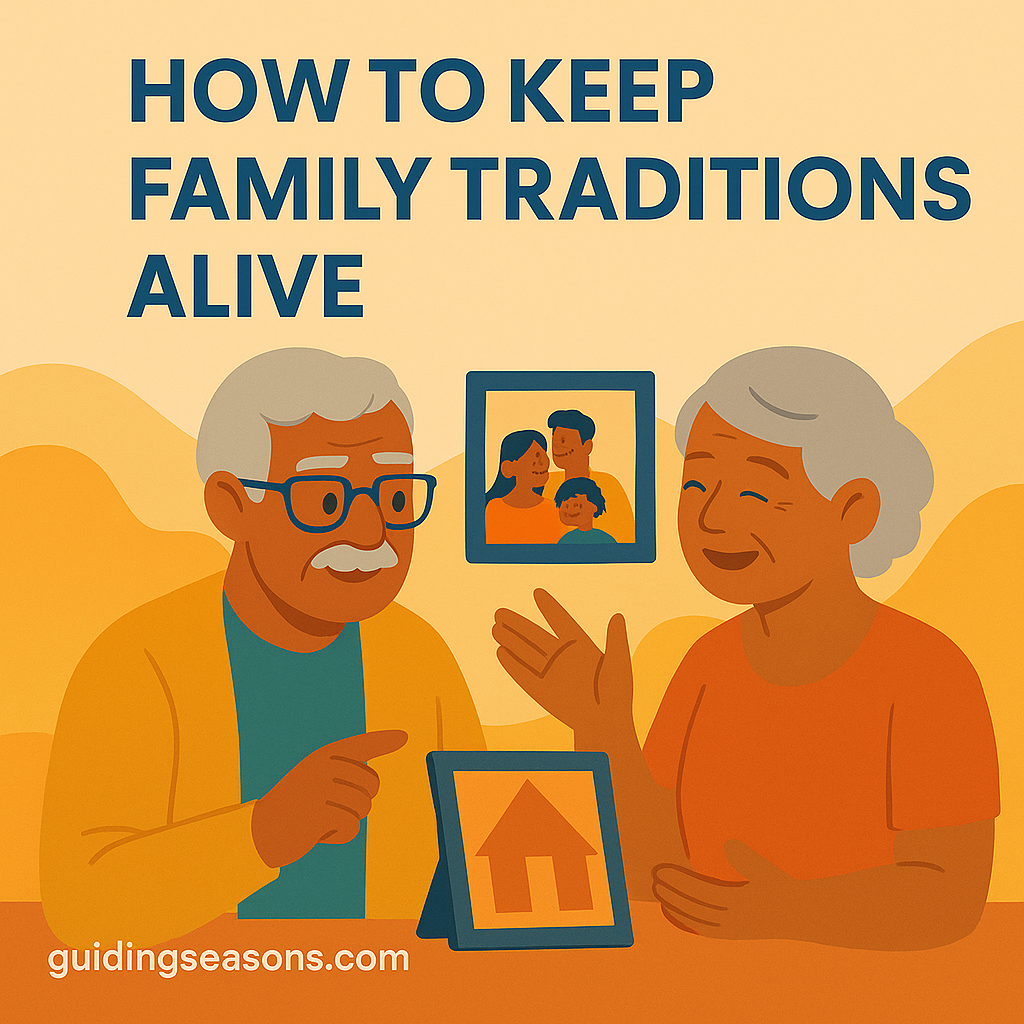
Senior couple sharing and preserving family memories through photos and stories.
Family traditions are more than routines — they are the stories, values, and moments that connect generations. Whether it’s a holiday recipe, a yearly gathering, or a simple shared ritual, these traditions bring meaning to family life and create memories that last for decades.
As families grow, change, and spread out, keeping traditions alive may feel more challenging. But with a little intention and creativity, these cherished practices can continue to strengthen your family for years to come.
Here’s how to preserve the traditions you love while making space for new memories.
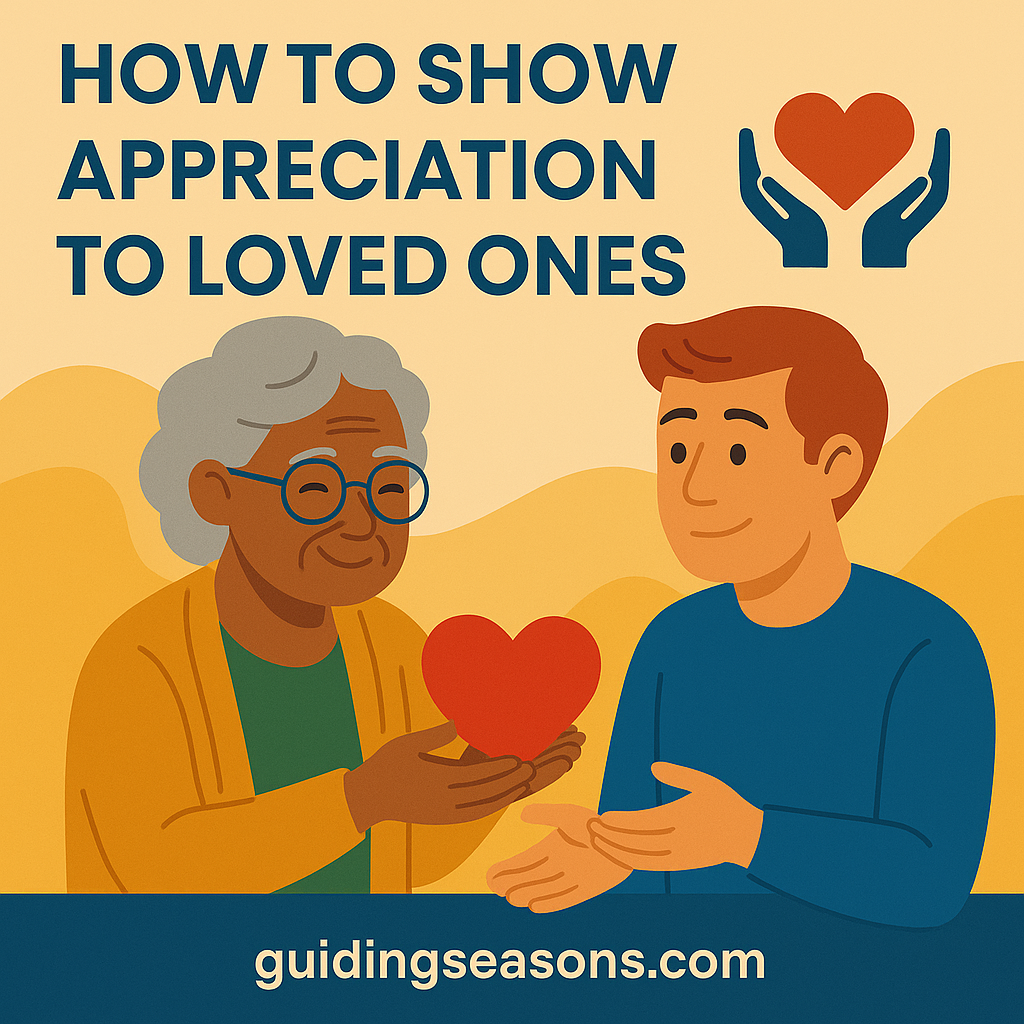
Senior woman expressing appreciation by offering a heart to a loved one.
Showing appreciation is one of the simplest yet most powerful ways to strengthen relationships. Whether it’s family, close friends, caregivers, or neighbors, expressing gratitude helps deepen bonds, create joy, and remind the people in your life how much they matter.
In retirement and the later seasons of life, these meaningful connections become even more valuable. A sincere “thank you,” a thoughtful gesture, or a kind word can brighten someone’s day — and your own.
Here are simple, heartfelt ways to show appreciation to the people you care about most.
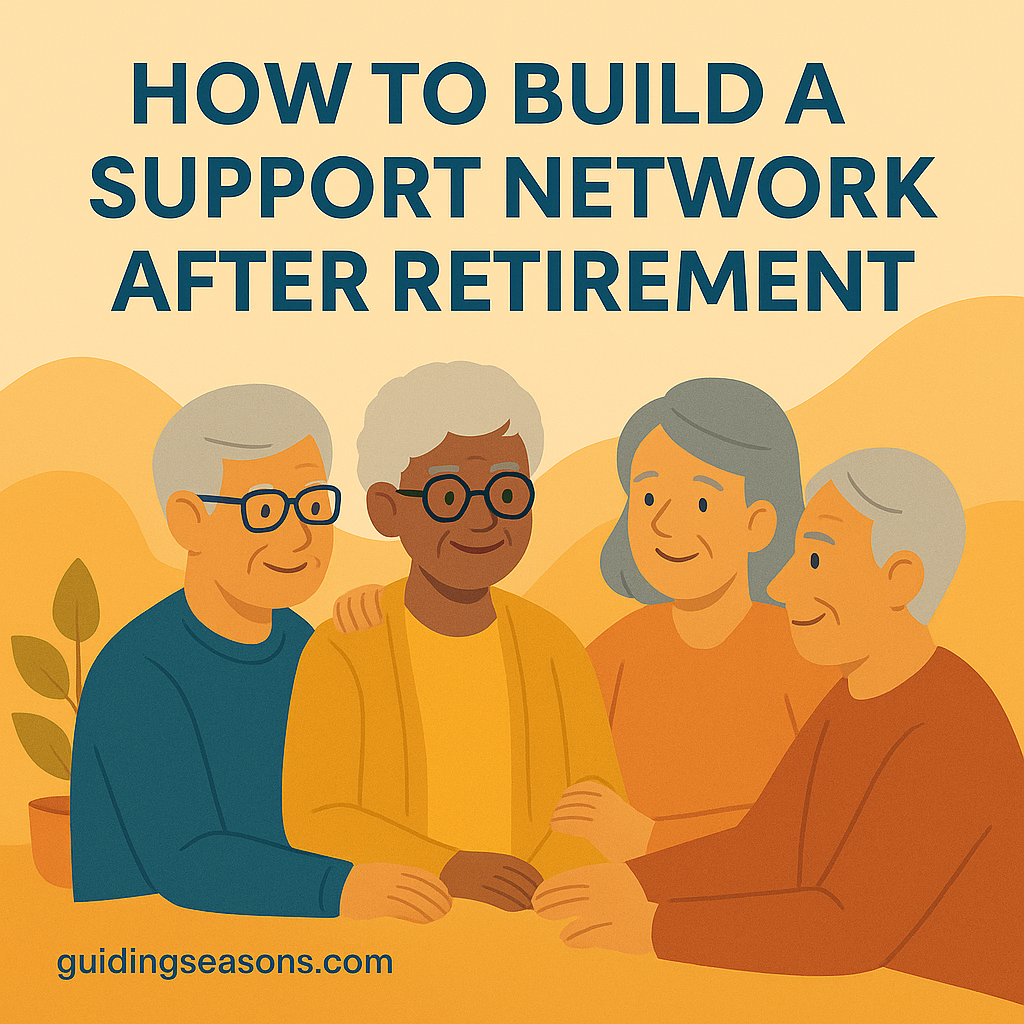
Group of seniors building community and connection in a warm, supportive setting.
Retirement is a major life transition. While it brings new freedom and flexibility, it also changes your daily routines and the way you connect with others. Without the built-in social structure of work, many retirees find themselves feeling a bit isolated — even if they didn’t expect to.
The good news is that building a strong support network in retirement is absolutely possible. With a little intention, you can create meaningful, uplifting connections that bring joy, belonging, and emotional strength into your daily life.
Here’s how to build a support network that truly supports you during this new chapter.
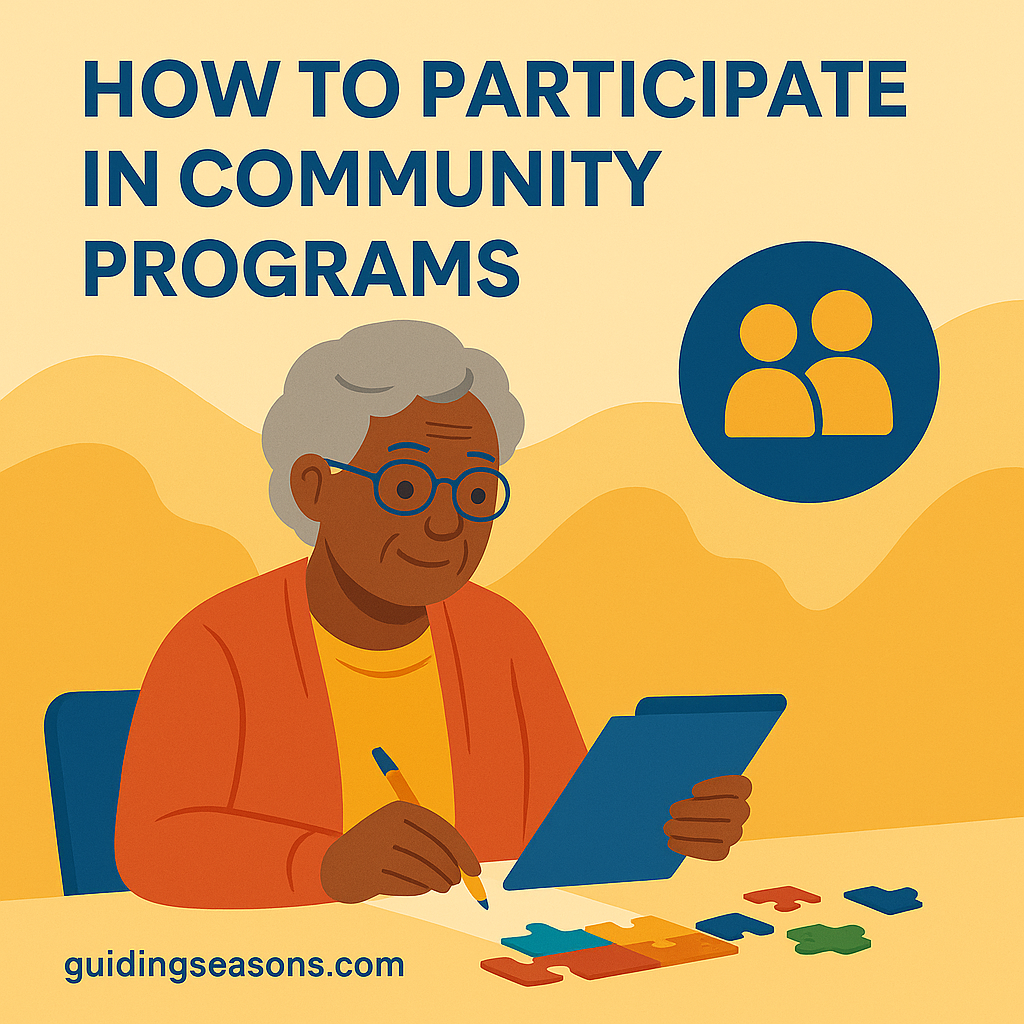
Senior woman writing on a clipboard with a community icon symbolizing local programs.
Community programs offer opportunities for connection, learning, and shared experience — especially during life stages when routines change and social circles shift. For many people, however, joining new groups can feel uncomfortable or intimidating at first.
Participating in community programs doesn’t require instant confidence or full commitment. It’s about finding spaces that feel welcoming, meaningful, and aligned with your comfort level.
/more
Why Community Involvement Matters More Over Time
As work and family responsibilities change, opportunities for regular social interaction may decrease. Community programs can help fill that gap by offering structure and connection without pressure.
Benefits often include:
A sense of belonging
Opportunities for shared interests
Emotional support and companionship
Renewed purpose and routine
Connection supports both emotional and mental well-being.
Common Barriers to Getting Involved
Many people hesitate not because they lack interest, but because of understandable concerns.
Fear of not fitting in
Worrying about age, ability, or experience can prevent participation.
Discomfort with new social settings
Entering unfamiliar environments can feel vulnerable.
Concern about commitment
Some avoid programs fearing long-term obligations.
Doubting personal value
Feeling unsure about what you have to contribute can hold you back.
These feelings are common and valid.
Practical Ways to Begin Participating
Starting small helps community involvement feel manageable.
Observe before engaging
Attending an event as an observer allows you to assess comfort without pressure.
Choose interest-based programs
Shared interests naturally ease conversation and connection.
Set personal boundaries
Participation can be flexible. It’s okay to adjust involvement as needed.
Allow relationships to develop slowly
Connection builds over time — there’s no rush.
Finding Programs That Feel Supportive
The best programs create environments where people feel welcomed and respected.
Look for:
Clear communication
Inclusive language
Opportunities for gradual involvement
Respect for individual pace and ability
A supportive atmosphere matters more than activity type.
When Community Involvement Feels Challenging
If participation creates stress rather than connection, it may be helpful to reassess.
Signs include:
Feeling drained or anxious after events
Pressure to conform or overcommit
Lack of genuine interest
Community should support well-being, not strain it.
Related Guidance You May Find Helpful
You may also find these articles supportive:
How to Strengthen Your Inner Confidence
How to Stay Positive Through Aging Changes
Relaxing Hobbies That Boost Senior Well-Being
Together, they support connection and emotional health.
A Final Thought
Participating in community programs isn’t about forcing social interaction — it’s about finding spaces where you feel seen, comfortable, and valued.
Connection grows best when approached gently and authentically. Over time, community involvement can become a meaningful part of daily life, offering both companionship and a sense of belonging.
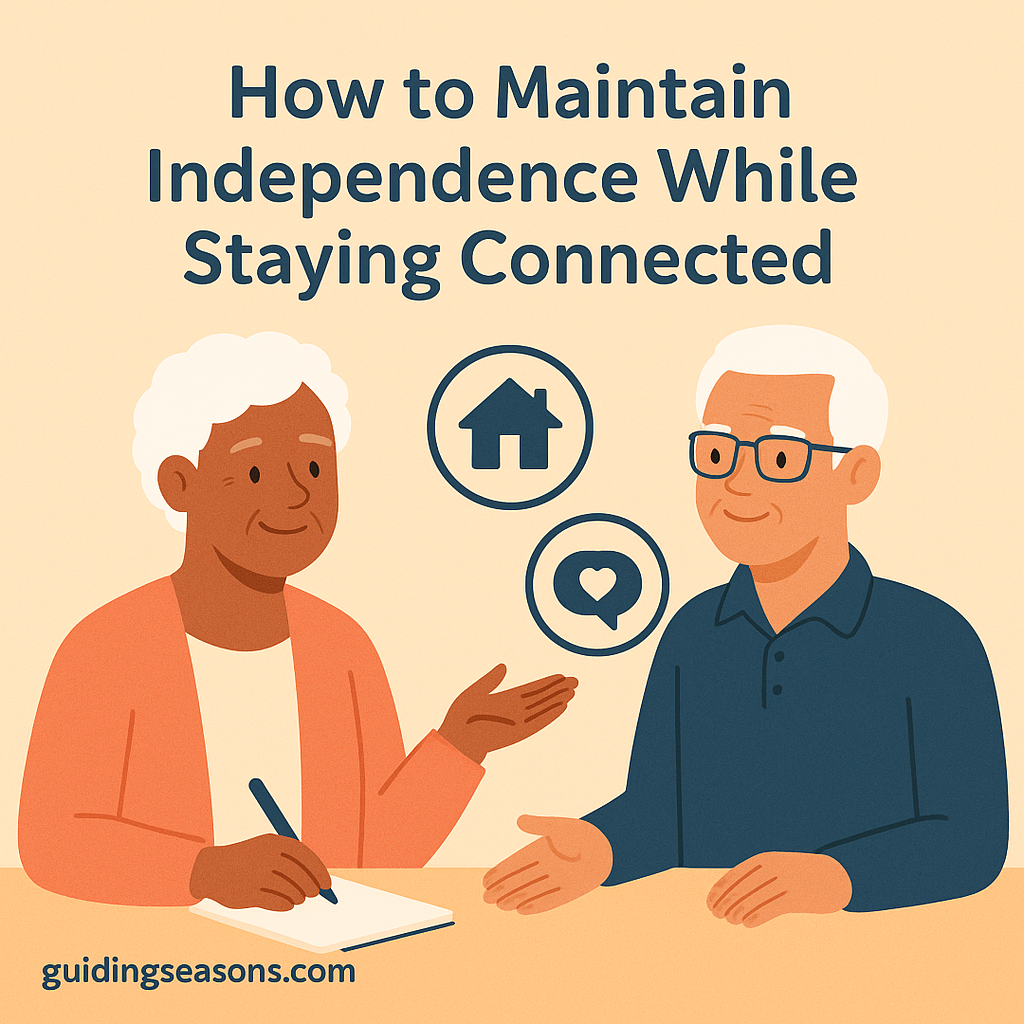
Two seniors discussing how to stay independent while maintaining meaningful connections.
As you move through retirement, independence becomes more important than ever—you want to make your own choices, stay active, and feel capable in your daily life. At the same time, staying connected with family, friends, and your community brings joy, support, and a sense of belonging.
Both independence and connection matter, and the good news is that you don’t have to choose between them. You can enjoy your freedom while still maintaining meaningful relationships. This guide shares simple, practical ways to stay connected without sacrificing your independence.
Senior couple sharing a warm and supportive moment together.
Supporting the people you care about—children, grandchildren, siblings, friends, or a partner—is one of the most meaningful parts of life. As you move through retirement, you may find that loved ones rely on you in new ways: emotional support, guidance, encouragement, or simply a listening ear. Offering support with grace not only strengthens your relationships but also brings peace and fulfillment to your own life.
This guide shares gentle, senior-friendly strategies to help you support others with kindness, compassion, and healthy boundaries.
Senior couple smiling and high-fiving while reconnecting over a heartfelt message.
Family relationships can gradually drift apart for many reasons—busy schedules, misunderstandings, physical distance, or simply the passage of time. But the desire to reconnect often grows stronger in retirement, when life slows down and priorities shift toward what truly matters. The good news is that rebuilding family connections is always possible, no matter how much time has passed.
This guide offers gentle, practical ways to reopen communication, heal past wounds, and rebuild meaningful relationships with the people you love.
Senior couple sitting together and sharing a warm moment at home.
Retirement offers couples something they may not have had in decades: time. More quiet mornings, shared meals, relaxed schedules, and the freedom to rediscover life together. But while this new chapter can bring closeness and joy, it also comes with adjustments. Spending more time together, redefining roles, and navigating lifestyle changes can create stress if not handled intentionally.
The good news? With communication, patience, and new shared habits, retirement can become one of the most rewarding stages of marriage. Here’s how to strengthen your relationship and build a meaningful partnership in this next chapter.
Two seniors meeting and shaking hands in a park to symbolize building new friendships.
Making new friends later in life can feel intimidating, but it’s absolutely possible—and incredibly rewarding. Strong friendships bring joy, connection, emotional support, and a sense of belonging. Whether you’re retired, living alone, or simply wanting more social interaction, building new friendships can enrich your daily life in meaningful ways.
Here’s a gentle, senior-friendly guide to forming meaningful friendships at any age.
Older couple in a moment of disagreement with a heart icon representing conflict resolution with loved ones.
Conflicts with family or close friends can feel especially heavy because the relationships matter so much. Even small disagreements can leave you feeling upset, misunderstood, or disconnected. The good news is that conflict doesn’t have to harm your relationships—it can actually lead to deeper understanding, healthier boundaries, and stronger emotional connections when handled with care.
Here’s a simple, senior-friendly guide to navigating conflict with loved ones in a calm and healthy way.