
Relaxation becomes more meaningful later in life. After years of responsibility, productivity, and structured routines, many people discover that slowing down is not only enjoyable — it’s necessary for emotional and mental well-being.
Relaxing hobbies offer more than entertainment. They provide calm, presence, and a sense of enjoyment without pressure to perform or produce. When chosen intentionally, these activities support both comfort and contentment.
Why Relaxation Matters More Than Ever
As life transitions, stress doesn’t always disappear — it simply changes form. Uncertainty, lifestyle adjustments, and evolving roles can quietly affect emotional balance.
Relaxing hobbies help by:
- Reducing mental tension
- Encouraging mindfulness and presence
- Supporting emotional regulation
- Providing enjoyable structure to the day
Relaxation isn’t indulgence — it’s maintenance.
Common Misunderstandings About Relaxing Hobbies
Many people struggle to fully enjoy leisure because of long-held beliefs.
Feeling guilty for slowing down
Rest is productive when it supports well-being.
Believing hobbies must be impressive
Enjoyment matters more than skill or output.
Comparing how others spend their time
Personal satisfaction isn’t measured by visibility.
Expecting hobbies to fill every hour
Relaxation works best when balanced with flexibility.
Types of Relaxing Hobbies That Often Feel Supportive
Rather than focusing on productivity, many people benefit from hobbies that encourage calm and gentle engagement.
Creative activities
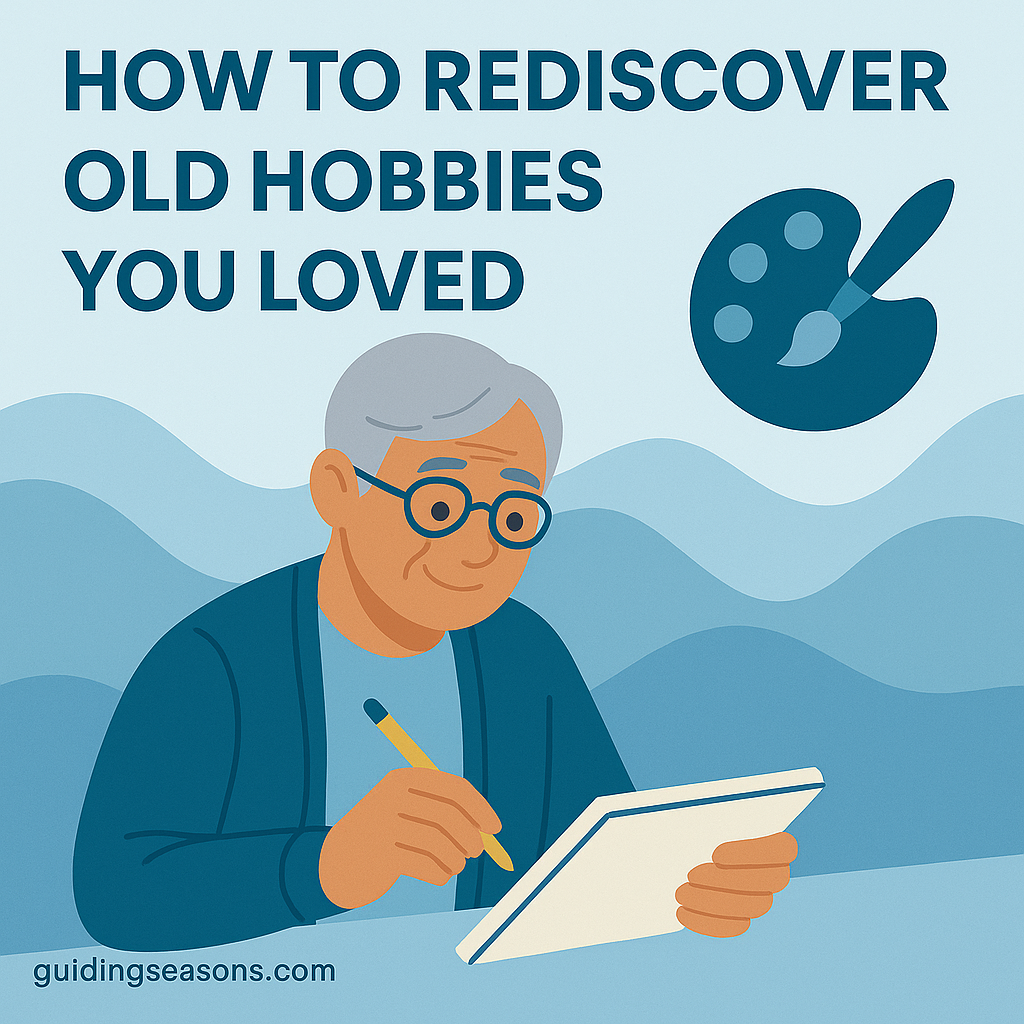
Drawing, painting, writing, or crafting allow expression without pressure.
Quiet sensory activities
Reading, listening to music, or nature observation provide soothing focus.
Gentle movement
Stretching, walking, or light yoga promote relaxation and body awareness.
Hands-on activities
Gardening, puzzles, or simple projects encourage presence and satisfaction.
The best hobby is one that feels enjoyable, not demanding.
Creating Space for Relaxation Without Pressure
Relaxing hobbies are most effective when approached with kindness.
Helpful approaches include:
- Setting aside small, regular time blocks
- Letting enjoyment guide participation
- Allowing interest to change over time
- Releasing expectations around results
Flexibility keeps relaxation restorative.
When Relaxation Feels Difficult
If slowing down creates discomfort or restlessness, it may take time to adjust.
Signs include:
- Difficulty sitting still
- Feeling unproductive or uneasy
- Losing interest quickly
These reactions are normal and often fade as new rhythms develop.
Related Guidance You May Find Helpful
You may also find these articles supportive:
- How to Improve Your Daily Outlook
- How to Enjoy Puzzles and Brain Games
- How to Participate in Community Programs
Together, they support balance, engagement, and emotional well-being.
A Final Thought
Relaxing hobbies aren’t about filling time — they’re about enriching it. In this season of life, slowing down creates space for presence, enjoyment, and reflection.
When relaxation is treated as essential rather than optional, well-being naturally follows.