Retirement is a major life transition. While it brings new freedom and flexibility, it also changes your daily routines and the way you connect with others. Without the built-in social structure of work, some retirees may find themselves feeling more isolated than they expected.
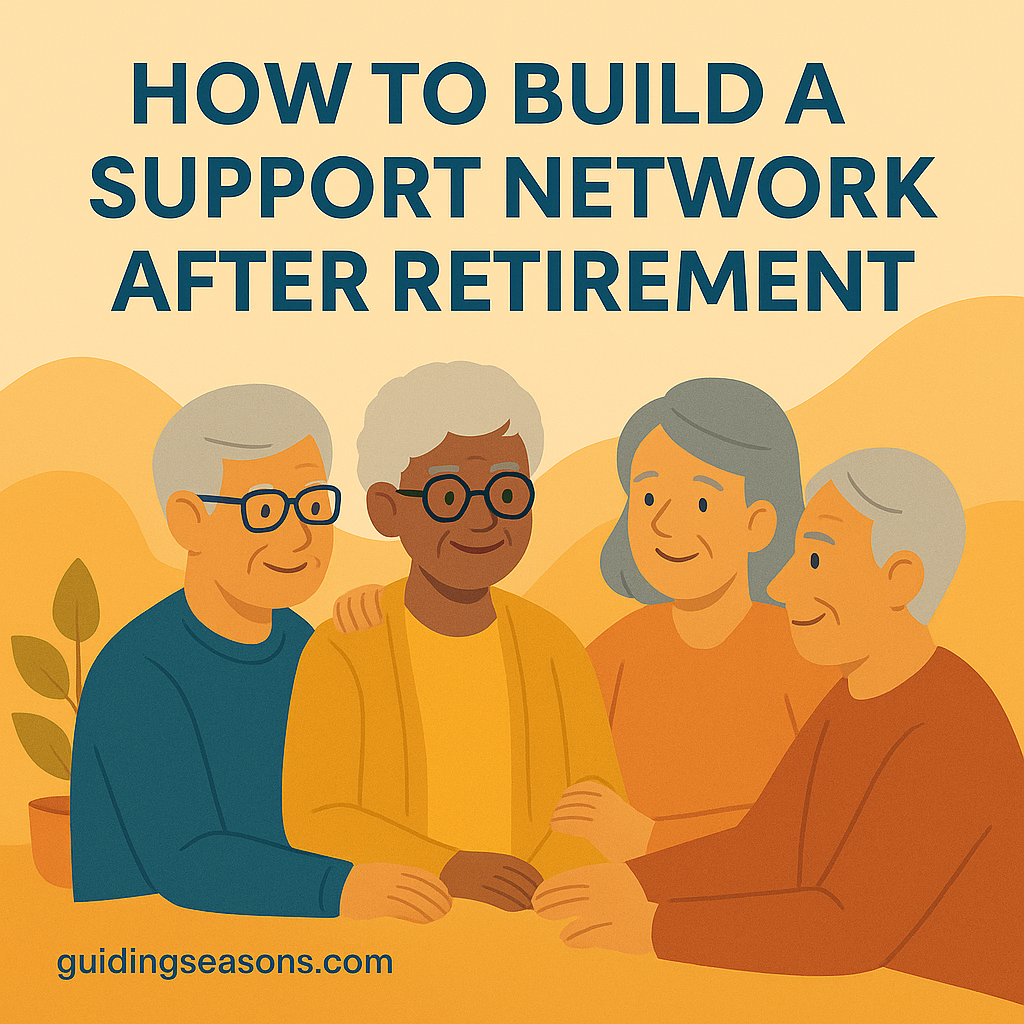
The good news is that building a strong support network in retirement is absolutely possible. With a little intention and consistency, you can create meaningful connections that bring companionship, belonging, and emotional support into your daily life.
Here’s how to build a support network that truly supports you during this new chapter.
Understand Why Support Matters
A strong social circle provides more than good company. Staying socially connected can support emotional well-being, encourage activity, and give you people to turn to when you need practical or emotional support.
The National Council on Aging (NCOA) provides resources for older adults dealing with loneliness and social isolation, including ways to strengthen connections and find community support.
A support network can help you:
- Feel connected and valued
- Reduce feelings of loneliness and isolation
- Stay mentally and emotionally engaged
- Have people to share activities with
- Receive help when you need it
- Maintain a sense of identity and purpose
Retirement can be an ideal time to intentionally nurture relationships that may have received less attention during your working years.
Start by Reconnecting With Old Friends
Sometimes the strongest connections are the ones already in your life.
Try reaching out to:
- Former coworkers
- Old neighbors
- Childhood or school friends
- Extended family members
- Community members you haven’t spoken to in a while
You don’t need an elaborate reason to reconnect. A simple call or message such as, “I was thinking about you and wondered how you’ve been,” can reopen a relationship.
If the conversation goes well, suggest something specific—coffee next Tuesday, a morning walk, or a phone call once a month. Turning a vague intention into an actual plan makes it more likely that the relationship will continue.
Join Local Senior Centers or Community Groups
Senior centers and community organizations can be welcoming places to meet people who share your stage of life.
You may find:
- Exercise classes
- Art and craft groups
- Lunch gatherings
- Support groups
- Day trips and outings
- Educational workshops
- Games and recreational activities
If attending alone feels uncomfortable, start small. Choose one activity that interests you and commit to attending it three times before deciding whether it’s right for you.
For example, you might attend the same Wednesday morning walking group for three consecutive weeks. By the third visit, you’ll probably recognize several faces, making it easier to start conversations and feel like part of the group.
Familiarity is often the first step toward friendship.
Explore Clubs Based on Your Interests
Shared interests make it easier to start conversations because you already have something in common.
Consider joining:
- Book clubs
- Gardening groups
- Walking or hiking clubs
- Craft or quilting circles
- Choirs or music groups
- Photography or art groups
- Faith-based clubs
Choose activities you genuinely enjoy rather than joining simply because they are marketed toward retirees. Friendships often develop naturally when people repeatedly spend time together doing something they both enjoy.
Volunteer to Meet Others and Give Back
Volunteering can provide a sense of purpose while connecting you with people who care about similar causes.
Volunteer opportunities may include:
- Libraries
- Hospitals
- Schools
- Animal shelters
- Food banks
- Local nonprofits
- Faith organizations
- Parks and community programs
A regular volunteer schedule can also restore some of the structure that disappears after leaving the workforce.
Rather than volunteering occasionally at many different places, consider choosing one organization and participating regularly. Seeing the same people each week gives relationships time to develop.
Take a Class or Learn Something New
Lifelong learning provides mental stimulation, creativity, and opportunities to meet new people.
Look for classes such as:
- Cooking
- Technology
- Language learning
- Art or pottery
- Fitness
- Music or dance
- Gardening
- Home improvement workshops
Libraries, community colleges, recreation centers, and adult education programs may offer free or affordable classes.
Don’t worry about being the most experienced person in the room. Being a beginner can actually make conversations easier because everyone is learning together.
Use Technology to Stay Connected
Technology can strengthen your support network, particularly when friends or family members live far away.
Try using:
- Video calls such as FaceTime, Zoom, or Google Meet
- Text messaging
- Group family chats
- Social media
- Online community groups
Technology works best as another way to maintain relationships rather than a complete replacement for in-person interaction.
If technology feels intimidating, start with one skill. Learning how to make a video call or send a photo may be more useful than trying to master every feature on a smartphone at once.
Build Relationships With Neighbors
Neighbors can become an important part of your everyday support network because they are physically nearby.
Try:
- Introducing yourself if you haven’t already
- Checking in occasionally
- Offering help with small tasks
- Attending neighborhood gatherings
- Sharing extra food or garden produce
- Having occasional conversations outside
These relationships don’t need to become close friendships to be valuable.
Simply knowing a few trustworthy people nearby can create a stronger sense of community and provide someone to contact if you need a small favor or assistance.
Join Faith Communities or Spiritual Groups
If faith or spirituality is important to you, a religious or spiritual community can provide companionship, comfort, and opportunities to help others.
Options may include:
- Weekly services
- Bible study or discussion groups
- Community dinners
- Volunteer opportunities
- Prayer circles
- Social gatherings
Because many of these activities occur regularly, they provide repeated opportunities to develop meaningful relationships over time.
Stay Active and Social Through Physical Activities
Physical activity can be another natural way to meet people.
Try:
- Walking groups
- Senior fitness classes
- Water aerobics
- Tai chi
- Dance classes
- Yoga
- Pickleball
According to AARP, staying physically active and socially engaged are important parts of healthy living as we age.
Group activities can be especially useful because they combine movement with regular social interaction.
Choose activities appropriate for your abilities and comfort level, and speak with a healthcare professional if you have concerns about starting a new exercise routine.
Schedule Regular Social Time
Good intentions can easily disappear when they aren’t placed on the calendar.
Try:
- Weekly breakfast with friends
- Monthly family game night
- A walking date every other week
- A regular volunteer shift
- Scheduled calls with distant friends
- A monthly lunch with former coworkers
Consistency matters more than filling every day with activities.
One weekly activity, one monthly gathering, and a few regular phone calls can provide meaningful social contact without making retirement feel overscheduled.
Build Different Types of Support
A healthy support network doesn’t have to depend on one person.
Different relationships can provide different kinds of connection.
You might have:
- A neighbor you can call for a small favor
- A friend you meet for coffee
- A sibling you call when you need to talk
- A walking group that keeps you active
- A volunteer community that gives you purpose
- Family members who help with important decisions
Thinking of your support network this way can take pressure off any one relationship and create a broader sense of connection.
Ask for Help When You Need It
A true support network includes people you trust enough to contact when life becomes difficult.
You might ask for support with:
- Transportation
- Medical appointments
- Emotional support
- Technology
- Household tasks during recovery
- Understanding paperwork or important decisions
Many people are willing to help but may not know what you need unless you ask.
Be specific when possible. Instead of saying, “I could use some help sometime,” try, “Would you be able to drive me to my appointment Thursday morning?”
Specific requests are easier for others to understand and respond to.
Be Open to New Relationships
Retirement is a new chapter, and new friendships can develop at any age.
Remember:
- You don’t have to connect with everyone
- Start with small conversations
- Attend activities regularly
- Accept invitations when you can
- Extend invitations yourself
- Give relationships time to develop
A single conversation may not immediately turn into a friendship. Connection often develops through repeated small interactions.
Someone you casually greet at a weekly class today could eventually become the person you meet for coffee every Friday.
Know When You Need More Support
Everyone feels lonely occasionally, but persistent loneliness or isolation deserves attention.
If you’re spending most days alone, have stopped participating in activities you once enjoyed, or feel that you don’t have anyone you can contact when you need help, consider reaching out to family, friends, a healthcare professional, senior center, faith community, or local aging organization.
Asking for connection is not an inconvenience. Building and maintaining relationships is an important part of creating a healthy and fulfilling retirement.
Final Thoughts
Building a support network after retirement takes intention, but it doesn’t require dozens of friends or a packed social calendar.
Start with what you already have. Reconnect with one old friend, introduce yourself to a neighbor, attend a community activity, volunteer somewhere meaningful, or schedule a regular call with someone you care about.
Then build from there.
Over time, those individual connections can become a dependable network of friends, family members, neighbors, and community relationships that provide companionship, practical support, laughter, and a genuine sense of belonging.
With openness and consistency, you can create a support network that enriches your retirement and helps you feel connected throughout this new stage of life.