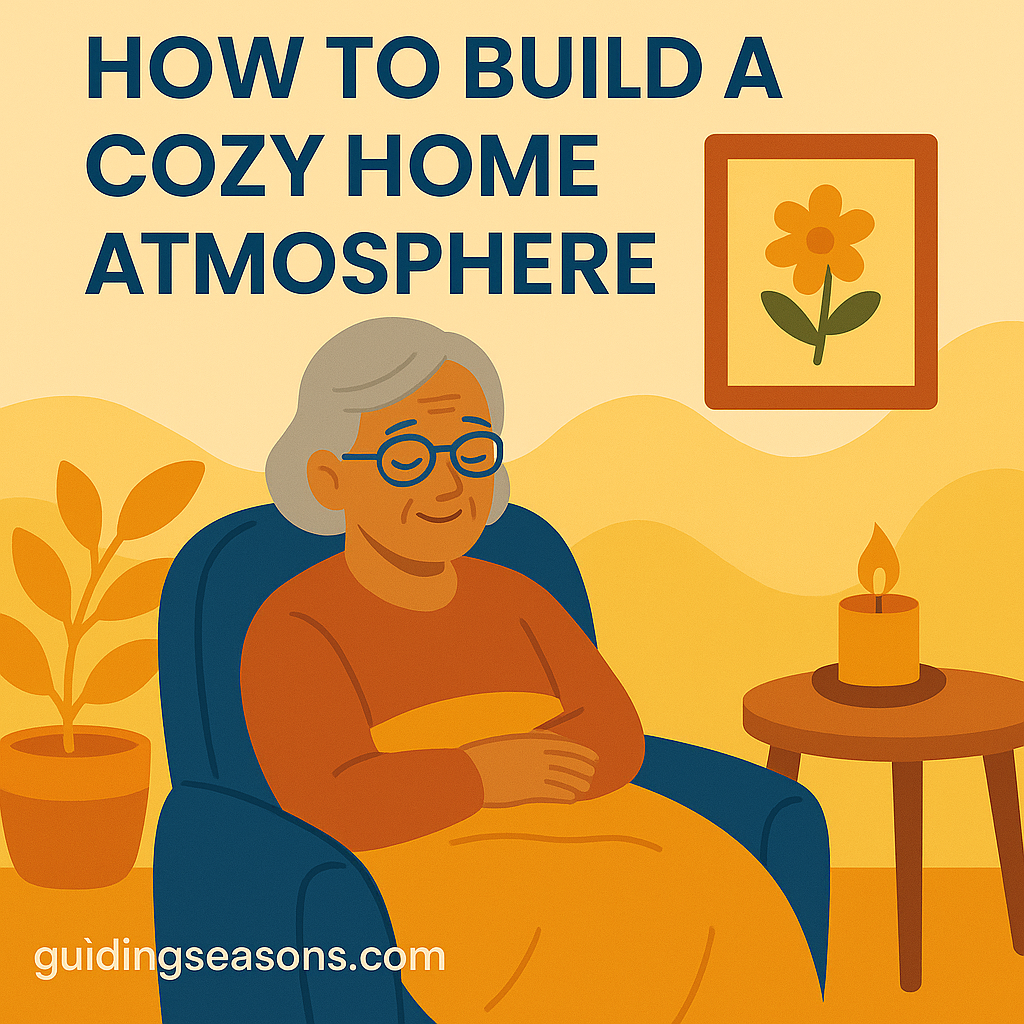
A cozy home feels warm, inviting, and deeply comforting—a place where you can relax, recharge, and enjoy your daily routines. For seniors especially, creating a comfortable and easy-to-navigate home can support independence while making everyday life more enjoyable.
The good news is that a cozy home doesn’t require expensive furniture or major renovations. Small, thoughtful touches can transform your living space into a haven of comfort and peace. Here’s how to create a home atmosphere that feels truly welcoming.
Start With Warm Lighting
Lighting plays a huge role in how a room feels. Soft, warm light can instantly make a space more inviting, while adequate lighting is also important for navigating your home safely.
Try:
- Switching to warm-tone LED bulbs
- Using table or floor lamps instead of relying only on overhead lighting
- Opening curtains in the morning for natural light
- Adding small lamps to darker areas
- Using flameless battery-powered candles for extra ambiance
For older adults, comfort should go hand in hand with visibility. AARP’s HomeFit Guide includes practical recommendations for making homes safer and more comfortable as people age, including improvements involving lighting and everyday living spaces.
Add Soft Textures and Layers
Comfort is one of the hallmarks of a cozy space. Adding soft textures can instantly warm up a room without requiring major changes.
Include:
- Plush throw blankets
- Soft pillows
- A warm area rug
- Comfortable slippers
- Fabric curtains
- Soft bedding
Layering different textures can make a room feel more welcoming. Just be mindful of loose rugs or other items that could become tripping hazards.
Surround Yourself With Meaningful Decor
Decor doesn’t need to be expensive—it simply needs to feel like “you.”
Choose pieces that bring back happy memories, represent important people or places, or make you smile when you see them.
Consider:
- Family photos
- Souvenirs from travels
- Handmade crafts
- Books you love
- Plants or flowers
- Artwork with personal meaning
A few carefully chosen items can add more personality and emotional warmth than filling every surface with decorations.
Keep Favorite Items Within Reach
Cozy homes prioritize ease and comfort.
Try organizing your space so that:
- Your favorite blanket is beside your chair
- Reading glasses stay on a small tray
- Hobbies like knitting or puzzles are within easy reach
- Remotes, chargers, and tissues have a designated place
- Frequently used books or magazines are nearby
For example, create a small 3-item comfort station beside your favorite chair with your reading glasses, TV remote, and a bottle of water. Add a basket underneath for a blanket or current book.
Small conveniences like these can make everyday routines smoother.
Add Gentle Scents for Relaxation
Pleasant scents can contribute to the atmosphere of a room.
You might try:
- Reed diffusers
- Fresh flowers
- Fresh herbs such as lavender, rosemary, or mint
- Lightly scented room products
- Flameless fragrance options
Choose scents you personally enjoy rather than making them overpowering. Vanilla, lavender, citrus, and warm spices are popular choices.
If you use candles, keep fire safety in mind. Flameless candles can provide a similar warm glow without an open flame.
Create a Calm, Clutter-Free Environment
Too much clutter can make a room feel crowded and can also make it harder to move around safely.
To simplify:
- Keep walkways open
- Keep frequently used surfaces mostly clear
- Donate or recycle items you no longer use
- Add baskets or bins for simple storage
- Choose decor that complements rather than overwhelms the room
- Keep electrical cords away from walking paths
The National Council on Aging (NCOA) recommends addressing home hazards as part of fall prevention for older adults. Creating clear walking paths and dealing with potential hazards can help make a home feel both comfortable and practical.
Add Comfortable Seating You Love
Your favorite seat should support your body while giving you a comfortable place to relax.
Look for:
- Good back support
- Comfortable cushions
- A height that makes sitting and standing easier
- Stable armrests, if helpful
- A nearby table and lamp
Place a warm blanket nearby, add a favorite pillow, and you have a simple place for reading, talking with family, watching television, or enjoying an afternoon rest.
Bring Nature Indoors
Nature adds life, beauty, and tranquility to a home.
Try:
- Houseplants
- Fresh flowers
- Nature-themed artwork
- A vase with branches or seasonal greenery
- Bird feeders positioned where you can see them through a window
Even a small plant on a windowsill can add color and interest to a room.
If maintaining plants feels like another chore, choose low-maintenance varieties or use realistic artificial greenery instead.
Create a Quiet Corner for Relaxation
You don’t need an entire room to create a personal retreat. A small corner of your living room or bedroom may be enough.
Use your cozy corner for:
- Reading
- Knitting
- Writing
- Listening to music
- Doing puzzles
- Enjoying morning coffee or tea
Start with a comfortable chair, adequate lighting, and a small table. Then add a blanket, favorite book, plant, photograph, or another item that makes the space feel personal.
Use Soft, Calming Colors
Color can have a noticeable effect on the overall atmosphere of a room.
Cozy color palettes might include:
- Warm cream
- Soft gold
- Dusty rose
- Earthy browns
- Muted greens
- Cozy blues
You don’t have to repaint an entire room. Pillows, blankets, curtains, bedding, artwork, and other accessories can introduce warmer colors with much less effort and expense.
Play Soft Music Throughout the Day
Sound is another part of creating a welcoming atmosphere.
Consider:
- Calm instrumental playlists
- Jazz or classical music
- Favorite songs from earlier decades
- Nature sounds
- Soft background music while reading or relaxing
The goal isn’t necessarily silence. Sometimes familiar music playing quietly in the background can make a home feel more lively and personal.
Keep Your Home Smelling Fresh
A clean, fresh home naturally feels more comfortable.
Simple habits can help:
- Open windows when weather and outdoor air conditions allow
- Wipe frequently used surfaces
- Keep up with laundry
- Wash dishes after meals
- Empty trash regularly
- Replace or clean household filters as recommended
Rather than trying to complete everything at once, consider doing one or two small household tasks each day.
Make Your Bedroom a Soft, Restful Haven
Your bedroom should feel peaceful and comfortable at the end of the day.
Try:
- Comfortable bedding
- Warm bedside lighting
- Calming colors
- A soft comforter
- Minimal clutter
- Clear pathways between the bed, doorway, and bathroom
Keep essential nighttime items—such as glasses, water, a phone, or tissues—within easy reach so you don’t have to search for them in the dark.
A comfortable bedroom doesn’t need elaborate decorating. Sometimes fresh bedding, softer lighting, and a less cluttered nightstand can make a noticeable difference.
Final Thoughts
A cozy home isn’t about perfection or expensive decor—it’s about creating a space that feels warm, comfortable, personal, and easy to enjoy.
Gentle lighting, soft textures, meaningful keepsakes, comfortable seating, calming colors, and familiar music can all contribute to a more welcoming atmosphere. For seniors, simple safety considerations such as good lighting, clear pathways, and easily accessible everyday items can make that comfort even more practical.
Your home should reflect the life you’ve built and the things you enjoy. Start with one room—or even one favorite corner—and make a few thoughtful changes at a time.
Sometimes a comfortable chair, a warm lamp, a favorite photograph, and a soft blanket are all it takes to make a space feel like home.