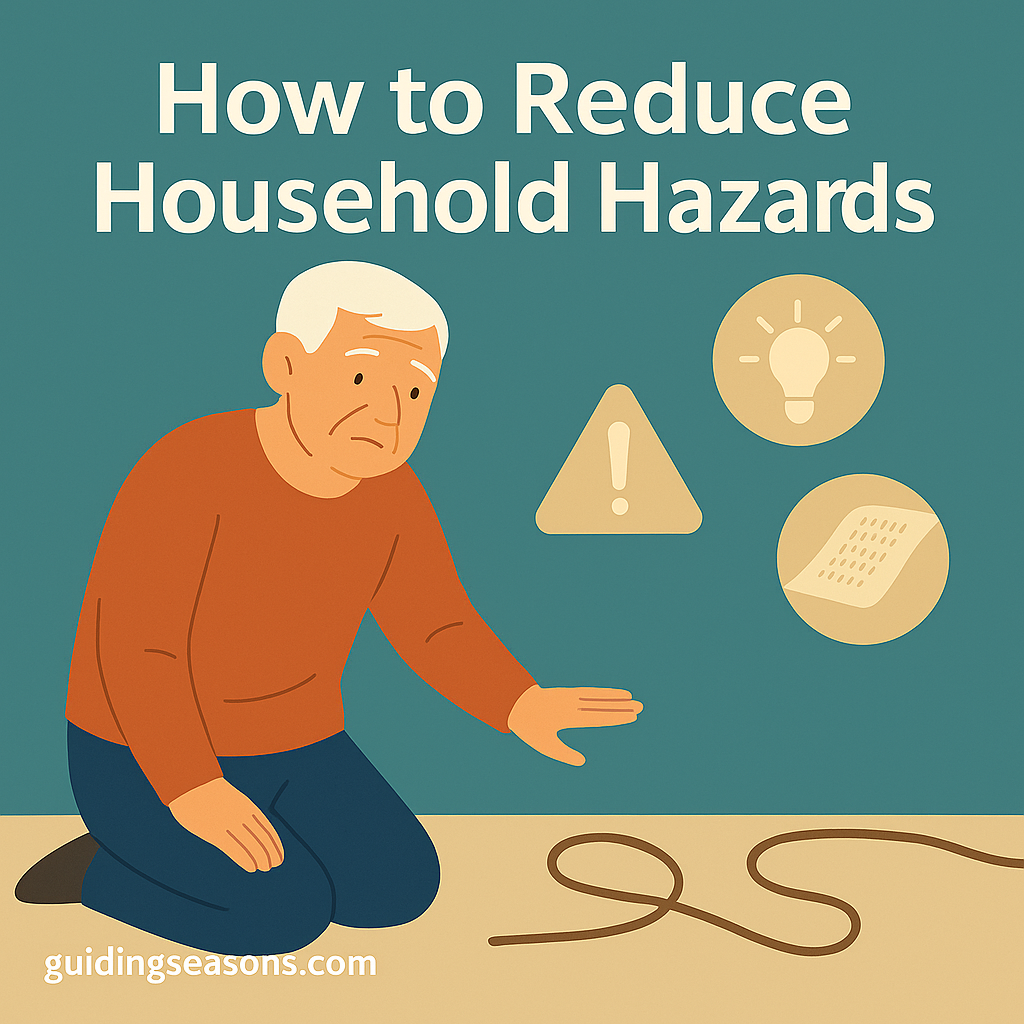
A safe home can make everyday life easier, more comfortable, and more independent as you age. Many household hazards are small enough to go unnoticed at first—a loose rug, a dim hallway, an overloaded outlet, or a box left beside the stairs—but even minor problems can increase the risk of falls, burns, fires, or other injuries.
The encouraging part is that improving home safety usually does not require a complete renovation.
Many hazards can be reduced by clearing walking paths, improving lighting, organizing frequently used items, checking alarms, and making a few simple changes in areas such as the bathroom, kitchen, and bedroom.
For older adults, fall prevention is especially important. The Centers for Disease Control and Prevention (CDC) recommends making the home safer by removing things you could trip over, adding grab bars around the bath and toilet, installing railings on both sides of stairs, and improving lighting. The CDC also reports approximately 300,000 hospitalizations related to hip fractures from older-adult falls each year.
The goal is not to worry about every possible accident. Instead, focus on practical hazards you can identify and correct.
Here are some of the most useful ways to create a safer home.
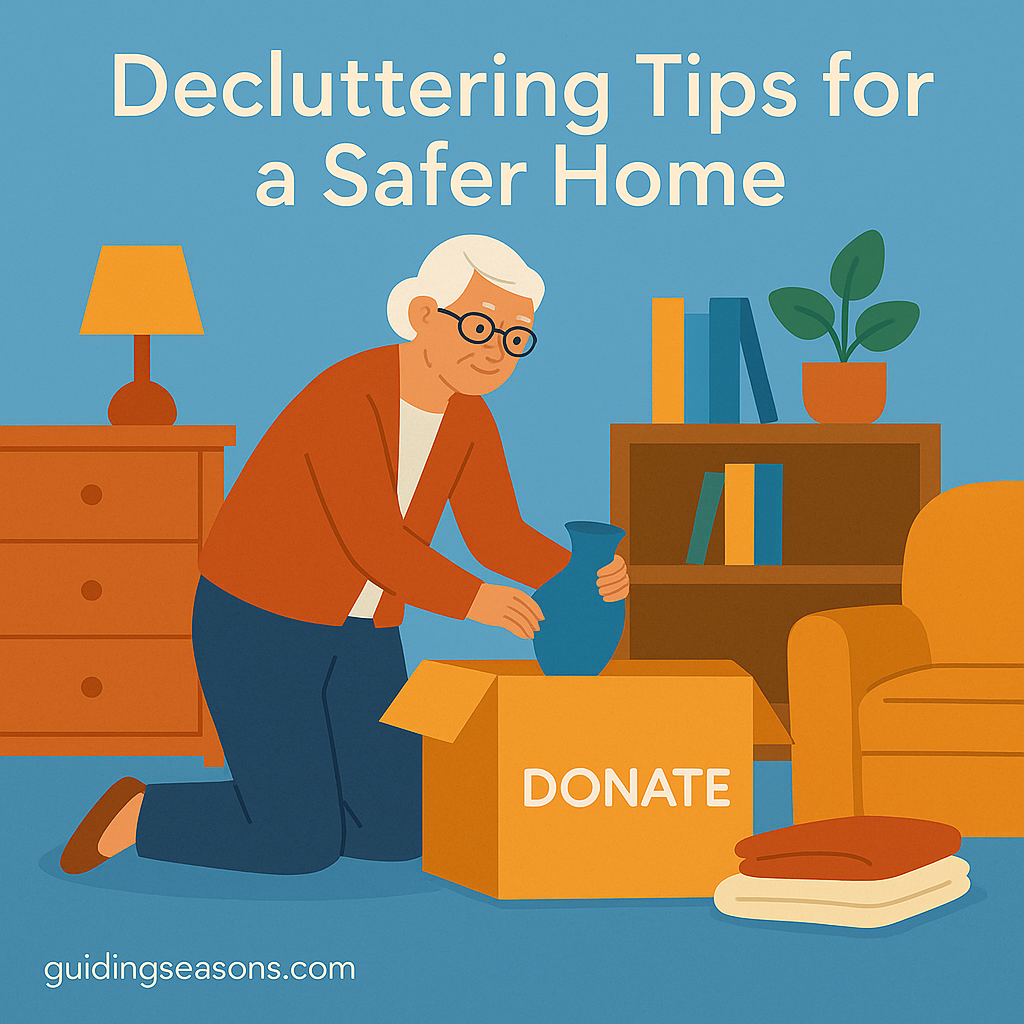
1. Remove Clutter From Walking Paths
One of the easiest places to begin is the floor.
Walk through the routes you use most often and look for anything that could catch a foot, cane, or walker.
Common hazards include:
- Shoes
- Bags
- Newspapers
- Magazines
- Boxes
- Pet toys
- Electrical cords
- Small stools
- Laundry baskets
Pay particular attention to the route between your bedroom and bathroom. You may use this pathway while sleepy and in low light, making small obstacles more difficult to notice.
Try to create an obvious, direct walking path instead of requiring yourself to weave around furniture or belongings.
For example, imagine that your bed is only 15 feet from the bathroom, but the route includes a laundry basket, shoes, a floor lamp, and a charging cable. Removing those four obstacles could improve the safety of a trip you may make every night without spending any money at all.
2. Secure or Remove Loose Rugs
Area rugs and throw rugs can move, wrinkle, or develop raised edges over time.
Check every rug in the home and ask:
- Does it slide when stepped on?
- Do the corners curl upward?
- Does it bunch easily?
- Could a cane or walker catch on the edge?
- Is the rug actually necessary?
If a small rug regularly moves, removing it may be the simplest option.
If you want to keep a rug, use a suitable non-slip backing or another secure method appropriate for both the rug and flooring.
The CDC specifically recommends removing throw rugs or securing them to help reduce slipping and tripping hazards.
Bathroom rugs deserve particular attention because wet floors can make movement even less stable.
3. Improve Lighting Throughout the Home
Poor lighting can make it harder to see stairs, objects on the floor, furniture edges, and changes in flooring.
Walk through your home after dark and look for areas that seem unusually dim.
Consider improving lighting around:
- Staircases
- Hallways
- Bathrooms
- Bedrooms
- Entrances
- Kitchens
- Closets
- Garages
Useful additions may include:
- Brighter bulbs where appropriate
- Night-lights
- Motion-activated lights
- Bedside lamps
- Under-cabinet lighting
- Illuminated switches
Make sure light switches are easy to reach when entering a room.
Motion-activated lights can be especially convenient along the nighttime route between a bedroom and bathroom because they eliminate the need to search for a switch in the dark.
4. Install Grab Bars and Handrails Where Needed
Grab bars can provide additional stability during movements that involve stepping, turning, sitting, or standing.
Common locations include:
- Inside the shower
- Near a bathtub
- Beside the toilet
- At difficult steps
Grab bars should be properly secured to appropriate structural support or installed using mounting hardware designed for the wall.
Do not assume a towel rack is strong enough to serve as a grab bar.
Stairs also deserve careful attention.
Check that handrails are:
- Secure
- Easy to grip
- Free of damage
- Available along the full staircase
The CDC recommends railings on both sides of stairs as part of reducing fall risks in the home.
If you are uncertain where grab bars should be placed, an occupational therapist or qualified accessibility professional may be able to recommend positioning based on individual needs.
5. Keep Floors Clean and Dry
Water, grease, and other liquids can quickly turn a safe floor into a slippery one.
Clean spills as soon as you notice them.
Pay special attention to:
- Kitchens
- Bathrooms
- Laundry rooms
- Entryways
Check periodically for leaking appliances, plumbing fixtures, or condensation that may be causing recurring moisture.
In the bathroom, use appropriate slip-resistant surfaces or mats where helpful, but make sure mats themselves are secure and do not create another tripping hazard.
If a floor remains slippery even when dry, consider whether the surface needs to be professionally evaluated or replaced.
6. Keep Frequently Used Items Within Comfortable Reach
Reaching too high, bending too low, or climbing onto a stool can increase the chance of losing your balance.
Organize your home so frequently used belongings are easy to reach.
In the kitchen, this may include:
- Plates
- Glasses
- Coffee or tea
- Everyday cookware
- Common ingredients
In the bathroom, keep regularly used toiletries somewhere convenient.
In a bedroom, place frequently worn clothing and linens where they do not require excessive reaching.
Items you use regularly should generally be easier to access than belongings used only a few times each year.
If something can only be reached by standing on a chair, consider finding it a new storage location.
7. Check Smoke Alarms Regularly
Working smoke alarms are a basic part of household safety.
The U.S. Fire Administration recommends installing smoke alarms inside every sleeping room, outside each separate sleeping area, and on every level of the home, including the basement. It also recommends testing smoke alarms at least once a month.
Check your alarms and make sure:
- They are installed in appropriate locations.
- You can hear them clearly.
- They are not covered or blocked.
- They respond when tested.
- They have not reached the end of their service life.
The U.S. Fire Administration advises replacing smoke alarms when they are 10 years old.
If you have difficulty hearing conventional alarms, specialized devices with flashing lights or bed-shaking alerts are available.
Never remove the battery from an alarm simply because cooking or steam causes nuisance alerts. Follow the manufacturer’s instructions for placement and operation instead.
8. Install and Maintain Carbon Monoxide Alarms
Carbon monoxide, or CO, is particularly dangerous because you cannot see or smell it.
It can be produced by fuel-burning equipment such as:
- Furnaces
- Fireplaces
- Gas appliances
- Portable generators
- Some heaters
The U.S. Fire Administration recommends installing carbon monoxide alarms outside each separate sleeping area and on every level of the home.
Test CO alarms regularly according to manufacturer instructions.
Portable generators should only be operated outdoors and well away from windows, doors, and vents.
Never use an outdoor grill or similar fuel-burning device inside a home or garage.
If a carbon monoxide alarm sounds, follow the device instructions and treat the warning seriously.
9. Organize Medications Carefully
Medication organization is another important part of home safety.
Keep medications in a consistent location and follow your pharmacist’s instructions for storage.
Helpful habits may include:
- Using a medication schedule
- Reading labels carefully
- Keeping medicines well lit and clearly identifiable
- Separating current medicines from discontinued ones
- Avoiding unlabeled containers
A pill organizer can be helpful for some people, but medications should only be transferred or organized in a way that is compatible with pharmacy instructions.
If you take several prescriptions, ask a pharmacist or healthcare professional whether any could cause side effects such as dizziness or drowsiness. The CDC specifically recommends medication review as part of assessing fall risk.
Keep medications away from children or visitors who should not have access to them.
Do not use expired medications without guidance, and follow official recommendations for safe medication disposal.
10. Inspect Electrical Cords and Outlets
Electrical hazards can gradually develop as cords become worn or household electrical demands increase.
Occasionally inspect:
- Extension cords
- Appliance cords
- Plugs
- Power strips
- Outlets
Look for:
- Fraying
- Cracks
- Exposed wires
- Discoloration
- Unusual heat
- Loose plugs
Stop using damaged electrical equipment until it has been repaired or replaced.
Avoid placing electrical cords underneath rugs where damage may go unnoticed.
High-powered appliances should be used according to manufacturer instructions rather than connecting multiple heavy electrical loads to an unsuitable outlet or extension cord.
If an outlet repeatedly feels hot, sparks, or trips a breaker, consider having the problem evaluated by a qualified electrician.
11. Improve Bathroom Safety
Bathrooms combine several household hazards in one small space: water, hard surfaces, limited space, and movements such as stepping, turning, sitting, and standing.
Consider whether the bathroom could benefit from:
- Properly installed grab bars
- A secure shower chair
- A handheld showerhead
- Slip-resistant surfaces
- Brighter lighting
- An appropriate raised toilet seat
Keep unnecessary items off the floor.
Shampoo bottles, towels, baskets, and cleaning products should have designated storage locations instead of creating obstacles near the shower or toilet.
If getting into a bathtub requires a difficult step, consider talking with an accessibility professional about safer alternatives.
12. Make the Kitchen Safer
Kitchens contain several types of hazards, including hot surfaces, sharp objects, water, and heavy cookware.
Keep frequently used items easy to reach.
Avoid storing heavy pots or appliances on shelves above your head.
Clean cooking spills promptly, and keep towels, paper products, and other combustible materials away from hot burners.
Make sure appliances are turned off after use.
If you sometimes have difficulty remembering whether something has been switched off, consider building a simple kitchen shutdown routine:
- Check the stove.
- Check the oven.
- Turn off small appliances.
- Wipe up spills.
- Turn on adequate nighttime lighting before leaving the room.
Repeating the same sequence can make it easier to remember.
13. Store Household Cleaning Products Safely
Cleaning products should remain in their original containers whenever possible.
Labels provide important information about:
- Proper use
- Hazards
- First aid
- Storage
- Disposal
Never transfer cleaning products into beverage or food containers.
Do not combine household chemicals unless the label specifically says doing so is safe.
Store cleaning products in a location that is easy for you to access but away from children, pets, or anyone who may accidentally misuse them.
Dispose of damaged or leaking containers appropriately.
Good organization also makes it easier to see what you already own so you do not accumulate unnecessary duplicate products.
14. Check Stairs and Steps
Stairs should remain completely free of storage and clutter.
Never use stairs as temporary shelves for:
- Shoes
- Laundry
- Packages
- Books
- Tools
Make sure each step is clearly visible.
Check:
- Lighting
- Handrails
- Floor coverings
- Step surfaces
- Loose boards or carpeting
Light switches should ideally be accessible from both the top and bottom of a staircase.
If stair edges are difficult to distinguish, additional contrast or lighting may help, depending on your vision and the design of the staircase.
15. Review Furniture Placement
Furniture that was convenient years ago may no longer work well for current mobility needs.
Look for furniture that:
- Narrows walking paths
- Has sharp corners in frequently used areas
- Wobbles when touched
- Is difficult to see at night
Small footstools and low coffee tables can be particularly easy to overlook.
You do not necessarily need less furniture everywhere. The goal is simply to create clear, predictable routes between important areas of the home.
16. Reduce Hazards Around Pets
Pets provide companionship, but toys, bowls, leashes, and pets themselves can sometimes get underfoot.
Designate consistent places for:
- Pet food
- Water bowls
- Toys
- Leashes
- Beds
Keep toys out of primary walking paths.
If your pet frequently moves around your feet, be especially cautious on stairs or when carrying objects.
Good lighting can also make it easier to see a small pet at night.
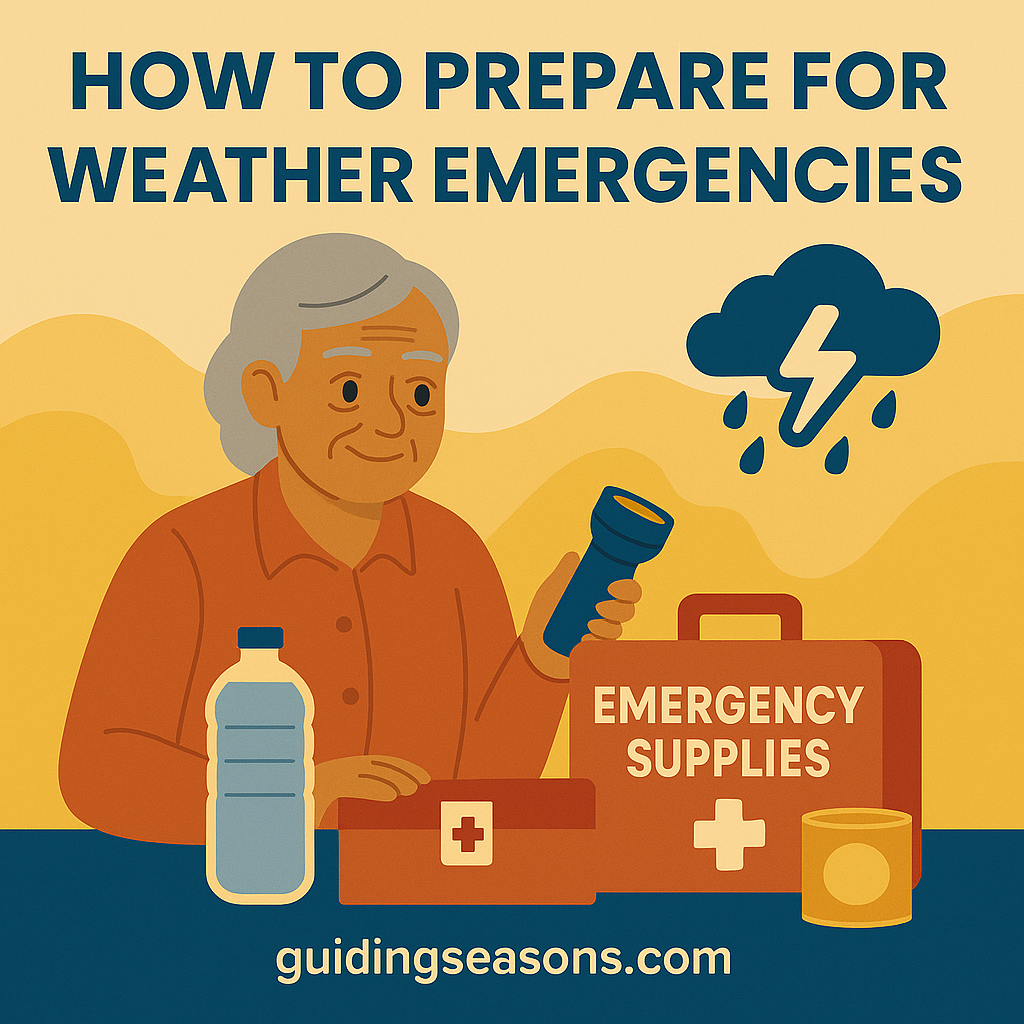
17. Keep Emergency Supplies Easy to Find
During an emergency, you should not have to search through several closets for basic supplies.
Choose a convenient location for items such as:
- Flashlights
- Spare batteries
- First-aid supplies
- Emergency phone numbers
- Necessary medical information
- Basic emergency supplies
Keep a flashlight near the bed as well.
Check batteries and supplies periodically.
If you depend on mobility equipment, hearing devices, medical equipment, or medications, include these needs in your emergency planning.
18. Create a Simple Emergency Plan
An emergency plan should be straightforward enough to remember.
Consider:
- How would I leave the home during a fire?
- Which exits could I use?
- Who would I contact during an emergency?
- Where are important phone numbers?
- What would I take if I had to leave quickly?
- Would I need assistance evacuating?
Do not block exits with furniture or stored belongings.
If you live with another person, discuss how you would respond to a fire, earthquake, power outage, or other likely emergency.
Practice can reveal problems that are not obvious on paper.
19. Do a 10-Minute Home Hazard Check
A short recurring inspection can help catch small problems before they become bigger ones.
Once a week or every few weeks, try this simple 10-minute hazard check:
Minutes 1–2: Walk through the main hallway and remove objects from the floor.
Minutes 3–4: Check the bathroom and kitchen for slippery surfaces or leaks.
Minutes 5–6: Look for loose rugs, cords, or unstable furniture.
Minutes 7–8: Check that important lights are working.
Minutes 9–10: Make sure exits and stairways are clear.
You do not have to solve every problem during the inspection.
If you notice a loose handrail that requires repair, write it down and arrange for someone to fix it safely.
The purpose of the check is to notice changes before you become accustomed to them.
20. Ask for Help With Repairs That Are Unsafe to Do Yourself
Making your home safer should not put you in danger.
Avoid climbing ladders, moving extremely heavy furniture, or attempting complicated electrical repairs if you are not comfortable doing so.
Ask for help with tasks such as:
- Installing grab bars
- Repairing handrails
- Moving heavy furniture
- Replacing difficult-to-reach alarms
- Electrical repairs
- Structural changes
A family member, trusted friend, handyman, occupational therapist, electrician, or other qualified professional may be able to help depending on the task.
A Simple Household Safety Checklist
Periodically walk through your home and check whether:
- Hallways and walking paths are clear.
- Rugs are secure.
- Electrical cords are out of the way.
- Rooms and stairways have adequate lighting.
- Floors are dry and clean.
- Grab bars and handrails are secure.
- Frequently used items are within comfortable reach.
- Smoke alarms work.
- Carbon monoxide alarms work.
- Stairs are free of clutter.
- Electrical cords are undamaged.
- Cleaning products are clearly labeled.
- Medications are organized appropriately.
- Emergency supplies are accessible.
- Exits are easy to reach.
You do not need to address every issue in one day. Prioritize anything that poses an immediate risk and work through the remaining items gradually.
Final Thoughts
Reducing household hazards is one of the simplest ways to make your home safer and easier to enjoy.
Begin with the basics: clear the floors, secure rugs, improve lighting, remove obstacles from stairways, and keep frequently used belongings within easy reach.
Then look beyond fall prevention.
Test smoke and carbon monoxide alarms. Inspect electrical cords. Store medications and cleaning products carefully. Keep exits clear. Make sure emergency supplies and contact information are easy to find.
Small improvements can have a surprisingly large effect.
A brighter hallway bulb, a repaired handrail, four items removed from a bedroom walkway, or a working smoke alarm may seem like minor changes individually. Together, they create a home that better supports safety, comfort, and independence.
The goal is not to eliminate every possible risk. It is to identify the hazards you can control and make thoughtful adjustments before they cause problems.
A safer home is one that allows you to move through everyday life with greater confidence and less unnecessary risk.