
Your home should be a place where you feel comfortable, confident, and independent. But as you get older, the way you interact with your surroundings can gradually change.
A step that once seemed insignificant may become harder to navigate. Dim lighting may make it more difficult to see objects on the floor. Reaching into a high cabinet may require more effort than it used to. Even familiar furniture arrangements can become inconvenient if they leave narrow walking paths.
Making your home safer does not mean preparing for the worst or giving up your independence. In many cases, the opposite is true. A safer environment can make it easier to continue performing everyday activities on your own.
Fall prevention is particularly important. According to the Centers for Disease Control and Prevention (CDC), more than one in four adults age 65 and older reports falling each year. The CDC recommends practical measures such as removing tripping hazards, improving lighting, installing grab bars, and adding railings to make the home safer. CDC — Older Adult Fall Prevention
The best time to improve home safety is before a problem occurs.
Here are practical ways to make your home safer, easier to navigate, and more supportive as you age.
Why Home Safety Becomes More Important Over Time
Aging affects everyone differently, and there is no single age when a home suddenly needs to be modified.
Instead, changes usually happen gradually.
You may notice differences in:
- Balance
- Muscle strength
- Flexibility
- Vision
- Hearing
- Reaction time
- Endurance
These changes can affect how you interact with an environment that has remained largely unchanged for years.
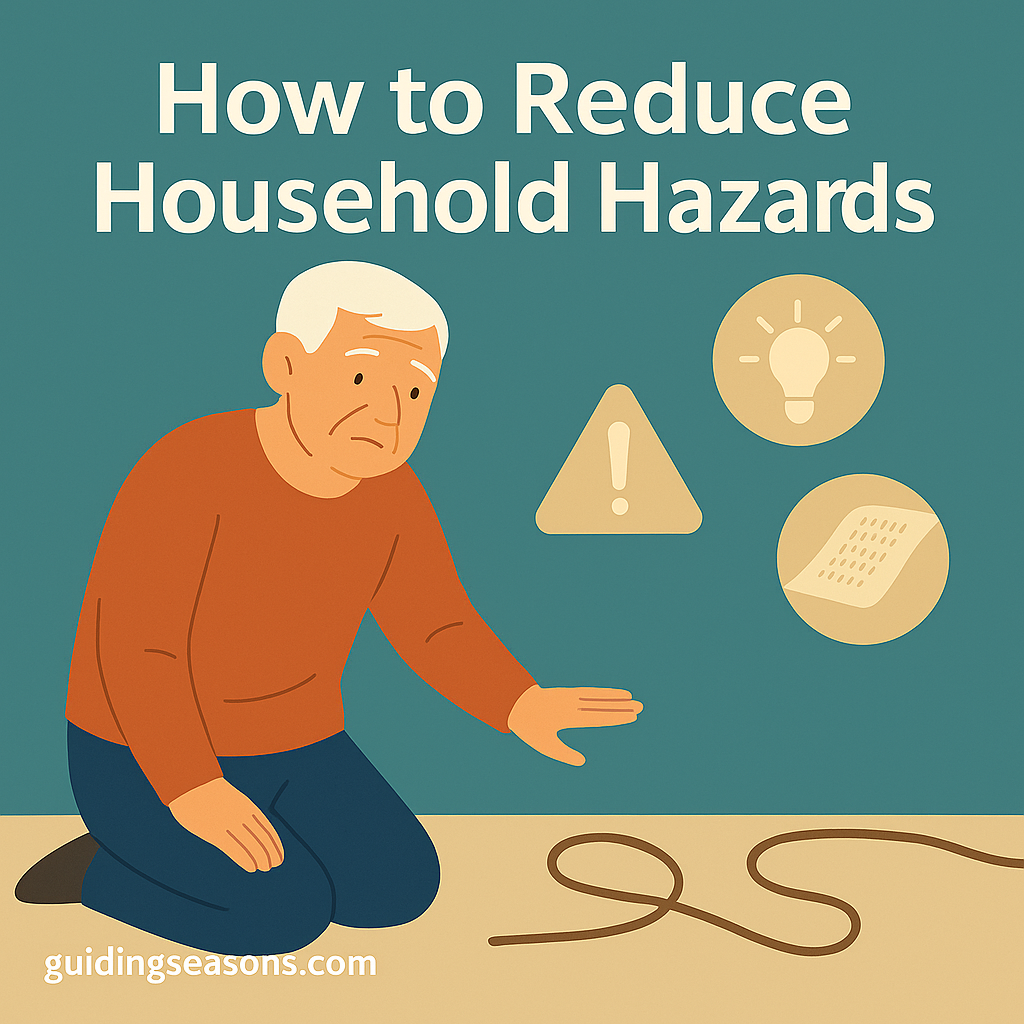
For example, a loose rug may have been in your hallway for 20 years without causing a problem. But if your balance or vision changes, that same rug may eventually become an unnecessary obstacle.
This is why periodically looking at your home with fresh eyes is useful.
The National Institute on Aging recommends addressing common home hazards such as loose rugs, clutter, poor lighting, and unsafe bathroom conditions as part of helping older adults reduce their risk of falls. National Institute on Aging — Falls and Fractures in Older Adults
Start With a Home Safety Walkthrough
Before purchasing equipment or planning renovations, walk through your home.
Move slowly through each room and consider how you actually use the space.
Ask yourself:
- Is there anything I could trip over?
- Are my usual walking paths clear?
- Are stairs well lit?
- Are rugs secure?
- Can I easily get in and out of the shower?
- Do I have to climb to reach everyday items?
- Is there something sturdy to hold when I need support?
- Can I see clearly when walking through the house at night?
Do another walkthrough after dark.
Lighting problems that are difficult to notice during the day often become obvious at night.
Write down anything that concerns you. You do not need to fix everything immediately.
Start with hazards that could most easily contribute to a fall or injury.
Improve Lighting Throughout the Home
Good lighting is one of the simplest home-safety improvements.
Make sure frequently used areas have bright, even lighting.
Pay particular attention to:
- Stairways
- Hallways
- Bathrooms
- Kitchens
- Bedrooms
- Entrances
- Garages
Replace burned-out bulbs promptly.
Consider adding night-lights between the bedroom and bathroom.
Motion-activated lights can also be useful because they automatically illuminate an area without requiring you to search for a switch.
Keep a lamp within easy reach of the bed.
If you wake during the night, turn on a light before standing and walking.
Also consider contrast. A dark object on a dark floor can be difficult to see even when the room has some illumination.
The goal is not simply having more lights. It is making obstacles and changes in floor level easy to identify.
Create Clear Walking Paths
Clutter can gradually accumulate without being noticed.
Shoes, boxes, electrical cords, pet toys, magazines, and small pieces of furniture can all interfere with walking.
Prioritize the routes you use most frequently, such as:
- Bedroom to bathroom
- Bedroom to hallway
- Living room to kitchen
- Front door to living area
- Stairways
Try to create direct paths that do not require you to weave between furniture.
Imagine that your bedroom is 18 feet from the bathroom. Along that short route are a pair of shoes, a laundry basket, an electrical cord, and a small stool.
That means you encounter four potential obstacles during an 18-foot nighttime walk.
Moving those four objects may take less than five minutes and cost nothing, yet it could make that frequently used route considerably easier to navigate.
Small improvements like this are an excellent place to start.
Secure or Remove Loose Rugs
Throw rugs and area rugs deserve special attention.
Check whether rugs:
- Slide when stepped on
- Curl at the corners
- Bunch easily
- Have raised edges
- Interfere with a walker or cane
If a small rug constantly moves, consider removing it.
Rugs you want to keep should be properly secured using a suitable non-slip backing or other appropriate method.
Pay extra attention to rugs near:
- Beds
- Bathrooms
- Kitchen sinks
- Doorways
- Stair landings
Never assume a familiar rug is harmless simply because it has been there for years.
Make the Bathroom Safer
Bathrooms are particularly important because they combine water, hard surfaces, and movements involving stepping, turning, sitting, and standing.
Consider whether your bathroom could benefit from:
- Secure grab bars
- Slip-resistant surfaces
- A shower chair or bench
- A handheld showerhead
- Improved lighting
- An appropriate raised toilet seat
Grab bars should be securely installed into appropriate structural support or with hardware designed for the application.
A towel rack should never be treated as a grab bar.
Keep frequently used toiletries somewhere easy to reach so you do not have to stretch or bend awkwardly while bathing.
Keep floors dry and address leaking fixtures promptly.
For larger renovations, a walk-in or low-threshold shower may be worth considering if stepping over the side of a bathtub becomes difficult.
Make Stairs Easier to Navigate
Stairways should be completely free of clutter.
Avoid placing:
- Shoes
- Laundry
- Packages
- Books
- Decorative objects
on steps.
Check that handrails are secure and easy to grip.
Having a usable handrail on both sides may provide additional support.
Stairways should also have adequate lighting. Ideally, you should be able to illuminate the staircase before stepping onto it.
If individual steps are difficult to distinguish, improved contrast may help depending on your vision and staircase design.
Do not rush on stairs, particularly when carrying objects.
If you routinely carry laundry or other heavy items between floors, consider using smaller loads or asking for assistance.
Store Everyday Items Within Comfortable Reach
Your home should be organized around the belongings you actually use.
Avoid repeatedly climbing onto chairs or stools to reach everyday items.
In the kitchen, keep frequently used:
- Dishes
- Cups
- Cookware
- Food
- Small appliances
within comfortable reach.
In the bedroom, position regularly worn clothing where you can access it without excessive bending or stretching.
The same principle applies in bathrooms, closets, garages, and laundry rooms.
Items you use every day deserve the most convenient storage locations.
Objects used once or twice a year can occupy less accessible spaces.
Simplify Furniture Arrangements
Furniture placement can have a major effect on safety.
Look at your rooms from the perspective of movement rather than decoration.
Do you have to walk around a coffee table every time you enter the living room?
Does a floor lamp narrow the pathway?
Is a small decorative table easy to bump into?
Consider removing or repositioning:
- Small tables
- Footstools
- Floor lamps
- Plant stands
- Unused chairs
You do not need to make rooms empty.
Simply create predictable, comfortable routes between frequently used areas.
If you use a cane, walker, or wheelchair, make sure there is enough space to maneuver comfortably.
Make Entrances and Exits Safer
Home safety begins before you enter the house.
Examine:
- Front steps
- Porch
- Driveway
- Sidewalk
- Garage entrance
- Back entrance
Look for uneven pavement, loose railings, poor lighting, or objects that could create a tripping hazard.
Exterior steps should have secure handrails where appropriate.
Keep pathways clear of:
- Garden hoses
- Tools
- Packages
- Leaves
- Debris
Make sure your house number is visible so emergency responders can locate the home if necessary.
Motion-activated exterior lighting can also improve visibility after dark.
Check Doors, Handles, and Thresholds
Small features can make everyday activities surprisingly difficult.
Round doorknobs require gripping and twisting. Lever-style handles may be easier for people with reduced hand strength or dexterity.
Also examine doorway thresholds.
A raised threshold that you barely noticed years ago may eventually become something you repeatedly have to step over.
If you use mobility equipment, narrow doorways may also become inconvenient.
Some relatively simple changes, such as offset hinges, may provide additional clearance in certain situations. Larger modifications should be evaluated by an appropriate professional.
Improve Kitchen Safety
The kitchen presents several potential hazards, including heat, water, sharp objects, and heavy cookware.
Organize frequently used equipment within easy reach.
Avoid storing heavy pots above your head.
When cooking:
- Keep pot handles away from the counter edge.
- Clean spills promptly.
- Keep towels and paper away from burners.
- Turn appliances off after use.
- Keep walking areas clear.
You can also develop a simple kitchen shutdown routine.
Before leaving the kitchen at night:
- Check the stove.
- Check the oven.
- Turn off small appliances as appropriate.
- Check the floor for spills.
- Make sure nighttime lighting is available.
Repeating the same sequence can make the routine easier to remember.
Check Smoke and Carbon Monoxide Alarms
Fall prevention is only one part of home safety.
Working smoke and carbon monoxide alarms are also essential.
Test alarms according to manufacturer instructions and recommended safety guidance.
Make sure alarms can be heard from sleeping areas.
If hearing is limited, specialized alerting devices using visual signals or other methods may be appropriate.
Do not climb onto unstable furniture to test or replace an alarm.
Ask someone for assistance if an alarm is difficult to reach.
Keep Emergency Essentials Accessible
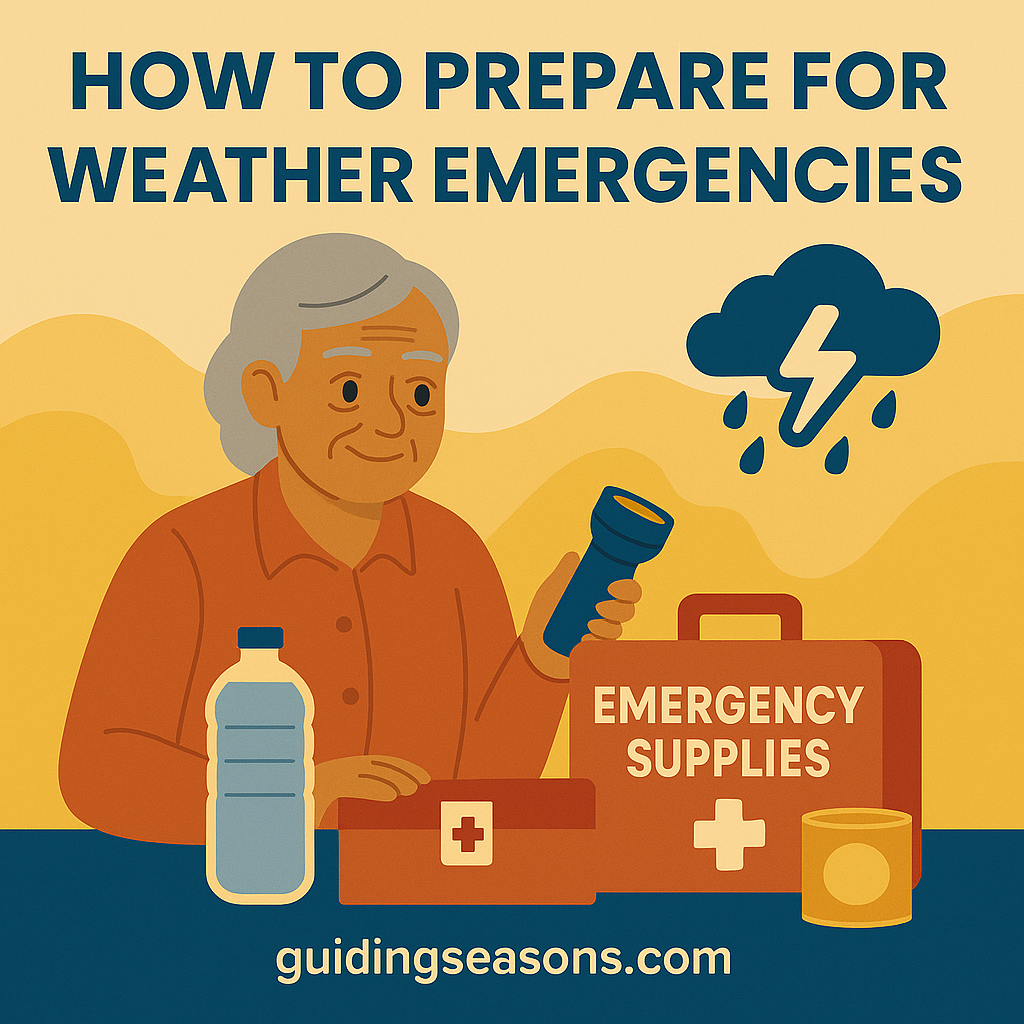
Think about what you would need if the power went out or another emergency occurred.
Keep useful items somewhere easy to find.
These may include:
- Flashlights
- Spare batteries
- First-aid supplies
- Emergency contact information
- Phone chargers
- Necessary medical information
Keep your phone charged and accessible, especially at night.
If you rely on electrically powered medical equipment, discuss backup planning with your healthcare provider, equipment supplier, utility provider, or appropriate emergency-planning resources.
Consider Helpful Technology
Smart-home devices can sometimes make everyday life easier.
Examples include:
- Voice-controlled lights
- Smart thermostats
- Video doorbells
- Automatic lighting
- Smart plugs
- Remote-controlled blinds
Technology should solve a real problem rather than make the home more complicated.
For example, being able to turn on a hallway light using your voice before getting out of bed could be genuinely useful.
A video doorbell may allow you to identify a visitor without rushing to the door.
Choose technology you are comfortable operating and make sure essential household functions can still be managed if the internet is unavailable.
Consider a Medical Alert System
For someone who lives alone or has an increased risk of falling, a medical alert device may provide another way to request assistance.
Depending on the system, features may include:
- Emergency buttons
- Two-way communication
- Fall detection
- GPS
- Cellular connectivity
- Waterproof wearables
No device can prevent every emergency, and automatic fall detection is not perfect.
Think of an alert system as one part of a broader safety plan rather than a substitute for addressing hazards around the home.
Do Not Overlook Outdoor Areas
Safety improvements should extend beyond the front door.
Check:
- Walkways
- Patios
- Decks
- Driveways
- Outdoor steps
Repair uneven surfaces when possible.
Keep pathways free of hoses, gardening tools, leaves, and other obstacles.
Make sure outdoor areas you use after dark have adequate lighting.
If you garden, store tools when you finish rather than leaving them along pathways.
Know When to Ask for Help
Making your home safer should not create another safety risk.
Avoid climbing ladders, moving extremely heavy furniture, or attempting electrical or structural repairs you are not qualified to perform.
Ask for help with tasks such as:
- Installing grab bars
- Repairing handrails
- Moving furniture
- Replacing high light bulbs
- Electrical work
- Doorway modifications
Depending on the project, assistance might come from family, friends, a qualified handyman, electrician, contractor, or other professional.
An occupational therapist can also evaluate how you perform everyday activities in your home and recommend modifications based on individual needs.
Balancing Safety With Independence
Some people resist home modifications because they associate them with declining independence.
It can be more useful to think about them differently.
Safety improvements often help preserve independence.
A grab bar may allow you to shower more confidently.
Better lighting may make it easier to move through the home at night.
Reorganizing the kitchen may allow you to continue preparing meals without climbing onto a stool.
A secure handrail may make stairs easier to use.
The objective is not to restrict what you can do.
It is to remove unnecessary obstacles so you can continue doing as much as possible comfortably and confidently.
Pay Attention to Changes in Confidence
Sometimes your own behavior provides clues that the home needs to change.
Notice if you have started:
- Avoiding stairs
- Hesitating before entering the shower
- Holding onto furniture while walking
- Avoiding certain rooms at night
- Leaving items unused because they are difficult to reach
- Feeling nervous about carrying objects
These changes are worth paying attention to.
Instead of simply avoiding an activity, ask whether the environment could be modified to make it easier.
For example, avoiding the downstairs bathroom because it is too dark may be solved by better lighting. Difficulty entering the shower may indicate a need for a grab bar or other accessibility improvement.
Small environmental changes can sometimes restore confidence quickly.
Create a 10-Minute Monthly Home Safety Check
Home conditions change.
Furniture moves, light bulbs burn out, rugs become worn, and clutter gradually accumulates.
A simple 10-minute monthly safety check can help you notice problems early.
Try:
Minutes 1–2: Check main walking paths for clutter.
Minutes 3–4: Inspect rugs and floors.
Minutes 5–6: Check bathroom and stairway safety.
Minutes 7–8: Look for burned-out lights or poor nighttime visibility.
Minutes 9–10: Check entrances, exits, and frequently used storage.
If you notice something that requires repair, write it down.
You do not need to fix every issue during the inspection. The purpose is to identify problems before you become accustomed to them.
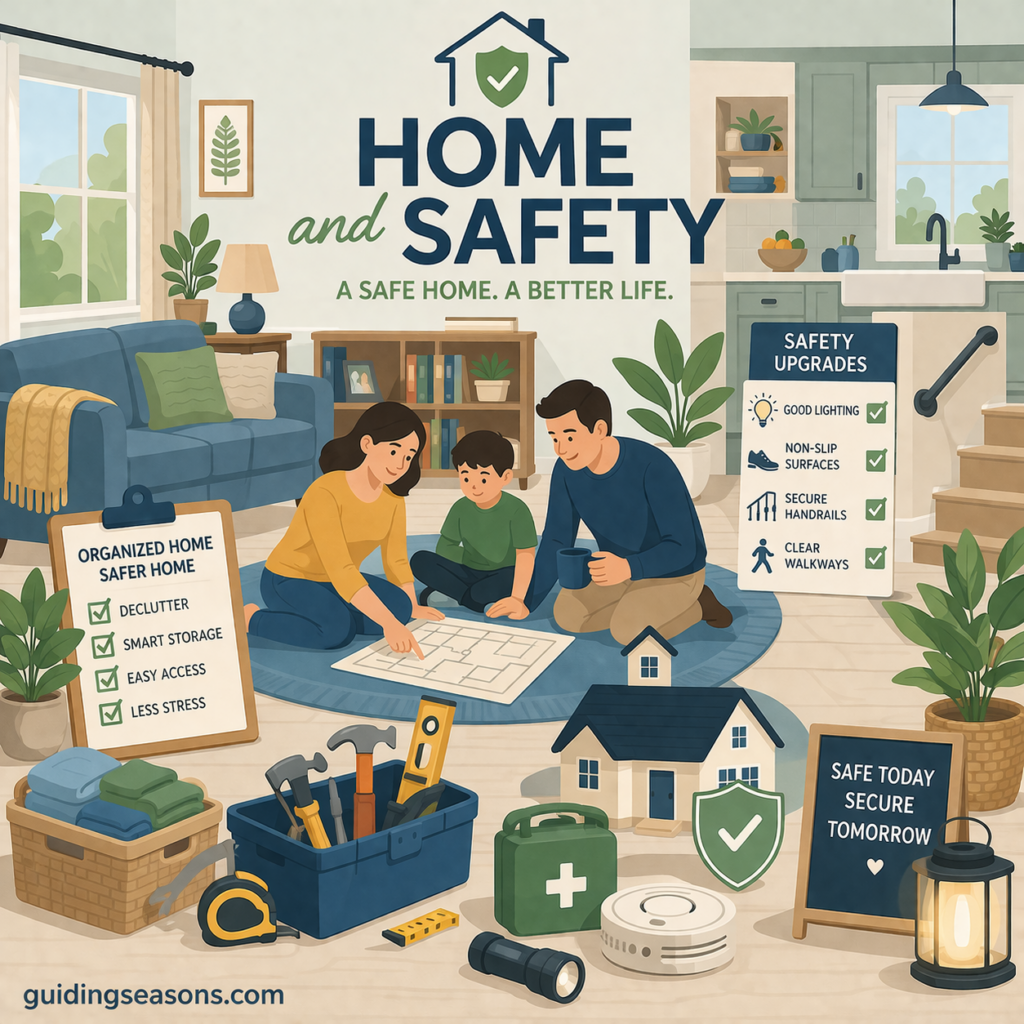
A Simple Home Safety Checklist
Periodically check whether:
- Walking paths are clear.
- Rugs are secure.
- Electrical cords are out of the way.
- Rooms and hallways are adequately lit.
- Night-lights are available where needed.
- Bathroom floors provide good traction.
- Grab bars are secure.
- Stairway handrails are sturdy.
- Stairs are free of clutter.
- Frequently used items are easy to reach.
- Heavy objects are stored safely.
- Exterior pathways are clear.
- Entrances are well lit.
- Smoke and carbon monoxide alarms work.
- Emergency supplies are accessible.
- Important repairs have been addressed.
Do not worry if you cannot complete everything at once.
Start with anything that poses an immediate risk and gradually work through the remaining improvements.
Related Guidance You May Find Helpful
Home safety is closely connected with mobility, organization, and confidence. You may also find these topics useful:
- How to Improve Home Accessibility
- Decluttering Tips for a Safer Home
- How to Reduce Household Hazards
- How to Maintain a Clean and Safe Home
- Safety Tips for Seniors Living Alone
- Daily Mobility Exercises That Keep Seniors Active
Together, these strategies can help create an environment that supports both physical safety and everyday independence.
Final Thoughts
Making your home safer as you age is not about expecting something bad to happen.
It is about allowing your home to continue working for you.
Begin with simple changes. Improve lighting, remove tripping hazards, secure rugs, clear pathways, and move frequently used belongings to convenient locations.
Then look at areas that may need additional attention, including bathrooms, stairs, entrances, kitchens, and outdoor walkways.
As your needs change, your home can change with you.
You may eventually benefit from grab bars, different furniture arrangements, accessibility modifications, smart-home technology, or professional guidance. Making these adjustments does not represent a loss of independence.
In many cases, they help protect it.
A home that is easier to navigate can encourage you to remain active, complete everyday tasks confidently, and spend less time worrying about falls or other avoidable hazards.
You do not have to transform your entire home at once. Start with one hallway, one bathroom, or one frequently used pathway.
Small improvements made gradually can add up to a home that remains comfortable, familiar, and supportive through every season of life.