
How to Maintain Strong Bones as You Age

Older woman exercising outdoors with a dumbbell on a sunny day, demonstrating healthy habits that help maintain strong bones as you age.
An older woman lifts a dumbbell while exercising outside, highlighting simple ways to maintain strong bones as you age.

Healthy bones are essential for staying active, mobile, and independent as you grow older. Your bones provide the framework that supports your body, protect vital organs, and work with your muscles to make everyday movement possible.

But bones aren’t permanent, unchanging structures. They are living tissue that is continually broken down and rebuilt. As you get older, this balance can shift, and bone may be lost faster than the body replaces it.

Over time, declining bone density can increase the risk of osteoporosis and fractures. The encouraging news is that age isn’t the only factor determining bone health. Nutrition, physical activity, fall prevention, smoking, alcohol use, medications, and preventive healthcare can all make a difference.

You don’t need to completely change your lifestyle overnight. Consistent habits—such as getting enough calcium and vitamin D, performing weight-bearing and resistance exercises, and taking steps to prevent falls—can help protect your bones throughout later life.

Continue reading “How to Maintain Strong Bones as You Age”
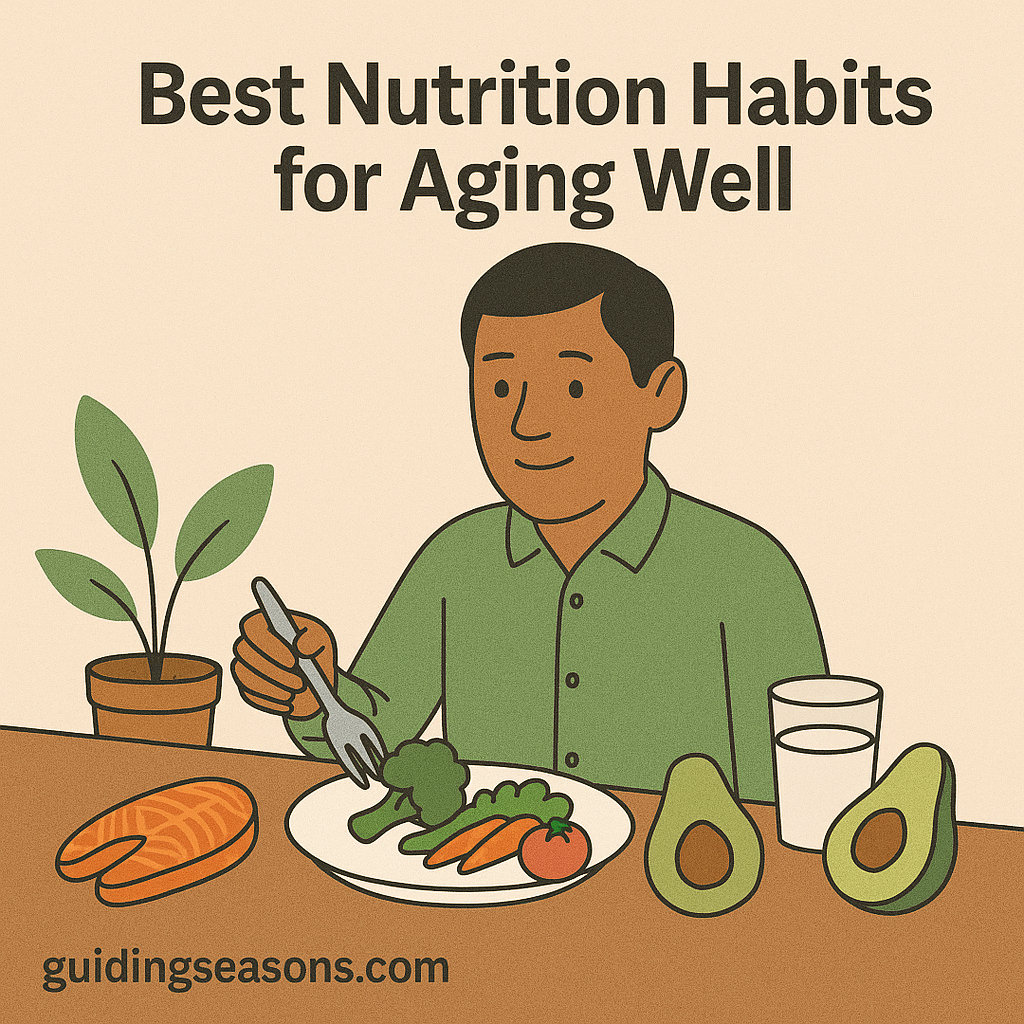
Best Nutrition Habits for Aging Well

Middle-aged man eating a plate of healthy foods such as broccoli, carrots, avocado, and salmon to represent the best nutrition habits for aging well.
A middle-aged man enjoys a nutritious meal to support healthy aging.

Aging well isn’t just about genetics. The habits you practice every day can influence your energy, strength, mobility, and overall quality of life as you get older. Among those habits, good nutrition plays an especially important role.

Your nutritional needs change with age. You may need fewer calories than you did when you were younger, while still needing plenty of protein, fiber, vitamins, minerals, and other essential nutrients. This makes the quality of the foods you eat increasingly important.

A healthy diet does not have to involve complicated meal plans, expensive ingredients, or strict rules. Instead, focus on building sustainable habits: eating a variety of nutrient-dense foods, getting enough protein, drinking adequate fluids, choosing healthier fats, and limiting foods that provide lots of calories but relatively little nutrition.

The National Institute on Aging (NIA) recommends that older adults choose a variety of foods from the major food groups while paying attention to nutrients such as protein, calcium, vitamin D, potassium, dietary fiber, and vitamin B12. National Institute on Aging

Here are some of the best nutrition habits you can adopt to support healthy aging.

Continue reading “Best Nutrition Habits for Aging Well”

How to Improve Heart Health After Sixty

Illustration of an older man placing his hand over his heart, surrounded by icons representing heart-healthy habits such as an apple, a blood pressure monitor, and walking shoes, with the title “How to Improve Heart Health After Sixty.”
A senior embracing heart-healthy habits after sixty for better long-term wellness.

Heart health becomes increasingly important after the age of sixty, but supporting it doesn’t always require dramatic lifestyle changes. Small, steady habits can make a meaningful difference. Whether you’re hoping to boost your energy, support healthy blood pressure, reduce your risk of heart disease, or simply feel stronger and more confident day-to-day, focusing on heart-friendly routines can benefit your overall well-being.

The encouraging news is that healthy changes can be worthwhile at any age. Staying active, eating well, managing health conditions, and keeping up with preventive care can all support cardiovascular health as you get older.

Continue reading “How to Improve Heart Health After Sixty”

Daily Mobility Exercises That Keep Seniors Active

Flat illustration of seniors doing gentle daily mobility exercises with a large title focused on staying active.
Seniors demonstrating gentle daily mobility exercises that support flexibility and balance.

Staying active later in life doesn’t require intense workouts, complicated routines, or pushing your body to its limits. For many older adults, mobility is simply about being able to move comfortably and confidently through everyday life.

That can mean getting out of a chair without struggling, reaching into a cabinet, walking through a grocery store, turning to look behind you, getting in and out of a car, or climbing a few stairs safely.

Daily mobility exercises can help support flexibility, balance, strength, and independence when they are done consistently and within a comfortable range.

The National Institute on Aging notes that physical activity can make everyday tasks easier and support independence, including activities such as getting in and out of bed or a chair and moving around the neighborhood.

The goal is not to become extremely flexible or athletic.

The goal is to keep moving well enough to continue doing the things that matter to you.

Continue reading “Daily Mobility Exercises That Keep Seniors Active”