Simple Indoor Hobbies for Rainy Days

Older man sitting indoors on a rainy day working on a puzzle, with icons of books, yarn, and a warm drink representing simple indoor hobbies.
Illustration of a senior enjoying a puzzle indoors on a rainy day with icons symbolizing relaxing indoor hobbies.

Rainy days have a way of changing the pace of life.

Plans may be canceled, outdoor walks postponed, and afternoons can suddenly feel much longer than expected. But staying inside doesn’t have to mean spending the entire day watching television or waiting for better weather.

A rainy day can actually be an opportunity to slow down and enjoy activities that are easy to overlook during busier days.

You might finally start the book sitting on your nightstand, work on a jigsaw puzzle, bake something you’ve wanted to try, organize old photographs, care for your houseplants, or learn something completely new.

For older adults in particular, maintaining enjoyable and meaningful activities can be an important part of staying engaged with everyday life. The National Institute on Aging (NIA) notes that activities such as music, creative writing, digital photography, quilting, and other meaningful pursuits have shown promise for supporting quality of life and well-being, although researchers are still studying their long-term cognitive effects.

The important word is enjoyable.

You don’t have to transform every rainy afternoon into a self-improvement project. Sometimes the best hobby is simply one that makes the day pleasant.

Here are some easy indoor hobbies worth trying.

Continue reading “Simple Indoor Hobbies for Rainy Days”
How to Start Baking as a Relaxing Hobby

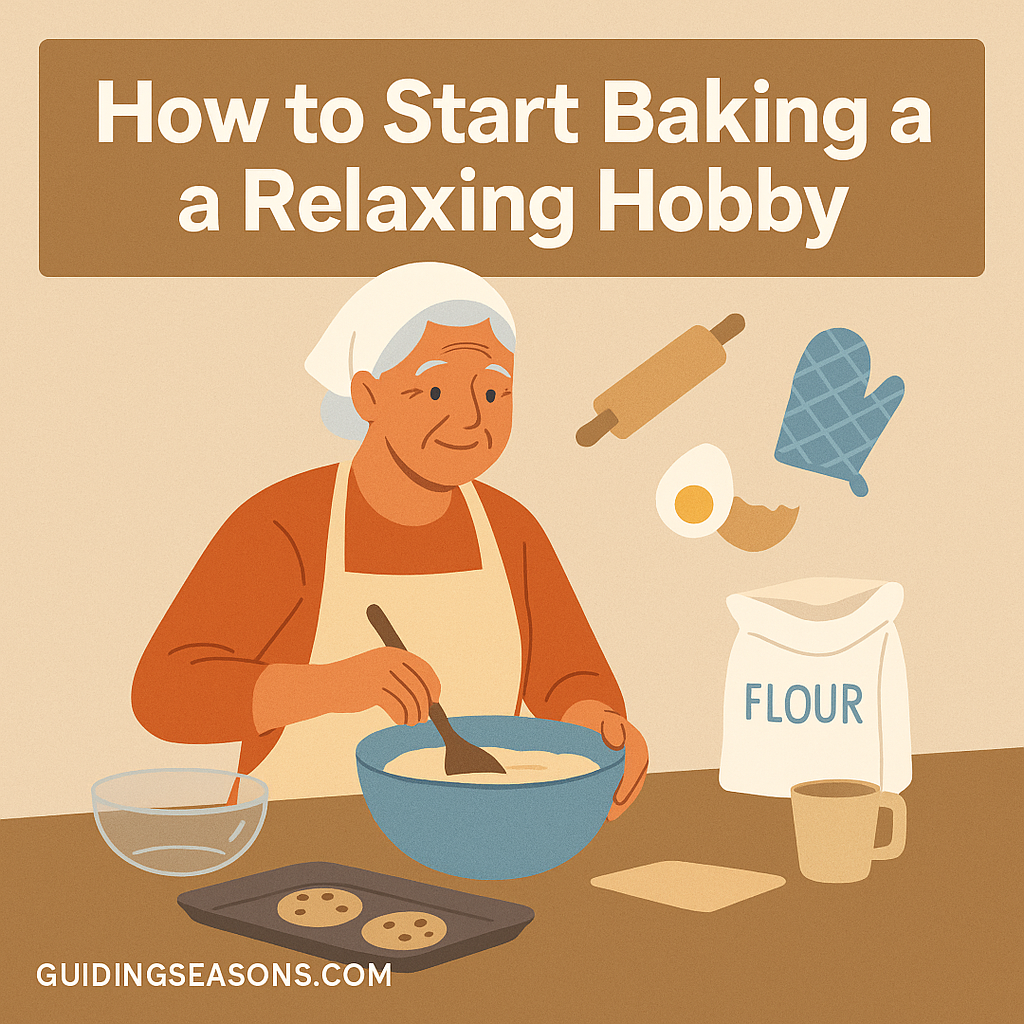
Older woman happily mixing batter in a bowl with baking ingredients and tools around her.
Older woman enjoying baking as a relaxing hobby with simple ingredients on the counter.

Baking can be one of the most relaxing and rewarding hobbies to enjoy at any age. There is something satisfying about taking a handful of ordinary ingredients—flour, butter, eggs, sugar, fruit, or spices—and turning them into warm bread, cookies, muffins, or a homemade cake.

You don’t need professional equipment or years of kitchen experience to begin. In fact, some of the best recipes for new bakers require only a mixing bowl, a few measuring tools, a pan, and an oven.

Baking can also provide a welcome change of pace from a busy or repetitive day. Instead of staring at a screen or rushing through another task, you can slow down, measure ingredients, mix a batter, enjoy familiar aromas, and eventually sit down with something you created yourself.

For seniors looking for a hobby that can be enjoyed comfortably at home, baking is especially flexible. You can bake alone during a quiet afternoon, prepare something with grandchildren, make treats for neighbors, or gradually challenge yourself with new recipes and techniques.

The key is not to turn baking into another source of pressure. Start simply, work at your own pace, and allow yourself to enjoy both the process and the results.

Here’s how to get started.

Continue reading “How to Start Baking as a Relaxing Hobby”

How to Learn Painting as a Senior

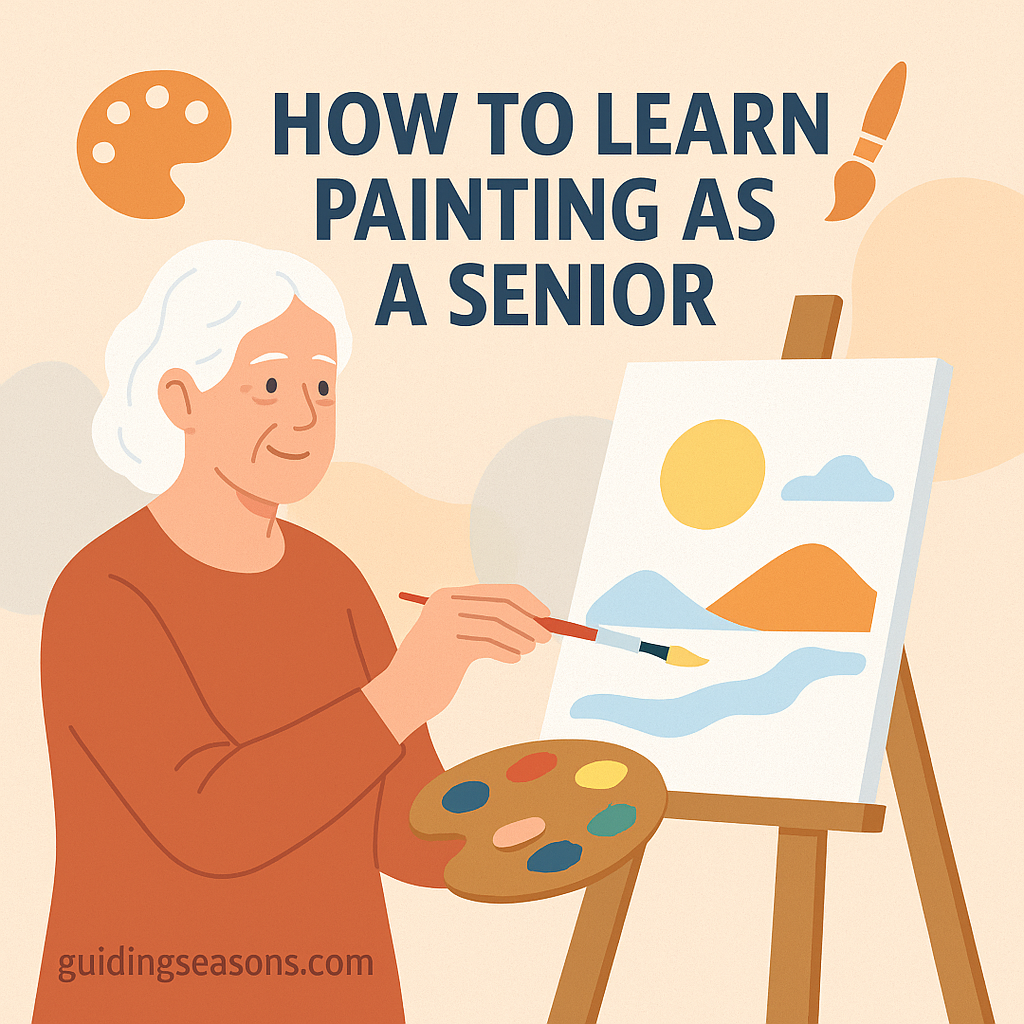
Older woman painting a simple landscape on a canvas while holding a paint palette.
Older woman learning to paint by creating a simple landscape on a canvas.

Painting is one of the most enjoyable and accessible hobbies you can start at almost any age. Whether you’re looking for a creative outlet, a relaxing way to spend your afternoons, or simply something new to learn, painting offers nearly endless possibilities.

You also don’t need to consider yourself “artistic” before you begin. Painting is a skill that can develop gradually through observation and practice. Your first picture doesn’t need to look like something hanging in a gallery. The important part is learning how colors, brushes, shapes, light, and your own imagination work together.

Creative activities can also be a meaningful part of staying engaged as you get older. The National Institute on Aging notes that research on participatory arts shows promise for supporting older adults’ quality of life and well-being, including areas such as self-esteem, social interaction, memory, and stress.

Here’s a simple, encouraging guide to help you start painting as a senior—no previous experience required.

Continue reading “How to Learn Painting as a Senior”

How to Enjoy Birdwatching in Your Area

Group of older adults using binoculars to birdwatch outdoors with colorful birds flying and perched nearby.
Older adults enjoying local birdwatching with binoculars and nature views.

Birdwatching is one of the easiest, most peaceful, and most rewarding hobbies for older adults. You don’t need expensive equipment, long hikes, or expert knowledge to get started. Birds can be found almost everywhere—from your backyard and neighborhood trees to city parks, lakes, beaches, and quiet walking paths.

Part of what makes birdwatching so enjoyable is its flexibility. You can spend five minutes watching birds through a kitchen window or devote an entire morning to exploring a nature preserve. You can enjoy the hobby alone when you want some quiet time or join a local birding group when you feel like being social.

Birdwatching also encourages you to slow down and pay attention to details you might otherwise overlook: a flash of color in a tree, an unfamiliar song, or the changing species that appear as the seasons pass.

Here’s how to start enjoying birdwatching right where you live.

Continue reading “How to Enjoy Birdwatching in Your Area”

How to Start a Photography Hobby

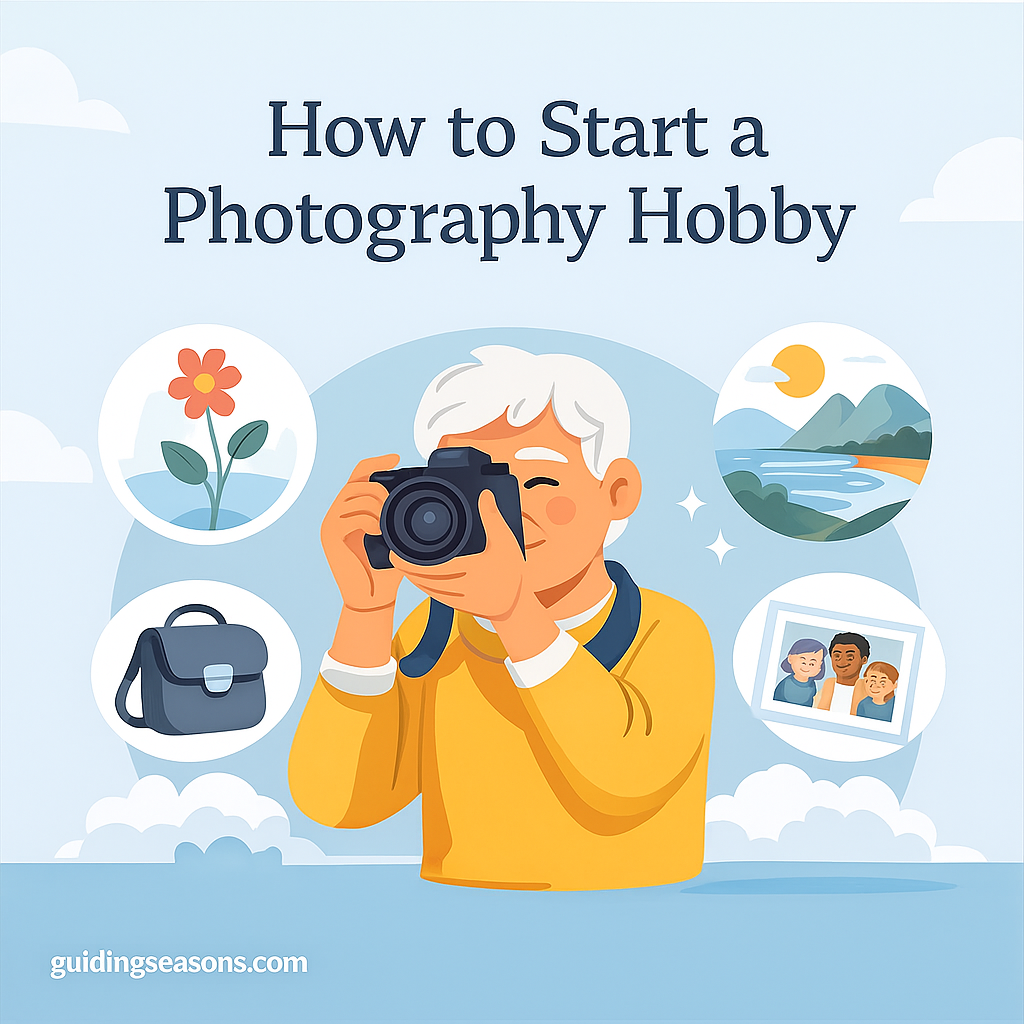
Older man holding a camera and taking a photo with illustrated icons of nature, flowers, and memories surrounding him.
Older man enjoying photography as a relaxing and creative retirement hobby.

Photography is one of the most rewarding hobbies you can pick up later in life. It can be creative, relaxing, social, and endlessly customizable. It encourages you to get outside, explore your surroundings, and pay closer attention to details you might normally walk past.

You don’t need an expensive camera or years of technical training, either. A smartphone may be all you need to begin. Modern phones make it possible to practice composition, lighting, portraits, landscapes, and many other types of photography without carrying additional equipment.

As your interest grows, you can decide whether you want to purchase a dedicated camera or simply continue improving with the equipment you already have.

Photography can also be as active or relaxed as you want. You might take pictures of flowers in your backyard, walk through a local park looking for interesting subjects, photograph family gatherings, or plan trips around scenic locations.

Here’s how to begin your photography hobby with confidence and enjoy the process of becoming a better photographer.

Continue reading “How to Start a Photography Hobby”

Beginner Musical Instruments for Seniors

Older woman sitting on a chair playing a ukulele in a cozy indoor setting.
Older woman learning to play the ukulele as a beginner musical instrument.

Learning a musical instrument later in life can be a wonderful way to try something new, express yourself creatively, and add more enjoyment to your everyday routine. You don’t need past musical experience, perfect rhythm, or years of formal lessons to get started. Curiosity and a willingness to practice are enough.

For seniors, there are plenty of instruments that are relatively easy to approach. Some are lightweight and portable, while others require very little finger strength or musical knowledge. The right choice depends on the kind of music you enjoy, your budget, your physical comfort, and how you hope to play.

Maybe you’ve always wanted to play songs around the house. Perhaps you want to join a community music group. Or maybe you’re simply looking for a relaxing hobby that gives you something new to learn.

Here are some of the best beginner-friendly musical instruments for seniors, along with practical tips for choosing one and making your first few weeks of practice enjoyable.

Continue reading “Beginner Musical Instruments for Seniors”

How to Begin Journaling for Reflection

Older woman with short white hair journaling peacefully at a table in a warm, cozy room with soft lighting, a plant, and the title “How to Begin Journaling for Reflection” displayed above.
An older woman writes in her journal in a calm, cozy space, illustrating how reflection through journaling can support emotional well-being.

Journaling is often associated with productivity, goal-setting, habit tracking, or documenting everything that happens during the day. But later in life, journaling can serve a quieter and more personal purpose.

It can become a place to think.

A journal gives you space to reflect on experiences, notice changes in your perspective, work through complicated emotions, preserve meaningful memories, and consider what matters most to you now.

You don’t need to be a good writer.

You don’t need perfect grammar.

And you certainly don’t need to fill several pages every morning.

Reflective journaling can be as simple as writing a few sentences about something that stayed on your mind during the day.

Research on expressive writing suggests that putting thoughts and emotions into words can sometimes help people process stressful experiences. The American Psychological Association notes that expressive writing has been studied as a way of working through difficult experiences and improving psychological well-being, although results can vary from person to person and situation to situation.

The goal, then, isn’t to use journaling as a cure for stress or emotional difficulties.

It’s to create a private space where you can listen to yourself.

Here’s how to begin.

Continue reading “How to Begin Journaling for Reflection”

Best Books to Read in Your Senior Years

Older woman sitting in a cozy armchair under warm lighting while reading a book, with the title “Best Books to Read in Your Senior Years” displayed above
An older woman reads comfortably in a cozy chair, illustrating the joy and relaxation that books can bring during the senior years.

Reading is one of the most enjoyable and enriching hobbies at any age—but it can be especially rewarding in your senior years. Books offer entertainment, inspiration, opportunities to keep learning, and even a sense of companionship through memorable characters and stories.

Whether you love novels, memoirs, history, self-help, or practical guides, there are countless titles that can speak beautifully to this season of life.

Here are some wonderful book categories and recommendations that many older adults may find meaningful, engaging, and enjoyable.

Continue reading “Best Books to Read in Your Senior Years”

Fun Social Activities for Older Adults

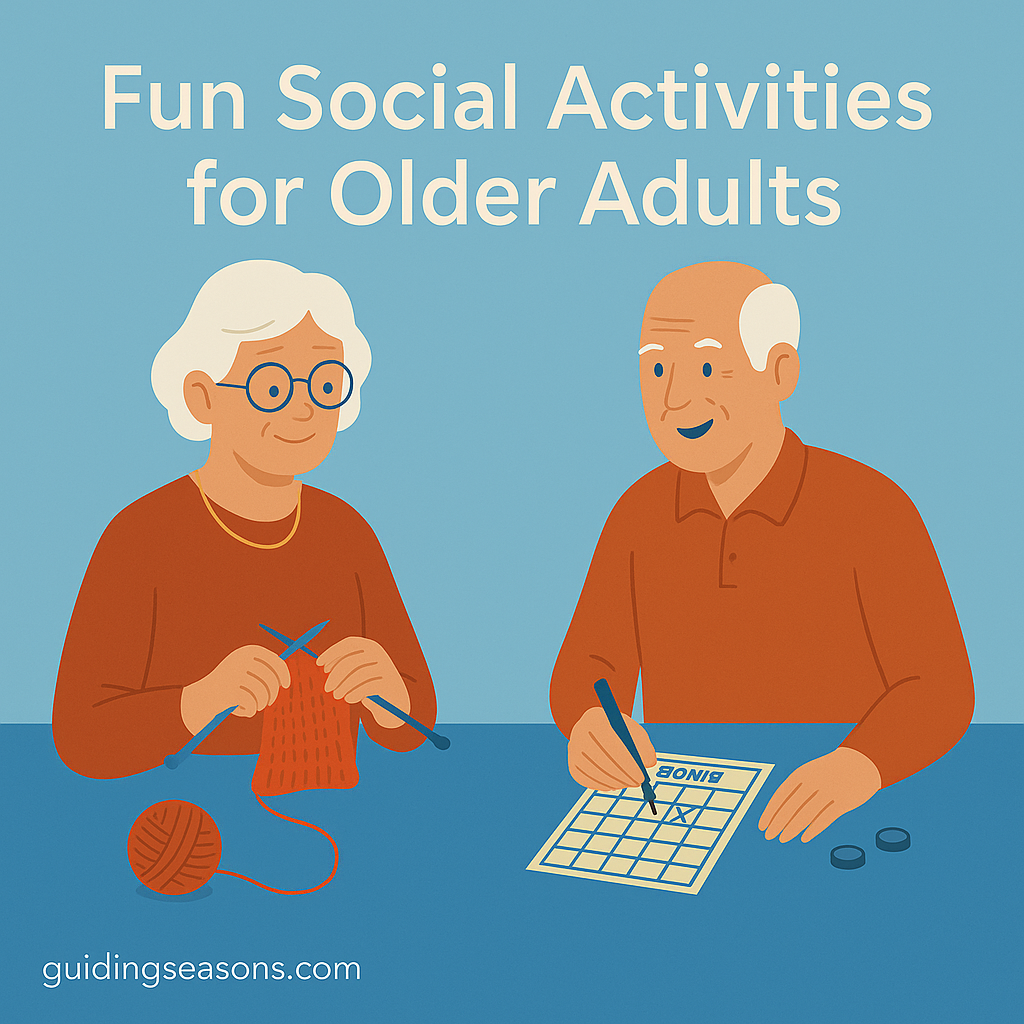
Older woman knitting and older man playing bingo at a table with the title “Fun Social Activities for Older Adults” above them.
An older woman knits while an older man plays bingo, illustrating fun and engaging social activities for older adults.

Staying socially active can be an important part of enjoying life as you get older. Connecting with other people gives you opportunities to share experiences, laugh, learn something new, and maintain relationships outside your immediate household.

Retirement and other life changes can sometimes make socializing less automatic. When you’re no longer going to work every day, raising children, or following the same routines you had for decades, you may need to become more intentional about finding opportunities to connect.

Fortunately, socializing doesn’t have to mean attending large parties or maintaining a packed calendar. There are many enjoyable ways for older adults to spend time with others—at home, in the community, outdoors, or even online.

The National Council on Aging (NCOA) highlights the importance of social connection as people age and offers ideas for maintaining relationships and becoming more involved in the community.

The key is finding activities that match your personality, interests, abilities, and preferred level of social interaction.

Here are some fun and meaningful social activities to consider.

Continue reading “Fun Social Activities for Older Adults”

How to Build a Weekly Lifestyle Routine

Older man writing in a weekly planner with icons for exercise, music, phone calls, and rest behind him, illustrating how to build a weekly lifestyle routine.
An older man organizes his weekly schedule, representing simple steps to build a balanced and meaningful lifestyle routine.

A weekly lifestyle routine can bring structure, balance, and a stronger sense of purpose to everyday life. This can be especially helpful in later years, when schedules may become less defined by work, school, or family obligations than they once were.

A routine does not mean filling every hour of every day.

In fact, the most useful routines usually leave plenty of room for rest, flexibility, spontaneity, and changes in energy. The goal is simply to create a rhythm that helps you make time for the things that support your well-being—movement, social connection, hobbies, appointments, household responsibilities, and relaxation.

Instead of waking up every morning wondering what you should do, a basic routine gives you a starting point.

For example, Monday might usually include a walk, Wednesday could be your day for errands and appointments, and Friday might be reserved for something enjoyable such as painting, gardening, photography, or meeting a friend.

Small patterns like these can make a week feel more organized without making it rigid.

Here’s how to create a weekly lifestyle routine that is realistic, enjoyable, and easy to maintain.

Continue reading “How to Build a Weekly Lifestyle Routine”