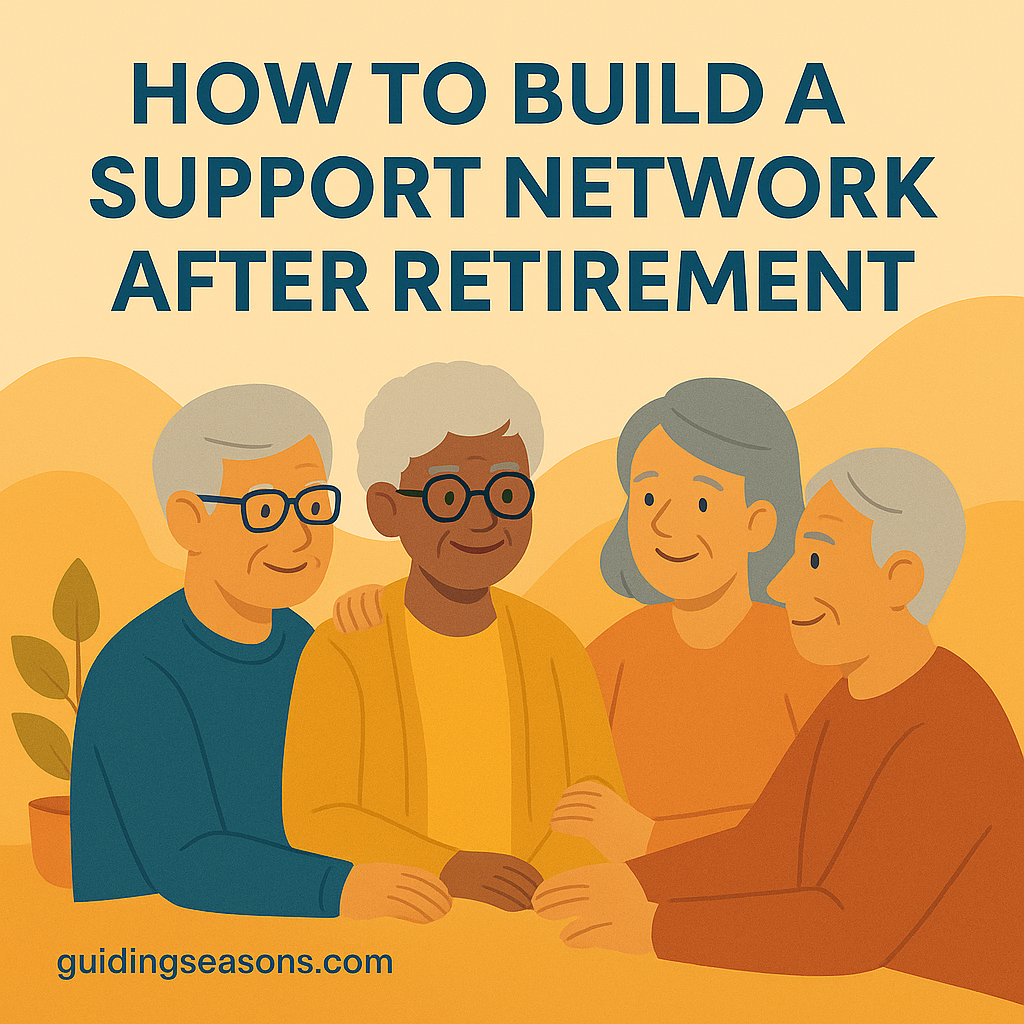
Retirement is a major life transition. While it brings new freedom and flexibility, it also changes your daily routines and the way you connect with others. Without the built-in social structure of work, many retirees find themselves feeling a bit isolated — even if they didn’t expect to.
The good news is that building a strong support network in retirement is absolutely possible. With a little intention, you can create meaningful, uplifting connections that bring joy, belonging, and emotional strength into your daily life.
Here’s how to build a support network that truly supports you during this new chapter.
Understand Why Support Matters
A strong social circle is more than just good company — it supports both emotional and physical health.
A support network helps you:
- Feel connected and valued
- Reduce loneliness and stress
- Stay mentally and emotionally engaged
- Have people to share activities with
- Receive help when you need it
- Maintain a sense of identity and purpose
Humans are social by nature, and retirement is a perfect time to nurture meaningful relationships.
Start by Reconnecting With Old Friends
Sometimes the strongest connections are the ones already in your life.
Try reaching out to:
- Former coworkers
- Old neighbors
- Childhood or school friends
- Extended family members
- Community members you haven’t spoken to in a while
A simple call, message, or invitation for coffee can revive relationships that bring warmth and familiarity.
Join Local Senior Centers or Community Groups
Senior centers are one of the most welcoming spaces for making new connections with people who share your stage of life.
You can find:
- Exercise classes
- Art and craft groups
- Lunch gatherings
- Support circles
- Day trips and outings
- Educational workshops
These communities are specifically designed to help older adults stay active and connected.
Explore Clubs Based on Your Interests
Shared interests make it easy to start conversations and form friendships.
Consider joining:
- Book clubs
- Gardening groups
- Walking or hiking clubs
- Craft or quilting circles
- Choirs or music groups
- Photography or art groups
- Faith-based clubs
Doing what you love naturally helps you meet like-minded people.
Volunteer to Meet Others and Give Back
Volunteering brings a sense of purpose while connecting you with others who care about making a difference.
Great volunteer options include:
- Libraries
- Hospitals
- Schools
- Animal shelters
- Food banks
- Local nonprofits
- Faith organizations
Volunteering builds confidence, routine, and meaningful relationships.
Take a Class or Learn Something New
Lifelong learning brings stimulation, creativity, and new friendships.
Look for classes such as:
- Cooking
- Technology for seniors
- Language learning
- Art or pottery
- Fitness
- Music or dance
- Home improvement workshops
Many libraries, community colleges, and recreation centers offer low-cost or free programs for seniors.
Use Technology to Stay Connected
Technology can strengthen your support network — even if you’re not physically nearby.
Try using:
- Video calls (FaceTime, Zoom, Google Meet)
- Simple messaging apps
- Social media to stay in touch
- Senior-friendly apps designed for connection
If technology feels intimidating, consider taking a beginner class or asking a family member for help.
Build Relationships With Neighbors
Neighbors can become one of your strongest sources of daily support.
Try:
- Sharing baked goods
- Checking in occasionally
- Offering help with small tasks
- Attending neighborhood gatherings
Strong neighbor relationships increase safety, companionship, and trust.
Join Faith Communities or Spiritual Groups
If faith or spirituality is important to you, joining a religious or spiritual group can provide comfort and community.
Options may include:
- Weekly services
- Bible study or discussion groups
- Community dinners
- Volunteer opportunities
- Prayer circles
Faith groups often create deep and lasting connections.
Stay Active and Social Through Physical Activities
Movement naturally brings people together.
Try:
- Walking groups
- Senior fitness classes
- Water aerobics
- Tai chi
- Dance classes
- Yoga
Group exercise boosts both physical and emotional well-being.
Schedule Regular Social Time
Consistency strengthens relationships.
Try:
- Weekly breakfast with friends
- Monthly family game night
- Bi-weekly walking dates
- A regular volunteer shift
- Scheduled calls with friends
Social time becomes easier and more meaningful when planned ahead.
Ask for Help When You Need It
A true support network includes people you trust enough to reach out to when things are tough.
You might ask for support with:
- Transportation
- Medical appointments
- Emotional support
- Technology help
- Daily tasks during recovery
Most people are more than willing to help when asked.
Be Open to New Relationships
Retirement is a fresh chapter — and new friendships can be surprisingly rewarding.
Remember:
- You don’t have to “click” with everyone
- Try small conversations first
- Attend events regularly
- Give relationships time to grow
Connection often forms slowly but beautifully.
Final Thoughts
Building a support network after retirement takes intention, but the rewards are priceless — companionship, laughter, purpose, and a sense of belonging. Whether you rebuild old connections, join new groups, volunteer, take classes, or simply say hello to neighbors, each small step adds warmth and support to your life.
You deserve a retirement filled with meaningful relationships. With a little openness and consistency, you can create a support network that enriches your days and strengthens your emotional well-being.