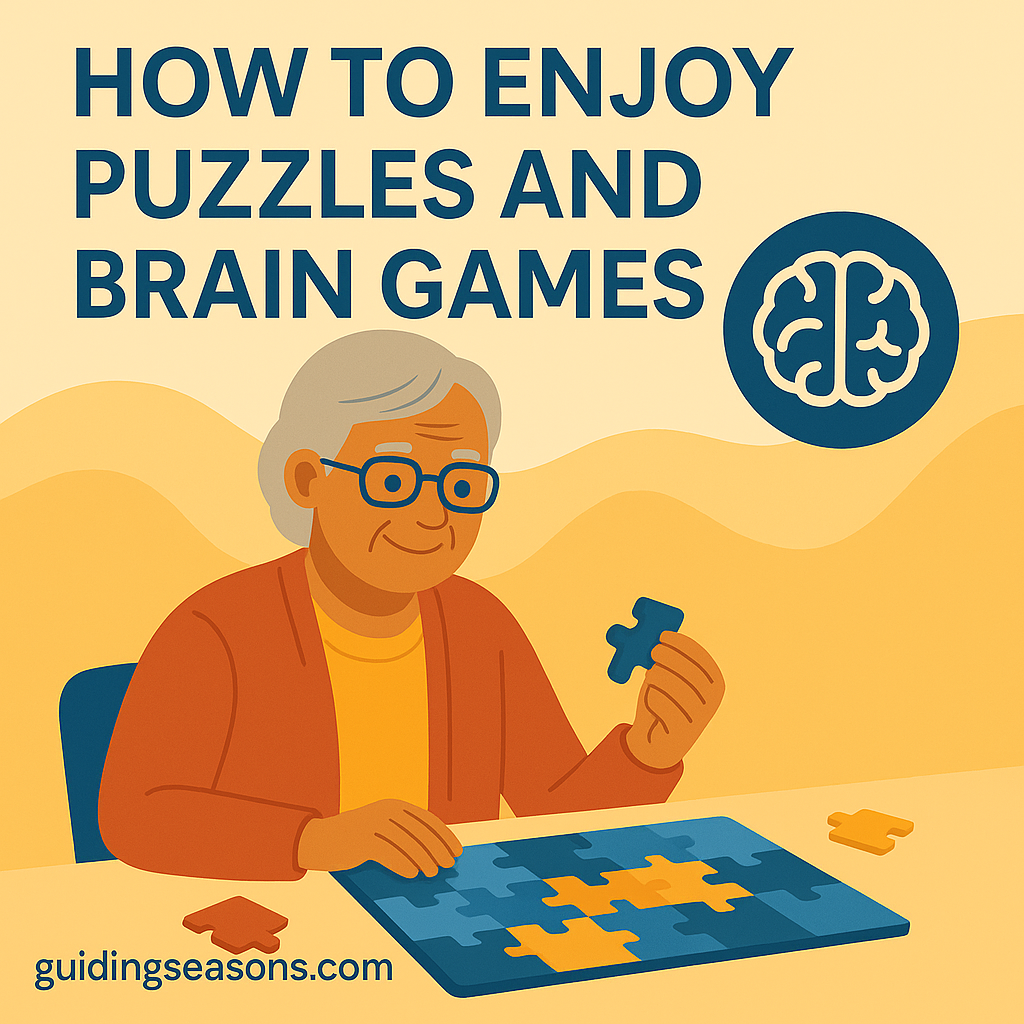
Puzzles and brain games are often recommended as tools for mental stimulation, but they don’t need to feel like work or self-improvement tasks. When approached with the right mindset, they can be a source of enjoyment, relaxation, and gentle mental engagement.
Enjoying puzzles isn’t about performance or difficulty. It’s about curiosity, satisfaction, and the simple pleasure of engaging your mind in a focused, enjoyable way.
Why Mental Engagement Matters at Every Stage of Life
Staying mentally engaged helps support overall well-being, especially during times when daily routines change or slow down.
Mental engagement can:
- Add structure to the day
- Provide a sense of accomplishment
- Offer a break from worry or distraction
- Support confidence and focus
Enjoyment, not pressure, makes engagement sustainable.
Common Misconceptions About Brain Games
Many people stop enjoying puzzles because of unnecessary expectations.
Believing harder is always better
Challenging yourself is useful, but enjoyment matters more than difficulty.
Comparing yourself to others
Skill levels vary widely. Puzzles are personal, not competitive.
Treating puzzles as an obligation
When games feel like chores, motivation fades.
Expecting instant improvement
Mental engagement is about consistency and interest, not quick results.
Ways to Make Puzzles More Enjoyable
Small adjustments can transform puzzles from frustrating to fulfilling.
Choose activities you genuinely enjoy
Crosswords, logic puzzles, word games, number puzzles, or visual challenges — preference matters.
Set comfortable time limits
Short sessions prevent fatigue and keep interest high.
Focus on the process, not the outcome
The act of thinking and exploring matters more than finishing quickly.
Allow yourself to step away
Taking breaks reduces frustration and keeps the experience positive.
Puzzles as a Tool for Relaxation
For many people, puzzles create a calming focus that quiets mental noise. This state of gentle concentration can be restorative, especially when paired with a relaxed environment.
Enjoyment grows when puzzles are seen as a form of leisure rather than training.
When Puzzles Stop Feeling Fun
If puzzles begin to cause frustration or self-doubt, it’s okay to adjust.
Signs include:
- Feeling pressured to perform
- Avoiding games you once enjoyed
- Comparing results too closely
- Feeling mentally drained
Switching formats, lowering difficulty, or taking a break restores balance.
Related Guidance You May Find Helpful
You may also find these articles supportive:
- Relaxing Hobbies That Boost Senior Well-Being
- How to Improve Your Daily Outlook
- How to Strengthen Your Inner Confidence
Together, they support mental engagement and emotional balance.
A Final Thought
Enjoying puzzles and brain games isn’t about keeping score or proving ability. It’s about curiosity, presence, and the satisfaction of engaging your mind in a way that feels good.
When approached with kindness and flexibility, puzzles become a source of enjoyment and calm — not pressure — at any stage of life.