
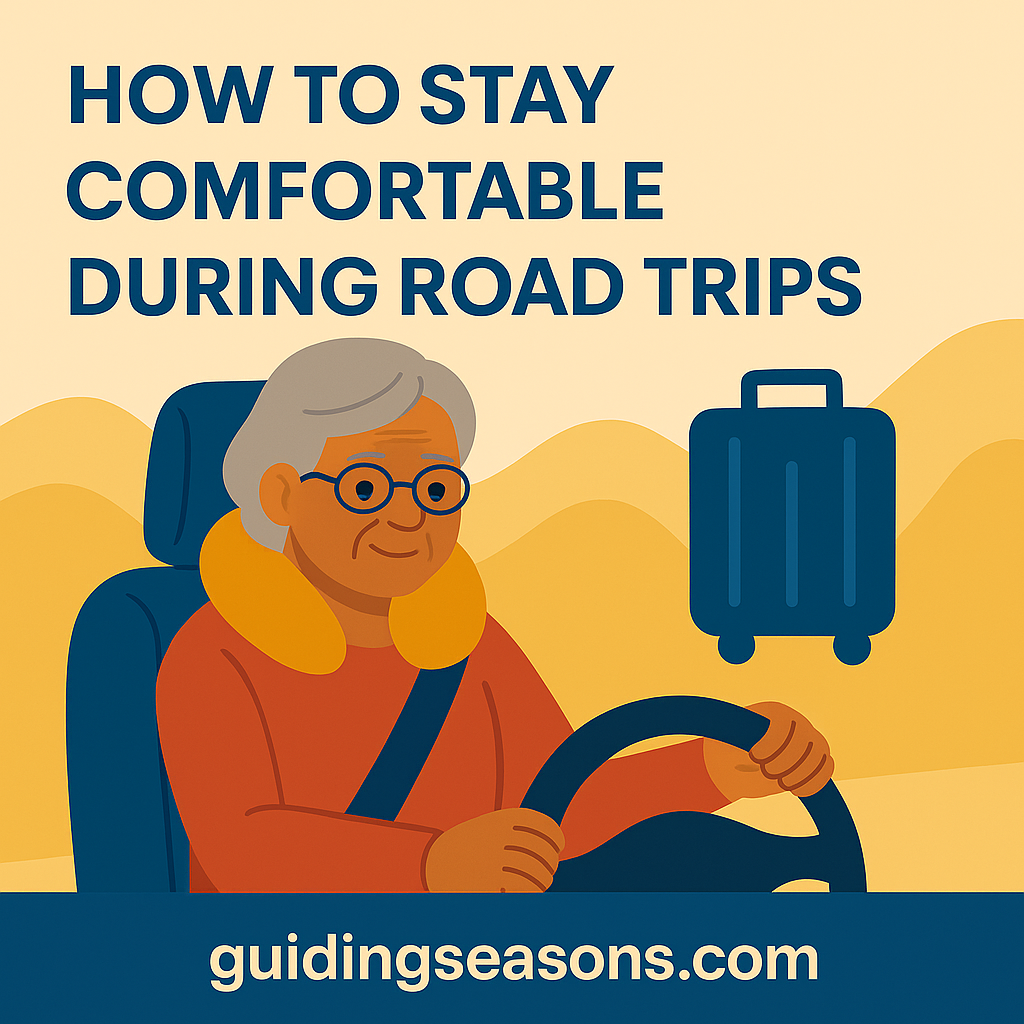
Road trips can be a wonderful way to travel at your own pace, enjoy familiar scenery, and maintain flexibility. As you age, however, long drives may come with new comfort challenges that didn’t exist before.
Staying comfortable during road trips isn’t about pushing through discomfort or avoiding travel altogether. It’s about planning with awareness and adjusting expectations so the journey remains enjoyable rather than exhausting.
Why Comfort Matters More on the Road Over Time
As bodies change, long periods of sitting, limited movement, and extended focus can affect energy levels and physical comfort.
Common challenges include:
- Stiffness or joint discomfort
- Fatigue from sustained concentration
- Sensitivity to temperature or seating support
- Anxiety around unfamiliar routes or stops
Addressing comfort proactively allows you to focus on the experience rather than the strain.
Common Road Trip Comfort Mistakes
Small oversights can quietly reduce enjoyment.
Driving for too long without breaks
Extended sitting can lead to stiffness and discomfort.
Packing without easy access
Frequently used items buried in luggage create unnecessary stress.
Underestimating hydration and nutrition needs
Skipping fluids or meals affects energy and focus.
Rushing the schedule
Tight timelines increase fatigue and anxiety.
Practical Ways to Stay Comfortable While Traveling
Comfort comes from thoughtful pacing and preparation.
Plan regular rest stops
Short breaks to stretch, walk, and reset make long drives more manageable.
Adjust seating for support
Proper posture and seat positioning reduce strain and fatigue.
Dress for flexibility
Comfortable, layered clothing helps regulate temperature throughout the day.
Keep essentials within reach
Water, snacks, medications, and personal items should be easily accessible.
Choose manageable driving segments
Breaking trips into shorter stretches preserves energy and enjoyment.
Balancing Independence With Ease
Road trips often symbolize freedom. Adjusting how you travel doesn’t reduce that freedom — it enhances it.
Traveling at a comfortable pace:
- Reduces physical strain
- Supports focus and safety
- Creates a more relaxed experience
Flexibility is a form of independence.
When Discomfort Signals a Need to Reassess
Occasional fatigue is normal, but persistent discomfort may indicate that adjustments are needed.
Signs include:
- Ongoing pain after driving
- Increased anxiety before trips
- Difficulty recovering after travel days
Listening to these signals helps prevent burnout and allows for more enjoyable future trips.
Related Guidance You May Find Helpful
You may also find these articles useful:
- Best Travel Destinations for Seniors
- How to Make Your Home Safer as You Age
- Daily Mobility Exercises That Keep Seniors Active
Comfort, mobility, and confidence often go hand in hand.
A Final Thought
Staying comfortable during road trips isn’t about limitation — it’s about intention. With thoughtful planning and a flexible mindset, travel can remain a source of enjoyment, connection, and discovery.
Every journey becomes more rewarding when comfort and well-being are treated as priorities, not afterthoughts.