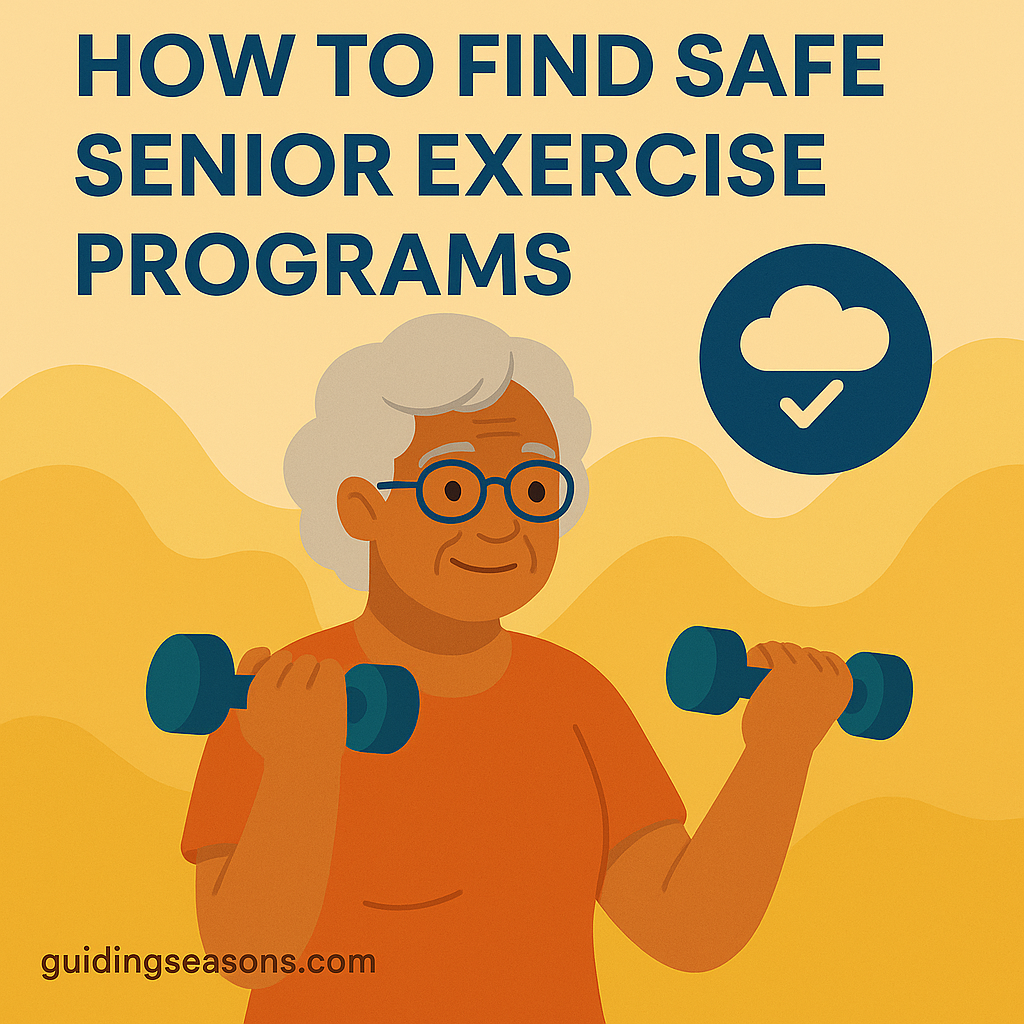
Senior woman lifting dumbbells with a safety checkmark icon.
Staying active is one of the best ways to support your health, mobility, and confidence as you age—but it’s important to choose exercise programs designed specifically for seniors. Safe, senior-friendly fitness options help you build strength, improve balance, boost flexibility, and protect your joints, all while reducing the risk of injury.
Whether you prefer gentle movement or more structured workouts, this guide will help you find exercise programs that fit your goals, abilities, and comfort level.
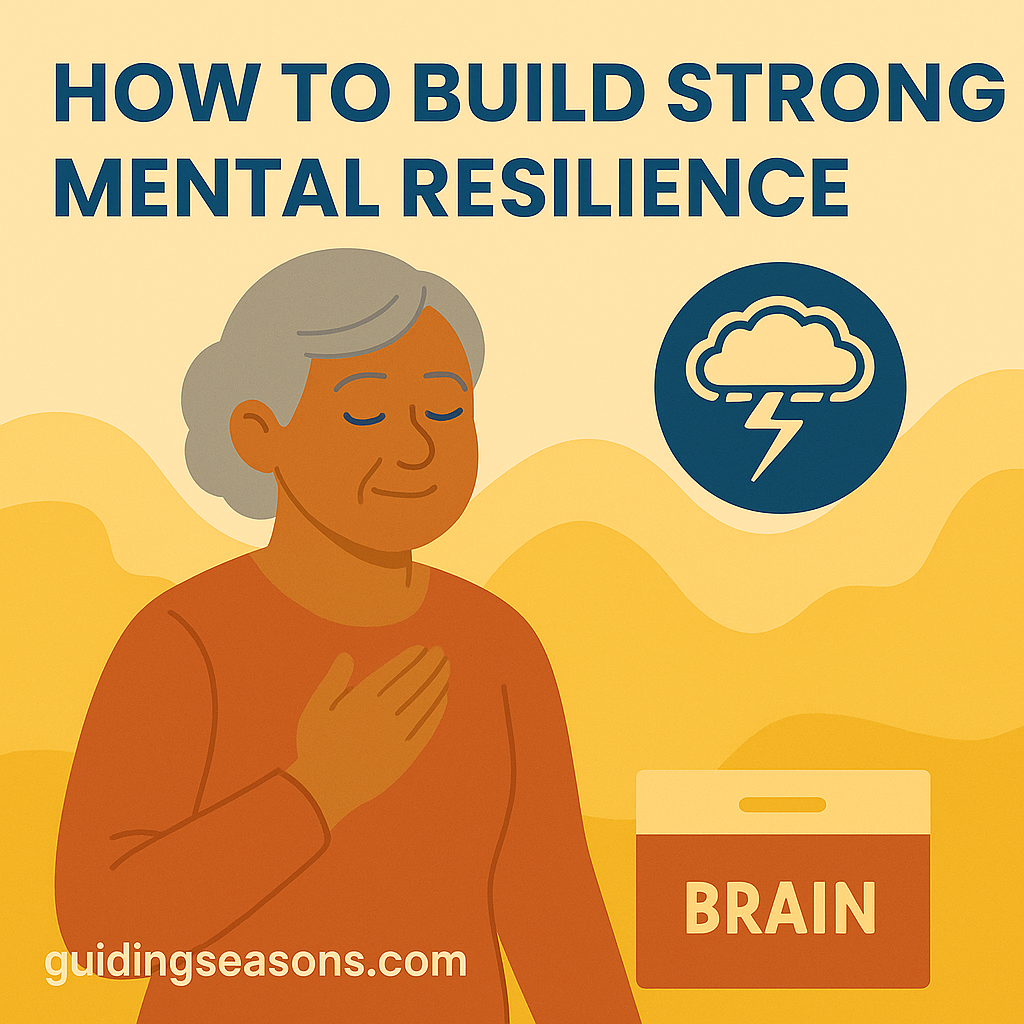
Senior woman practicing calm breathing with a resilience icon in the background.
As you move through different stages of life, challenges can appear in many forms—health changes, financial shifts, loss, or new responsibilities. Mental resilience is the ability to adapt, stay steady, and move forward even when life feels uncertain. And here’s the good news: resilience isn’t something you either have or don’t have. It’s a skill you can strengthen at any age.
This guide offers simple, practical ways to build strong mental resilience so you can stay grounded, confident, and emotionally balanced in your daily life.
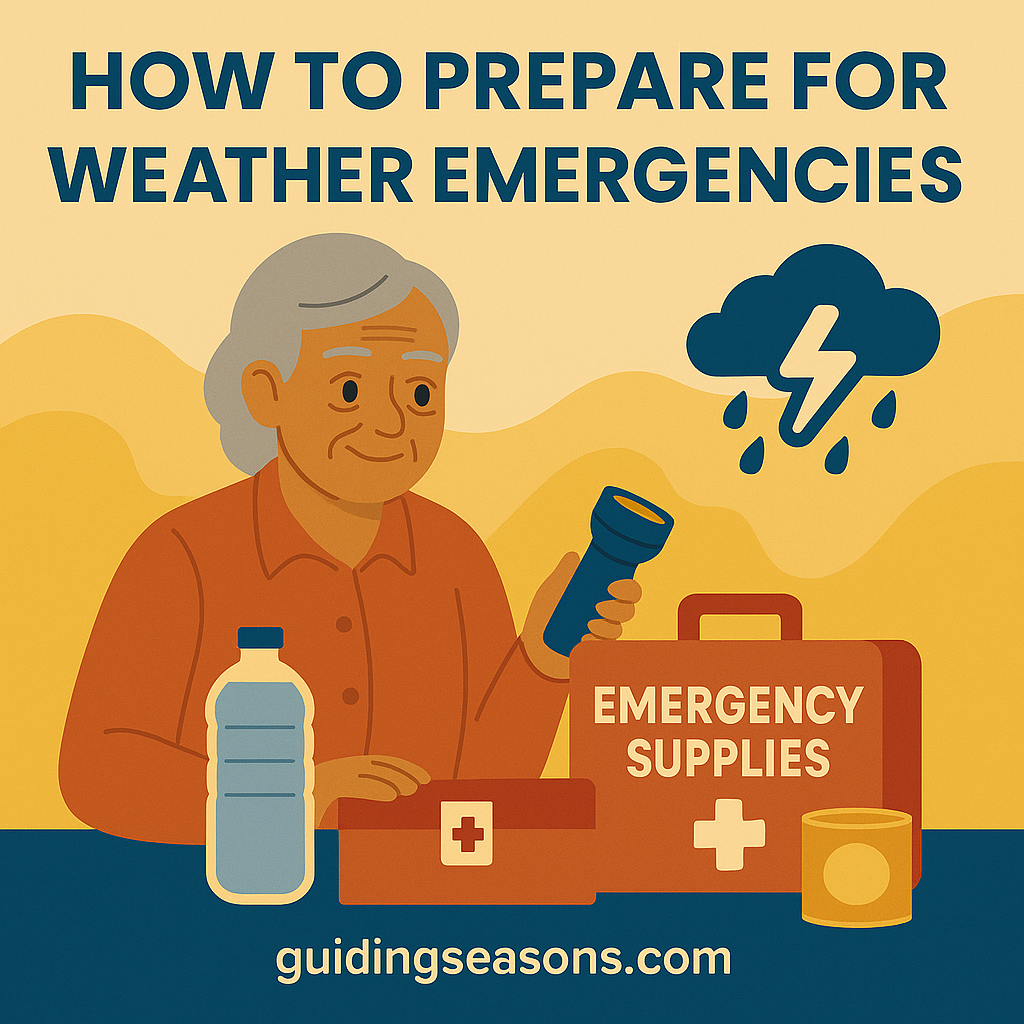
Senior woman preparing an emergency supply kit with a storm icon above.
Weather emergencies can happen quickly—whether it’s a storm, heatwave, wildfire, flood, or winter freeze. Preparing in advance gives you peace of mind and keeps you safe when conditions change suddenly. The good news is that staying ready doesn’t have to be complicated. With a few simple steps, you can protect yourself, your home, and your loved ones in any emergency.
This guide walks you through what to do before severe weather strikes so you can stay calm, confident, and secure.
Senior reviewing insurance plans with a shield checkmark icon.
Comparing insurance plans can feel confusing, especially when every company uses different terms, prices, and coverage options. But understanding your choices is one of the most important steps toward protecting your health, finances, and peace of mind—especially later in life.
The good news? You don’t need to be an expert to make smart insurance decisions. With a simple process and the right questions, you can confidently choose a plan that fits your needs and your budget.
Senior woman packing clothes into a suitcase with a travel icon overhead.
Packing light makes travel easier, more comfortable, and far less stressful—especially for seniors. A lighter suitcase means less lifting, fewer decisions, and more freedom to enjoy your trip. Whether you’re taking a weekend getaway, a cruise, or an international adventure, learning to pack efficiently can transform your travel experience.
This guide offers simple, practical tips to help you bring only what you truly need while still feeling prepared and confident on every trip.
Senior woman blocking a spam call on her smartphone with a warning icon shown above.
Spam calls and unwanted messages have become increasingly common, and for many seniors, they can be frustrating, disruptive, and sometimes even dangerous. Scammers often target older adults with fake offers, threats, or misleading information. Learning how to block these interruptions is one of the best ways to protect your peace of mind and stay safe.
Fortunately, most phones, carriers, and apps offer simple tools to help you reduce or eliminate spam. This guide walks you through easy steps to block spam callers and keep your device safe.
Senior woman writing on a clipboard with a community icon symbolizing local programs.
Community programs offer opportunities for connection, learning, and shared experience — especially during life stages when routines change and social circles shift. For many people, however, joining new groups can feel uncomfortable or intimidating at first.
Participating in community programs doesn’t require instant confidence or full commitment. It’s about finding spaces that feel welcoming, meaningful, and aligned with your comfort level.
/more
Why Community Involvement Matters More Over Time
As work and family responsibilities change, opportunities for regular social interaction may decrease. Community programs can help fill that gap by offering structure and connection without pressure.
Benefits often include:
A sense of belonging
Opportunities for shared interests
Emotional support and companionship
Renewed purpose and routine
Connection supports both emotional and mental well-being.
Common Barriers to Getting Involved
Many people hesitate not because they lack interest, but because of understandable concerns.
Fear of not fitting in
Worrying about age, ability, or experience can prevent participation.
Discomfort with new social settings
Entering unfamiliar environments can feel vulnerable.
Concern about commitment
Some avoid programs fearing long-term obligations.
Doubting personal value
Feeling unsure about what you have to contribute can hold you back.
These feelings are common and valid.
Practical Ways to Begin Participating
Starting small helps community involvement feel manageable.
Observe before engaging
Attending an event as an observer allows you to assess comfort without pressure.
Choose interest-based programs
Shared interests naturally ease conversation and connection.
Set personal boundaries
Participation can be flexible. It’s okay to adjust involvement as needed.
Allow relationships to develop slowly
Connection builds over time — there’s no rush.
Finding Programs That Feel Supportive
The best programs create environments where people feel welcomed and respected.
Look for:
Clear communication
Inclusive language
Opportunities for gradual involvement
Respect for individual pace and ability
A supportive atmosphere matters more than activity type.
When Community Involvement Feels Challenging
If participation creates stress rather than connection, it may be helpful to reassess.
Signs include:
Feeling drained or anxious after events
Pressure to conform or overcommit
Lack of genuine interest
Community should support well-being, not strain it.
Related Guidance You May Find Helpful
You may also find these articles supportive:
How to Strengthen Your Inner Confidence
How to Stay Positive Through Aging Changes
Relaxing Hobbies That Boost Senior Well-Being
Together, they support connection and emotional health.
A Final Thought
Participating in community programs isn’t about forcing social interaction — it’s about finding spaces where you feel seen, comfortable, and valued.
Connection grows best when approached gently and authentically. Over time, community involvement can become a meaningful part of daily life, offering both companionship and a sense of belonging.
Senior man assembling a puzzle with a brain icon representing cognitive activity.
Puzzles and brain games are often recommended as tools for mental stimulation, but they don’t need to feel like work or self-improvement tasks. When approached with the right mindset, they can be a source of enjoyment, relaxation, and gentle mental engagement.
Enjoying puzzles isn’t about performance or difficulty. It’s about curiosity, satisfaction, and the simple pleasure of engaging your mind in a focused, enjoyable way.
Senior woman checking her blood sugar with a diabetes health icon.
Managing diabetes later in life can feel overwhelming, but with the right habits, support, and daily routines, it’s absolutely possible to stay healthy, active, and confident. Whether you were recently diagnosed or have been living with diabetes for years, small, consistent steps can make a big difference in how you feel every day.
This guide offers senior-friendly, practical advice to help you take control of your blood sugar, protect your long-term health, and enjoy life with confidence.
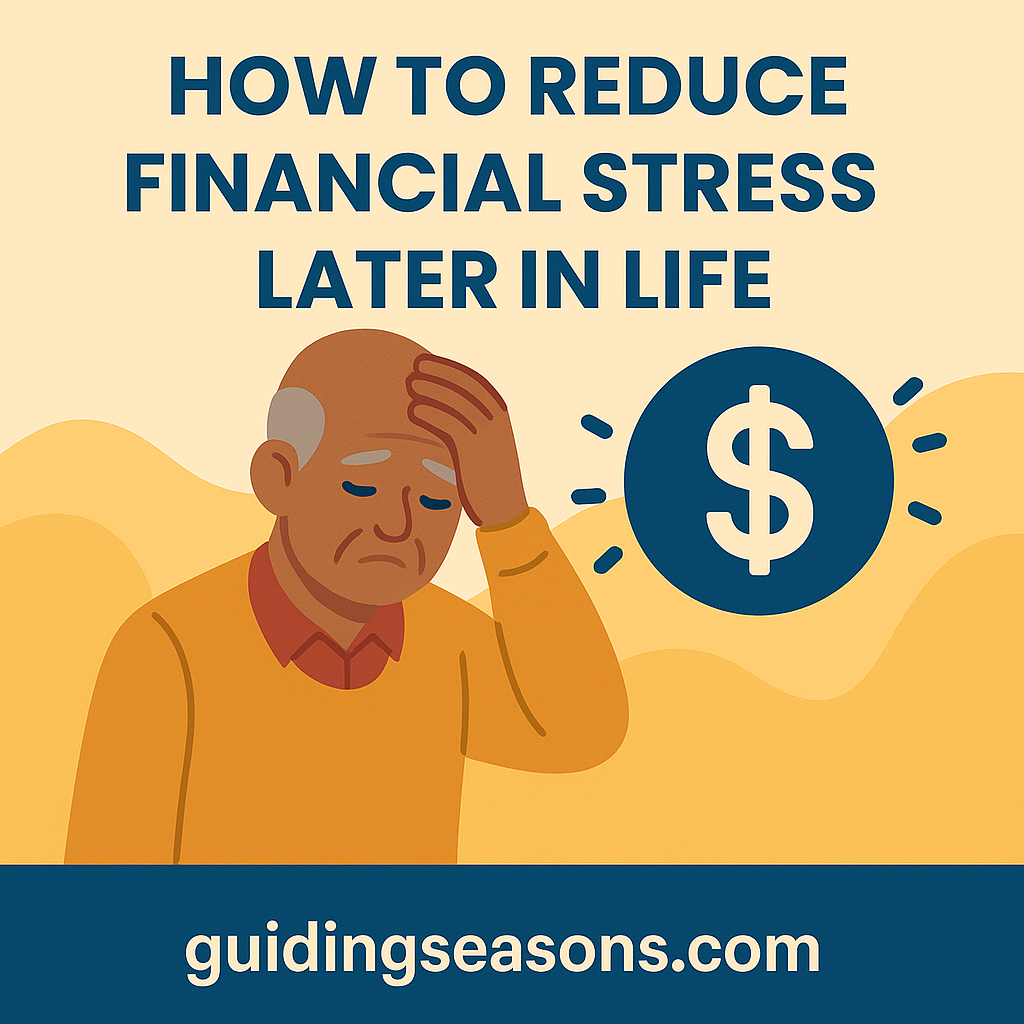
Senior man looking stressed beside a dollar sign icon representing financial concerns.
Financial stress can affect anyone, but it often feels heavier in your later years. Income becomes more fixed, expenses can feel unpredictable, and decisions may carry more weight. The good news? With the right planning, habits, and support, you can reduce financial stress and feel more confident and secure throughout retirement.
This guide offers simple, senior-friendly ways to find peace with your finances—no matter where you’re starting.