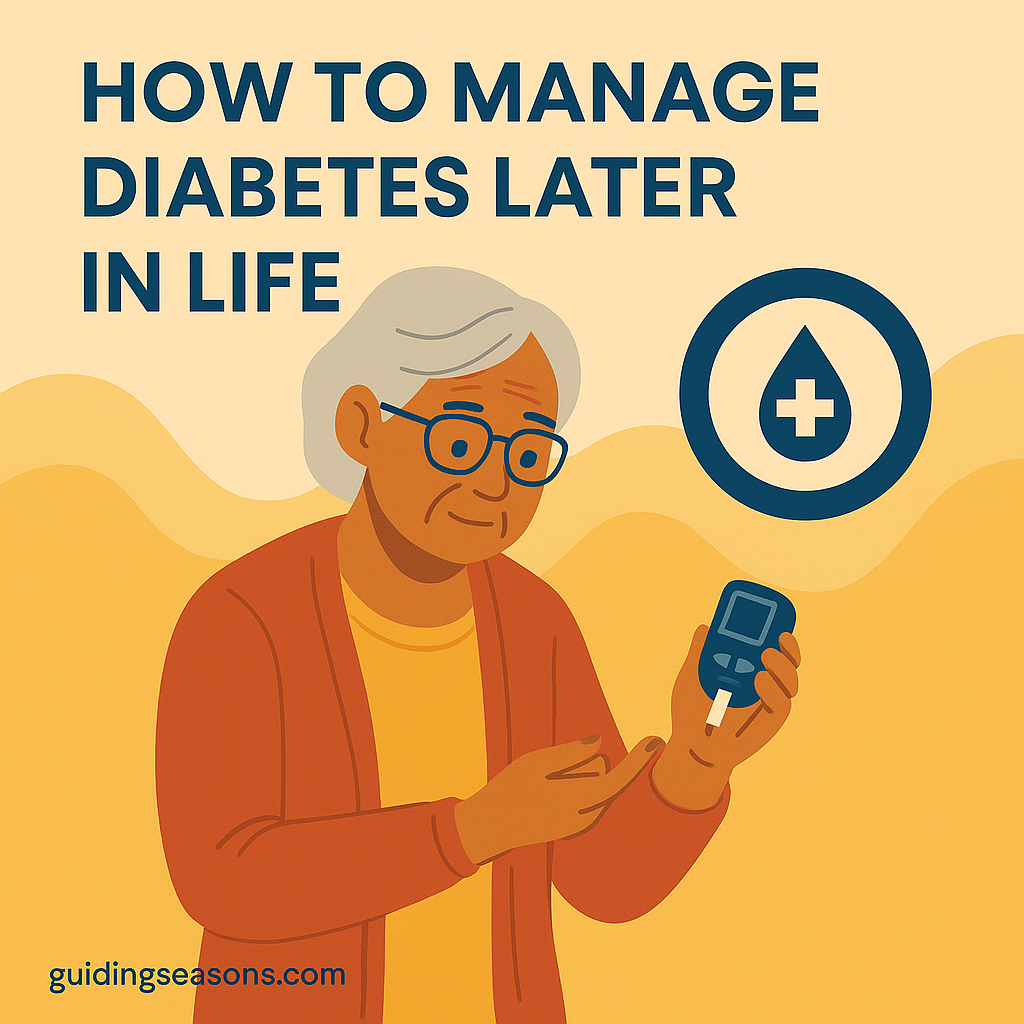
Managing diabetes later in life can feel overwhelming, but with the right habits, support, and daily routines, it’s possible to stay healthy, active, and confident. Whether you were recently diagnosed or have been living with diabetes for years, small, consistent steps can make a meaningful difference in how you feel every day.
This guide offers senior-friendly, practical advice to help you manage your blood sugar, protect your long-term health, and approach daily diabetes care with greater confidence.
Understand Your Type of Diabetes
The first step in managing diabetes is understanding your specific diagnosis because different types of diabetes require different approaches to care.
The most common types are:
- Type 2 diabetes – The most common form of diabetes; the body does not use insulin normally and may eventually have difficulty producing enough insulin.
- Type 1 diabetes – An autoimmune condition in which the pancreas makes little or no insulin.
- Prediabetes – Blood sugar levels are higher than normal but not high enough to meet the criteria for diabetes.
Ask your doctor or diabetes educator to clearly explain:
- Your diagnosis
- Your individual blood sugar targets
- What medications you need
- How to manage daily routines safely
- What symptoms should prompt you to seek medical attention
Having clear information can make diabetes management feel more manageable.
Monitor Your Blood Sugar as Recommended
Blood sugar monitoring can be an important part of diabetes management, although how often you need to check depends on your medications, type of diabetes, overall health, and treatment plan.
Monitoring can help you:
- Understand how certain foods affect your blood sugar
- Recognize high or low blood sugar
- Identify patterns throughout the day
- Give your healthcare team useful information about your treatment
Ask your doctor how often—and when—you should check your blood sugar. Some people need frequent monitoring, while others may need it less often.
Follow a Balanced, Senior-Friendly Eating Plan
You don’t necessarily need a complicated diet to manage diabetes. Balanced meals, appropriate portions, and consistent eating habits can make blood sugar management easier.
Focus on:
- Lean proteins such as chicken, fish, beans, and eggs
- Whole grains
- Leafy greens and other vegetables
- Whole fruits such as berries, apples, and pears
- Healthy fats such as olive oil, nuts, and avocado
Try to limit:
- Sugary drinks
- Sweets
- Highly processed foods
- Refined grains such as white bread and pastries
- Oversized portions of carbohydrate-rich foods
For example, instead of eliminating carbohydrates entirely, a simple dinner might include ½ of the plate filled with non-starchy vegetables, ¼ with a lean protein, and ¼ with a carbohydrate food such as brown rice or beans.
Your nutritional needs can change with age, medications, kidney function, weight, and other health conditions, so your doctor or a registered dietitian can help you develop an eating plan appropriate for you.
Stay Active With Gentle Daily Movement
Regular physical activity can help with blood sugar management while also supporting strength, mobility, balance, and cardiovascular health.
Try:
- Walking
- Chair exercises
- Stretching
- Light strength training
- Tai chi or yoga
- Water aerobics
Start with an amount that feels manageable and gradually build from there. Even short periods of activity throughout the day can contribute to your overall movement.
The National Council on Aging’s exercise and fitness resources for older adults provide additional information about staying active safely as you age.
If you have been inactive or have diabetes-related complications, heart problems, balance concerns, or other medical conditions, ask your healthcare provider what types of exercise are appropriate before significantly changing your routine.
Take Medications as Prescribed
If your doctor prescribes insulin or other diabetes medications, take them exactly as directed.
Tips to stay on track:
- Set reminders
- Use a pill organizer when appropriate
- Keep medications in a safe, consistent location
- Refill prescriptions before you run out
- Maintain an up-to-date medication list
Never change your medication or insulin dose without instructions from your healthcare provider. If a medication causes side effects or becomes difficult to afford or manage, talk with your doctor or pharmacist rather than stopping it on your own.
Stay Hydrated
Getting enough fluids is an important part of overall health, and older adults may need to pay particular attention to hydration.
Tips:
- Drink water regularly throughout the day
- Limit sugar-sweetened beverages
- Ask your healthcare provider how alcohol may affect your diabetes or medications
- Add lemon, cucumber, or fruit slices if you prefer flavored water
Some medical conditions, including certain heart or kidney conditions, may require fluid restrictions. Follow your healthcare provider’s recommendations if you have been given specific instructions about fluid intake.
Get Regular Checkups
Consistent medical care can help identify and manage diabetes-related complications early.
Your healthcare team may include:
- Primary care doctor
- Eye specialist
- Podiatrist
- Dentist
- Endocrinologist, when needed
- Registered dietitian or diabetes care and education specialist
Routine tests such as the A1C test can help you and your healthcare provider understand how your blood sugar has been managed over time. Your personal A1C goal may differ from someone else’s, particularly as you get older or if you have other medical conditions.
Medicare also provides coverage for certain diabetes-related services and supplies for eligible beneficiaries. You can learn more through Medicare’s official diabetes coverage information.
Take Care of Your Feet Daily
Diabetes can contribute to nerve damage and circulation problems, making regular foot care especially important.
Protect your feet by:
- Checking them daily for cuts, blisters, swelling, redness, or other changes
- Wearing comfortable, properly fitting shoes
- Avoiding walking barefoot
- Keeping your feet clean and dry
- Moisturizing dry skin while generally avoiding lotion between the toes
- Asking your healthcare provider how often you should have your feet professionally examined
If you notice a wound, sore, blister, discoloration, or other foot problem that isn’t healing normally, contact your healthcare provider rather than trying to treat a significant injury yourself.
Manage Stress With Simple Daily Habits
Stress can affect many aspects of health and may make diabetes management more difficult. Finding healthy ways to relax can be a useful part of your daily routine.
Try:
- Deep breathing
- Gentle stretching
- Prayer or meditation
- Listening to calming music
- Spending time outdoors
- Talking to a trusted friend
- Enjoying a favorite hobby
Even a few quiet minutes each day can help make your routine feel more manageable.
Get Enough Sleep
Good-quality sleep supports overall physical and emotional health and is an important part of a healthy lifestyle.
Strengthen your sleep routine by:
- Going to bed and waking up at roughly the same times
- Limiting screens close to bedtime
- Keeping your bedroom comfortable, quiet, and dark
- Using relaxation techniques before bed
- Discussing persistent sleep problems with your healthcare provider
Sleep needs vary from person to person. Rather than focusing only on a specific number of hours, pay attention to whether you wake feeling rested and whether sleep problems are affecting your daily life.
Understand the Signs of High and Low Blood Sugar
Knowing the possible warning signs of abnormal blood sugar can help you recognize when something may be wrong.
Possible signs of low blood sugar (hypoglycemia) include:
- Shakiness
- Confusion
- Dizziness
- Sweating
- Sudden hunger
- Weakness or irritability
Possible signs of high blood sugar (hyperglycemia) include:
- Increased thirst
- Fatigue
- Frequent urination
- Blurry vision
Ask your healthcare provider what you should do if your blood sugar becomes too high or too low and what levels require immediate medical attention.
Severe confusion, loss of consciousness, seizures, difficulty breathing, or an inability to safely treat very low blood sugar can require emergency medical care.
Build a Support System
Managing diabetes can be easier when you have people who understand your needs and can offer encouragement.
Your support team may include:
- Family or friends
- A diabetes care and education specialist
- Your doctor
- A registered dietitian
- Senior center staff
- Diabetes support groups
Support can be practical, too. A family member might accompany you to an appointment, help organize questions for your doctor, or join you for a daily walk.
Final Thoughts
Managing diabetes later in life is achievable, but there is no single plan that works for everyone. Balanced nutrition, appropriate physical activity, medication management, regular medical care, and awareness of changes in your blood sugar can all contribute to better long-term health.
Start with manageable habits and work closely with your healthcare team to adjust your diabetes plan as your needs change.
Every small step matters. With a routine that fits your health, abilities, and lifestyle, diabetes can become one part of your daily life rather than something that defines it.