
How to Manage Debt Later in Life

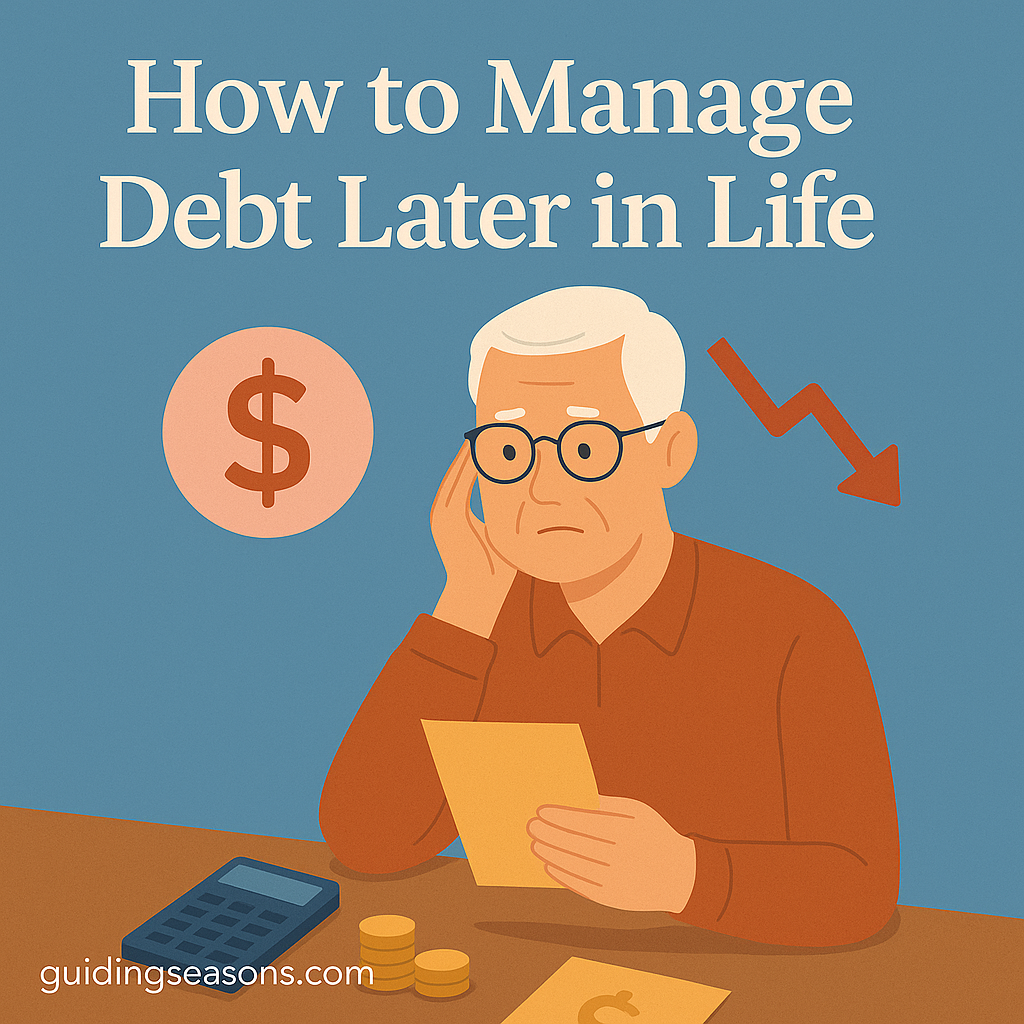
Older man looking concerned while reviewing financial papers with a calculator and coins on the table, illustrating how to manage debt later in life.
An older man reviews his finances, representing practical strategies for managing debt later in life.

Managing debt can be challenging at any age, but it may feel especially stressful later in life. Retirement often brings changes in income, spending priorities, healthcare costs, and financial responsibilities. If you are living primarily on Social Security, a pension, retirement withdrawals, or other fixed sources of income, monthly debt payments can take up a larger share of your budget than they once did.

The good news is that debt does not have to control your retirement years.

A clear repayment strategy, realistic budget, careful use of available resources, and professional guidance when needed can help you reduce financial pressure and protect your long-term stability.

The Consumer Financial Protection Bureau (CFPB) notes that nonprofit credit counselors can help people review their finances, develop budgets, and create personalized debt-management plans. That kind of structured approach can be especially helpful when several debts, interest rates, and monthly payments are competing for limited retirement income.

Here is a practical step-by-step guide to managing debt later in life.

Continue reading “How to Manage Debt Later in Life”
How to Reduce Monthly Expenses After Retirement

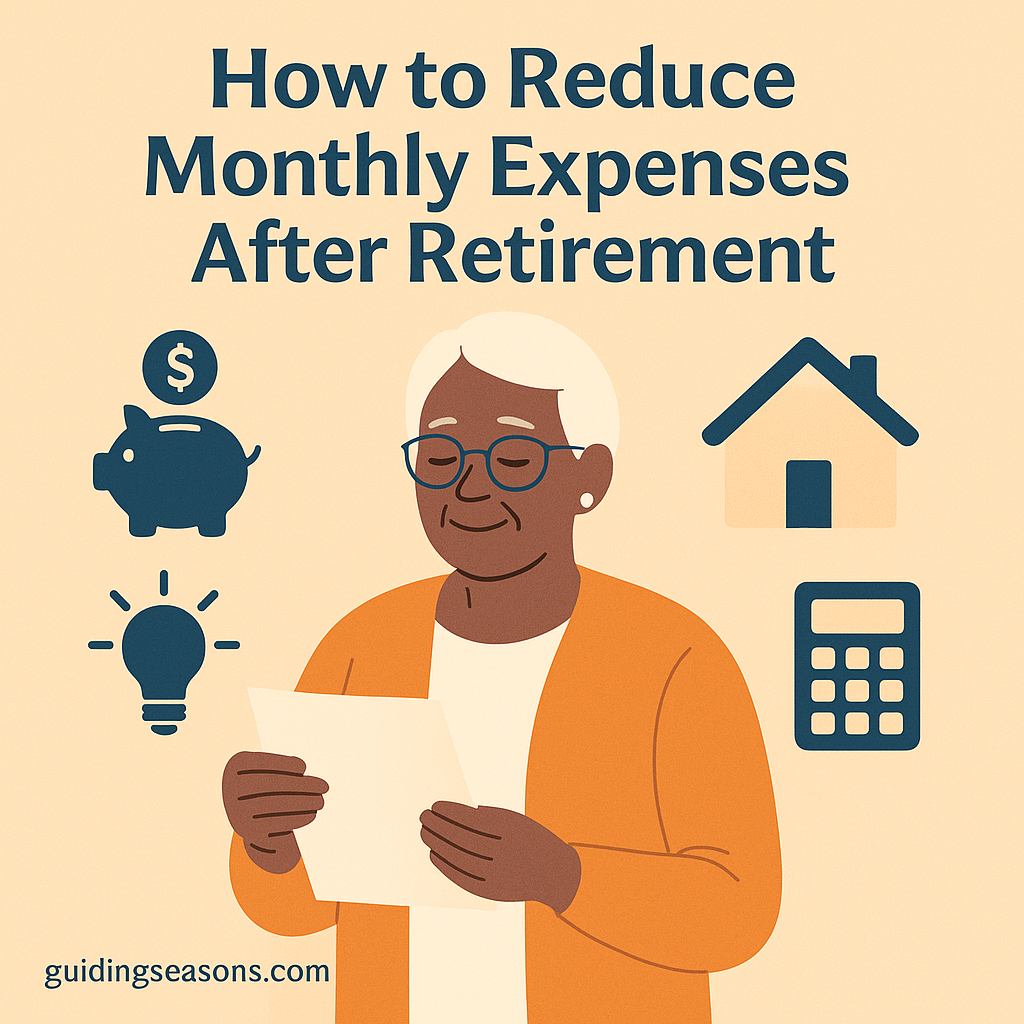
Illustration of a senior woman reviewing a document, surrounded by simple icons like a piggy bank, house, calculator, and lightbulb, beneath the title “How to Reduce Monthly Expenses After Retirement.”
A senior reviewing simple ways to lower monthly expenses during retirement.

Retirement should feel comfortable and financially secure, but rising costs can sometimes make a monthly budget feel tighter than expected. The good news is that many retirees can reduce recurring expenses with a few practical adjustments.

These changes don’t have to mean giving up comfort or enjoyment. Instead, they can help you stretch retirement income further, protect savings, and create more room for the experiences and priorities that matter most.

Managing expenses after retirement isn’t simply about living with less. It’s about using your money more intentionally.

Continue reading “How to Reduce Monthly Expenses After Retirement”

How to Avoid Financial Scams Targeting Seniors

Illustration of a senior man looking concerned, surrounded by warning icons about financial scams, shown beneath a title about avoiding scams targeting seniors.
A senior reviewing warning signs that help prevent financial scams.

Financial scams have become more convincing, more personal, and more difficult to recognize at first glance.

Older adults are often targeted not because they are careless or uninformed, but because scammers look for people who may have retirement savings, home equity, steady income, or valuable financial accounts. Scammers also take advantage of normal human emotions such as fear, trust, urgency, loneliness, and concern for family members.

That is why avoiding scams is not simply about spotting suspicious emails or hanging up on strange phone calls.

It is about building habits that make it harder for someone to pressure you into a financial decision.

The Federal Trade Commission reported that adults age 60 and older lost about $2.4 billion to fraud in 2024, up sharply from approximately $600 million in 2020. Investment scams, business impersonation scams, and government impersonation scams were among the largest sources of reported losses for older adults.

The good news is that a few simple rules can provide meaningful protection.

Continue reading “How to Avoid Financial Scams Targeting Seniors”