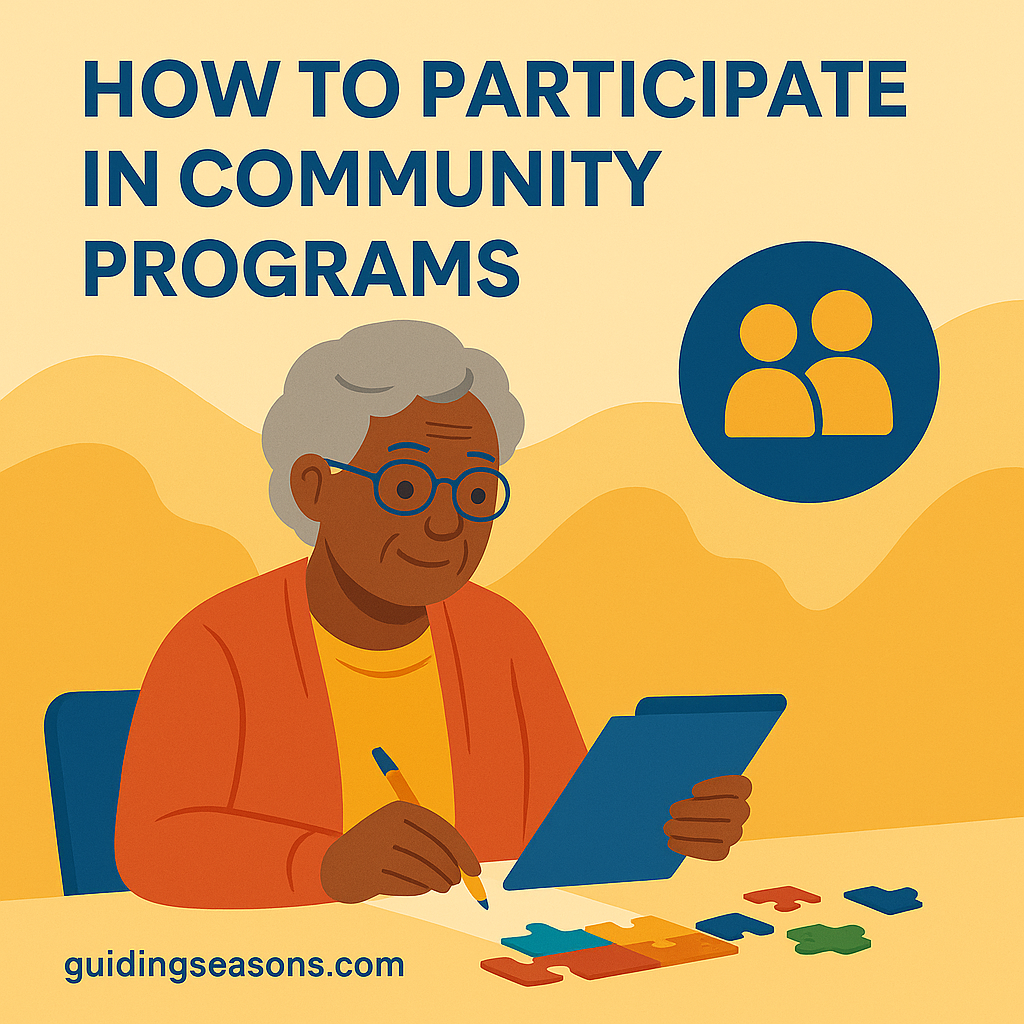
Community programs offer opportunities for connection, learning, and shared experience — especially during life stages when routines change and social circles shift. For many people, however, joining new groups can feel uncomfortable or intimidating at first.
Participating in community programs doesn’t require instant confidence or full commitment. It’s about finding spaces that feel welcoming, meaningful, and aligned with your comfort level.
/more
Why Community Involvement Matters More Over Time
As work and family responsibilities change, opportunities for regular social interaction may decrease. Community programs can help fill that gap by offering structure and connection without pressure.
Benefits often include:
- A sense of belonging
- Opportunities for shared interests
- Emotional support and companionship
- Renewed purpose and routine
Connection supports both emotional and mental well-being.
Common Barriers to Getting Involved
Many people hesitate not because they lack interest, but because of understandable concerns.
Fear of not fitting in
Worrying about age, ability, or experience can prevent participation.
Discomfort with new social settings
Entering unfamiliar environments can feel vulnerable.
Concern about commitment
Some avoid programs fearing long-term obligations.
Doubting personal value
Feeling unsure about what you have to contribute can hold you back.
These feelings are common and valid.
Practical Ways to Begin Participating
Starting small helps community involvement feel manageable.
Observe before engaging
Attending an event as an observer allows you to assess comfort without pressure.
Choose interest-based programs
Shared interests naturally ease conversation and connection.
Set personal boundaries
Participation can be flexible. It’s okay to adjust involvement as needed.
Allow relationships to develop slowly
Connection builds over time — there’s no rush.
Finding Programs That Feel Supportive
The best programs create environments where people feel welcomed and respected.
Look for:
- Clear communication
- Inclusive language
- Opportunities for gradual involvement
- Respect for individual pace and ability
A supportive atmosphere matters more than activity type.
When Community Involvement Feels Challenging
If participation creates stress rather than connection, it may be helpful to reassess.
Signs include:
- Feeling drained or anxious after events
- Pressure to conform or overcommit
- Lack of genuine interest
Community should support well-being, not strain it.
Related Guidance You May Find Helpful
You may also find these articles supportive:
- How to Strengthen Your Inner Confidence
- How to Stay Positive Through Aging Changes
- Relaxing Hobbies That Boost Senior Well-Being
Together, they support connection and emotional health.
A Final Thought
Participating in community programs isn’t about forcing social interaction — it’s about finding spaces where you feel seen, comfortable, and valued.
Connection grows best when approached gently and authentically. Over time, community involvement can become a meaningful part of daily life, offering both companionship and a sense of belonging.