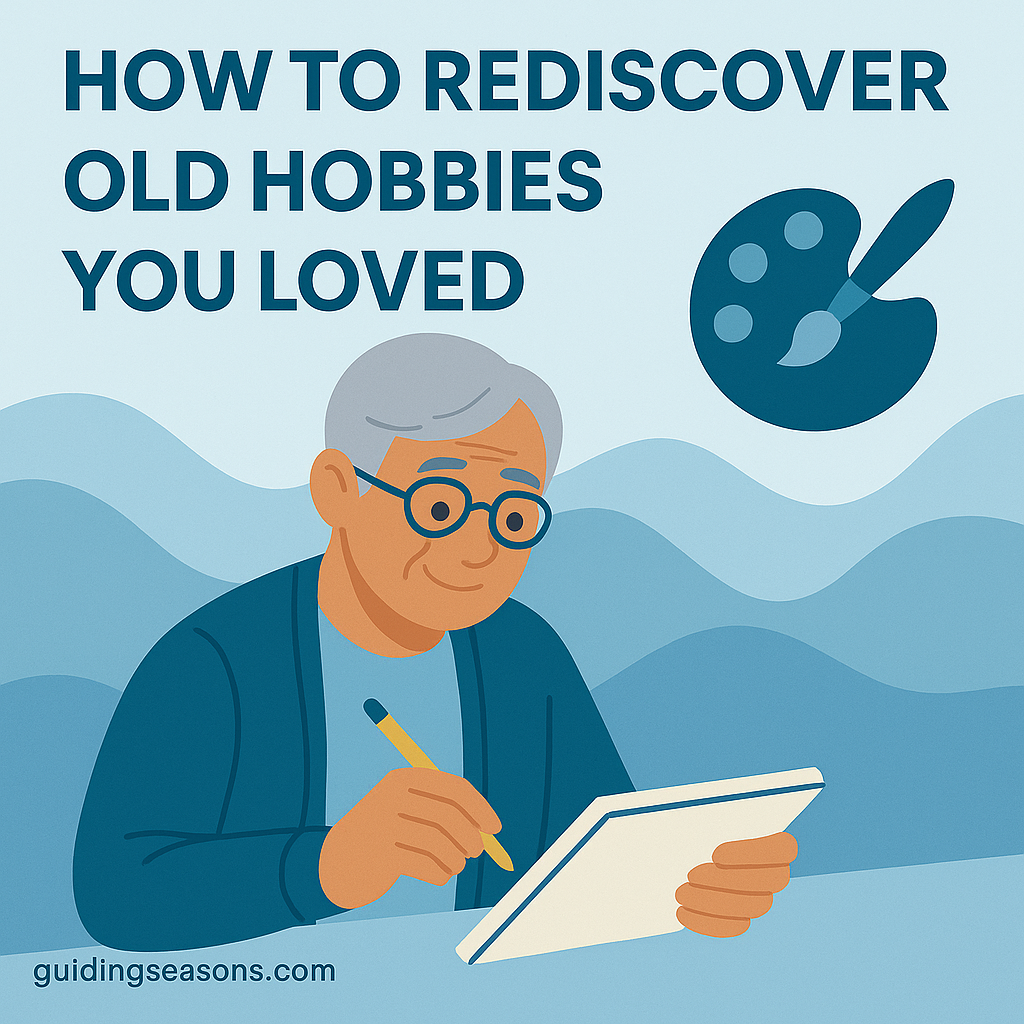
Life moves quickly, and it’s easy for old hobbies to slip into the background. Careers, raising families, responsibilities, and busy schedules often leave little room for activities that once brought joy. But retirement (or simply a calmer chapter of life) offers the perfect opportunity to return to the hobbies that once sparked curiosity, creativity, and excitement.
Rediscovering old hobbies isn’t just fun — it’s good for your emotional well-being, memory, energy, and overall happiness. Whether it’s painting, playing an instrument, gardening, reading, or building something with your hands, your old passions are still waiting for you.
Here’s how to reconnect with the activities you once loved and bring them back into your daily life.
Reflect on What You Used to Enjoy
Start by taking a moment to remember the hobbies that brought you joy.
Ask yourself:
- What did I love doing as a child or teenager?
- What hobbies did I stop because life got too busy?
- What activities made me feel creative, calm, or excited?
- What did I always wish I had more time for?
Sometimes the hobbies we loved years ago still match who we are today — we simply need to revisit them.
Make a List of Hobbies You Want to Try Again
Seeing your hobbies written down can make them feel more real and accessible.
Include hobbies like:
- Painting or drawing
- Knitting or sewing
- Gardening
- Reading fiction or poetry
- Playing an instrument
- Cooking or baking
- Carpentry or woodworking
- Photography
- Dancing
- Collecting items
- Writing stories or journaling
There’s no wrong answer — this list is just for you.
Choose One Small Starting Point
You don’t need to dive back in all at once. A small beginning helps you build momentum without feeling overwhelmed.
Try:
- A single page in a sketchbook
- One chapter of a book
- A 10-minute walk with a camera
- Planting one pot of herbs
- Listening to music you used to play
Small steps often reignite big feelings of enjoyment.
Update Your Hobby for Your Current Lifestyle
Your interests stay the same, but how you live out those hobbies might shift with age, mobility, or available space.
Examples:
- Love gardening? Try raised beds or indoor planters.
- Love dancing? Explore gentle dance videos or beginner classes.
- Love photography? Use your smartphone for easy, lightweight capturing.
- Love painting? Try smaller canvases or quick daily sketches.
Adapting your hobby makes it fun again — not stressful.
Create a Space Dedicated to Your Hobby
You don’t need a whole room — just a corner that inspires you.
Your hobby space might include:
- A comfortable chair
- A small table or shelf
- Good lighting
- A basket or bin for supplies
- A calming view or photo
When your supplies are easy to reach, you naturally enjoy your hobby more often.
Join a Group or Club to Stay Motivated
Many hobbies become more rewarding when shared with others.
Look for:
- Local hobby clubs
- Senior center groups
- Online activity communities
- Library meetups
- Adult education classes
- Craft circles or walking groups
Connecting with others helps you stay consistent — and makes the experience more enjoyable.
Try a Modern Twist on an Old Passion
Technology often makes hobbies easier and more accessible.
Try:
- Virtual art or writing workshops
- Online piano or guitar lessons
- Digital scrapbooking
- Step-by-step baking videos
- Fitness apps with dancing or tai chi
Your old hobby might feel new again with modern tools.
Keep Your Expectations Light
Your hobby doesn’t need to be perfect — it’s meant to bring you joy, not pressure.
Remind yourself:
- “I’m doing this for fun.”
- “It’s okay to be rusty.”
- “Progress is more important than perfection.”
Give yourself permission to explore freely.
Celebrate the Joy the Hobby Brings You
Take note of how returning to your hobby makes you feel.
You might experience:
- More relaxation
- A sense of accomplishment
- Greater focus
- More creativity
- Better mood
- New friendships
Noticing these benefits encourages you to keep going.
Share Your Hobby With Others
Sharing creates connection and meaning.
You might:
- Gift something you created
- Display your artwork
- Invite someone to cook or bake with you
- Teach your hobby to a grandchild
- Join a show-and-tell club or local event
Sharing your passion can inspire others — and deepen your own joy.
Allow Yourself to Explore New Interests Too
Rediscovering old hobbies doesn’t mean you’re limited to the past. You can expand into new areas while honoring what you used to love.
Try:
- A new style of art
- A different type of music
- A crafting technique you’ve never attempted
- A fresh approach to gardening
- A new recipe or cuisine
Old passions can spark new adventures.
Final Thoughts
Rediscovering old hobbies brings joy, purpose, and creativity back into your life. Whether you return to music, art, gardening, writing, or any other passion, these activities can enrich your days and reconnect you with the parts of yourself that once felt alive and inspired.
Your hobbies are still there — waiting to bring color, calm, and fulfillment into your retirement years. All you need is one small step to welcome them back.