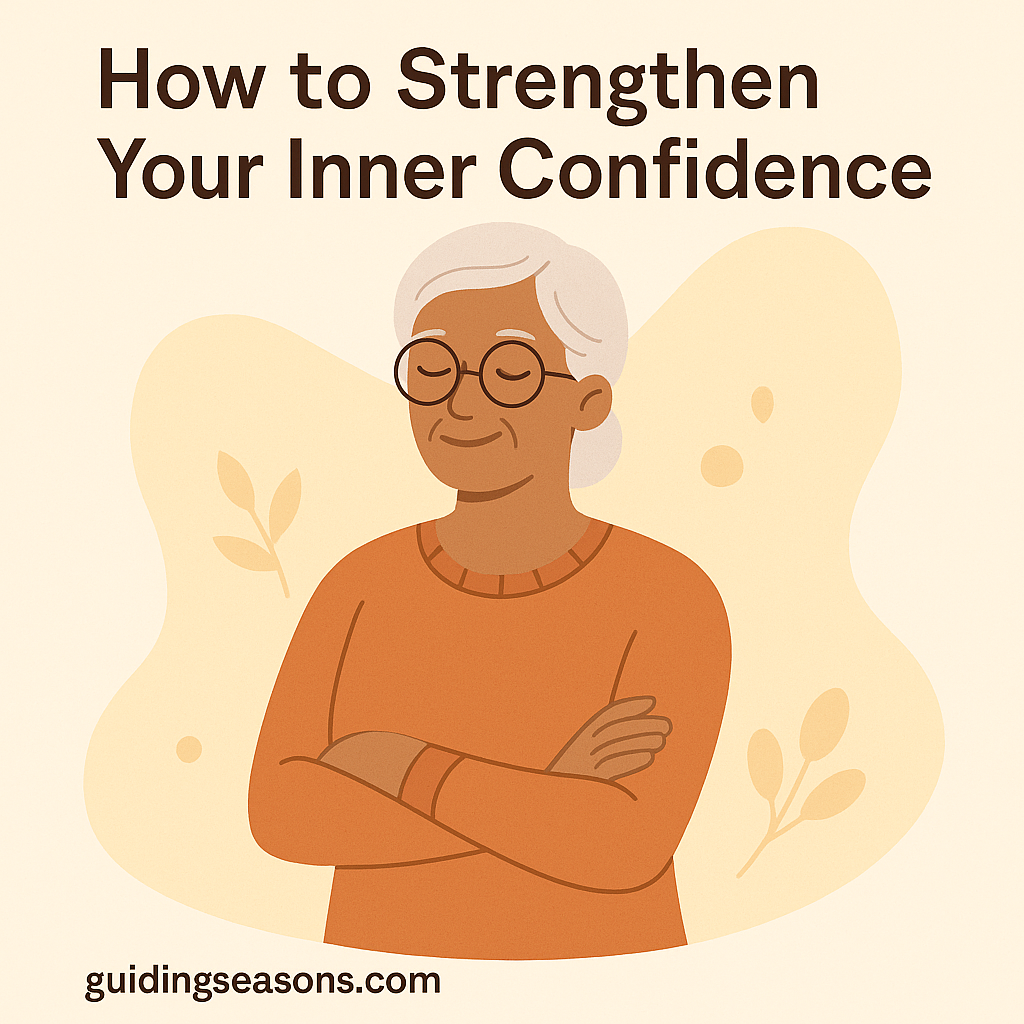
Confidence is often misunderstood as being bold, certain, or outwardly assured. But later in life, confidence looks different. It becomes quieter, more internal, and more closely tied to self-trust than external validation.
Strengthening inner confidence isn’t about proving yourself or pushing harder. It’s about feeling steady within yourself — even when circumstances change, abilities shift, or uncertainty appears.
This kind of confidence grows gradually and gently, and it’s available at any stage of life.
Why Confidence Can Feel Fragile Later in Life
Earlier confidence often comes from achievement, recognition, or meeting expectations. Over time, those markers change or fade, and physical, social, or lifestyle shifts may challenge your sense of certainty.
This can lead to:
- Doubting your decisions
- Feeling hesitant in new situations
- Questioning your relevance or value
These experiences don’t mean you’ve lost confidence — they reflect a transition from external confidence to internal confidence.
Common Confidence Traps That Undermine Self-Trust
Inner confidence often weakens not because of failure, but because of subtle habits that erode self-belief.
Comparing yourself to past versions
Holding yourself to old standards can create unnecessary disappointment and self-criticism.
Avoiding new experiences
Fear of discomfort or embarrassment can quietly shrink your sense of capability.
Overvaluing others’ opinions
Seeking reassurance too often can weaken trust in your own judgment.
Expecting certainty before acting
Confidence grows through experience, not perfect clarity.
Practical Ways to Strengthen Inner Confidence
Building confidence doesn’t require dramatic changes. It grows through consistent, supportive practices.
Keep small promises to yourself
Following through on simple commitments builds trust in your own reliability.
Practice self-respect, not self-criticism
Notice how you speak to yourself. Compassion strengthens confidence far more than harsh judgment.
Reframe mistakes as information
Every misstep offers insight. Viewing experiences this way reduces fear and increases resilience.
Allow discomfort without retreating
Confidence expands when you stay present through uncertainty instead of avoiding it.
Recognize quiet strengths
Patience, wisdom, empathy, and perspective are powerful forms of confidence, even if they’re less visible.
The Difference Between Confidence and Control
Many people mistake control for confidence. True inner confidence accepts uncertainty while trusting your ability to respond.
This shift:
- Reduces anxiety
- Encourages flexibility
- Builds emotional resilience
Confidence doesn’t require knowing the outcome — only believing you can handle whatever arises.
When Confidence Struggles Affect Daily Life
Periods of low confidence are normal. But persistent self-doubt may signal a need for reflection or support.
Signs include:
- Avoiding decisions
- Frequent second-guessing
- Withdrawing from social situations
- Feeling disconnected from your strengths
These signals are opportunities to reconnect with yourself, not judgments about your worth.
Related Guidance You May Find Helpful
You may also find these articles supportive:
- How to Build Meaning and Purpose in Retirement
- How to Connect With Your Inner Purpose
- How to Improve Your Daily Outlook
Together, these topics support emotional stability and self-trust.
A Final Thought
Inner confidence isn’t about being fearless or certain. It’s about trusting yourself enough to move forward, even when life feels unfamiliar.
This stage of life offers the chance to build confidence rooted in understanding, acceptance, and self-respect. Over time, that steady inner trust becomes one of the most powerful forms of confidence there is.