
As mobility needs change, everyday tasks—like getting to appointments, navigating airports, or moving around your community—can become more challenging. The good news is that many services and resources exist to support mobility, independence, and safety. Whether you need transportation, equipment, or home modifications, knowing where and how to request assistance can make the process much easier.
This guide walks you through senior-friendly steps to find, request, and receive the mobility support you need with confidence.
Why Requesting Mobility Assistance Matters
Mobility support isn’t just about getting from one place to another—it’s about maintaining independence, safety, and peace of mind.
Assistance can help you:
- Prevent falls and injuries
- Move more confidently
- Access medical and social appointments
- Stay active in your community
- Maintain independence longer
- Reduce physical strain and fatigue
Asking for assistance when you need it can be an important part of protecting your safety and independence.
Step 1: Talk to Your Doctor About Your Mobility Needs
Your doctor or other health care provider can be one of the best first sources of support.
They can help by:
- Evaluating possible causes of mobility challenges
- Recommending appropriate mobility aids
- Writing orders or prescriptions for certain walkers, canes, wheelchairs, or other equipment
- Referring you to physical or occupational therapy
- Providing documentation that may be required for insurance coverage
Be specific about the difficulties you’re experiencing. Instead of simply saying, “Walking is getting harder,” explain where and when you struggle—for example, getting from your bedroom to the bathroom safely at night or walking from a parking lot into a medical office.
Those details can help your provider better understand your needs.
Step 2: Get an Evaluation From a Physical or Occupational Therapist
Physical and occupational therapists can evaluate movement, daily activities, and safety.
They may recommend:
- Appropriate mobility equipment
- Safer ways to move around your home
- Strengthening or balance exercises
- Techniques to reduce fall risk
- Changes to make everyday activities easier
- Whether you need short-term or ongoing support
An evaluation may also help your health care provider determine which type of mobility equipment is appropriate.
Step 3: Request Mobility Equipment Through Insurance or Medicare
Some mobility equipment may be covered by Medicare or private insurance when specific requirements are met.
Medicare Part B may cover medically necessary durable medical equipment (DME), including:
- Walkers
- Canes
- Wheelchairs
- Scooters in qualifying situations
Medicare generally requires covered DME to be medically necessary and ordered by a doctor or other health care provider for use in the home. Power wheelchairs and scooters have additional requirements, including a face-to-face examination and written prescription.
You can review current requirements through Medicare’s official Durable Medical Equipment coverage information.
To make the process easier:
- Ask your provider what documentation is required
- Confirm that the supplier is enrolled in Medicare if you’re using Original Medicare
- Ask whether the supplier accepts Medicare assignment
- Keep copies of prescriptions, orders, and other paperwork
- Contact Medicare or your insurance plan if you’re unsure about coverage
Costs vary according to the equipment and your coverage. With Original Medicare, after the Part B deductible is met, you generally pay 20% of the Medicare-approved amount for covered DME when the supplier accepts assignment.
Step 4: Use Community-Based Mobility Services
Local aging-services organizations can provide valuable support for everyday mobility needs.
Your Area Agency on Aging (AAA) may be able to connect you with:
- Transportation to medical appointments
- Senior shuttle services
- Mobility equipment loan programs
- Home safety resources
- Exercise and fall-prevention programs
- Other local assistance programs
You can locate aging resources in your community through the federal Eldercare Locator or call 1-800-677-1116.
Available programs vary by location, so ask specifically about transportation, mobility assistance, and home-safety resources in your area.
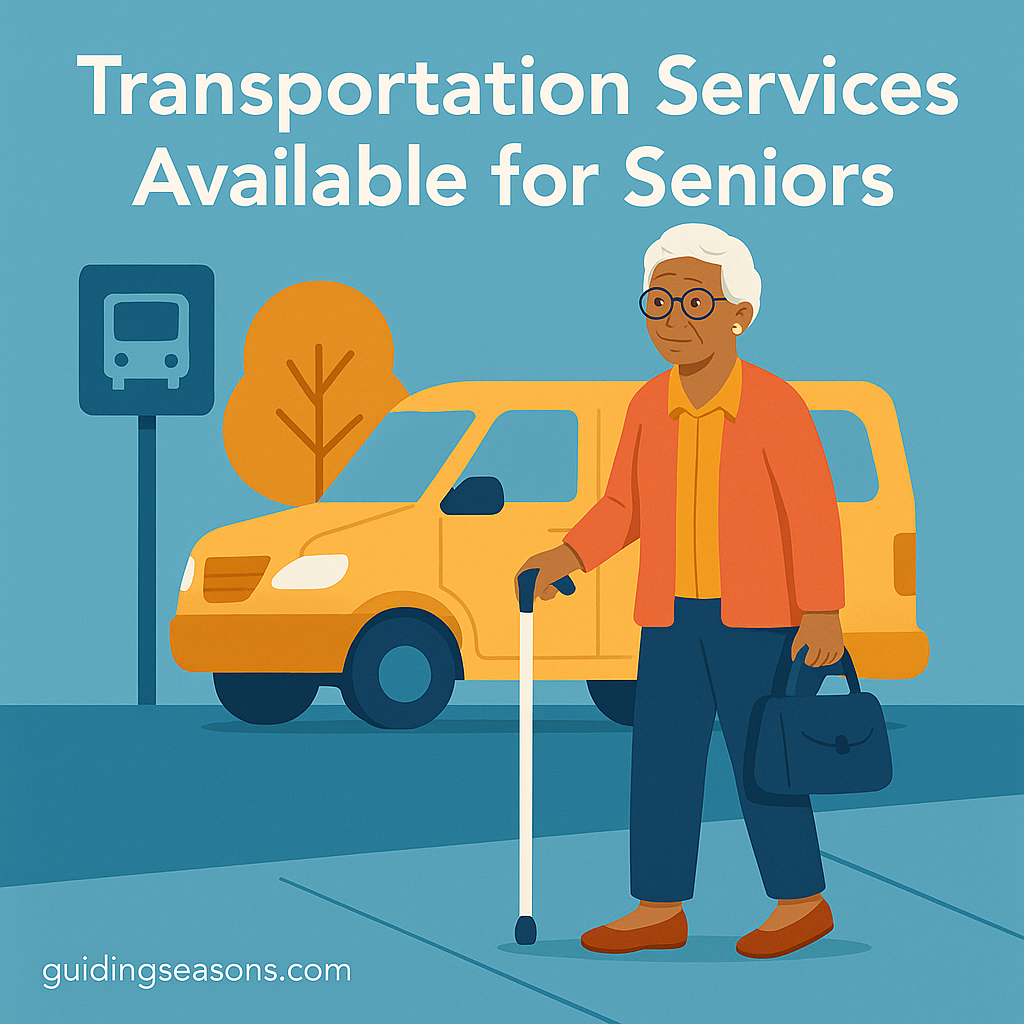
Step 5: Request Transportation Assistance
If driving has become difficult or is no longer practical, there may be other ways to get where you need to go.
Senior transportation options may include:
- Paratransit services
- Senior ride programs
- Medical appointment shuttles
- Volunteer driver programs
- Transportation through nonprofit organizations
- Wheelchair-accessible vehicles
How to request service:
- Contact your local Area Agency on Aging
- Ask local senior centers about transportation programs
- Ask your doctor’s office whether transportation assistance is available
- Check your local public transit agency
- Contact your health plan to ask about any transportation benefits
Schedule rides in advance when possible. Some programs require reservations a day or more before your appointment.
For example, if you have a medical appointment at 10:00 a.m., don’t assume requesting a ride for 9:30 will provide enough time. Ask the transportation service how early pickup should be scheduled and whether other passengers will be picked up along the way.
Step 6: Ask for Assistance in Public Spaces
Many public facilities and businesses offer mobility assistance. Asking about available accommodations before you arrive can make outings easier.
Shopping centers may offer:
- Motorized carts
- Wheelchairs
- Staff assistance
Airports may offer:
- Wheelchair assistance
- Help traveling between gates
- Boarding assistance
- Assistance navigating the airport
If you’re flying, contact the airline before your trip to request the specific type of mobility assistance you need.
Hospitals and clinics may offer:
- Wheelchairs near entrances
- Patient transport assistance
- Accessible drop-off areas
When scheduling an appointment, ask what assistance is available rather than waiting until you arrive.
Step 7: Get Help With Home Mobility and Safety
A safe home environment can make a significant difference in maintaining independence.
Ways to improve home mobility may include:
- Grab bars in bathrooms
- Raised toilet seats
- Ramps at entryways
- Non-slip surfaces
- Handrails
- Stair lifts
- Improved lighting
- Removing loose rugs and other tripping hazards
Where to ask about home safety evaluations:
- Your doctor or health care provider
- Occupational therapists
- Area Agency on Aging programs
- VA programs if you’re an eligible veteran
- Local aging and disability organizations
Some communities and nonprofit organizations offer free or reduced-cost home safety assessments or modifications. Eligibility and availability vary by program.
Step 8: Ask Family or Caregivers for Support
If you feel comfortable, let trusted family members, friends, or caregivers know what would be most helpful.
You might ask for:
- Help getting to appointments
- Support with errands
- Assistance moving or lifting heavy items
- Help rearranging furniture to create safer walking paths
- Transportation for longer trips
Try to make requests specific. Saying, “Could you drive me to my appointment Tuesday morning?” is often easier for someone to respond to than a general request for more help.
Step 9: Explore Financial Assistance
If cost is a concern, investigate programs in your community before purchasing expensive equipment or home modifications yourself.
Possible resources may include:
- State or local aging programs
- Nonprofit assistance programs
- Medicaid home- and community-based services for eligible individuals
- Local disability organizations
- Veterans benefits and programs
- Community equipment loan closets
Eligibility and benefits vary considerably, so confirm the requirements directly with the organization or government program before making financial decisions.
Step 10: Advocate for Yourself
You deserve mobility support that is appropriate for your individual needs.
Advocate confidently by:
- Asking questions
- Requesting written information
- Comparing appropriate equipment options
- Following up on paperwork
- Keeping records of important calls and documents
- Bringing a trusted friend, family member, or caregiver to appointments when helpful
If something is unclear, ask the provider, insurer, transportation service, or equipment supplier to explain it before you agree to a service or purchase.
Final Thoughts
Mobility support is about more than equipment—it can help you continue participating in everyday life with greater confidence, comfort, and independence.
Start by identifying the activities that are becoming difficult. Then talk with your health care provider, explore local services, investigate transportation options, and consider whether changes at home could make everyday movement safer.
You don’t have to solve every mobility challenge at once. One practical improvement—such as getting the right walker, arranging reliable transportation, or installing a bathroom grab bar—can make a meaningful difference in your daily routine.
With the right combination of professional guidance, community resources, and personal support, you can create a mobility plan that helps you stay active, connected, and as independent as possible.