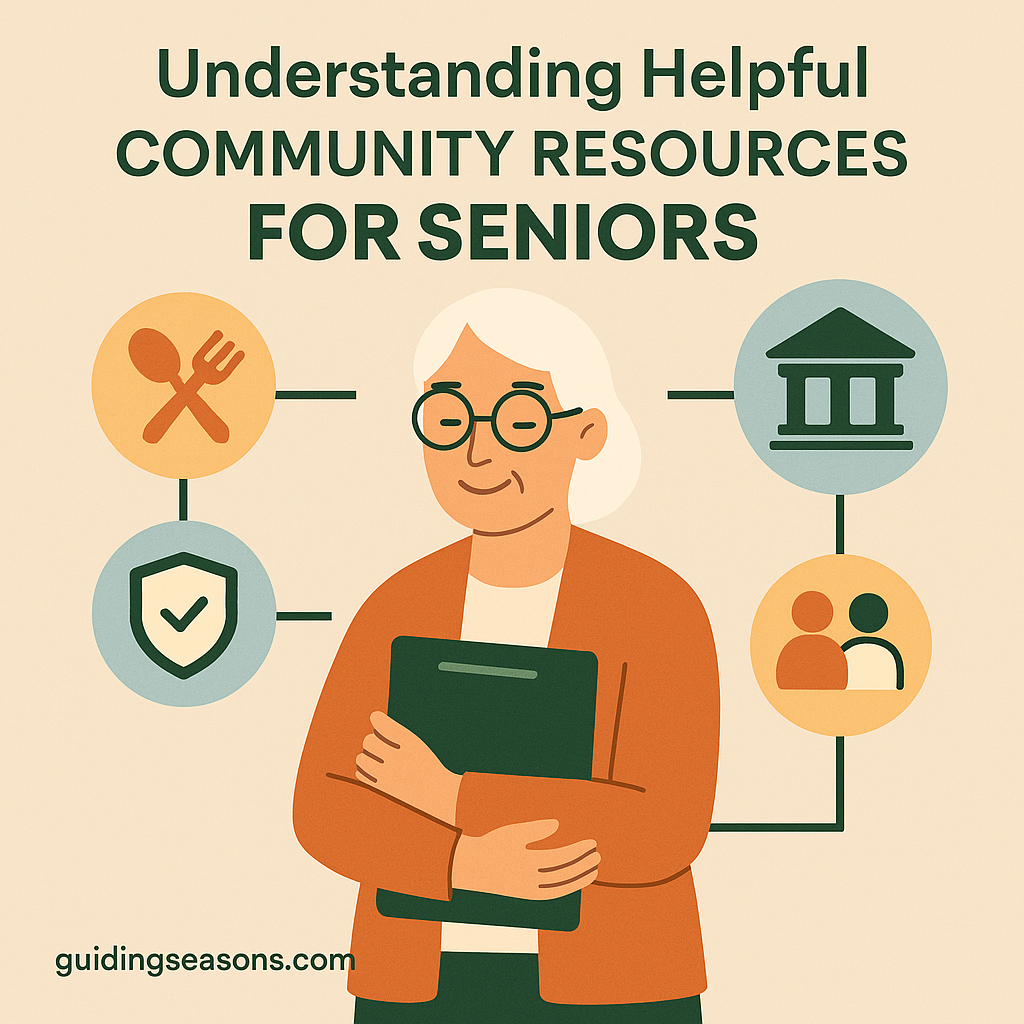
As seniors move into retirement, community support services can play a powerful role in maintaining independence, improving quality of life, and reducing stress for both older adults and their families. Many people are surprised to learn just how many free or low-cost programs exist—from transportation and meal services to social groups, caregiver support, and educational opportunities.
Understanding these resources is the first step toward feeling supported and confident during every stage of aging.
Community services aren’t just practical—they can also help seniors stay engaged, connected, and empowered. With the right support, aging can become not only more manageable but also more fulfilling.
Why Community Resources Matter for Seniors
Local programs and services can help seniors navigate everyday life with greater confidence. Depending on the community, they may offer:
- Increased independence
- Emotional and social support
- Access to safe, reliable transportation
- Assistance with health and wellness needs
- Help managing daily tasks and responsibilities
- Opportunities for learning and connection
When seniors know what’s available, they gain more options—and those options can provide greater freedom and peace of mind.
Key Community Resources Every Senior Should Know
Local Senior Centers
Senior centers are community hubs for activities, classes, meals, services, and social connection. They often provide:
- Exercise programs
- Art, music, and hobby classes
- Educational workshops
- Group trips and outings
- Hot lunches or meal programs
- Social clubs and support groups
These centers can help seniors stay active and engaged while building meaningful friendships.
Senior centers are also much more widespread than many people realize. According to the National Council on Aging, nearly 11,000 senior centers serve about 1 million older adults every day across the United States.
Meals on Wheels and Nutrition Services
Proper nutrition plays a major role in maintaining health, but shopping for groceries and preparing meals can become more difficult with age.
Programs such as Meals on Wheels deliver balanced, ready-to-eat meals directly to eligible seniors’ homes. In some communities, a delivery may also provide an opportunity for brief social contact or a wellness check.
Many areas also offer congregate dining programs, where older adults can enjoy affordable meals at senior centers, community halls, or other local gathering places.
Transportation Services
Driving isn’t always the safest or most comfortable option for older adults. Fortunately, many communities offer alternatives such as:
- Senior shuttle services
- Ride programs
- Discounted taxi vouchers
- ADA-accessible transportation
- Volunteer driver programs
- Public transportation discounts
These services can help seniors attend medical appointments, shop for necessities, visit family and friends, and participate in community activities without having to rely entirely on relatives for transportation.
In-Home Support Services
When daily tasks become difficult, in-home support can help bridge the gap between complete independence and a higher level of care.
Depending on the program and a person’s eligibility, services may include:
- Light housekeeping
- Meal preparation
- Medication reminders
- Personal care assistance
- Companionship visits
- Safety checks
It’s important to understand that coverage varies. For example, Medicare may cover certain medically necessary home health services for people who meet eligibility requirements, but it generally does not pay for ongoing custodial long-term care.
Seniors and families can review current coverage information through Medicare.gov before assuming a particular service will be covered.
Caregiver Support Programs
Family caregivers play an essential role in senior well-being, but caregivers also need support themselves. Local organizations may provide:
- Respite care, which gives caregivers temporary relief
- Caregiving workshops
- Support groups
- Counseling services
- Resource referrals
- Training and educational programs
These resources can make caregiving more manageable while helping families learn how to safely and confidently support an older loved one.
Health and Wellness Programs
Staying healthy can become easier when seniors have access to wellness programs designed for older adults. Depending on the community, these may include:
- Fitness classes designed for older adults
- Chronic disease self-management courses
- Fall-prevention workshops
- Mental health counseling
- Health screenings
- Vaccination clinics
These services can encourage seniors to take a more active role in maintaining their health and independence.
Lifelong Learning Opportunities
Retirement doesn’t have to mean the end of learning. Many communities partner with libraries, colleges, senior centers, and cultural organizations to offer educational opportunities for older adults.
Programs may include:
- Free or discounted college courses
- Technology help sessions
- Book clubs
- Language classes
- Craft workshops
- Writing groups
- Lectures and educational events
Continuing to learn can provide mental stimulation, social interaction, and a rewarding sense of progress and purpose.
Social and Community Groups
Staying socially connected is an important part of emotional well-being. Local groups can provide opportunities for seniors to meet people who share similar interests.
Examples include:
- Walking clubs
- Faith-based groups
- Community volunteering
- Cultural gatherings
- Gardening clubs
- Music groups
- Photography clubs
- Book and discussion groups
For example, a retiree who recently stopped driving might use a community shuttle to attend a weekly senior-center lunch and gardening club. One local resource can therefore solve a practical transportation problem while also creating regular opportunities for social connection.
Legal and Financial Assistance
Navigating legal paperwork, government benefits, and financial decisions can sometimes feel overwhelming. Community resources may provide assistance through:
- Free or low-cost legal aid clinics
- Estate planning workshops
- Benefits enrollment assistance
- Financial counseling
- Medicare counseling
- Senior rights advocacy programs
Eligibility and services vary by location, so seniors should verify that an organization is reputable before sharing financial or personal information.
Housing and Home Safety Programs
A safer home can make it easier for older adults to remain independent. Local government agencies and nonprofit organizations may offer resources such as:
- Home modification assistance
- Fall-prevention home assessments
- Weatherization programs
- Low-cost home repairs
- Accessibility improvements
- Affordable housing resources
Even relatively simple changes—such as improving lighting, installing grab bars, or eliminating tripping hazards—can make a home easier to navigate.
How to Find Senior Resources in Your Community
Start With Your Local Area Agency on Aging (AAA)
A local Area Agency on Aging is one of the best places to begin. AAAs can help connect older adults and caregivers with services available in their particular communities, including transportation, nutrition programs, caregiver support, and other forms of assistance.
The federal Eldercare Locator can also help people identify aging services in their area.
Visit Your Town or County Website
Many cities and counties maintain dedicated pages for older-adult services. These may include contact information, eligibility requirements, transportation schedules, recreation programs, meal services, and upcoming events.
Because programs and funding can change, checking the most recent information is important.
Connect With Libraries and Community Centers
Public libraries and community centers often provide much more than books or recreation. They may host technology workshops, educational programs, tax assistance, social groups, lectures, and informational events specifically for older adults.
Ask Healthcare Providers
Doctors, nurses, social workers, and other healthcare professionals may be able to recommend health-related community programs, home assistance services, transportation resources, and wellness classes.
Hospital social workers and care coordinators can be especially helpful when someone is transitioning home after an illness or hospitalization.
Search Trusted National Organizations
National organizations and government resources can also help seniors identify reliable information and local assistance. Useful starting points include:
- AARP
- National Council on Aging (NCOA)
- Eldercare Locator
- Medicare.gov
- Social Security Administration
- State and local aging agencies
- Established nonprofit and faith-based organizations
These resources can provide a starting point, but availability and eligibility for individual programs often depend on where a person lives.
Tips for Making the Most of Senior Resources
- Keep a list of programs you’re interested in.
- Try new services one at a time.
- Bring a friend or family member to a new event if that makes you more comfortable.
- Take notes during workshops or benefits appointments.
- Ask about eligibility requirements and possible fees.
- Confirm whether registration or reservations are required.
- Take advantage of free introductory programs when available.
It can also help to periodically check for new programs. Community offerings change, and a service that wasn’t available a year ago may now be offered locally.
Final Thoughts
Community resources are designed to support seniors—not replace their independence. These programs can provide connection, practical assistance, education, and services that make everyday life safer and more enjoyable.
By understanding what resources exist and how to access them, seniors and their families can make more informed decisions about transportation, nutrition, health, housing, social activities, and other important parts of daily life.
No one has to navigate every aspect of aging alone. With the right combination of personal independence, family support, and community resources, older adults can continue building secure, connected, and fulfilling lives throughout retirement.