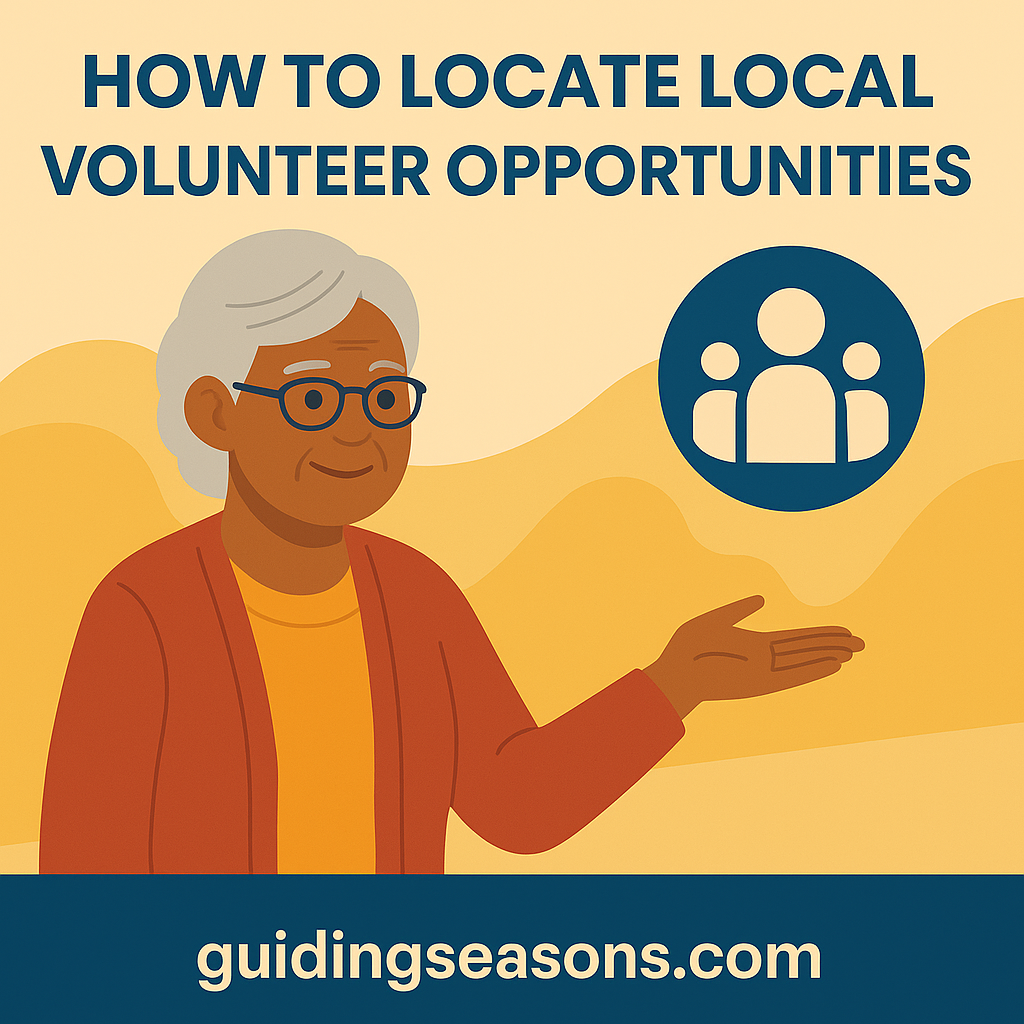
Volunteering is one of the most meaningful ways to stay active, connected, and purposeful during your senior years. Whether you want to share your skills, meet new people, support your community, or simply try something new, there are many local opportunities available—often closer than you think.
The key is knowing where to look and choosing opportunities that fit your interests, abilities, energy level, and schedule. This guide offers simple, senior-friendly ways to discover volunteer roles right in your community.
Why Volunteering Matters for Seniors
Volunteering can enrich your life in many ways.
It can help you:
- Stay socially connected
- Strengthen your sense of purpose
- Keep your mind active
- Share your experience and skills
- Support emotional well-being
- Build new friendships
- Stay physically and mentally engaged
For many older adults, volunteering also creates a regular reason to get out, interact with others, and remain involved in the community.
Start With Your Interests and Strengths
The best volunteer roles are usually the ones you genuinely enjoy.
Ask yourself:
- What causes matter to me?
- Do I enjoy working with people, animals, or behind the scenes?
- How many hours can I realistically commit?
- Do I prefer indoor or outdoor activities?
- Do I want something structured or flexible?
- Are there skills from my career or hobbies that I could share?
Your answers can help you choose roles that feel fulfilling rather than overwhelming.
For example, you don’t necessarily need to volunteer three days a week to make a difference. Starting with two hours once a week at a library, food pantry, or senior center can provide meaningful involvement while giving you time to decide whether the organization is a good fit.
Explore Your Local Senior Center
Senior centers can be excellent starting points for finding volunteer opportunities.
They may offer:
- Community outreach programs
- Event assistance
- Meal program support
- Peer mentoring
- Technology help for other seniors
- Administrative or reception assistance
Ask whether the center needs volunteers directly or works with other organizations that do. Staff members may know about opportunities that aren’t widely advertised online.
Visit Your Local Library
Libraries frequently use volunteers to support community programs, although specific opportunities vary by library system.
Opportunities may include:
- Helping organize materials
- Supporting children’s programs
- Assisting with literacy or tutoring programs
- Helping with technology workshops
- Supporting special events
- Participating in Friends of the Library organizations
Libraries can be particularly appealing if you prefer a structured indoor environment and enjoy books, education, or helping others learn.
Check With Local Nonprofits and Charities
Nonprofit organizations often depend on volunteers, and many provide roles suitable for different abilities and schedules.
Consider contacting:
- Food banks
- Thrift stores
- Homeless services
- Housing organizations
- Animal shelters
- Faith-based charities
- Environmental organizations
Don’t assume an organization only needs people for physically demanding work. A food bank, for example, may need someone to greet visitors, answer phones, organize paperwork, or help with administrative tasks in addition to sorting and distributing food.
Look for Volunteer Roles in Schools
Schools and youth organizations may welcome community volunteers, particularly people interested in sharing knowledge and life experience.
Opportunities may include:
- Reading programs
- Classroom assistance
- Mentorship
- Tutoring
- Library support
- After-school activities
Schools may require applications, background checks, orientation, or other screening before volunteers can work with children. Ask about requirements before committing.
Explore Opportunities in Hospitals and Clinics
Hospitals and health care organizations may offer volunteer positions that don’t require medical training.
Common roles can include:
- Greeting and directing visitors
- Supporting hospital gift shops
- Providing administrative assistance
- Helping visitors navigate the facility
- Supporting approved patient or family programs
Hospitals generally have their own application, screening, training, and health requirements for volunteers. Contact the facility’s volunteer services department to learn what’s involved.
Get Involved in Your Faith Community
Churches, synagogues, mosques, temples, and other faith communities can offer ongoing opportunities to serve others.
You may be able to help with:
- Food drives
- Clothing donations
- Community meals
- Visiting homebound members
- Event coordination
- Music programs
- Administrative work
If faith or spirituality is important to you, these opportunities can combine community service with social connection and shared values.
Join Local Clubs or Community Groups
Community organizations frequently organize service projects and charitable activities.
Examples include:
- Rotary clubs
- Lions clubs
- Kiwanis clubs
- Gardening clubs
- Neighborhood associations
- Community theater groups
Some organizations require membership, while others welcome volunteers for individual events. Contact the local chapter to learn about current opportunities and requirements.
Search Online Volunteer Platforms
Online directories can make it easier to discover organizations and volunteer opportunities without contacting dozens of groups individually.
You can search by location, cause, skills, and availability.
AARP’s Create the Good connects people with volunteer opportunities and allows you to search for ways to help based on your interests and location.
The National Council on Aging (NCOA) is another useful resource for information about aging, community involvement, benefits, and services that support older adults.
Other volunteer-search resources may include local United Way organizations, nonprofit directories, and community volunteer centers.
Before providing personal information, make sure you’re communicating with the actual organization and understand what the volunteer position involves.
Check Local Government Websites
Your city, county, parks department, library system, or other local government agency may list volunteer opportunities for public programs.
Possible roles include:
- Park and neighborhood cleanups
- Visitor center assistance
- Community events
- Animal services
- Library programs
- Recreation programs
- Local boards or advisory committees
Government volunteer programs may have formal applications, training, or scheduling requirements, so check the details before applying.
Ask Friends, Family, and Neighbors
Word of mouth can be one of the easiest ways to discover meaningful volunteer work.
You may learn about:
- Neighborhood cleanups
- School events
- Faith-community programs
- Local charity needs
- Seasonal projects
- Community organizations seeking extra help
Tell people what you’re interested in rather than simply saying you want to volunteer. Someone is more likely to recommend a good opportunity if they know you enjoy gardening, animals, teaching, cooking, or another particular activity.
Try Short-Term or One-Time Volunteer Projects
Not every volunteer position requires a long-term commitment.
Consider trying:
- Holiday events
- Park cleanups
- Charity walks
- Community food drives
- Fundraising events
- Seasonal community projects
A one-time project can be an excellent way to learn about an organization before committing to a regular schedule.
If you enjoy the experience, ask whether there are opportunities to return.
Choose Opportunities That Support Your Comfort and Safety
The right volunteer role should feel rewarding and manageable—not exhausting or stressful.
Consider:
- Physical requirements
- Transportation needs
- Accessibility
- Weather conditions
- Length of each shift
- Size of the group
- Training requirements
- Whether you’ll be working alone or with others
Ask questions before accepting a position. If a role requires standing for four hours but you’re most comfortable sitting, for example, ask whether the organization has another position that would be a better match.
Also be cautious about volunteer opportunities that unexpectedly ask for money, sensitive financial information, or unusual personal details. A legitimate organization should be willing to clearly explain its volunteer application process.
Final Thoughts
Volunteering can be one of the most fulfilling ways to stay active, engaged, and connected during your senior years. Whether you help at a local library, mentor students, support an animal shelter, participate in a community event, or assist another older adult, your time and experience can make a meaningful contribution.
Start small and choose an opportunity that fits your interests, schedule, and abilities. You don’t need to make a major commitment right away.
Even a couple of hours each week can introduce you to new people, provide a stronger connection to your community, and give you something meaningful to look forward to.
The best volunteer opportunity isn’t necessarily the one that asks the most of you—it’s the one you enjoy enough to keep doing.