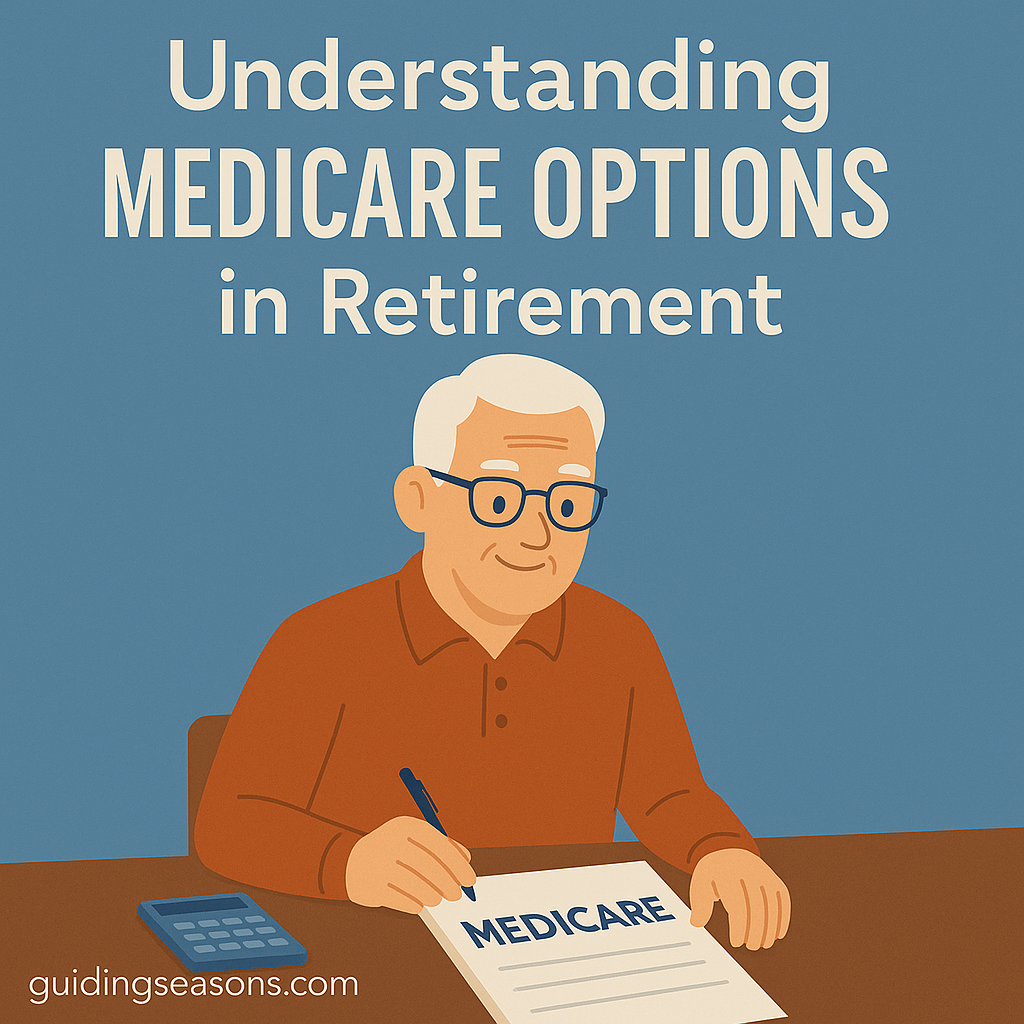

Long-term care is one of the most important—and often overlooked—parts of retirement planning. While no one likes to imagine needing daily assistance or medical support in the future, planning early can help protect your finances, reduce stress on your family, and give you more choices as you age.
Whether you hope to stay at home, consider assisted living, or simply want peace of mind knowing you’re prepared “just in case,” this guide walks you through how to prepare for long-term care expenses with clarity and confidence.
Why Long-Term Care Planning Matters
Long-term care refers to a range of services that can help people with everyday activities such as bathing, dressing, mobility, meal preparation, and medication management. Many forms of ongoing custodial care are not covered by Medicare, which can surprise retirees and their families.
Planning now can help you:
- Protect your retirement savings
- Reduce the potential financial burden on family members
- Have more choices about where and how you receive care
- Maintain independence for as long as possible
- Prepare for rising care costs
- Reduce financial surprises later
Long-term care planning isn’t about predicting exactly what will happen. It’s about having options if your needs change.
Understand the Types of Long-Term Care
Long-term care can take several forms depending on your health, independence, and personal preferences.
1. Home-Based Care
Home-based services may include:
- In-home aides
- Personal care services
- Homemaker services
- Home health nurses
- Certain therapy services
For many older adults, home-based care can make it possible to remain at home longer while receiving additional support.
2. Assisted Living
Assisted living communities typically provide housing, meals, supervision, and assistance with certain daily activities. They may be appropriate for people who don’t require continuous skilled nursing care but need more support than they can comfortably receive at home.
3. Skilled Nursing Facilities
Skilled nursing facilities can provide around-the-clock nursing care, rehabilitation, and assistance for people with significant medical or personal-care needs.
4. Memory Care Communities
Memory care communities provide specialized environments and support for people living with Alzheimer’s disease, dementia, and other forms of cognitive impairment.
5. Adult Day Care
Adult day programs provide supervised daytime care that may include meals, activities, socialization, and certain health-related services.
Knowing what types of care are available can help you think about which options might best fit your preferences and budget later in life.
Estimate the Potential Costs
Long-term care costs vary widely based on location, level of care, provider, and the number of hours or services required.
Instead of relying on one national estimate, research current prices in the area where you expect to retire. Consider costs for:
- Hourly home-care services
- Assisted living
- Skilled nursing facilities
- Memory care
- Adult day services
For example, a home-care aide charging $30 per hour for 20 hours per week would cost about $31,200 per year before accounting for future price increases:
$30 × 20 hours × 52 weeks = $31,200
If that care eventually increases to 40 hours per week, the annual cost at the same hourly rate would double. This illustrates why even receiving care at home can become a significant retirement expense.
Because costs can increase over time, planning early gives your savings more time to grow and gives you more options for managing those expenses.
Know What Medicare Covers—and What It Does NOT
This is where many retirees can get caught off guard.
Medicare generally does not pay for long-term custodial care when that is the only care you need. Custodial care includes assistance with everyday activities such as bathing, dressing, eating, and using the bathroom.
Medicare generally does not cover:
- Long-term custodial care
- Ongoing personal assistance when skilled care isn’t required
- Room and board in assisted living
- Long-term nursing-home custodial stays
However, Medicare can cover certain medically necessary skilled services when eligibility requirements are met, including qualifying skilled nursing facility care, home health services, and hospice care.
For example, Medicare Part A may cover eligible skilled nursing facility care for a limited period of up to 100 days in a benefit period, but specific eligibility requirements apply. This is very different from paying indefinitely for someone to live in a nursing home.
You can review the current rules directly through Medicare’s long-term care coverage guidance.
Understanding these limitations is important because Medicare shouldn’t generally be treated as your primary funding plan for long-term custodial care.
Explore Long-Term Care Insurance
Long-term care insurance can help cover qualifying care received at home, in an assisted living community, nursing facility, or other eligible setting, depending on the policy.
Potential benefits include:
- Protecting a portion of your retirement savings
- Providing more choices for care
- Reducing the potential financial burden on family
When comparing policies, consider:
- Your age and health when applying
- Coverage limits
- Elimination or waiting periods
- Daily or monthly benefit amounts
- Length of the benefit period
- Inflation protection
- Which types of care and facilities qualify
- Whether premiums can increase
Premiums and eligibility can depend significantly on your age and health, so researching coverage before you actually need care can provide more options.
Consider Hybrid Long-Term Care Insurance
Hybrid policies generally combine life insurance or an annuity with benefits that may be used for qualifying long-term care expenses.
Potential advantages include:
- Benefits that can potentially be used for long-term care
- A death benefit if long-term care benefits aren’t fully used, depending on the policy
- Additional flexibility compared with some traditional long-term care policies
However, hybrid products can require substantial premiums or upfront funding, and terms vary considerably between policies.
Carefully review costs, benefit limits, surrender provisions, inflation protection, and other policy details before purchasing.
Look Into Medicaid Eligibility (If Applicable)
Unlike Medicare, Medicaid can provide substantial coverage for long-term services and supports for eligible individuals.
Eligibility requirements vary by state and can involve income, assets, medical needs, and other factors. Medicaid also has specific rules regarding transfers of assets, so simply giving away assets shortly before applying generally isn’t a reliable strategy.
Planning may involve:
- Understanding your state’s income and asset requirements
- Reviewing allowable expenses and spend-down rules
- Understanding protections that may apply to a spouse
- Evaluating certain trusts or other legal planning strategies where appropriate
- Planning well before care is needed
The federal Medicaid long-term services and supports information is a useful starting point, but eligibility and available programs can vary significantly by state.
If Medicaid may become part of your long-term care strategy, consider consulting a qualified elder-law attorney before transferring assets or making major financial changes.
Start a Savings Strategy for Future Care Costs
If long-term care insurance isn’t affordable or doesn’t fit your needs, setting aside money specifically for future care can be another option.
Ways to prepare include:
- Dedicate part of your retirement savings to potential care expenses
- Build a separate long-term care fund
- Automate regular contributions while you’re still working
- Maintain sufficient liquid savings for unexpected care needs
- Consider how an existing Health Savings Account (HSA) may fit into your retirement healthcare strategy
Even if you can’t fully self-fund years of care, building a dedicated reserve can help cover home modifications, temporary assistance, deductibles, or the early stages of a care need.
Downsize or Adjust Housing for Future Care Needs
Housing choices can significantly affect both your independence and future care expenses.
Consider:
- Downsizing to a smaller, easier-to-maintain home
- Moving closer to family or healthcare services
- Choosing a 55+ or senior community
- Moving to a home with one-story living
- Installing grab bars, ramps, railings, or improved lighting
- Reducing fall hazards and improving bathroom accessibility
You don’t necessarily need to move immediately. Simply thinking about accessibility before mobility becomes an issue can make future decisions easier.
Talk Openly With Family About Your Care Preferences
These conversations may feel uncomfortable, but discussing your preferences in advance can help everyone understand what you want.
Consider discussing:
- Where you’d prefer to live if you need care
- How much family assistance you would be comfortable receiving
- Whether you’d prefer home care, assisted living, or another option
- How you expect to pay for care
- Who should help make financial or healthcare decisions if you’re unable to do so yourself
- Where important financial, insurance, and legal documents are kept
Being clear about your wishes can reduce uncertainty during an already stressful situation.
Review Your Plan Regularly
Your finances, health, family situation, and local care costs can change over time.
Consider reviewing your long-term care plan:
- At least once a year
- After significant health changes
- After major financial changes
- When moving to a different state or home
- After changes to insurance coverage
- When your family situation changes
An occasional review can help ensure your plan still matches your finances and preferences.
Final Thoughts
Planning for long-term care expenses may feel overwhelming, but it’s one of the most practical steps you can take to prepare for retirement.
Start by understanding what Medicare does and doesn’t cover. Then research care costs in your area and consider how savings, insurance, Medicaid eligibility, housing choices, and family support could work together.
You don’t need to predict exactly what kind of care you’ll need decades from now. The goal is to create enough financial flexibility that you’ll have choices if your circumstances change.
A thoughtful long-term care plan can help protect your retirement savings, reduce uncertainty for your family, and give you greater control over how and where you receive care later in life.
This article is for general educational purposes and should not be considered personalized financial, insurance, legal, or healthcare advice. Program rules, insurance coverage, costs, and eligibility requirements can change, so verify current information before making financial or care decisions.