
How to Start a Photography Hobby

Older man holding a camera and taking a photo with illustrated icons of nature, flowers, and memories surrounding him.
Older man enjoying photography as a relaxing and creative retirement hobby.

Photography is one of the most rewarding hobbies you can pick up later in life. It can be creative, relaxing, social, and endlessly customizable. It encourages you to get outside, explore your surroundings, and pay closer attention to details you might normally walk past.

You don’t need an expensive camera or years of technical training, either. A smartphone may be all you need to begin. Modern phones make it possible to practice composition, lighting, portraits, landscapes, and many other types of photography without carrying additional equipment.

As your interest grows, you can decide whether you want to purchase a dedicated camera or simply continue improving with the equipment you already have.

Photography can also be as active or relaxed as you want. You might take pictures of flowers in your backyard, walk through a local park looking for interesting subjects, photograph family gatherings, or plan trips around scenic locations.

Here’s how to begin your photography hobby with confidence and enjoy the process of becoming a better photographer.

Continue reading “How to Start a Photography Hobby”
How to Maintain a Healthy Weight in Retirement

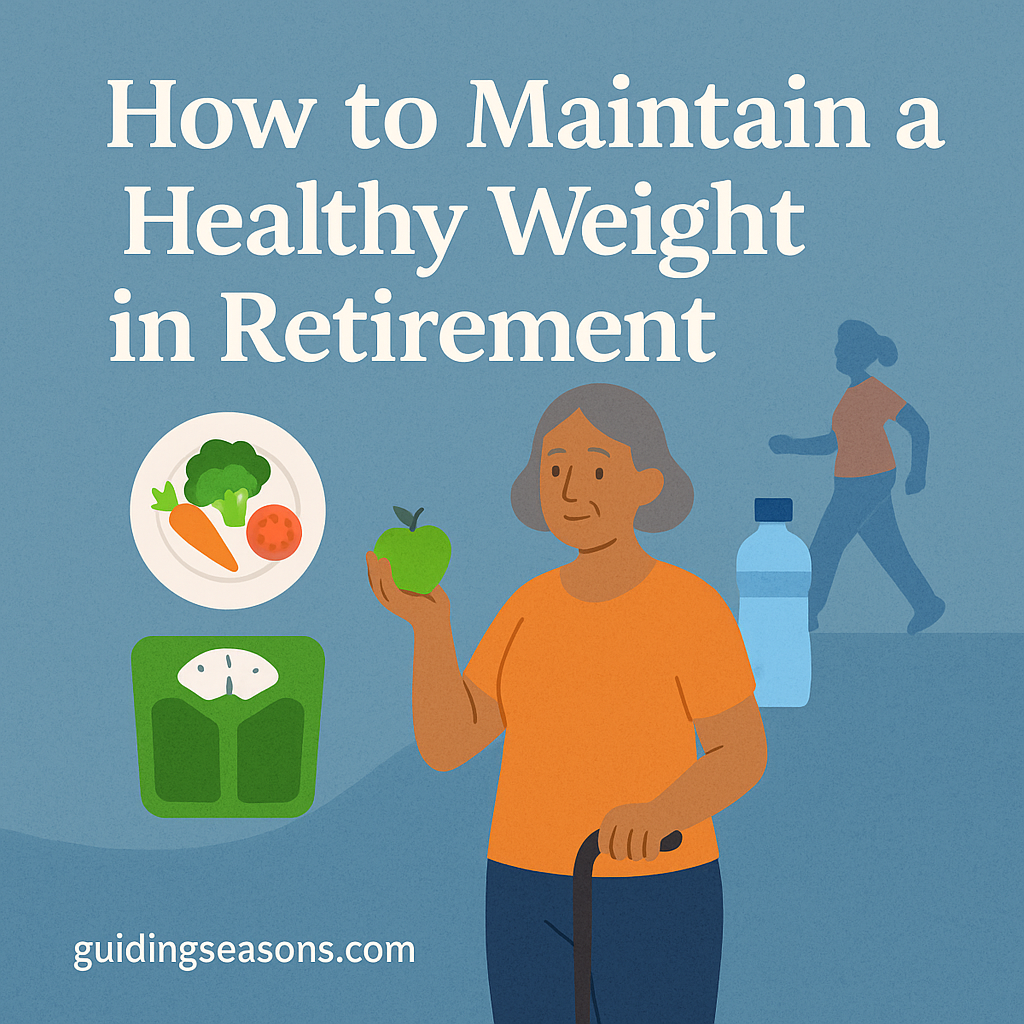
Older woman holding a green apple with icons of healthy food, exercise, and a water bottle around her.
Older woman focusing on healthy habits to maintain a healthy weight in retirement.

Retirement brings more freedom, more flexibility, and often a completely different daily routine. You may no longer commute to work, walk around an office, eat lunch at a predictable time, or follow the same schedule you maintained for decades.

Those changes can be enjoyable, but they can also affect your weight.

Some retirees gradually gain weight because they become less active while continuing to eat the same amount. Others experience the opposite problem and unintentionally lose weight because of reduced appetite, illness, medications, difficulty cooking, or changes in their social life.

That’s why maintaining a healthy weight in retirement isn’t simply about getting the number on the scale as low as possible. It’s about supporting your muscle strength, mobility, energy, nutrition, and overall health.

The National Institute on Aging (NIA) notes that metabolism can change as people age and that some older adults may need to become more active or consume fewer calories to maintain their weight. However, the NIA also warns that being underweight can create health risks and that sudden, unintended weight loss should be discussed with a healthcare professional.

The best approach is usually a sustainable one: eat nutritious foods, stay active, preserve muscle, get enough sleep, and develop routines you can maintain for years.

Here are practical ways to do it.

Continue reading “How to Maintain a Healthy Weight in Retirement”

How to Manage Investments After Retirement

Older man sitting comfortably in an armchair reviewing charts and financial documents.
Older man reviewing financial charts and documents to manage his investments after retirement.

Retirement changes your relationship with investing. During your working years, the primary goal may have been accumulating wealth over several decades. Once you retire, your investments often have a new job: helping provide income while preserving enough money to support you throughout retirement.

That does not mean you should eliminate investment risk entirely. A retirement that lasts 20, 25, or even 30 years may still require some long-term growth to help your savings keep pace with inflation.

The challenge is finding an appropriate balance between preservation, income, growth, and flexibility.

Managing investments after retirement does not have to involve constantly watching the stock market or making frequent trades. In fact, a well-designed retirement portfolio is generally built around long-term planning rather than reacting to every market movement.

Here are several important principles to consider when managing investments throughout retirement.

Continue reading “How to Manage Investments After Retirement”

How to Get Help With Daily Living Activities

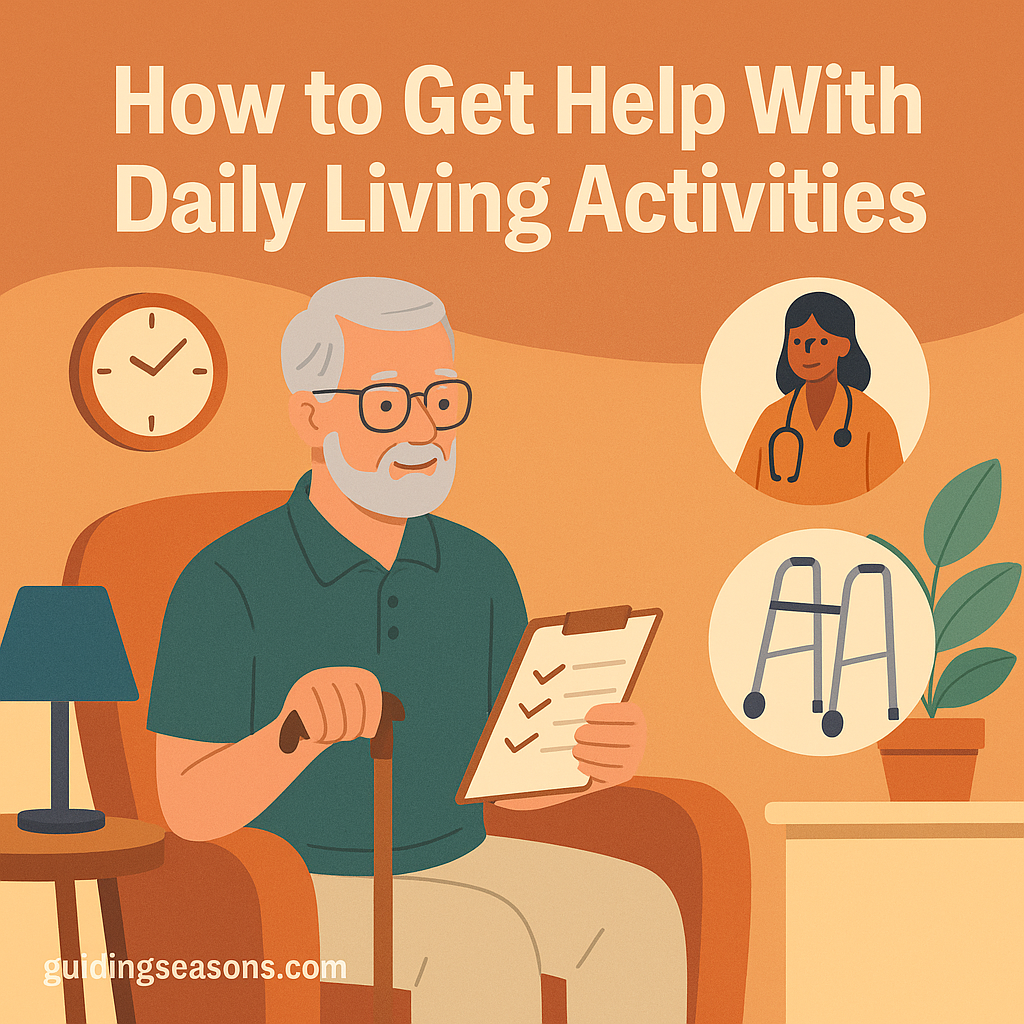
Older man sitting in an armchair holding a checklist with icons of a caregiver and walker nearby.
Older man reviewing support options for getting help with daily living activities.

As everyday tasks become more physically or mentally challenging, many older adults begin wondering whether it’s time to ask for help. Tasks that once felt routine—taking a shower, preparing dinner, driving to the grocery store, doing laundry, or remembering medications—may gradually require more effort.

Getting assistance doesn’t necessarily mean giving up your independence or moving into a care facility. In many cases, receiving a small amount of help with specific activities can make it easier to continue living safely and comfortably at home.

The challenge is determining what kind of help you need and where to find it.

Support can come from family members, professional caregivers, community organizations, healthcare professionals, government programs, technology, or a combination of several resources.

This guide explains the major options and how to build a daily living support plan that fits your needs.

Continue reading “How to Get Help With Daily Living Activities”

How to Reinvent Yourself After Retirement

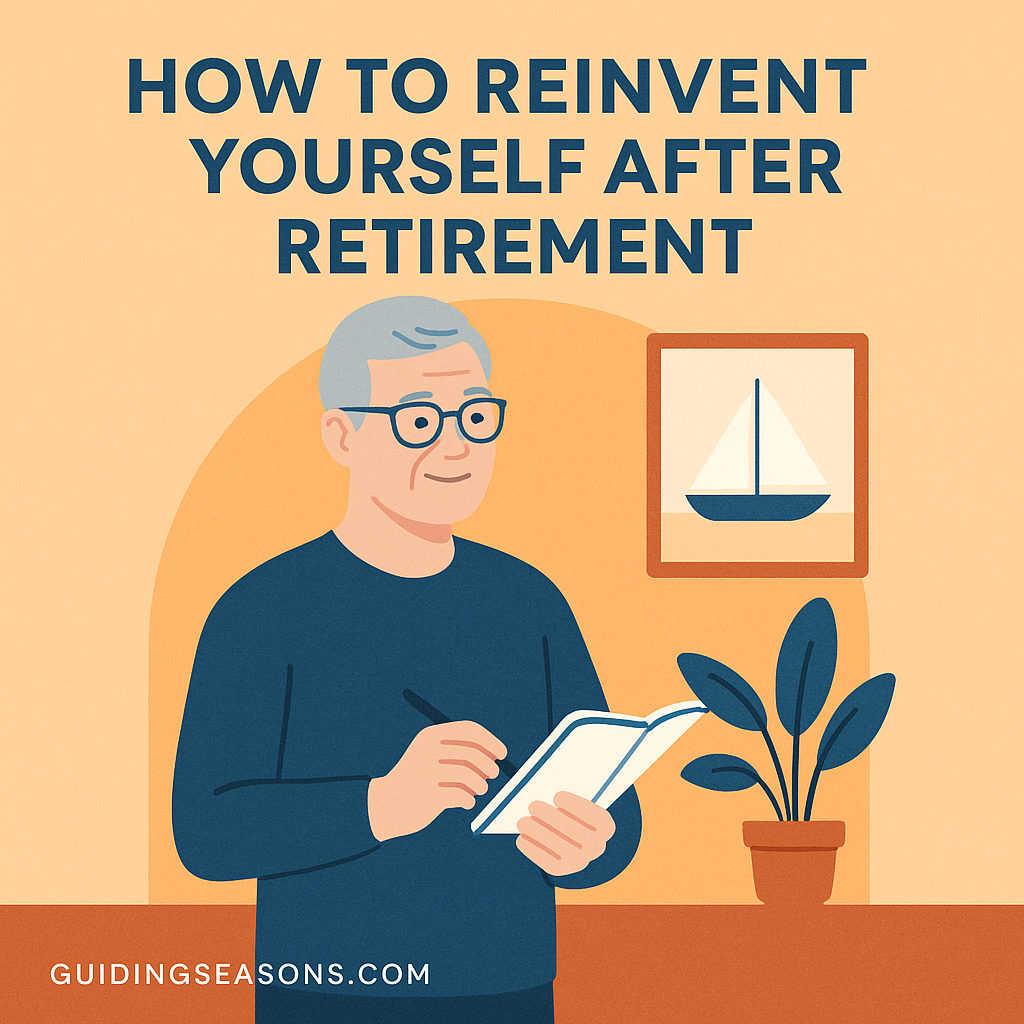
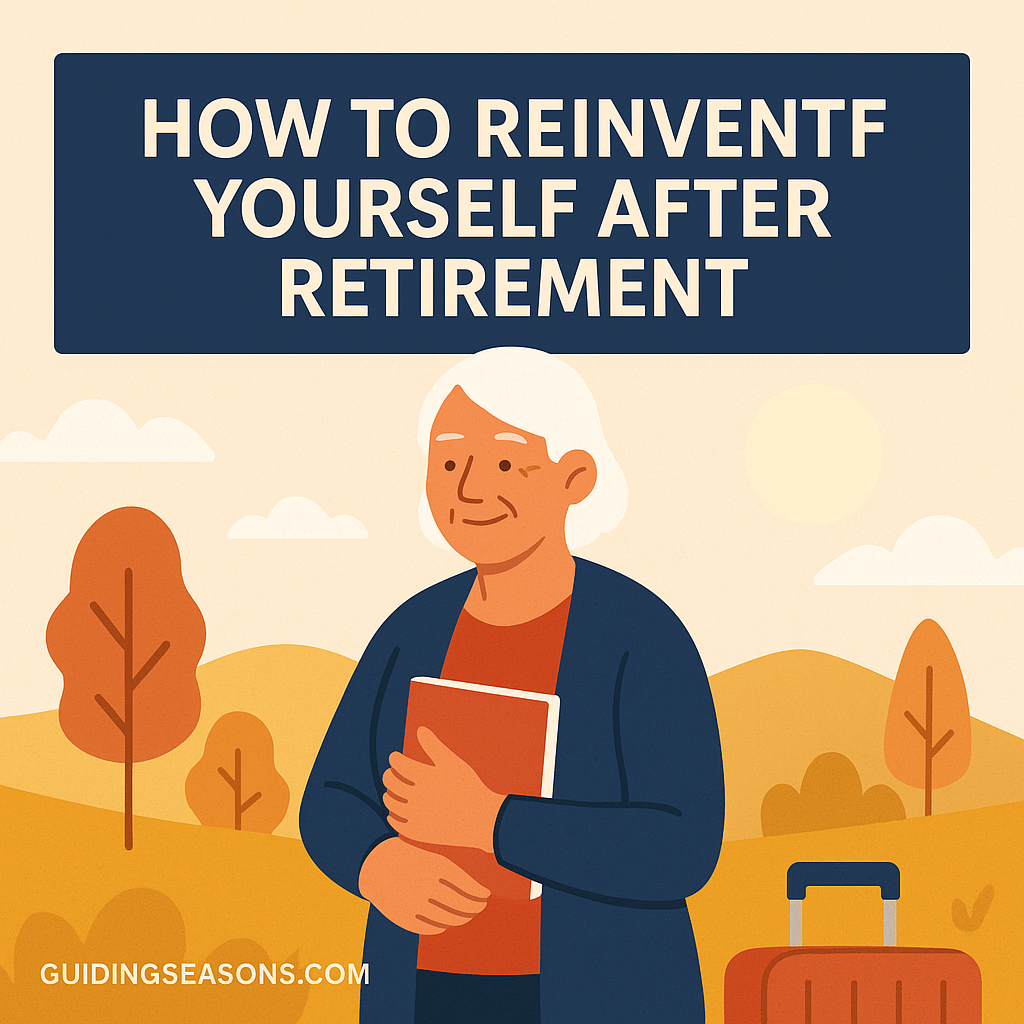
Older man smiling while writing in a notebook as he plans his next chapter after retirement.
Older man reflecting and planning how to reinvent himself in retirement.

Retirement is often described as the reward at the end of a long working life. You finally have fewer deadlines, fewer early alarms, and greater control over how you spend your time.

But retirement can also bring an unexpected question:

Who am I when my career is no longer at the center of my life?

For decades, work may have influenced nearly everything about your daily routine. It determined when you woke up, where you went, who you interacted with, and what responsibilities filled your week. Your profession may even have become part of how you introduced yourself to other people.

Then retirement arrives, and much of that structure can disappear surprisingly quickly.

That transition can be exciting, but it can also feel unfamiliar.

Reinventing yourself after retirement doesn’t mean rejecting the person you used to be or trying to create an entirely new personality. It means deciding which parts of your previous life you want to carry forward while giving yourself permission to explore interests, relationships, goals, and roles that may not have fit into your working years.

The National Institute on Aging (NIA) emphasizes that meaningful and socially engaging activities can support healthy aging. It notes that hobbies, volunteering, time with friends and family, and other meaningful activities can contribute to well-being and help create a sense of purpose in daily life.

Retirement can provide the time to discover what those meaningful activities look like for you.

Continue reading “How to Reinvent Yourself After Retirement”

Safety Tips for Seniors Living Alone

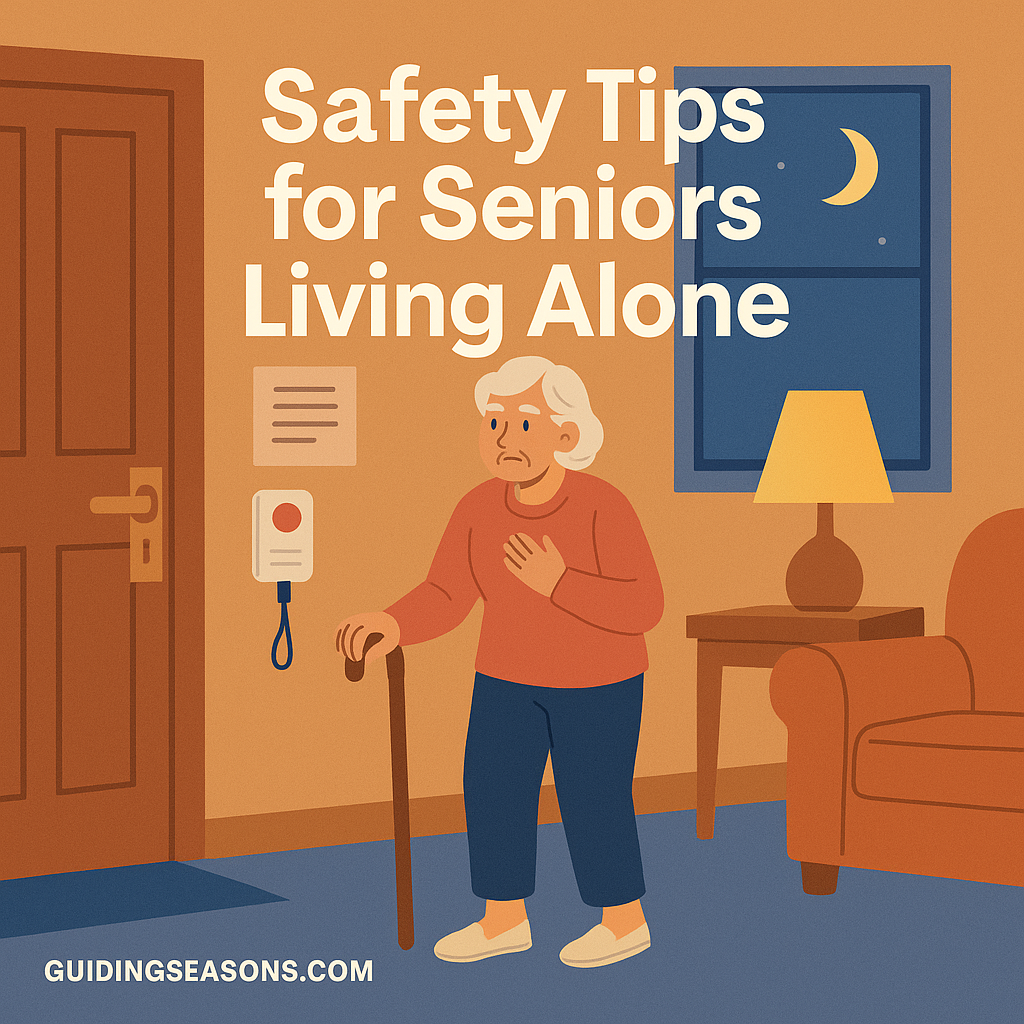
Older woman standing in her living room at night holding a cane with safety devices nearby.
Older woman using safety devices and precautions while living alone.

Living alone can provide independence, privacy, and the freedom to maintain your own routines. For many older adults, remaining in a familiar home is an important part of maintaining independence.

Living independently, however, also makes preparation especially important. If you fall, become ill, experience a power outage, encounter a suspicious visitor, or have another emergency, there may not be another person in the home to immediately notice what happened.

That does not mean living alone has to feel unsafe.

Simple changes to your home, daily routines, and communication habits can reduce common risks while allowing you to continue enjoying your independence.

Fall prevention deserves particular attention. According to the Centers for Disease Control and Prevention (CDC), more than one in four adults age 65 and older reports falling each year. The CDC recommends practical home modifications such as removing tripping hazards, improving lighting, installing grab bars, and adding railings to reduce fall risks. CDC — Older Adult Fall Prevention

Here are practical safety strategies for older adults who live alone.

Continue reading “Safety Tips for Seniors Living Alone”

How to Prepare for Financial Emergencies

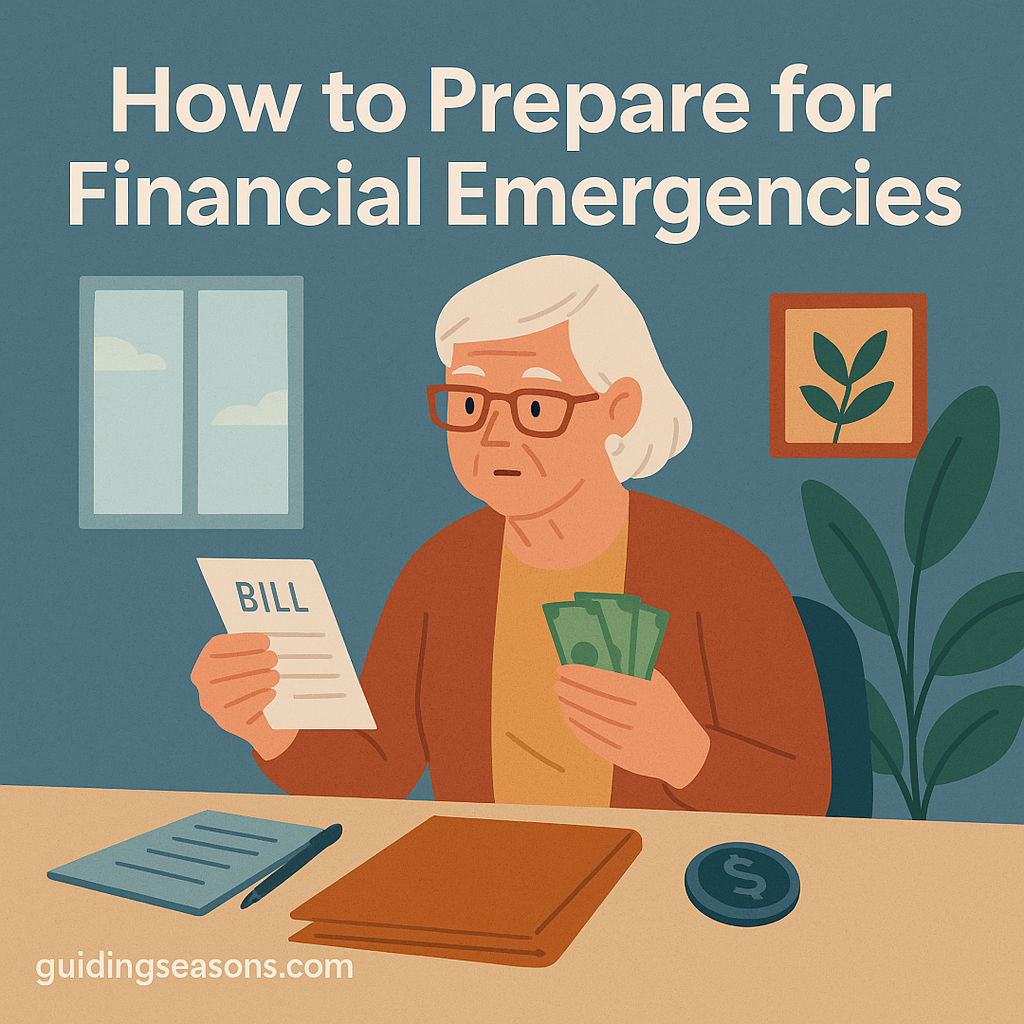
Older woman reviewing a bill and counting cash while preparing for financial emergencies.
Older woman reviewing bills and organizing money to prepare for financial emergencies.

Financial emergencies can happen at any stage of life, but they can feel especially disruptive during retirement or when you depend primarily on a fixed income. An unexpected home repair, medical expense, vehicle problem, insurance deductible, or family emergency can suddenly require hundreds or even thousands of dollars.

The challenge is that emergencies rarely arrive at a convenient time.

You may have carefully planned your monthly retirement expenses only to discover that your air conditioner needs replacing or your vehicle needs an expensive repair. Without money specifically available for unexpected expenses, you may have to use a credit card, withdraw additional money from a retirement account, sell investments, or make difficult cuts elsewhere.

Preparing ahead of time can reduce that pressure.

The Consumer Financial Protection Bureau (CFPB) describes an emergency fund as a cash reserve specifically set aside for unexpected expenses such as medical bills, home or vehicle repairs, and interruptions to income. The agency also points out that even relatively small financial shocks can lead to lasting debt when there are insufficient savings available to absorb them.

Financial preparedness does not mean predicting every problem. It means creating enough flexibility that an unexpected expense does not automatically become a financial crisis.

Here are practical ways to strengthen your financial emergency plan.

Continue reading “How to Prepare for Financial Emergencies”

How to Stay Healthy While Traveling

Older woman wearing a sun hat holding a water bottle and travel documents next to her suitcase while traveling.
Older woman preparing for a healthy and comfortable travel experience.

Traveling can be one of the most rewarding parts of retirement. Whether you’re taking a weekend road trip, visiting family across the country, exploring a national park, or finally taking an international vacation you’ve dreamed about for years, travel provides opportunities to experience new places and break away from everyday routines.

But those changes in routine can also affect your health.

Long travel days may mean hours of sitting. Restaurant meals can replace your usual diet. Different time zones may interfere with sleep, and sightseeing can involve considerably more walking than you normally do at home. Add unfamiliar weather, crowded transportation, and changes to your medication schedule, and it’s easy to understand why travelers sometimes return home more exhausted than when they left.

For seniors, staying healthy while traveling isn’t about avoiding adventure. It’s about preparing well enough that health problems are less likely to interfere with the experience.

A few practical habits can help you maintain your energy, stay comfortable, and enjoy your trip from beginning to end.

Continue reading “How to Stay Healthy While Traveling”

How to Reduce Monthly Bills Using Smart Tech

Older man using his smartphone to manage smart tech devices while reviewing a monthly bill.
Older man using smart technology to help lower his monthly household bills.

Technology isn’t just about convenience. Used wisely, it can also help older adults reduce household expenses, avoid waste, and keep a closer eye on monthly bills.

You don’t need to turn your home into a complicated “smart house” to see benefits. A programmable thermostat, a few smart plugs, a water leak sensor, or even the banking app you already have can help identify unnecessary spending and make everyday routines more efficient.

The most important thing is to choose technology that solves a real problem. Buying dozens of gadgets can defeat the purpose if your goal is to save money. Instead, start with one or two areas where your household spends the most and look for simple ways technology can help.

Here are some of the most practical ways seniors can use smart technology to lower expenses while maintaining comfort, safety, and independence.

Continue reading “How to Reduce Monthly Bills Using Smart Tech”

How to Maintain Healthy Boundaries With Family

Older woman and younger man having a calm conversation in a living room.
Older woman discussing healthy boundaries with a family member.

Family relationships can be warm, supportive, and deeply meaningful—but they can also become stressful when expectations aren’t clear. As life changes through retirement, health shifts, caregiving responsibilities, and evolving family roles, you may discover that boundaries that worked years ago no longer fit your life today.

Perhaps adult children assume you’re always available because you’re retired. Grandchildren may bring tremendous joy while also requiring time and energy. A sibling might rely heavily on you for emotional support. Family members may have opinions about your finances, healthcare, travel plans, or how you spend your time.

Helping the people you love can be rewarding, but retirement doesn’t mean your time automatically belongs to everyone else.

Healthy boundaries aren’t about shutting people out. They’re about creating clear expectations so relationships have room for respect, independence, and genuine connection.

Here’s how to establish and maintain family boundaries with confidence and compassion.

Continue reading “How to Maintain Healthy Boundaries With Family”