How to Travel Safely With Mobility Needs

Older woman in a wheelchair holding a rolling suitcase with a travel-themed background and title text, representing how to travel safely with mobility needs.
An older woman prepares for travel using a wheelchair and suitcase, illustrating tips for traveling safely with mobility needs.

Traveling with mobility needs may require more preparation, but it does not have to prevent you from exploring new destinations, visiting family, taking a cruise, or enjoying a long-awaited vacation.

Whether you use a cane, walker, manual wheelchair, power wheelchair, mobility scooter, or simply need extra time and assistance getting around, thoughtful planning can make a significant difference.

The key is to think about the entire journey rather than only the destination. How will you get through the airport? Can your mobility device be transported safely? Is the hotel room truly accessible? How far will you need to walk between attractions? What happens if you become tired halfway through the day?

Answering these questions before departure can reduce surprises and allow you to focus more of your energy on enjoying the trip.

Here are practical ways to travel more safely and comfortably with mobility needs.

Continue reading “How to Travel Safely With Mobility Needs”
How to Use Video Calling Apps as a Beginner

Older man holding a smartphone during a video call with a woman on the screen, with the title “How to Use Video Calling Apps as a Beginner” displayed above.
An older man uses a smartphone for a video call, illustrating a beginner-friendly guide to using video calling apps.

Video calling makes it easier than ever to stay connected with family and friends—especially when distance, health, travel, or busy schedules make in-person visits difficult. Instead of simply hearing someone’s voice, a video call lets you see their face, share a smile, and feel more connected even when you’re miles apart.

If you’re new to video calls, the technology may feel intimidating at first. You might wonder which button to press, whether the other person can hear you, or what happens if something goes wrong. The good news is that most video calling apps are designed to be relatively simple once you learn the basics.

You also don’t need expensive equipment. A smartphone, tablet, or computer with a camera and an internet connection is usually enough.

Here’s a beginner-friendly guide to help you make your first video call with confidence.

Continue reading “How to Use Video Calling Apps as a Beginner”

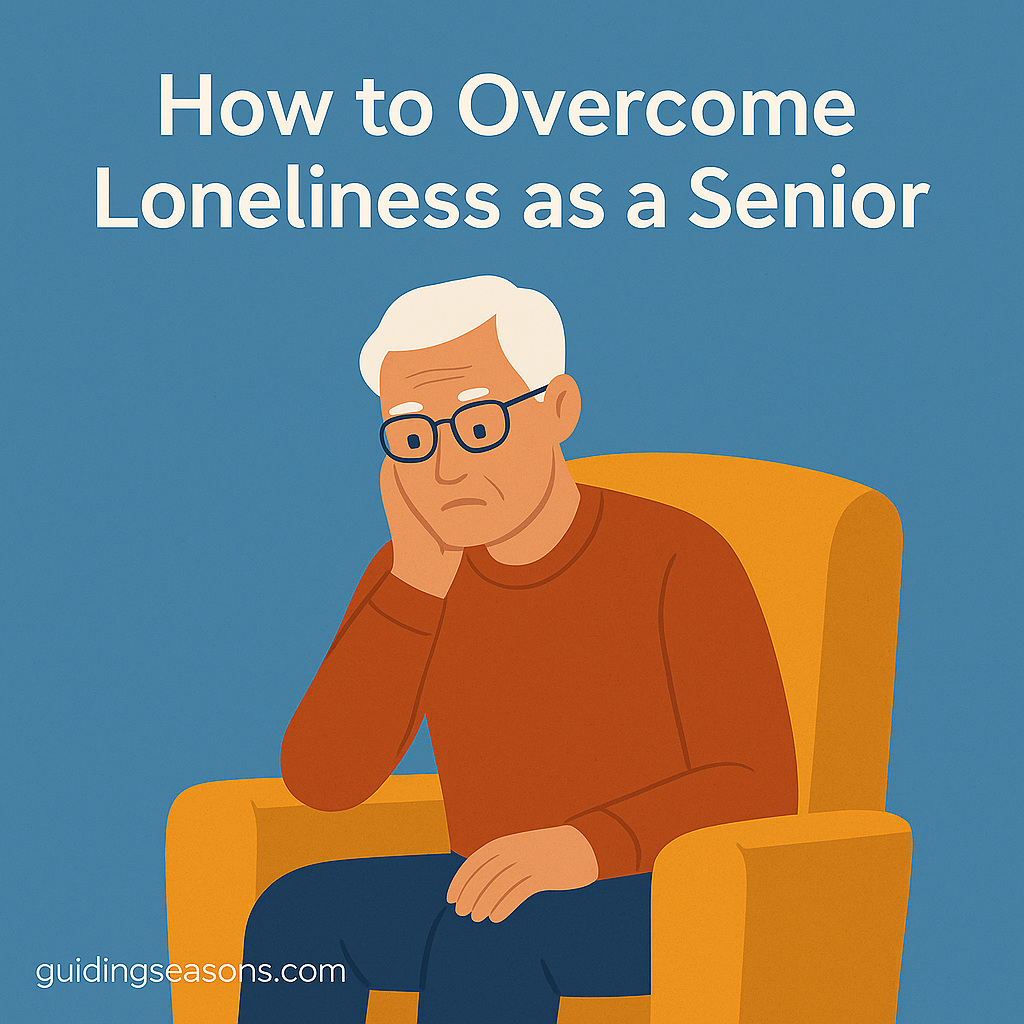
How to Overcome Loneliness as a Senior

Older man sitting in an armchair with a sad, thoughtful expression and the title “How to Overcome Loneliness as a Senior” displayed above him.
An older man reflects on feelings of loneliness, paired with an overlay title to illustrate how seniors can overcome loneliness.

Loneliness can affect people at any age, but older adulthood can bring circumstances that make maintaining social connections more difficult. Retirement may remove the daily interaction that once came from the workplace. Adult children may live far away or have busy families of their own. Friends may relocate, health or mobility problems can make getting out more difficult, and the loss of a spouse, partner, sibling, or longtime friend can leave an enormous gap in everyday life.

Feeling lonely occasionally is a normal human experience. However, when loneliness becomes persistent, it is worth paying attention to rather than simply accepting it as an unavoidable part of getting older.

The encouraging news is that social connection can be rebuilt. You don’t necessarily need a large circle of friends or a packed social calendar. A few dependable relationships, meaningful activities, and regular opportunities to interact with other people can make everyday life feel considerably more connected.

Overcoming loneliness often happens gradually. Small actions — making a phone call, attending a weekly class, walking with a neighbor, volunteering a few hours, or reconnecting with an old friend — can begin creating momentum.

Continue reading “How to Overcome Loneliness as a Senior”

How to Build a Weekly Lifestyle Routine

Older man writing in a weekly planner with icons for exercise, music, phone calls, and rest behind him, illustrating how to build a weekly lifestyle routine.
An older man organizes his weekly schedule, representing simple steps to build a balanced and meaningful lifestyle routine.

A weekly lifestyle routine can bring structure, balance, and a stronger sense of purpose to everyday life. This can be especially helpful in later years, when schedules may become less defined by work, school, or family obligations than they once were.

A routine does not mean filling every hour of every day.

In fact, the most useful routines usually leave plenty of room for rest, flexibility, spontaneity, and changes in energy. The goal is simply to create a rhythm that helps you make time for the things that support your well-being—movement, social connection, hobbies, appointments, household responsibilities, and relaxation.

Instead of waking up every morning wondering what you should do, a basic routine gives you a starting point.

For example, Monday might usually include a walk, Wednesday could be your day for errands and appointments, and Friday might be reserved for something enjoyable such as painting, gardening, photography, or meeting a friend.

Small patterns like these can make a week feel more organized without making it rigid.

Here’s how to create a weekly lifestyle routine that is realistic, enjoyable, and easy to maintain.

Continue reading “How to Build a Weekly Lifestyle Routine”

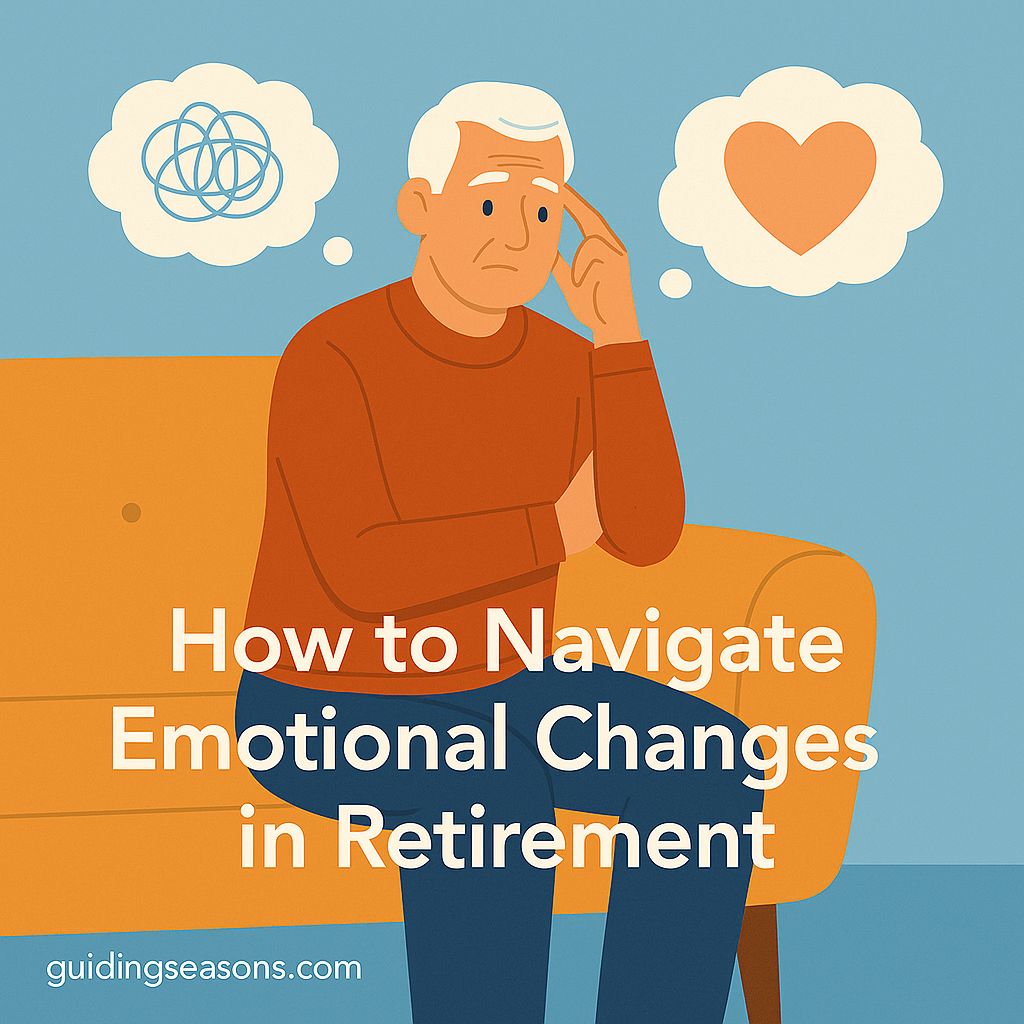
How to Navigate Emotional Changes in Retirement

Older man sitting on a couch with thought bubbles showing confusion and a heart, representing how to navigate emotional changes in retirement.
An older man reflects on emotional changes during retirement, symbolizing the challenges and growth that come with this life transition.

Retirement is often pictured as a long-awaited reward: no alarm clock, no commute, fewer deadlines, and finally enough time to travel, relax, pursue hobbies, and spend time with the people you care about.

For many people, retirement does bring those benefits. But leaving the workforce can also create emotional changes that aren’t discussed nearly as often.

After spending 20, 30, or even 40 years building a career and following a relatively predictable schedule, suddenly having complete control over your day can feel surprisingly unfamiliar. You may miss coworkers, question your sense of purpose, struggle with too much unstructured time, or simply wonder what you’re supposed to do next.

These feelings don’t necessarily mean that retirement was a mistake. Retirement is a significant life transition, and adjusting to it can take time.

The American Psychological Association (APA) notes that preparing for retirement involves more than achieving financial security. People may also need to prepare for changes in identity, relationships, interests, and where they derive their sense of self-esteem.

Understanding these emotional changes—and intentionally building a satisfying new routine—can make retirement a much more rewarding chapter of life.

Continue reading “How to Navigate Emotional Changes in Retirement”

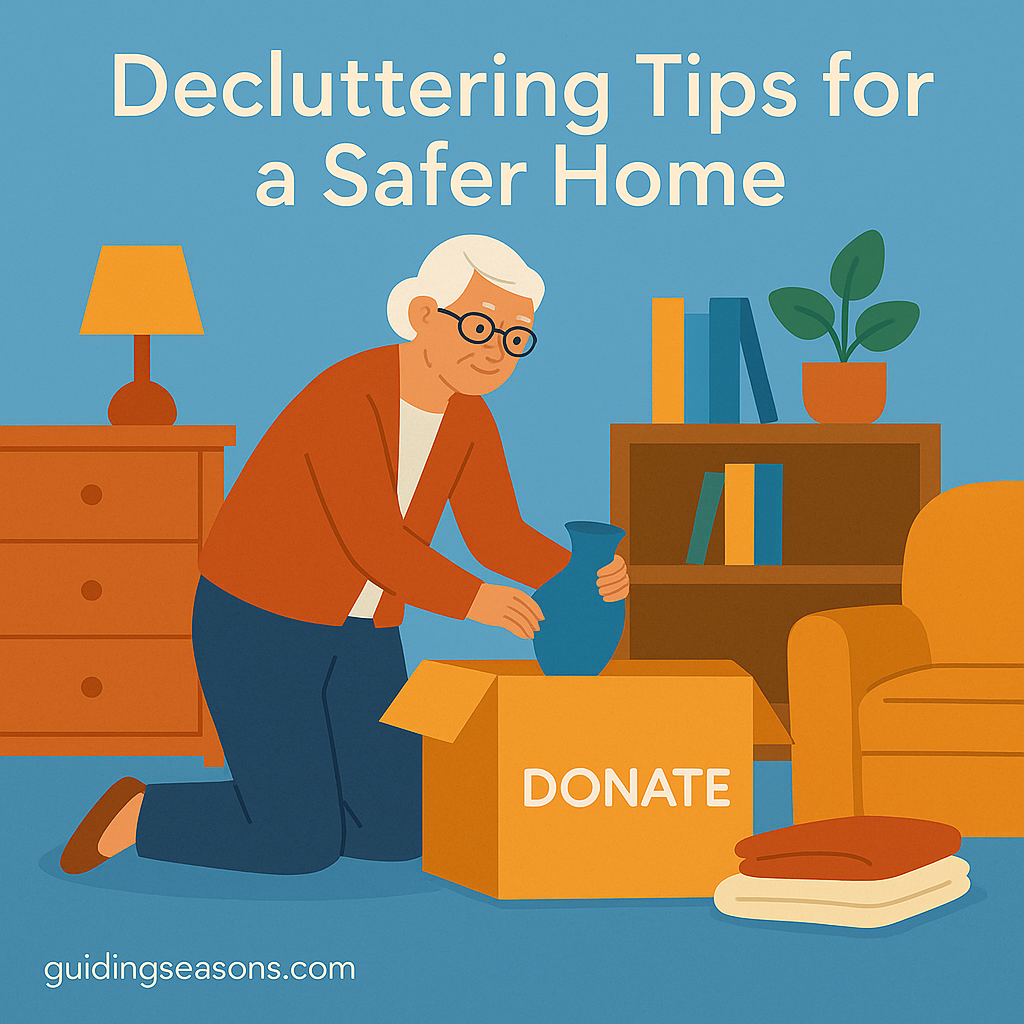
Decluttering Tips for a Safer Home

Older woman kneeling on the floor placing a vase into a donation box in her living room, illustrating decluttering tips for a safer home.
An older woman organizes belongings into a donation box, demonstrating simple decluttering steps for a safer home.

A clutter-free home is about much more than appearance. As we get older, having clear floors, easy-to-reach belongings, and well-organized living spaces can make everyday activities safer and more comfortable.

Items that once seemed harmless—a stack of magazines beside a chair, shoes near the doorway, an extension cord running across the floor, or a small table in a hallway—can gradually become obstacles. Clutter can make it harder to move around with confidence, especially for someone who uses a cane, walker, or other mobility aid.

Home hazards such as clutter and throw rugs are among the factors that can contribute to falls in older adults, according to the Centers for Disease Control and Prevention (CDC). The CDC recommends removing tripping hazards and keeping floors clear as part of making the home safer.

The goal, however, is not to create a perfectly empty house. Your home should still feel comfortable, familiar, and personal.

Instead, focus on removing obstacles, organizing the things you use, and making important areas easier to navigate.

Here are practical decluttering strategies for creating a safer and more enjoyable home.

Continue reading “Decluttering Tips for a Safer Home”

Understanding Medicare Supplement Plans

Older man reading a Medicare Supplement Plans brochure at a table with healthcare icons in the background, illustrating how Medicare Supplement (Medigap) plans work.
An older man reviews a Medicare Supplement Plans brochure, representing key information seniors need to understand Medigap coverage.

Medicare provides important health coverage for millions of older Americans, but Original Medicare does not pay for every healthcare expense. Deductibles, coinsurance, copayments, and other costs can still leave retirees responsible for a meaningful portion of their medical bills.

That is where Medicare Supplement Insurance, commonly called Medigap, can help.

Medigap policies are sold by private insurance companies and are designed to work alongside Original Medicare. Depending on the plan you select, a Medigap policy can pay some or most of the out-of-pocket costs that remain after Medicare pays its share.

For retirees who value predictable healthcare expenses and the freedom to visit providers that accept Medicare, Medigap can be an important part of retirement planning.

Here is what you should know about Medicare Supplement Plans, including how they work, what they cover, what they cost, and how to compare your options.

Continue reading “Understanding Medicare Supplement Plans”

How to Find Senior Travel Discounts

Older man holding travel documents and a smartphone with travel icons around him, illustrating how to find senior travel discounts.
An older man checks his phone for travel deals, representing simple ways seniors can find and use travel discounts.

Travel can become one of the most rewarding ways to enjoy your later years. Whether you are planning a weekend getaway, visiting family across the country, taking a scenic train journey, or finally booking a destination that has been on your list for decades, finding the right discounts can make your travel budget go considerably further.

The challenge is that senior travel discounts are not always easy to find.

Some companies prominently advertise them, while others make them available only on certain routes, dates, properties, or types of reservations. Eligibility ages also vary. One company might consider travelers 60 and older eligible, while another begins its senior program at 62 or 65.

That means finding senior discounts requires more than simply clicking the first “senior rate” you see.

The best approach is to combine age-based discounts with ordinary travel strategies such as flexible dates, loyalty programs, membership benefits, advance booking, and off-season travel.

Here’s how to find senior travel discounts and determine whether they are actually saving you money.

Continue reading “How to Find Senior Travel Discounts”

How to Build Strong Friendships Later in Life

Two older adults smiling and talking together, illustrating how to build strong friendships later in life.
Two older friends enjoy a warm conversation, representing simple ways to build strong friendships later in life.

Friendship remains important throughout every stage of life. Good friends provide companionship, encouragement, laughter, emotional support, and a sense that we belong somewhere. Yet making and maintaining friendships can become more challenging as we get older.

Retirement may eliminate the daily contact you once had with coworkers. Longtime friends may move away, experience health problems, or develop different routines. Adult children may have busy families and careers of their own. Some older adults relocate after retirement and suddenly find themselves building a social life in an unfamiliar community.

These changes can make a social circle smaller, but they do not mean that opportunities for friendship have disappeared.

Meaningful friendships can develop at virtually any stage of adulthood. The process may look different than it did in school or during the early years of a career, but the basic ingredients remain surprisingly similar: repeated contact, shared experiences, curiosity, trust, and a willingness to make an effort.

The goal doesn’t need to be having dozens of friends. A few dependable relationships can provide tremendous value. By putting yourself in situations where connection can develop and giving those relationships time to grow, you can build a fulfilling social life later in life.

Continue reading “How to Build Strong Friendships Later in Life”

How to Maintain Strong Bones as You Age

Older woman exercising outdoors with a dumbbell on a sunny day, demonstrating healthy habits that help maintain strong bones as you age.
An older woman lifts a dumbbell while exercising outside, highlighting simple ways to maintain strong bones as you age.

Healthy bones are essential for staying active, mobile, and independent as you grow older. Your bones provide the framework that supports your body, protect vital organs, and work with your muscles to make everyday movement possible.

But bones aren’t permanent, unchanging structures. They are living tissue that is continually broken down and rebuilt. As you get older, this balance can shift, and bone may be lost faster than the body replaces it.

Over time, declining bone density can increase the risk of osteoporosis and fractures. The encouraging news is that age isn’t the only factor determining bone health. Nutrition, physical activity, fall prevention, smoking, alcohol use, medications, and preventive healthcare can all make a difference.

You don’t need to completely change your lifestyle overnight. Consistent habits—such as getting enough calcium and vitamin D, performing weight-bearing and resistance exercises, and taking steps to prevent falls—can help protect your bones throughout later life.

Continue reading “How to Maintain Strong Bones as You Age”