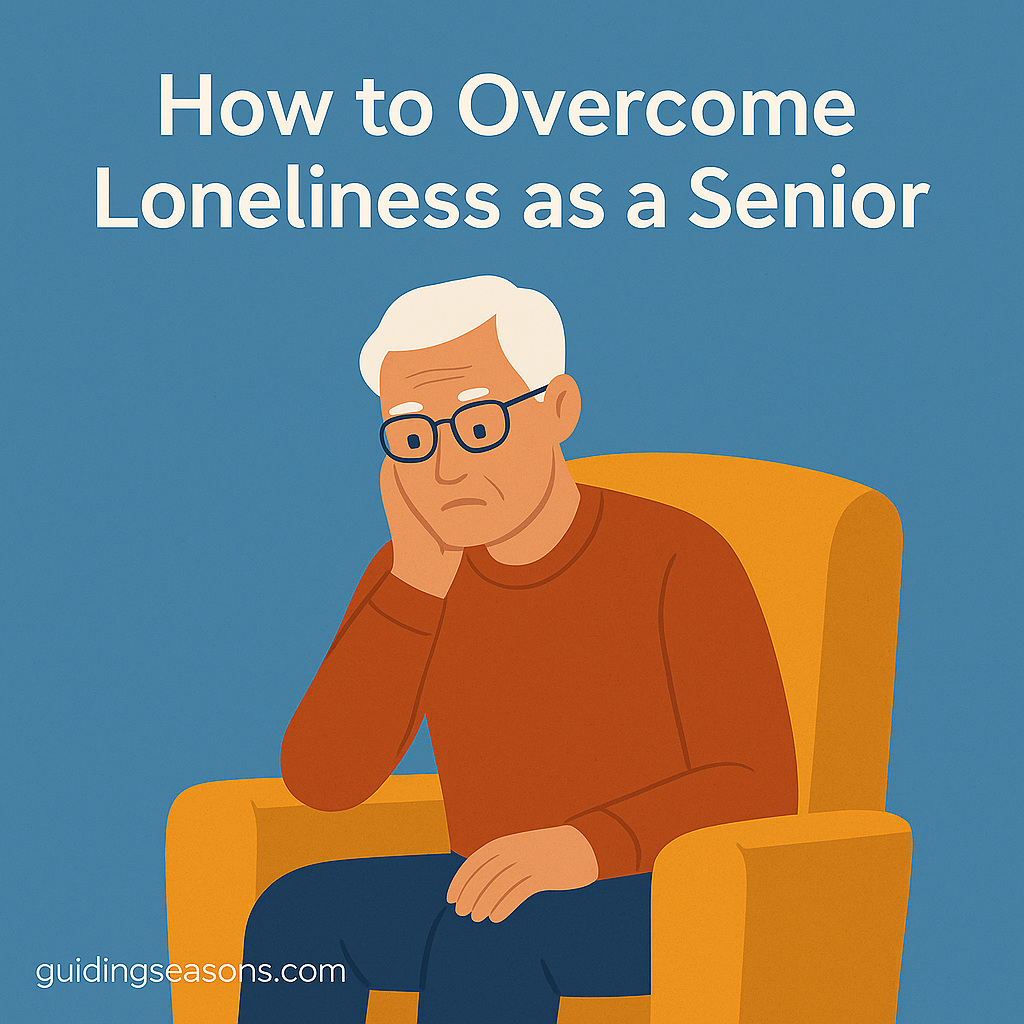
Loneliness can affect people at any age, but older adulthood can bring circumstances that make maintaining social connections more difficult. Retirement may remove the daily interaction that once came from the workplace. Adult children may live far away or have busy families of their own. Friends may relocate, health or mobility problems can make getting out more difficult, and the loss of a spouse, partner, sibling, or longtime friend can leave an enormous gap in everyday life.
Feeling lonely occasionally is a normal human experience. However, when loneliness becomes persistent, it is worth paying attention to rather than simply accepting it as an unavoidable part of getting older.
The encouraging news is that social connection can be rebuilt. You don’t necessarily need a large circle of friends or a packed social calendar. A few dependable relationships, meaningful activities, and regular opportunities to interact with other people can make everyday life feel considerably more connected.
Overcoming loneliness often happens gradually. Small actions — making a phone call, attending a weekly class, walking with a neighbor, volunteering a few hours, or reconnecting with an old friend — can begin creating momentum.
Understand the Difference Between Loneliness and Social Isolation
Loneliness and social isolation are related, but they are not exactly the same.
Loneliness describes the feeling that you do not have the connection or closeness you want. Social isolation refers more specifically to having relatively little contact or interaction with other people.
This distinction matters because someone can live alone without feeling lonely, while another person can have family nearby and still feel emotionally disconnected.
The National Institute on Aging (NIA) identifies several circumstances that can increase the risk of loneliness or social isolation among older adults, including living alone, losing family members or friends, retirement, mobility limitations, hearing or vision difficulties, lack of transportation, caregiving responsibilities, and feeling a lack of purpose.
Understanding what is contributing to your loneliness can make it easier to decide what kind of connection you actually need.
Why Social Connection Matters as You Age
Social connection isn’t simply about having something enjoyable to do. It is an important part of overall well-being.
The CDC reports that loneliness and social isolation are associated with increased risks of several physical and mental health problems, including heart disease, stroke, depression, anxiety, dementia, and earlier death.
This doesn’t mean that feeling lonely occasionally will cause a health problem. Rather, persistent social disconnection deserves attention just like other aspects of healthy aging.
The scale of the issue is also significant. The National Institute on Aging reports that approximately 1 in 4 adults age 65 and older are socially isolated.
If you’re struggling with loneliness, you are far from the only person experiencing it.
Acknowledge How You’re Feeling
It can be tempting to dismiss loneliness.
You might tell yourself that you should be more independent or that other people have more serious problems. But ignoring loneliness rarely creates the connection you are missing.
Instead, try identifying exactly what you are feeling.
Do you miss having someone to talk with every morning? Do you miss your former coworkers? Are weekends particularly difficult? Do you have plenty of casual acquaintances but no one with whom you can have a deeper conversation?
The answer can point toward a solution.
Someone who misses daily conversation may benefit from regular phone calls or a morning walking group. Someone who misses feeling useful might benefit more from volunteering. Someone grieving a spouse may need emotional support as much as additional social activity.
Being specific turns a vague feeling into something you can begin addressing.
Strengthen Relationships You Already Have
Creating new friendships can take time, so begin by looking at relationships already in your life.
Think about:
- Family members
- Former coworkers
- Old friends
- Neighbors
- Former classmates
- Members of your faith community
- People from previous clubs or hobbies
Some of these relationships may have faded simply because neither person took the initiative to reconnect.
Try making the first move.
Instead of saying, “We should get together sometime,” suggest something specific: “Would you like to have coffee Tuesday morning?”
Specific invitations are easier to act on.
You can also establish recurring contact. Perhaps you call your sister every Wednesday evening, meet a former coworker for breakfast on the first Saturday of each month, and take a walk with a neighbor every Friday morning.
Three small routines can create several predictable points of connection throughout every month.
Build New Friendships Around Shared Interests
Making friends later in life can feel awkward, particularly if you haven’t had to actively make new friends for decades.
One of the easiest approaches is to focus on activities rather than friendship itself.
Join something you genuinely enjoy and allow relationships to develop naturally.
Possibilities include:
- Walking groups
- Exercise classes
- Gardening clubs
- Book clubs
- Art or photography classes
- Community centers
- Senior centers
- Choirs or music groups
- Faith communities
- Local history organizations
- Recreational sports
- Continuing education classes
Repeated interaction is particularly helpful.
Attending the same activity every Tuesday gives you opportunities to see the same people again and again. The first week might involve little more than introductions. By the fourth week, you may recognize several people. After a few months, someone may suggest getting coffee afterward.
Friendships often develop through repeated ordinary interactions rather than one dramatic introduction.
Consider Volunteering
Loneliness isn’t always caused solely by a lack of conversation. Sometimes people also miss feeling needed.
Retirement can create this challenge because employment previously provided responsibilities, routines, goals, and people who depended on your contribution.
Volunteering can restore some of that structure.
Consider helping at:
- Libraries
- Schools
- Food banks
- Animal shelters
- Community gardens
- Museums
- Hospitals
- Faith organizations
- Local nonprofits
You don’t necessarily need to volunteer several days each week.
Imagine volunteering at a community food pantry for three hours every Thursday morning. Over a year, that could provide more than 150 hours of purposeful activity while regularly putting you alongside people who care about the same cause.
The NIA specifically recommends volunteering as one way to remain socially connected, noting that meaningful activities with others can provide a sense of purpose and may support mood and well-being.
The social benefit often develops naturally because everyone is working toward a shared goal.
Create a Weekly Social Routine
Waiting until you feel lonely to decide what to do can make isolation harder to overcome.
Instead, build connection into your normal schedule.
For example:
Monday: Morning exercise class
Tuesday: Call a family member
Wednesday: Lunch with a friend
Thursday: Volunteer for three hours
Friday: Walk with a neighbor
Weekend: Attend a community, family, or faith activity
Your schedule doesn’t need to be this busy.
Even two or three regular social activities each week can give you something to anticipate.
Consistency is more important than trying to fill every day.
Use Technology to Maintain Relationships
Technology can be especially helpful when family and friends live far away.
You don’t need to master every new device or social media platform. A few basic tools can provide meaningful connection.
You might use:
- Video calls
- Text messages
- Family group chats
- Shared photo albums
- Online hobby communities
- Virtual classes
For example, grandparents living in California might schedule a 20-minute video call every Sunday with grandchildren living on the East Coast.
Over a year, that’s potentially more than 17 hours of conversation that geographical distance might otherwise have prevented.
Technology works particularly well as a supplement to in-person relationships rather than a complete replacement for them.
The NIA recommends using video chat and other communication technologies to remain engaged and suggests that people who are uncomfortable with technology consider classes offered through public libraries or community centers.
Spend More Time Outside Your Home
Sometimes reducing isolation begins simply by being around other people.
Consider visiting:
- Libraries
- Parks
- Coffee shops
- Farmers markets
- Community centers
- Museums
- Walking trails
- Local events
Not every outing needs to result in a friendship.
Simply becoming a regular somewhere can gradually create familiarity. A librarian recognizes you. A coffee shop employee remembers your order. You begin greeting another person who walks through the park at the same time every morning.
These small interactions may seem insignificant, but they can contribute to a greater sense of belonging to your community.
Stay Physically Active With Other People
Physical activity can provide both health and social benefits when done with others.
Instead of always exercising alone, consider:
- Walking with a friend
- Joining a walking club
- Attending a senior fitness class
- Trying water aerobics
- Joining a recreational sports group
- Participating in group stretching or yoga
The National Institute on Aging recommends staying physically active and specifically suggests exercising with others, such as joining a walking club or working out with a friend.
A simple walking group can therefore serve several purposes at once: physical activity, conversation, routine, and friendship.
Rediscover Your Interests
Retirement can also be an opportunity to return to activities you once enjoyed but didn’t have time to pursue.
Think about what interested you earlier in life.
Maybe you enjoyed painting but stopped when work became demanding. Perhaps you always wanted to learn photography. Maybe you loved gardening, playing guitar, woodworking, cooking, writing, fishing, or restoring old furniture.
Interests provide personal fulfillment even when you’re alone, but they can also lead to relationships.
A gardening hobby might lead you to a community garden. Photography might lead to a local photography group. Reading might lead to a book club.
Instead of asking, “How do I meet people?” sometimes it is more useful to ask, “What would I enjoy doing with other people?”
Consider a Pet Carefully
Animals can provide affection, companionship, structure, and a comforting presence in the home.
Dogs can also encourage regular walks and interactions with neighbors or other pet owners.
But pet ownership is a significant commitment.
Before adopting, consider:
- Cost
- Mobility
- Veterinary expenses
- Housing restrictions
- Travel plans
- Your ability to provide long-term care
If owning an animal isn’t practical, there are alternatives.
You might foster animals temporarily, volunteer at an animal shelter, walk a friend’s dog, or participate in programs involving therapy animals.
The goal is companionship without taking on responsibilities you cannot comfortably maintain.
Join a Support Group
Sometimes loneliness is connected to a particular life experience.
You may be grieving a spouse, adjusting to retirement, caring for someone with a serious illness, or coping with major changes in your health.
A support group can connect you with people who understand that experience personally.
Support groups may be available for:
- Grief and bereavement
- Caregivers
- Retirement transitions
- Chronic health conditions
- Divorce or separation
- Widows and widowers
Unlike a general social activity, a support group creates an environment where difficult emotions can be discussed openly.
The person sitting across from you may understand something that friends and relatives — despite their best intentions — simply haven’t experienced.
Address Practical Barriers to Connection
Sometimes loneliness has a practical cause rather than a social one.
Perhaps you want to attend activities but no longer drive at night. Maybe hearing loss makes group conversations frustrating. Mobility limitations could make certain locations difficult to visit.
Identify the barrier before abandoning the activity entirely.
Possible solutions might include:
- Asking about daytime activities
- Using senior transportation programs
- Carpooling with another participant
- Exploring accessible community programs
- Discussing hearing or vision concerns with a health professional
- Participating virtually when transportation isn’t available
The NIA identifies transportation difficulties, mobility limitations, hearing and vision problems, and inability to leave home without assistance as factors that can contribute to social isolation.
Sometimes improving connection requires solving the obstacle that has been preventing it.
Give New Relationships Time
One of the most important things to remember is that loneliness usually doesn’t disappear after attending one event.
Relationships take time.
You might attend a community class and feel uncomfortable the first week. That doesn’t necessarily mean the class isn’t right for you.
Try returning.
Say hello to someone you recognize.
The next week, ask how they’re doing.
Eventually, suggest having coffee after class.
Connection often develops gradually through repeated small interactions.
Don’t measure success by whether you immediately make a close friend. Measure it by whether you are creating more opportunities for relationships to develop.
Seek Professional Support When Loneliness Feels Overwhelming
There is an important difference between occasionally feeling lonely and experiencing persistent loneliness alongside significant changes in mood or daily functioning.
Consider talking with a doctor or mental health professional if loneliness is accompanied by ongoing sadness, anxiety, changes in sleep or appetite, loss of interest in activities you previously enjoyed, or difficulty functioning normally.
The NIA recommends discussing persistent loneliness or social isolation with a health professional, particularly because your doctor can consider major life changes and emotional health alongside your overall medical situation.
Professional support and social connection aren’t competing solutions. Sometimes both are appropriate.
Focus on Progress Rather Than a Perfect Social Life
Overcoming loneliness doesn’t require becoming extremely social.
You may never want a calendar filled with activities every day — and that’s perfectly reasonable.
A meaningful social life might simply include:
- One close friend
- Regular conversations with family
- A weekly group activity
- A volunteer commitment
- Friendly relationships with neighbors
- A hobby that provides purpose
Quality matters as much as quantity.
Start with one manageable change.
Call someone this week. Attend one community activity. Take one class. Invite one neighbor for coffee. Look into one volunteer opportunity.
Then build from there.
Final Thoughts
Loneliness can become more common during later stages of life, particularly after retirement, bereavement, relocation, health changes, or the gradual loss of familiar social networks. But isolation does not have to become a permanent feature of aging.
Meaningful connection can be rebuilt.
Start with relationships you already have, but remain open to new ones. Create routines that bring you into contact with other people. Volunteer, pursue hobbies, join groups, stay physically active, and use technology when distance makes face-to-face interaction difficult.
Most importantly, give the process time.
A weekly walking group might eventually produce a close friendship. A volunteer position could introduce you to an entirely new community. A simple phone call could revive a relationship that has been quiet for years.
You don’t need dozens of friends or constant social activity to feel connected. A few meaningful relationships and regular opportunities to participate in the world around you can make an enormous difference.
Take one small step toward connection, then another. Over weeks and months, those individual moments can grow into something much larger: a life with more companionship, purpose, belonging, and people with whom to share it.