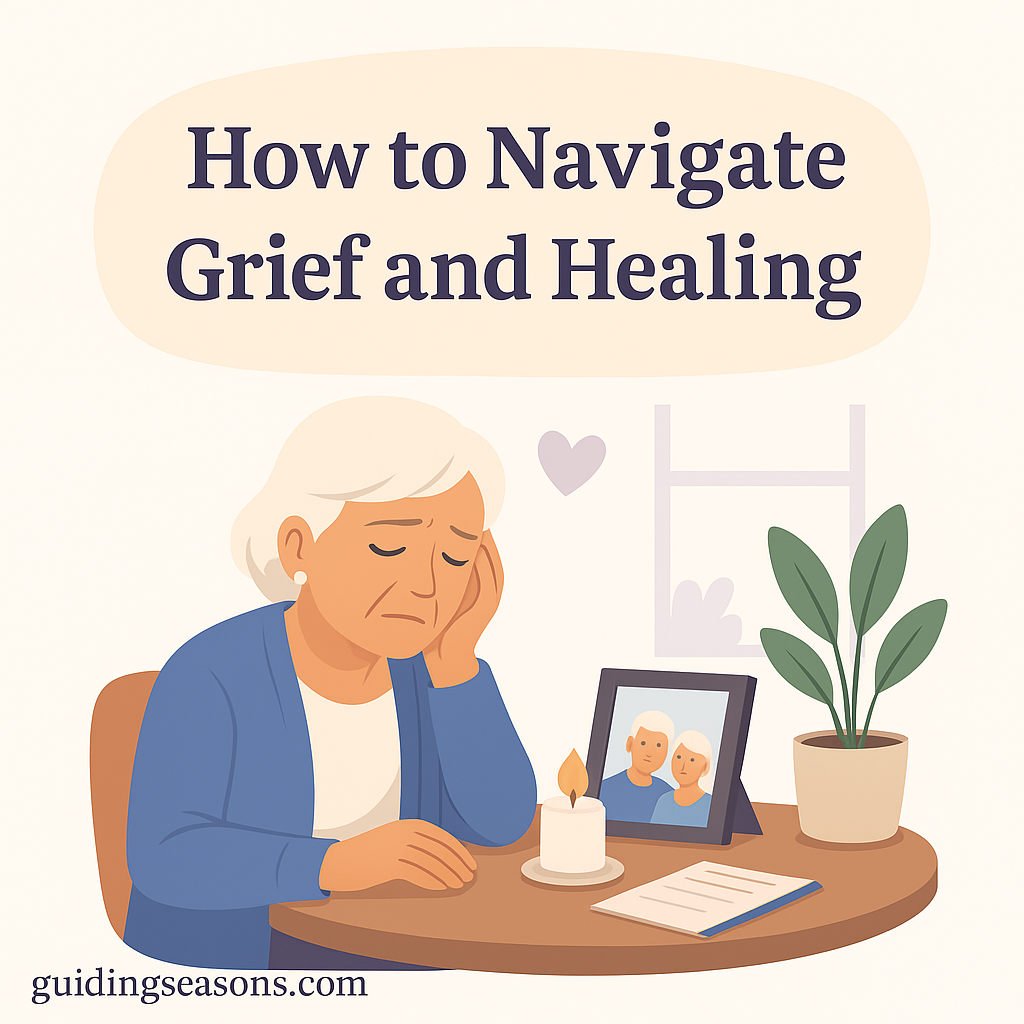
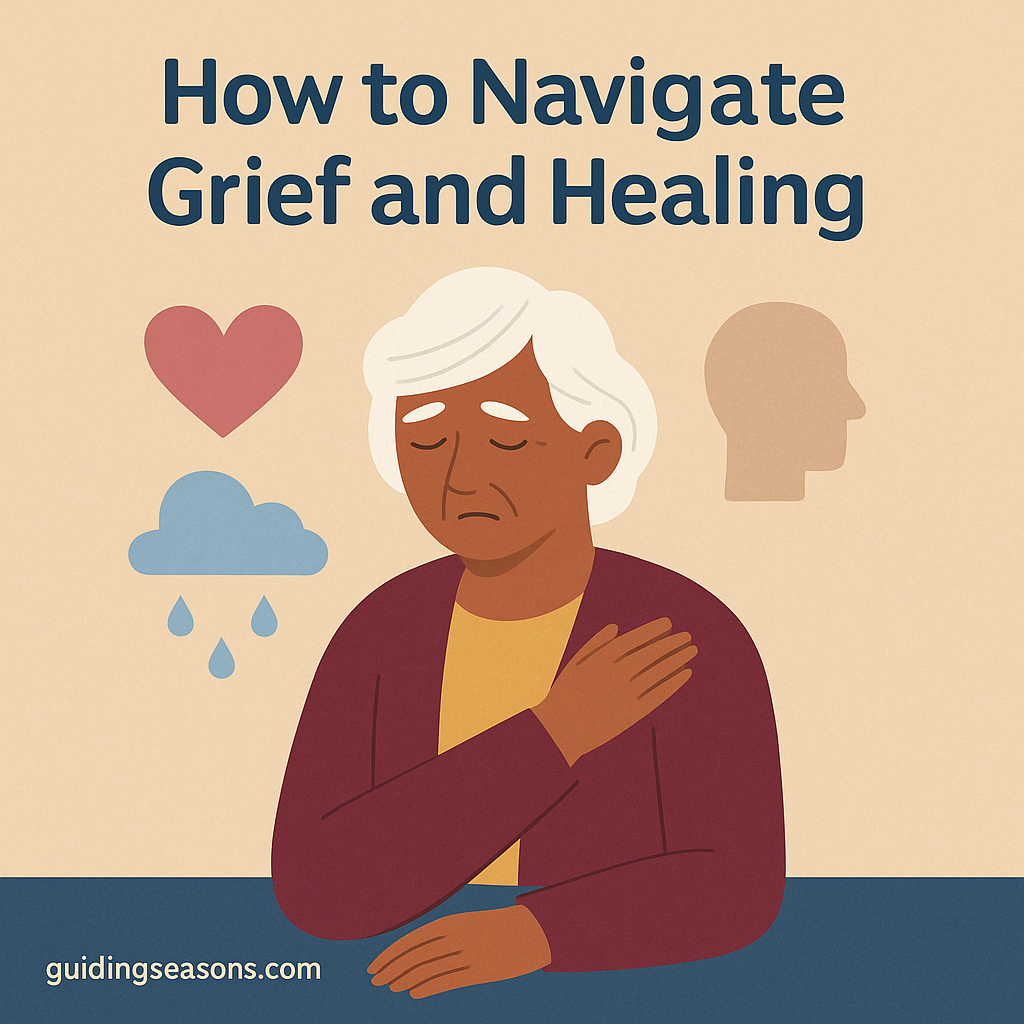
Grief is one of the most difficult experiences we face in life. Whether you’re grieving the loss of a spouse, a family member, a close friend, a pet, or even a life chapter that has changed forever, the emotions can feel heavy, confusing, and unpredictable.
There is no single “right” way to grieve, and there is no specific timeline for healing.
As a senior, grief may come in many forms—losing loved ones, adjusting to health changes, or navigating major life transitions. While grief may remain part of your story, it is possible to gradually find moments of comfort, connection, and meaning again.
This guide offers gentle, supportive steps to help you move through grief with patience and compassion for yourself.
Understand That Grief Has Many Forms
Grief is more than sadness. It can show up through a wide range of emotions and physical experiences.
You may feel:
- Shock or numbness
- Loneliness
- Anger or frustration
- Confusion
- Fatigue
- Anxiety
- Guilt
- Difficulty concentrating
- Changes in sleep or appetite
- Relief, particularly after a long period of caregiving
You may experience several of these feelings at once, or your emotions may change from one day to the next.
Grief is deeply personal. Two people can experience the same type of loss and respond very differently.
AARP offers additional information about coping with grief and loss, including practical guidance for navigating bereavement.
Allow Yourself to Feel Your Emotions
You may feel pressure to “stay strong,” particularly when other family members are grieving too. But you don’t have to hide every difficult emotion or pretend that you’re doing better than you are.
You may find comfort in:
- Crying when you need to
- Talking about your loved one
- Writing about your feelings
- Looking through photographs
- Finding quiet moments to reflect
- Sharing memories with people you trust
Some days you may want to talk. Other days you may prefer quiet.
Both are okay.
Giving yourself room to experience grief without judging every emotion can make this difficult period feel a little more manageable.
Take Healing One Day at a Time
Grief can feel overwhelming when you look too far ahead.
You may find yourself wondering how you’ll manage birthdays, holidays, anniversaries, or simply the months and years ahead. When those thoughts become overwhelming, bring your attention back to what you need today.
Focus on:
- Getting through today
- Doing one simple task at a time
- Eating something nourishing
- Taking breaks when emotions feel heavy
- Maintaining basic routines
- Recognizing small moments of comfort
There is no timetable you need to follow.
On particularly difficult days, consider using a three-essentials rule: eat at least one proper meal, take care of one necessary task, and connect with one person.
Those three things may be enough for that day.
Lean on Supportive People
You don’t have to navigate grief entirely on your own.
Helpful sources of support may include:
- Family members
- Close friends
- Faith communities
- Grief counselors
- Therapists
- Support groups, either in person or online
- Hospice bereavement programs
- Community organizations
Sometimes people want to help but don’t know what you need.
Instead of saying, “I’m fine,” you might make a specific request:
Could you have dinner with me Thursday?
Would you mind driving me to my appointment?
Could we talk for a little while tonight?
Specific requests give people an opportunity to provide meaningful support.
The National Council on Aging (NCOA) also provides information and resources related to behavioral health, emotional well-being, and support for older adults.
Honor Your Loved One in Meaningful Ways
Remembering someone you’ve lost doesn’t prevent healing. For many people, finding meaningful ways to maintain a connection with their memories can be comforting.
Consider:
- Creating a memory box
- Displaying favorite photographs
- Writing letters to them
- Cooking their favorite meal
- Planting a tree or flowers
- Listening to their favorite music
- Continuing a tradition you shared
- Making a photo album
- Donating to a cause they cared about
- Sharing stories about them with younger family members
There is no requirement to do something elaborate.
Keeping a favorite photograph on your desk or cooking a familiar recipe once a year can carry just as much meaning as a larger memorial.
Choose what feels right for you.
Take Care of Your Physical Well-Being
Grief can affect more than your emotions. It may influence sleep, appetite, concentration, energy, and motivation.
During this period, basic self-care matters.
Support your physical well-being by:
- Eating regular meals when possible
- Drinking enough water
- Spending some time outdoors
- Taking gentle walks if appropriate for you
- Maintaining regular medications as prescribed
- Resting when you’re tired
- Keeping medical appointments
Don’t worry about creating the perfect wellness routine.
If cooking feels overwhelming, for example, a simple sandwich, soup, or prepared meal may be more realistic than skipping dinner altogether.
Small acts of self-care still count.
Be Gentle With Your Daily Routine
During grief, everyday tasks may require more effort than usual.
Bills, laundry, grocery shopping, phone calls, appointments, and household chores can suddenly feel exhausting.
Try:
- Simplifying your routine
- Breaking larger tasks into smaller steps
- Asking for help with chores, meals, or errands
- Keeping a short daily checklist
- Postponing nonessential projects
- Saying no to responsibilities that feel too heavy
If you normally keep a long to-do list, temporarily reduce it to two or three priorities.
Your capacity may be different while you’re grieving. Adjusting your expectations isn’t giving up—it’s responding to what you need right now.
Find Comfort Through Mindfulness and Reflection
Quiet moments may provide temporary relief when emotions feel intense.
Try:
- Slow breathing exercises
- Prayer or spiritual reflection
- Guided meditation
- Sitting outside and listening to nature
- Writing in a journal
- Listening to calming music
- Sitting quietly with a comforting memory
Mindfulness doesn’t require you to stop grieving or push painful thoughts away.
Instead, it can simply provide a few moments to notice what you’re feeling, breathe, and reconnect with the present.
Understand That Healing Is Not Linear
You may feel relatively peaceful one day and overwhelmed the next.
A song, photograph, familiar restaurant, anniversary, holiday, or unexpected memory can suddenly bring grief back to the surface.
That doesn’t necessarily mean you’re moving backward.
Healing may include:
- Ups and downs
- Good days and difficult days
- Moments of joy mixed with sadness
- Unexpected reminders
- Gradually adapting to a changed life
- Learning which memories bring comfort and which remain painful
You may even find yourself laughing or enjoying an activity and then feel guilty for being happy.
Experiencing moments of enjoyment doesn’t diminish the importance of the person you lost.
Healing does not require forgetting. It can mean learning how to carry both love and loss while continuing to live your own life.
Prepare for Difficult Dates
Certain dates may carry additional emotional weight.
These can include:
- Birthdays
- Wedding anniversaries
- Holidays
- The anniversary of a death
- Family gatherings
- Other meaningful dates you shared
Consider making a simple plan before the date arrives.
You might spend the day with family, visit a meaningful place, prepare a favorite meal, attend a religious service, look through photographs, or deliberately keep the day quiet.
You can also change traditions.
If hosting a large holiday dinner feels overwhelming this year, perhaps another family member can host or everyone can meet at a restaurant instead.
There is no rule requiring you to handle meaningful dates exactly as you did before your loss.
Know When Additional Support May Help
Grief can be intensely painful, particularly after losing someone central to your daily life. Professional support may be helpful when you’re struggling to cope or your symptoms are interfering significantly with everyday functioning.
Consider talking with a health care or mental health professional if you experience:
- Persistent or overwhelming sadness
- Significant difficulty functioning day to day
- Increasing isolation from other people
- Panic or severe anxiety
- Persistent problems sleeping or eating
- Feelings of hopelessness
- Difficulty taking care of yourself
- Grief that continues to feel unmanageable
Seeking professional support doesn’t mean you’re grieving incorrectly. A counselor, therapist, grief specialist, physician, or trusted spiritual advisor may provide additional tools and support during an especially difficult period.
If grief ever leads to thoughts of harming yourself or feeling that you don’t want to live, seek immediate help. In the United States, you can call or text 988 to reach the Suicide & Crisis Lifeline.
Rediscover Meaning and Purpose at Your Own Pace
As time passes, you may gradually become interested in activities, relationships, and routines again.
There is no need to rush this process.
You may eventually find meaning in:
- Volunteering
- Hobbies or crafts
- Spending time with grandchildren or family
- Traveling
- Community groups
- Creative expression
- Faith or spiritual activities
- Helping others who are grieving
- Learning something new
Start small.
Instead of committing to volunteer every week, for example, you might attend one community event and see how you feel afterward.
Instead of planning a long vacation, consider a day trip with someone you trust.
Small steps allow you to explore life again without putting unnecessary pressure on yourself.
Give Yourself Permission to Experience Joy Again
One of the more complicated parts of grief can be realizing that life occasionally feels good again.
You might laugh with a friend, enjoy a beautiful afternoon, become absorbed in a hobby, or look forward to an upcoming event.
Sometimes those moments bring guilt.
But enjoying your life does not erase the relationship you had or reduce the significance of your loss.
You can miss someone deeply and still enjoy dinner with friends.
You can remember the past while creating new memories.
You can carry grief and gratitude at the same time.
There is room for both.
Final Thoughts
Grief is one of life’s most painful experiences, and there is no universal roadmap for moving through it. Your experience may look very different from someone else’s, even if you’ve experienced similar losses.
Give yourself permission to move at your own pace.
Accept help when you need it. Take care of your basic needs. Remember your loved one in ways that feel meaningful. And when moments of happiness begin returning, allow yourself to experience them.
Healing doesn’t mean leaving someone behind.
It means gradually learning how to carry the love, memories, and meaning of that relationship while continuing forward with your own life.
One day at a time is enough.