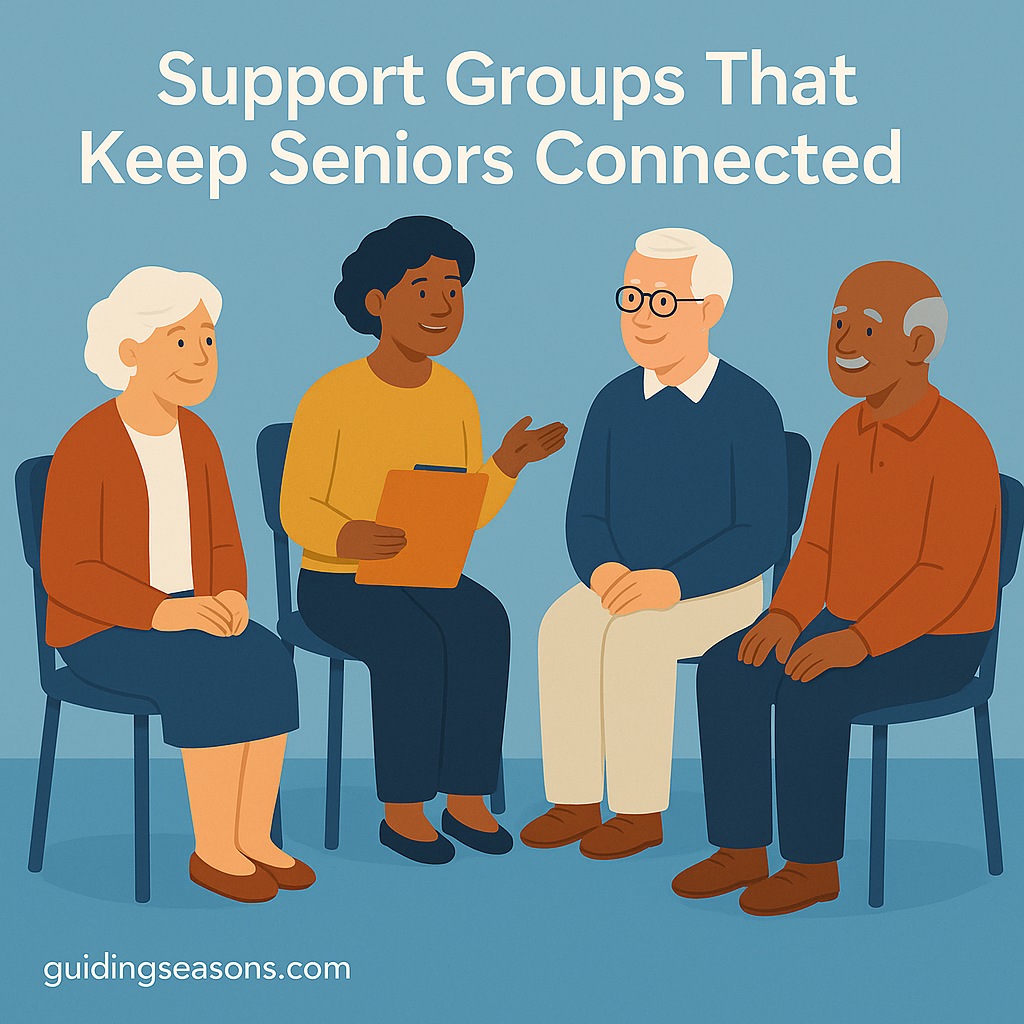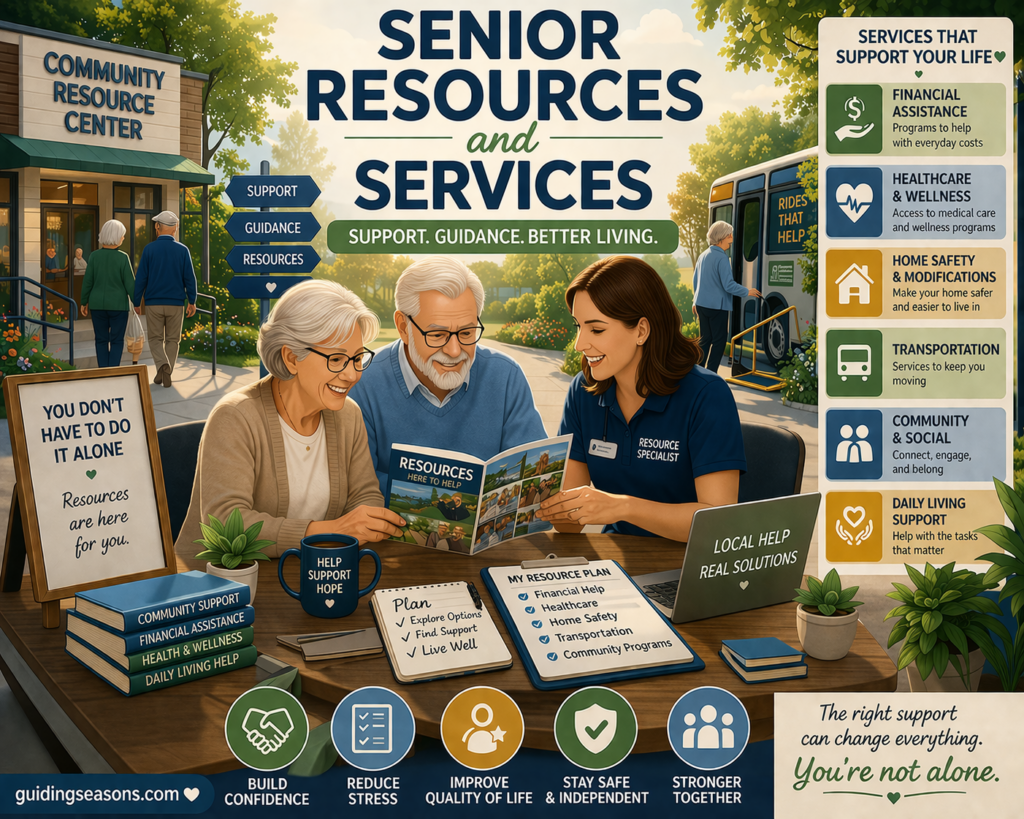
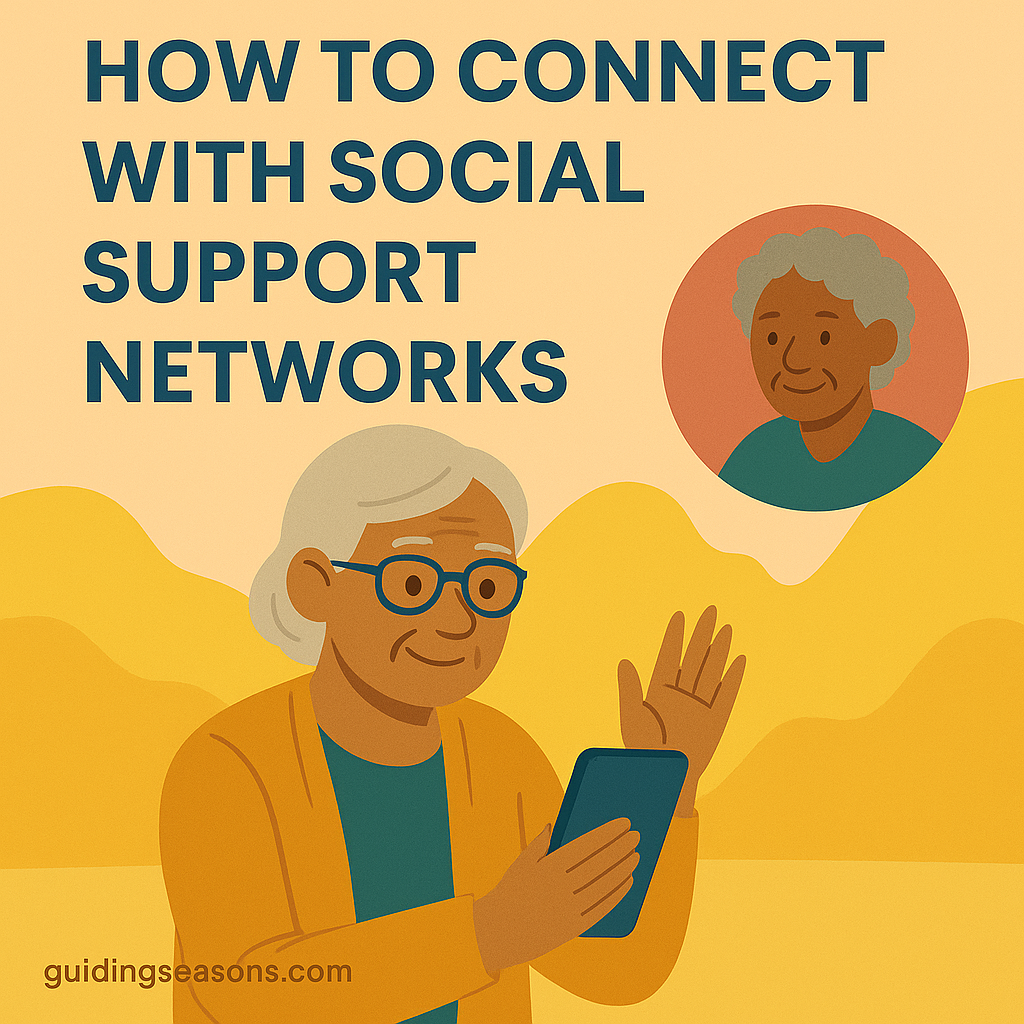
Staying socially connected can become especially important as we get older. Support networks can provide friendship, emotional balance, practical help, safety, and a sense of belonging. Whether you’re newly retired, living alone, or simply looking to strengthen your community circle, building a supportive network can make daily life feel brighter and more fulfilling.
Connecting with others doesn’t have to feel overwhelming. With a few simple steps, you can build relationships that encourage, uplift, and support you through different chapters of life.
Here’s how to get started.
Understand What a Social Support Network Is
A social support network is made up of people and groups you can connect with for companionship, encouragement, information, or practical assistance.
It can include:
- Family
- Friends
- Neighbors
- Community members
- Support groups
- Health professionals
- Faith-based connections
Each relationship may play a different role—providing emotional support, practical help, companionship, or simply someone to talk with.
You don’t need a large circle for it to be meaningful. A few dependable relationships can be more valuable than dozens of casual acquaintances.
Start With the Connections You Already Have
You may already have the beginnings of a support network—it may simply need a little attention.
Try reconnecting with:
- Former coworkers
- Friends you haven’t spoken to in a while
- Relatives you enjoy talking to
- Neighbors you see but rarely chat with
- Former members of clubs or community groups
A simple message such as, “Thinking of you—how have you been?” can reopen a conversation without creating pressure.
As a practical starting point, write down the names of three people you haven’t spoken with recently and contact one of them this week. Small actions can make rebuilding connections feel much more manageable.
Use Local Senior Centers as a Social Hub
Senior centers can be valuable resources for meeting people with similar interests and participating in regular community activities.
Many offer:
- Group activities
- Educational workshops
- Exercise classes
- Arts and crafts
- Day trips
- Community lunches
- Volunteer opportunities
The National Council on Aging (NCOA) provides information about senior centers and the role they can play in helping older adults access community programs and social opportunities.
If you’re uncomfortable attending alone for the first time, ask whether you can tour the center or attend one activity as a guest.
Join Clubs or Groups Based on Your Interests
Shared interests provide a natural starting point for conversation.
Consider joining:
- Book clubs
- Gardening groups
- Fitness or walking clubs
- Knitting or crafting circles
- Choirs or music groups
- Photography groups
- Volunteer organizations
Choose an activity you would enjoy even if you didn’t immediately make a new friend. That takes some of the pressure off socializing and gives relationships time to develop naturally.
Explore Online Support Networks
Technology can expand your social circle beyond your immediate neighborhood, particularly when transportation or mobility makes in-person activities difficult.
Look for:
- Online groups for older adults
- Hobby communities
- Video chat gatherings
- Virtual support groups
- Online educational programs
- Community groups connected to organizations you already know
If you’re new to technology, ask someone you trust for help setting up accounts and learning basic privacy and security settings.
Be cautious about sharing your home address, financial information, passwords, Social Security number, or other sensitive personal information with people you meet online.
Volunteer to Build Meaningful Relationships
Volunteering can connect you with people who share an interest in helping their community.
Volunteer opportunities may be available through:
- Libraries
- Schools
- Hospitals
- Food banks
- Faith organizations
- Animal shelters
- Community nonprofits
Choose a commitment that fits your schedule and abilities. Even volunteering for a few hours each month can provide regular opportunities to meet people and participate in something meaningful.
Attend Community Events
Local events can introduce you to neighbors, activities, and organizations you might not encounter otherwise.
Watch for:
- Farmers’ markets
- Craft fairs
- Local concerts
- Park activities
- City workshops
- Library events
- Charity events
You don’t need a packed social calendar. Trying one community activity each month can be a manageable way to gradually expand your social circle.
Check local libraries, parks departments, senior centers, and community calendars for upcoming events.
Build Trust by Sharing a Little at a Time
Strong connections usually grow gradually.
Start with small steps:
- Share a small story about your day
- Ask someone else how they’re doing
- Sit with others during group activities
- Invite someone to have coffee
- Offer help when appropriate
You don’t need to share highly personal information with someone you’ve just met. Allow trust to develop naturally through repeated, positive interactions.
Stay Open to New Friendships
Meaningful relationships can develop at any age.
Keep in mind:
- Friendship takes time
- You don’t need to meet everyone at once
- Every conversation won’t lead to a friendship, and that’s okay
- Different friends may meet different social needs
- One dependable connection can be meaningful
Approach new experiences with curiosity rather than pressure. Simply becoming a familiar face at a weekly activity can be the beginning of a friendship.
Ask for Help When You Need It
A support network isn’t only for conversation. Trusted people can sometimes provide practical and emotional assistance as well.
You might ask for help with:
- Transportation
- Technology
- Everyday errands
- Finding community resources
- Emotional support
- Decision-making
Try to make requests specific. Instead of saying, “I need more help,” you might ask, “Could you drive me to my appointment on Thursday?” or “Could you help me learn how to make a video call?”
For medical, financial, or legal concerns, seek appropriate professional guidance rather than relying solely on friends or family.
Give Support in Return
Support networks often grow stronger through reciprocity. Offering your time, attention, or skills can strengthen connection and trust.
You might offer:
- A listening ear
- Company on a walk
- Help with a hobby or project
- A phone call to check in
- Encouragement and friendship
- Knowledge or skills you’ve developed over the years
Support doesn’t have to be equal in every interaction. The goal is to build relationships in which people feel valued and respected.
Be Consistent and Engaged
Relationships generally become stronger through regular interaction.
Try:
- Weekly meetups
- Monthly club activities
- Scheduled phone or video calls
- Routine outings
- Shared hobbies
AARP’s information on social connection also highlights the importance of maintaining meaningful relationships and staying socially engaged as we age.
Consistency doesn’t mean you need to socialize every day. A regular weekly phone call or monthly lunch can help maintain a relationship over time.
Final Thoughts
Connecting with social support networks can enrich your life, strengthen emotional resilience, and bring companionship into everyday routines. By reaching out to old friends, joining community groups, exploring online networks, volunteering, and remaining open to new relationships, you can gradually build a circle of support that feels meaningful.
Start small. Consider identifying three existing connections, attending one community activity each month, or establishing one regular weekly phone call with someone you enjoy talking to.
You don’t need a huge social circle. What matters is developing relationships that are dependable, respectful, and meaningful to you.
No matter your age or circumstances, opportunities to connect remain available. Sometimes a simple conversation is all it takes to begin building a stronger community around you.