Creating a Long-Term Withdrawal Strategy

Older man reviewing financial documents at his desk with a laptop and calculator, illustrating how to create a long-term withdrawal strategy for retirement.
An older man reviews retirement documents, representing key steps in creating a long-term withdrawal strategy.

Building a comfortable retirement is about more than accumulating savings. Once your paycheck stops, the challenge changes from saving money to deciding how much you can safely spend, which accounts to withdraw from, and how to keep enough invested for the years ahead.

A well-designed long-term withdrawal strategy can help turn retirement savings into a dependable income stream while reducing the risk of running out of money too soon.

That strategy should account for much more than a single withdrawal percentage. Taxes, Social Security, pensions, investment performance, required minimum distributions, healthcare expenses, inflation, and your desired lifestyle can all influence how much you should withdraw and where the money should come from.

The goal is not necessarily to spend as little as possible. It is to create a system that allows you to enjoy retirement while maintaining enough flexibility for future needs.

Continue reading “Creating a Long-Term Withdrawal Strategy”
How to Stay Mentally Sharp as You Age

Older man completing a crossword puzzle with icons of a book, lightbulb, and guitar around him, representing ways to stay mentally sharp as you age.
An older man works on a crossword puzzle surrounded by symbols of learning and creativity, illustrating habits that help you stay mentally sharp as you age.

Staying mentally sharp is an important part of healthy aging. Memory, concentration, problem-solving, and processing speed can change over time, but getting older doesn’t mean you have to stop learning, exploring, or challenging your mind.

Many factors influence brain health, including genetics and medical conditions, but everyday habits matter too. Physical activity, sleep, social connection, lifelong learning, nutrition, and managing health conditions can all contribute to overall cognitive well-being.

The goal isn’t to prevent every forgotten name or misplaced pair of glasses. Occasional forgetfulness can happen at any age. Instead, focus on creating a lifestyle that keeps your mind engaged while supporting your overall health.

Here are practical ways to care for your brain and stay mentally active as you age.

Continue reading “How to Stay Mentally Sharp as You Age”

How to Create a Fall Prevention Plan

Older woman walking through her living room using a cane, surrounded by safety features such as grab bars and clear pathways, illustrating how to create a fall prevention plan.
An older woman moves safely through her home using supportive tools, representing key steps in creating an effective fall prevention plan.

Falls are one of the most common causes of injury among older adults, but many falls can be prevented with thoughtful planning, safer habits, and a few changes around the home.

According to the Centers for Disease Control and Prevention (CDC), more than 14 million adults age 65 and older—about 1 in 4—report falling each year. Falls are also the leading cause of injury among adults in this age group.

Those numbers can sound alarming, but they also highlight why prevention matters.

A fall prevention plan is not about limiting your independence or becoming afraid of normal activities. In fact, the opposite is true. A good plan can help you remain active, move around with greater confidence, and identify problems before they cause an injury.

The most effective approach looks at the whole picture: your health, medications, eyesight, strength, footwear, home environment, mobility needs, and emergency plan.

Here is how to create a practical fall prevention plan that fits your everyday life.

Continue reading “How to Create a Fall Prevention Plan”

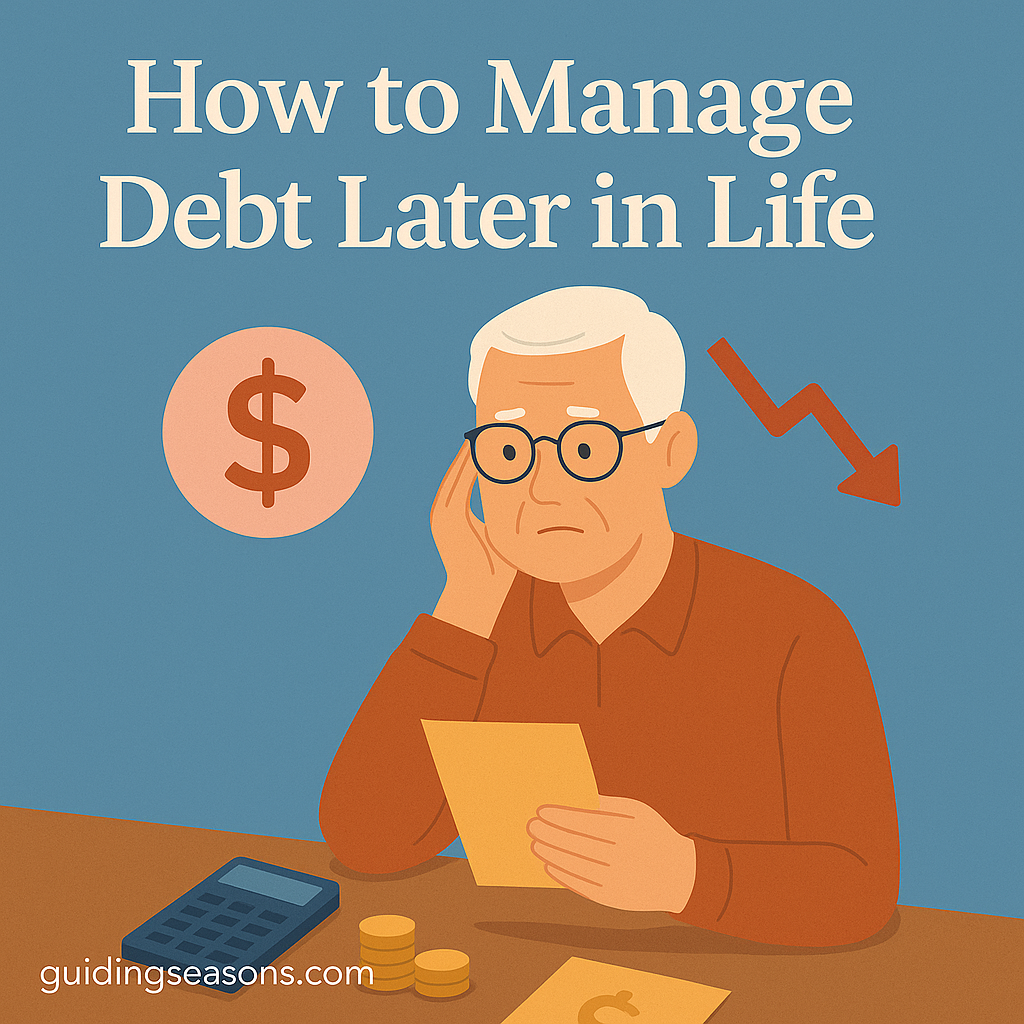
How to Manage Debt Later in Life

Older man looking concerned while reviewing financial papers with a calculator and coins on the table, illustrating how to manage debt later in life.
An older man reviews his finances, representing practical strategies for managing debt later in life.

Managing debt can be challenging at any age, but it may feel especially stressful later in life. Retirement often brings changes in income, spending priorities, healthcare costs, and financial responsibilities. If you are living primarily on Social Security, a pension, retirement withdrawals, or other fixed sources of income, monthly debt payments can take up a larger share of your budget than they once did.

The good news is that debt does not have to control your retirement years.

A clear repayment strategy, realistic budget, careful use of available resources, and professional guidance when needed can help you reduce financial pressure and protect your long-term stability.

The Consumer Financial Protection Bureau (CFPB) notes that nonprofit credit counselors can help people review their finances, develop budgets, and create personalized debt-management plans. That kind of structured approach can be especially helpful when several debts, interest rates, and monthly payments are competing for limited retirement income.

Here is a practical step-by-step guide to managing debt later in life.

Continue reading “How to Manage Debt Later in Life”

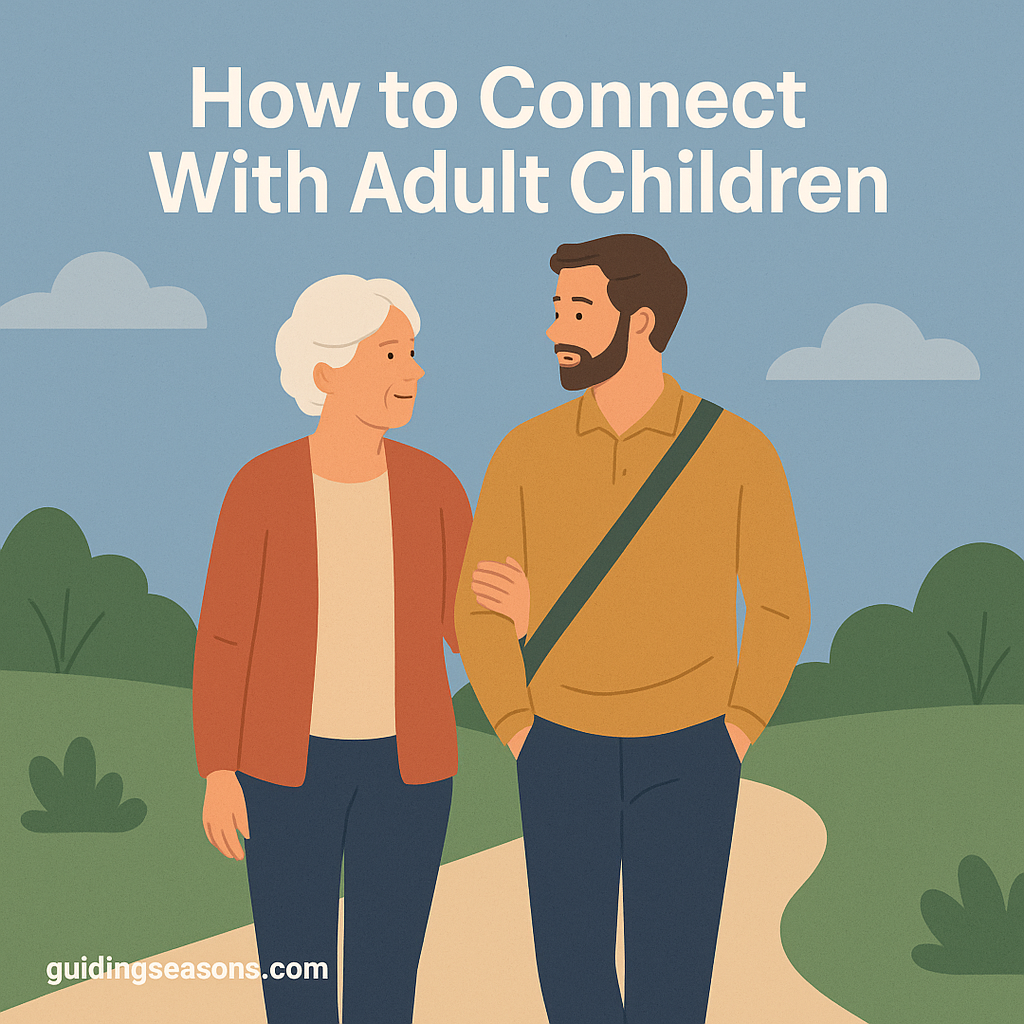
How to Connect With Adult Children

Older mother walking outdoors with her adult son on a park path, representing how to connect with adult children.
An older mother and her adult son enjoy a walk together, symbolizing healthy connection and communication.

Staying close with your adult children can be one of the most rewarding parts of later life, but the relationship often requires a different approach than it did when they were younger.

As children become adults, they build careers, relationships, friendships, households, and daily routines of their own. Some may become parents themselves. Others may move across the country, pursue demanding careers, or create lifestyles that are very different from the ones you imagined for them.

These changes don’t necessarily mean you’re becoming less important in their lives. Instead, the parent-child relationship is entering a new stage—one that can gradually become a relationship between independent adults.

The transition isn’t always easy. Parents may want more contact than their adult children have time for. Advice offered with good intentions may feel like criticism. Adult children may want independence while still turning to their parents for support during difficult periods.

Learning how to navigate these changes can help you maintain a relationship built on affection, respect, and genuine interest rather than obligation.

Here are practical ways to stay connected with your adult children as your relationship continues to evolve.

Continue reading “How to Connect With Adult Children”

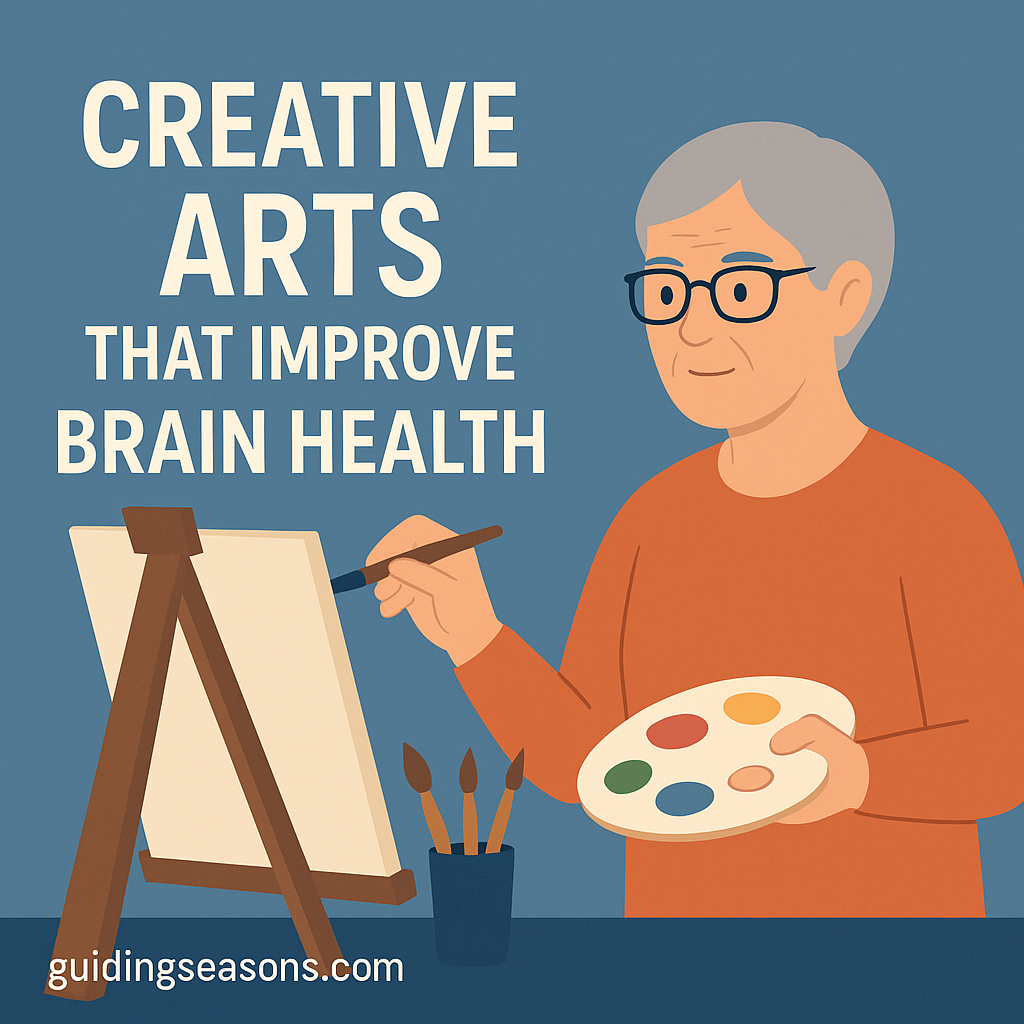
Creative Arts That Improve Brain Health

Older woman painting on a canvas with a palette in hand to illustrate creative arts that support brain health.
An older woman practices painting to boost brain health and creativity.

Creative activities aren’t simply enjoyable ways to fill your free time. Painting a landscape, learning a song, taking photographs, dancing, writing a story, or making something with your hands can challenge you to observe, remember, coordinate movements, solve problems, and learn new skills.

These qualities can make creative hobbies particularly appealing as we get older.

The National Institute on Aging (NIA) recommends staying mentally and socially engaged as part of a broader approach to cognitive health. It notes that research involving activities such as music, theater, dance, creative writing, quilting, and digital photography has shown promising results, although the evidence that these activities produce lasting cognitive benefits is not yet definitive.

That’s an important distinction. Painting or playing the piano shouldn’t be viewed as a treatment or guaranteed way to prevent dementia. Instead, creative activities can be enjoyable, mentally stimulating parts of an active lifestyle.

The best activity is usually one that interests you enough to keep doing it.

Here are several creative arts worth exploring and simple ways to make them part of your routine.

Continue reading “Creative Arts That Improve Brain Health”

Best Nutrition Habits for Aging Well

Middle-aged man eating a plate of healthy foods such as broccoli, carrots, avocado, and salmon to represent the best nutrition habits for aging well.
A middle-aged man enjoys a nutritious meal to support healthy aging.

Aging well isn’t just about genetics. The habits you practice every day can influence your energy, strength, mobility, and overall quality of life as you get older. Among those habits, good nutrition plays an especially important role.

Your nutritional needs change with age. You may need fewer calories than you did when you were younger, while still needing plenty of protein, fiber, vitamins, minerals, and other essential nutrients. This makes the quality of the foods you eat increasingly important.

A healthy diet does not have to involve complicated meal plans, expensive ingredients, or strict rules. Instead, focus on building sustainable habits: eating a variety of nutrient-dense foods, getting enough protein, drinking adequate fluids, choosing healthier fats, and limiting foods that provide lots of calories but relatively little nutrition.

The National Institute on Aging (NIA) recommends that older adults choose a variety of foods from the major food groups while paying attention to nutrients such as protein, calcium, vitamin D, potassium, dietary fiber, and vitamin B12. National Institute on Aging

Here are some of the best nutrition habits you can adopt to support healthy aging.

Continue reading “Best Nutrition Habits for Aging Well”

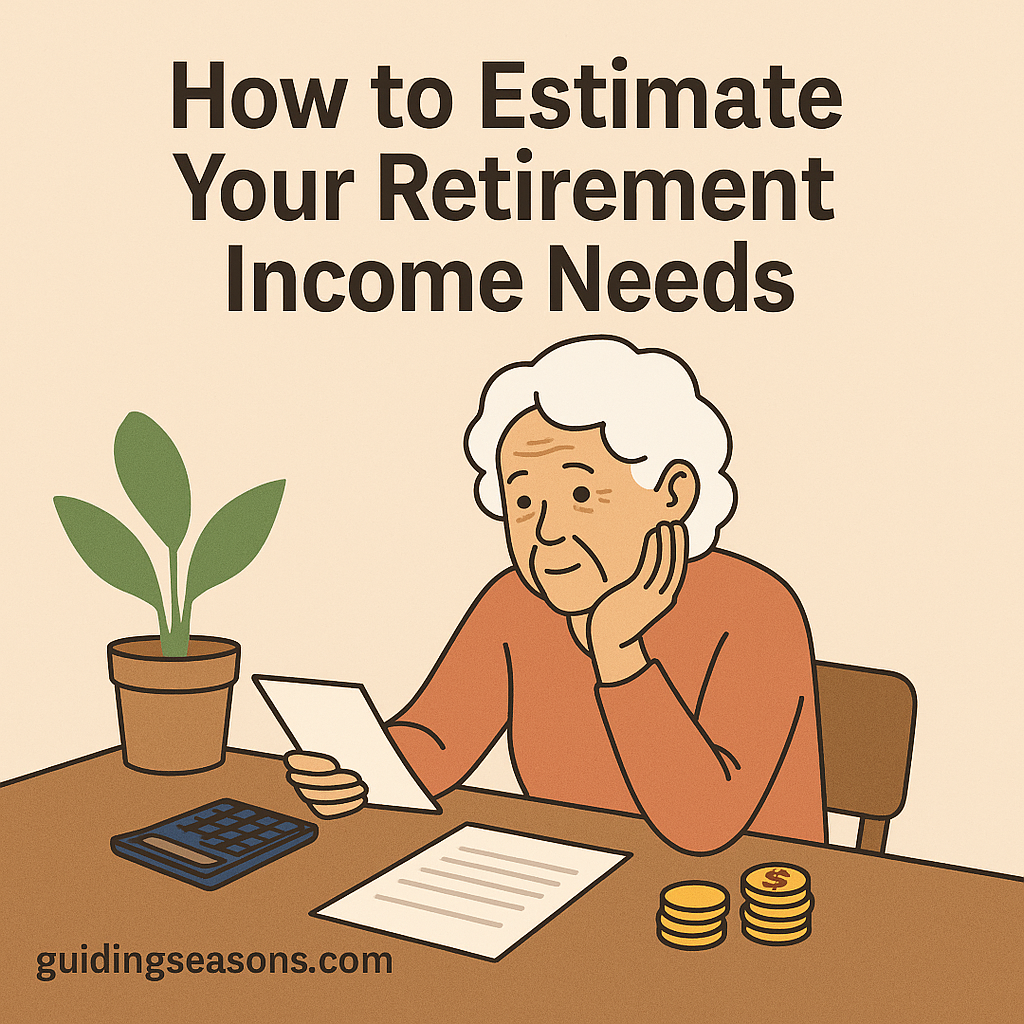
How to Estimate Your Retirement Income Needs

Elderly woman reviewing papers with a calculator and coins on the table, illustrating how to estimate retirement income needs.
An older woman reviews her finances to estimate how much retirement income she will need.

Planning for retirement becomes much easier when you understand one key number: how much income you’ll need each month after you stop working. While it may feel overwhelming at first, estimating your retirement income needs doesn’t have to be complicated. With a simple step-by-step approach, you can build a clearer picture of your future finances and make more informed decisions about saving, investing, and spending.

This guide walks you through how to estimate retirement income needs, what expenses to consider, and how to adjust your plan over time.

Continue reading “How to Estimate Your Retirement Income Needs”

How to Choose the Right Senior Center

Illustration of an older woman holding a sign with the title “How to Choose the Right Senior Center,” surrounded by icons representing fitness, meals, community, and activity options.
A senior exploring the features of a supportive and welcoming senior center.

Senior centers can play a powerful role in helping older adults stay socially connected, active, and supported. But with different centers offering different programs, services, and environments, choosing the right one can feel overwhelming.

Finding a senior center that fits your needs can improve your quality of life by providing opportunities for new friendships, meaningful activities, practical support, and a welcoming sense of community.

Whether you’re searching for yourself or a loved one, here’s how to choose a senior center that feels comfortable, supportive, and aligned with your goals.

Continue reading “How to Choose the Right Senior Center”

Mindfulness Practices That Support Well-Being

Illustration of an older woman meditating in a cross-legged pose, surrounded by icons representing calm breathing, sunlight, love, and a lotus, beneath the title “Mindfulness Practices That Support Well-Being.”
A senior practicing simple mindfulness techniques that support calmness and well-being.

Mindfulness can be a valuable tool for supporting emotional balance, improving focus, and nurturing overall well-being—especially during the senior years. It doesn’t require special equipment, physical strength, or long meditation sessions. Instead, mindfulness is about being present, calm, and aware in everyday moments.

As life changes in retirement, many seniors find that mindfulness helps them feel more grounded, centered, and connected. With simple daily practices, mindfulness may help ease stress, support mental clarity, and bring more enjoyment to ordinary routines.

Continue reading “Mindfulness Practices That Support Well-Being”