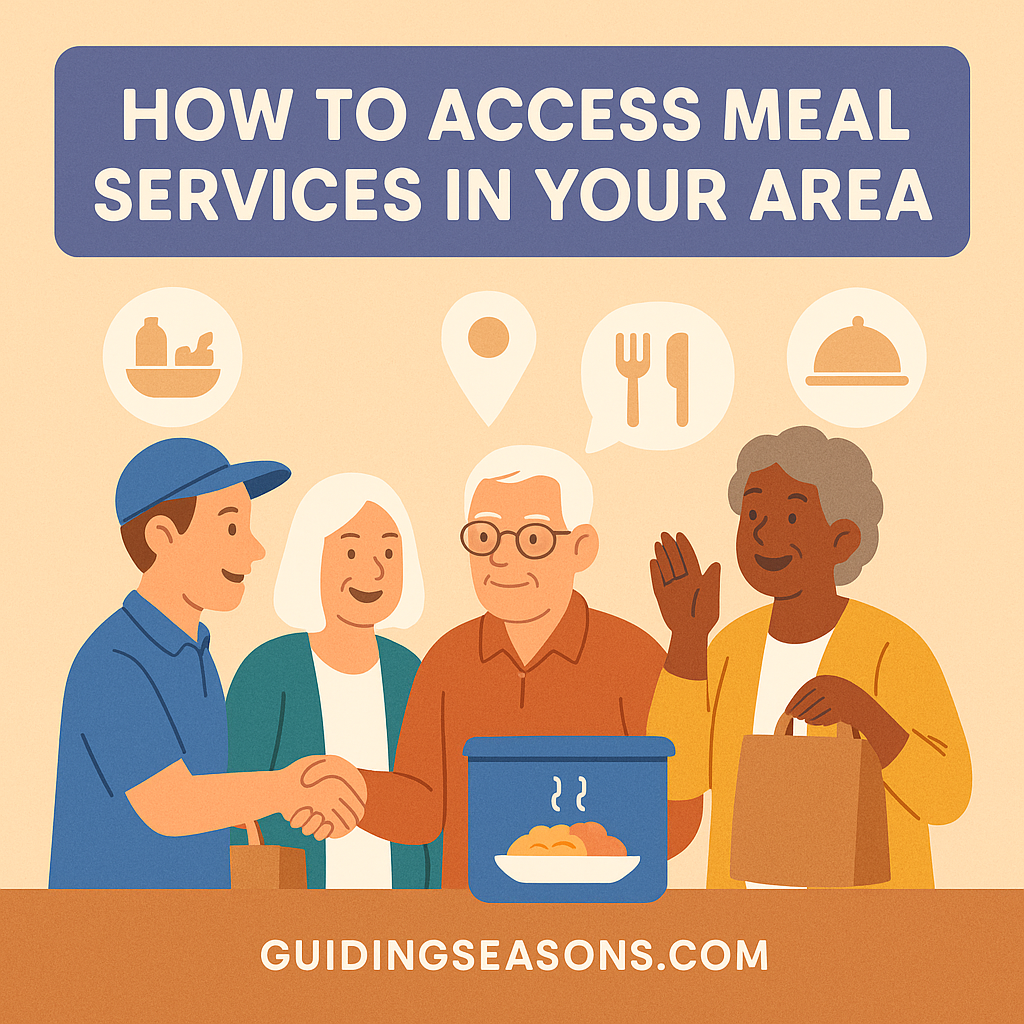
How to Access Meal Services in Your Area

Group of older adults receiving meal service support from a friendly delivery worker with food icons above them.
Older adults accessing local meal services with help from a community delivery program.

Getting nutritious meals every day can become more challenging as you age. Grocery shopping may require more energy, transportation can become difficult, and cooking for one or two people may no longer feel worthwhile. Health conditions or limited mobility can make meal preparation even harder.

Fortunately, older adults have more options than many people realize.

Depending on where you live, you may be able to receive meals at home, eat at a local senior center, get help paying for groceries, arrange grocery delivery, or use a private prepared-meal service. Some programs are free, while others request a voluntary contribution or charge a regular fee.

The U.S. Administration for Community Living (ACL) reports that the national Senior Nutrition Program serves nearly 1 million meals each day through about 5,000 local providers. These programs include both community-based meals and home-delivered services.

Finding the right option starts with understanding what’s available and knowing where to ask.

Continue reading “How to Access Meal Services in Your Area”
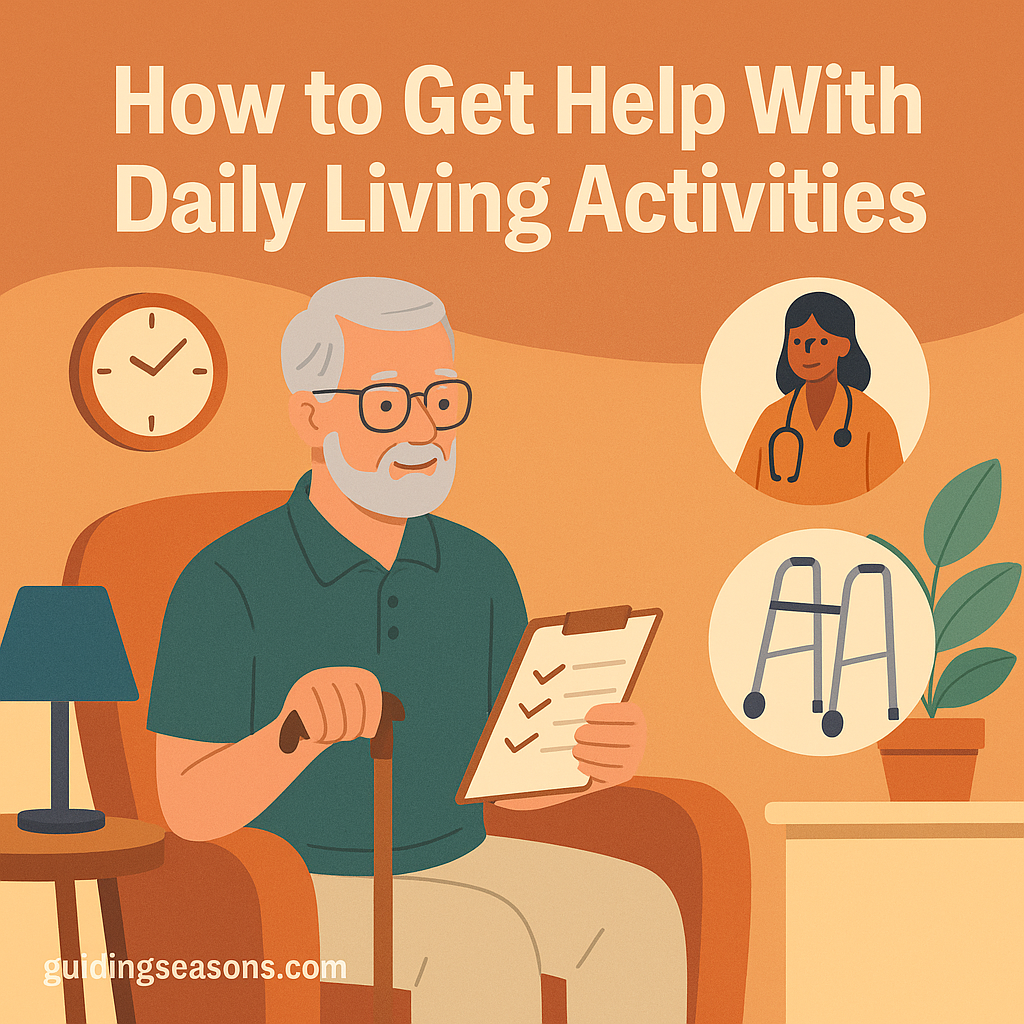

How to Get Help With Daily Living Activities

Older man sitting in an armchair holding a checklist with icons of a caregiver and walker nearby.
Older man reviewing support options for getting help with daily living activities.

As everyday tasks become more physically or mentally challenging, many older adults begin wondering whether it’s time to ask for help. Tasks that once felt routine—taking a shower, preparing dinner, driving to the grocery store, doing laundry, or remembering medications—may gradually require more effort.

Getting assistance doesn’t necessarily mean giving up your independence or moving into a care facility. In many cases, receiving a small amount of help with specific activities can make it easier to continue living safely and comfortably at home.

The challenge is determining what kind of help you need and where to find it.

Support can come from family members, professional caregivers, community organizations, healthcare professionals, government programs, technology, or a combination of several resources.

This guide explains the major options and how to build a daily living support plan that fits your needs.

Continue reading “How to Get Help With Daily Living Activities”

Legal Resources Seniors Should Know

Senior woman reviewing legal documents at a desk with symbols of justice nearby.
Senior woman reviewing important legal documents and resources.

As people get older, legal questions can become more important. Estate planning, healthcare decisions, Social Security benefits, long-term care, housing, financial protection, and powers of attorney are just a few areas where seniors may eventually need reliable information or professional assistance.

The problem is knowing where to start.

Legal services can seem complicated or expensive, and many older adults may not realize that free and low-cost resources are available in their communities. Some problems require an attorney, while others may be resolved with help from a government agency, benefits counselor, legal aid organization, or senior advocacy program.

This guide explains some of the most useful legal resources seniors and their families should know about and how to decide where to turn when legal questions arise.

Continue reading “Legal Resources Seniors Should Know”

Support Groups That Keep Seniors Connected

Group of seniors sitting in a circle during a guided wellness or social support session, led by a facilitator, with the title “Support Groups That Keep Seniors Connected” displayed above
Seniors participate in a guided support session, highlighting community groups that help older adults stay socially connected.

Staying socially connected is an important part of healthy aging. As routines change, friends or family members move away, mobility becomes more difficult, or a spouse or longtime companion passes away, it can become harder to maintain the social connections that once came naturally.

Support groups and community groups can help fill that gap. They provide places where older adults can meet people, share experiences, participate in meaningful activities, learn new skills, and simply have someone to talk with on a regular basis.

These connections can have benefits beyond companionship. According to the National Institute on Aging (NIA), loneliness and social isolation are associated with increased risks for several physical and mental health problems. The NIA also reports that about 1 in 4 adults age 65 and older are socially isolated, highlighting how common this challenge can be.

Fortunately, there are many ways for seniors to build and maintain supportive relationships. The right choice depends on your interests, health, transportation, personality, and the type of connection you’re looking for.

Continue reading “Support Groups That Keep Seniors Connected”

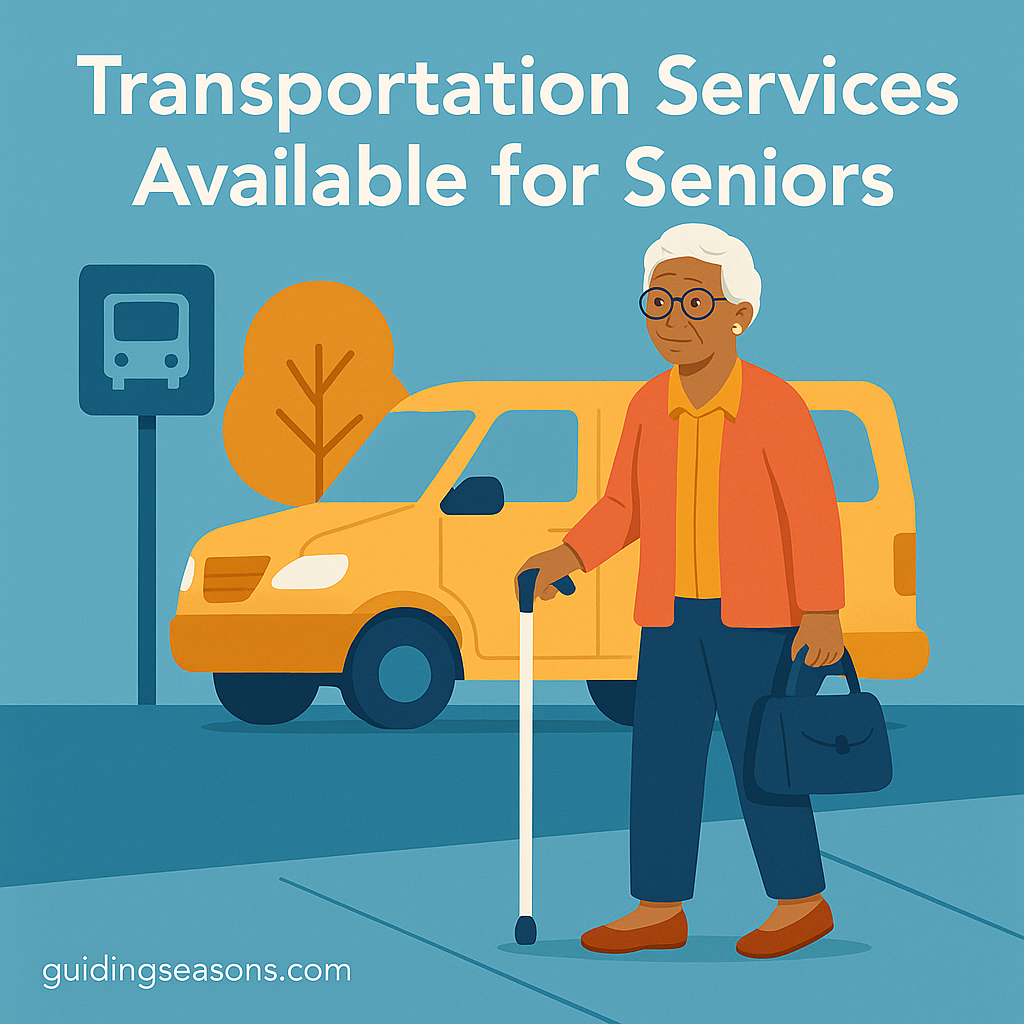
Transportation Services Available for Seniors

Older woman standing with a cane beside a yellow transit van near a bus stop sign, with the title “Transportation Services Available for Seniors” above her.
An older woman waits for transportation beside a mobility-friendly van, illustrating the variety of transportation services available for seniors.

Reliable transportation plays an important role in maintaining independence as you age. Being able to get to a medical appointment, buy groceries, visit family and friends, attend religious services, or participate in community activities can make everyday life easier and more enjoyable.

But transportation needs often change over time. Some older adults decide to stop driving completely, while others continue driving but prefer alternatives at night, in heavy traffic, during bad weather, or when traveling somewhere unfamiliar. Mobility limitations can also make getting into a standard vehicle or walking to a bus stop more difficult.

Fortunately, giving up some or all driving doesn’t necessarily mean giving up independence.

Depending on where you live and your eligibility, transportation options may include public buses and trains, senior shuttles, ADA paratransit, volunteer driver programs, taxis, ride-hailing services, non-emergency medical transportation, and transportation provided by senior living communities.

The best solution is often not a single service but a combination of several options.

Continue reading “Transportation Services Available for Seniors”

How to Choose the Right Senior Center

Illustration of an older woman holding a sign with the title “How to Choose the Right Senior Center,” surrounded by icons representing fitness, meals, community, and activity options.
A senior exploring the features of a supportive and welcoming senior center.

Senior centers can play a powerful role in helping older adults stay socially connected, active, and supported. But with different centers offering different programs, services, and environments, choosing the right one can feel overwhelming.

Finding a senior center that fits your needs can improve your quality of life by providing opportunities for new friendships, meaningful activities, practical support, and a welcoming sense of community.

Whether you’re searching for yourself or a loved one, here’s how to choose a senior center that feels comfortable, supportive, and aligned with your goals.

Continue reading “How to Choose the Right Senior Center”

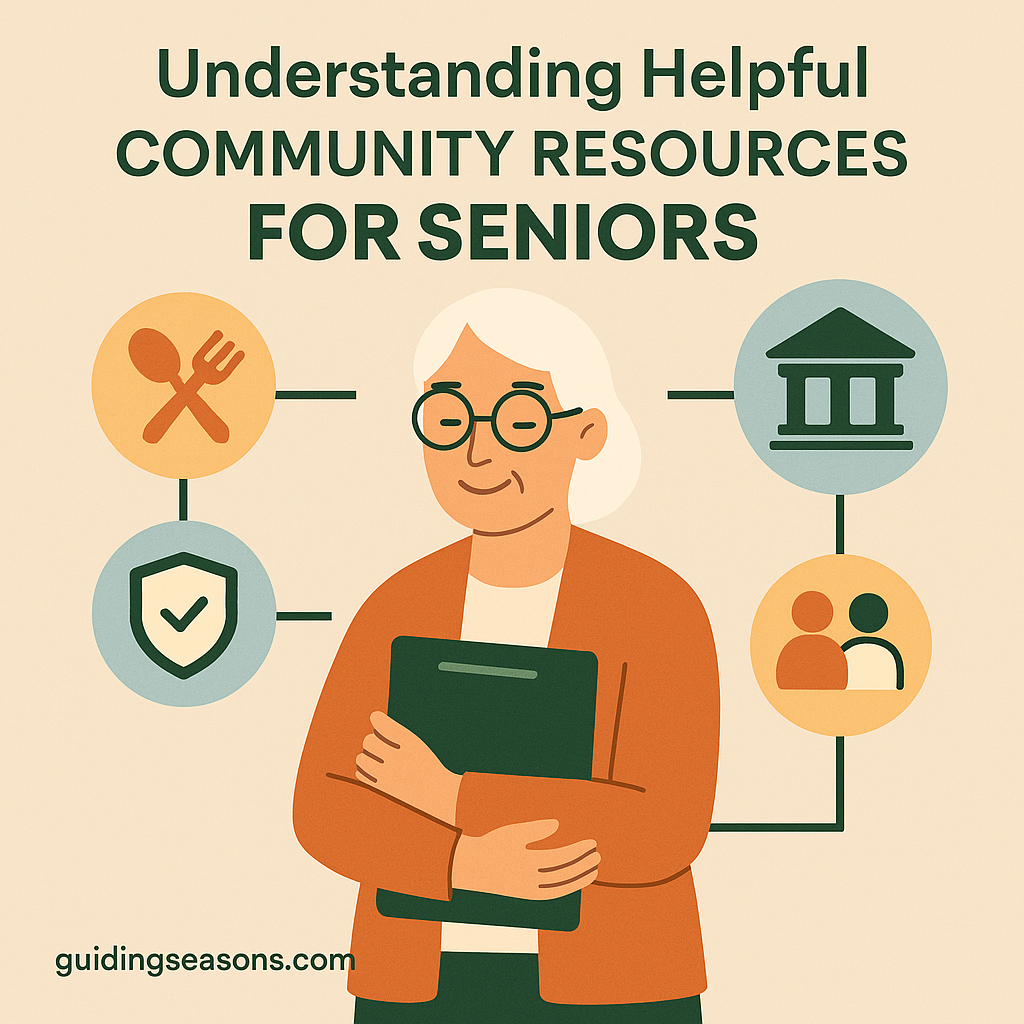
Understanding Helpful Community Resources for Seniors

Illustration of a senior woman holding a folder, surrounded by icons representing community resources such as meals, safety, public services, and social support, beneath a title about community resources for seniors.
A senior exploring helpful community resources designed to support independence and well-being.

As seniors move into retirement, community support services can play a powerful role in maintaining independence, improving quality of life, and reducing stress for both older adults and their families. Many people are surprised to learn just how many free or low-cost programs exist—from transportation and meal services to social groups, caregiver support, and educational opportunities.

Understanding these resources is the first step toward feeling supported and confident during every stage of aging.

Community services aren’t just practical—they can also help seniors stay engaged, connected, and empowered. With the right support, aging can become not only more manageable but also more fulfilling.

Continue reading “Understanding Helpful Community Resources for Seniors”