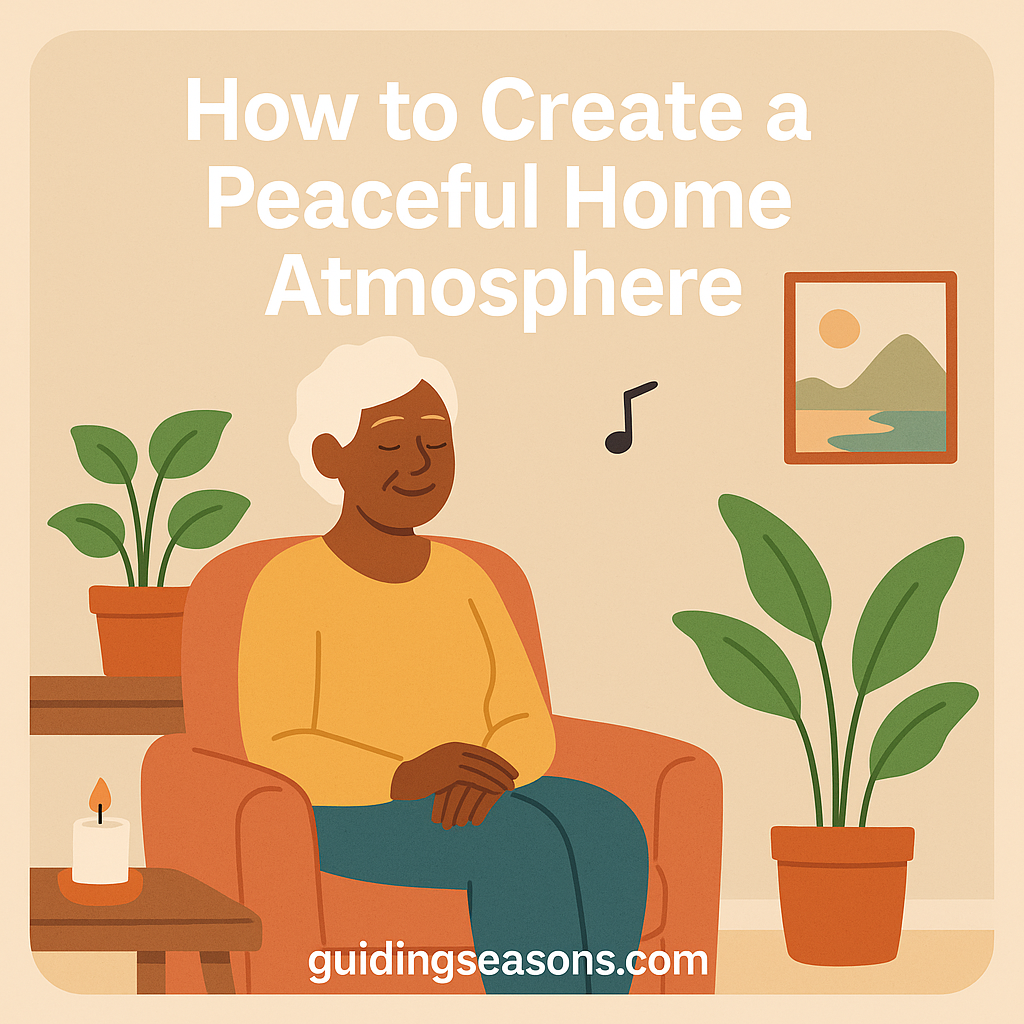
Your home plays a powerful role in how calm, grounded, and emotionally balanced you feel each day. As routines change and more time is spent at home—especially during retirement or later life transitions—creating a peaceful home atmosphere becomes increasingly important.
A peaceful home doesn’t require a major renovation or expensive décor. It’s built through small, thoughtful choices that reduce stress, support comfort, and make your space feel welcoming and restorative.
By the end of this article, you’ll know how to create a calmer home environment using a room-by-room approach and simple daily routines that support peace and wellbeing.
Why a Peaceful Home Matters
Your surroundings influence your mood, energy, and sense of safety.
A peaceful home can help you:
- Feel more relaxed and grounded
- Reduce daily stress and overstimulation
- Improve sleep and rest
- Support emotional balance
- Enjoy everyday moments more fully
Calm environments support calm minds.
Core Principles of a Peaceful Home
Before focusing on individual rooms, keep these principles in mind:
- Simplicity reduces mental clutter
- Comfort matters more than appearance
- Gentle routines create emotional safety
- Calm is personal—what works for you is what matters most
You don’t need perfection to feel peace.
Room-by-Room Guide to Creating Calm
Living Room
This is often the most used space in the home.
Focus on:
- Comfortable seating with good support
- Soft lighting instead of harsh overhead lights
- Decluttering surfaces to reduce visual noise
- Keeping favorite books, blankets, or photos nearby
Calming touches:
- Neutral or warm colors
- Gentle background music or silence
- One or two meaningful decorative items
Kitchen
The kitchen can either feel grounding or overwhelming.
Create calm by:
- Keeping counters as clear as possible
- Organizing frequently used items for easy access
- Letting in natural light
- Playing soft music during meal prep
Helpful habits:
- Clean as you go
- Create a simple tea or coffee ritual
- Avoid rushing through meals when possible
Bedroom
Your bedroom should support rest and emotional recovery.
Prioritize:
- Comfortable bedding and pillows
- Minimal clutter
- Soft, calming colors
- Blackout curtains or gentle lighting
Calming routines:
- A consistent bedtime
- Reading or light stretching before sleep
- Keeping screens out of the bedroom when possible
Bathroom
Even small bathrooms can feel peaceful.
Simple upgrades:
- Keep surfaces uncluttered
- Use calming scents like lavender or eucalyptus
- Add soft towels or a bath mat
- Maintain good lighting
Treat daily routines like washing up or bathing as moments of care rather than chores.
Entryway or Hallway
The entryway sets the tone for your home.
Create ease by:
- Keeping shoes and bags organized
- Adding a small table or hook for essentials
- Using warm lighting
A calm entry helps you transition gently between the outside world and your personal space.
Creating Daily Calming Routines
Peaceful homes are supported by consistent routines.
Morning Calm Routine
- Open curtains to let in natural light
- Enjoy a quiet drink without distractions
- Move your body gently
- Set a simple intention for the day
Midday Reset
- Tidy one small area
- Step outside or open a window
- Pause for deep breathing
- Stretch or rest briefly
Evening Wind-Down
- Dim lights as evening approaches
- Reduce noise and screen use
- Prepare for the next day slowly
- End the day with a calming activity
Routines don’t need to be rigid—they need to feel supportive.
Reducing Noise and Visual Stress
Too much stimulation can disrupt peace.
Helpful adjustments:
- Turn off background noise when not needed
- Choose calm music or nature sounds
- Limit television time
- Reduce clutter in frequently used spaces
Less stimulation allows your nervous system to relax.
Bringing Nature Indoors
Natural elements create calm and balance.
Simple ideas:
- Houseplants
- Fresh flowers
- Natural light
- Wood or fabric textures
- Views of greenery outside
Nature supports emotional wellbeing.
Making Peace Personal
A peaceful home reflects who you are.
Ask yourself:
- What makes me feel safe and relaxed?
- Which spaces feel calming already?
- What small changes would make daily life easier?
Personal comfort matters more than trends.
When Calm Feels Hard to Maintain
Some days will feel less peaceful than others—and that’s okay.
On those days:
- Focus on one calming action
- Let go of perfection
- Choose rest over productivity
- Be kind to yourself
Peace is something you return to, not something you maintain perfectly.
Final Thoughts
Creating a peaceful home atmosphere is about intention, comfort, and consistency—not appearance or expense. With small room-by-room adjustments and calming daily routines, your home can become a place that supports relaxation, clarity, and emotional balance.
A peaceful home doesn’t remove life’s challenges, but it gives you a steady place to rest, reflect, and recharge. And that sense of calm can make every season of life feel more manageable and meaningful.