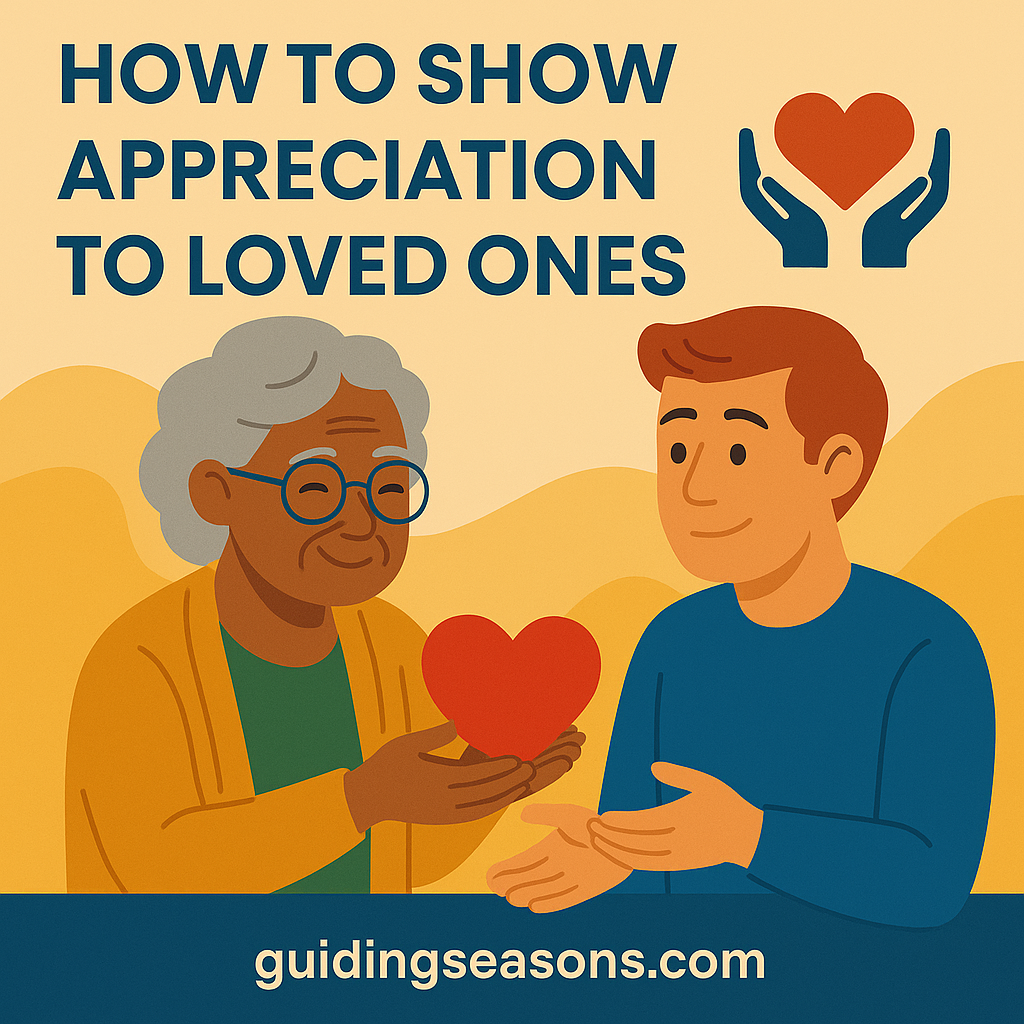
Showing appreciation is one of the simplest yet most powerful ways to strengthen relationships. Whether it’s family, close friends, caregivers, or neighbors, expressing gratitude can deepen bonds, create moments of joy, and remind the people in your life how much they matter.
In retirement and the later seasons of life, these meaningful connections can become even more valuable. You may have more time to reflect on the people who have supported you over the years, from a spouse who has shared decades of life with you to an adult child who regularly checks in or a neighbor who is always willing to lend a hand.
Appreciation doesn’t have to involve expensive gifts or elaborate gestures. Often, a sincere “thank you,” a thoughtful note, or a few uninterrupted minutes together can have far greater meaning.
The key is making your appreciation personal, specific, and genuine.
Here are simple, heartfelt ways to show gratitude to the people you care about most.
Say It Out Loud—Simple Words Matter
A genuine expression of gratitude doesn’t need to be fancy.
Sometimes we assume the people closest to us already know how much we appreciate them. They probably do—but hearing it still matters.
Try saying:
- “I really appreciate everything you do.”
- “It means a lot to me when you spend time with me.”
- “Thank you for always being there.”
- “I’m glad you’re part of my life.”
- “I really enjoyed our time together today.”
You can make your appreciation even more meaningful by being specific.
Instead of simply saying, “Thanks for helping,” you might say:
“Thank you for driving me to my appointment yesterday. Having you there made the whole day less stressful.”
Specific appreciation tells the other person that you noticed their effort.
Don’t worry about finding perfect words. Speak naturally and sincerely. People usually remember the feeling behind your words more than the exact phrase you used.
Write a Thoughtful Note or Card
A handwritten note can feel particularly meaningful in an age of text messages and quick digital communication.
It also gives the recipient something they can keep and read again later.
You can write about:
- A memory you cherish
- Something specific they did for you
- A quality you admire about them
- How they have made your life better
- Something they taught you
- Why you’re grateful they’re part of your life
Your message doesn’t have to fill an entire page.
Imagine sending your adult daughter a card containing just five sentences:
“Thank you for always checking in on me. I know you have a busy life and your own responsibilities. Our Sunday phone calls mean more to me than you probably realize. I’m proud of the person you’ve become. I love you.”
That may take only a few minutes to write, but she might keep the card for years.
Consider keeping a small box of blank cards at home so it’s easy to send someone an unexpected note.
Spend Quality Time Together
Your presence can be one of the most meaningful gifts you offer.
Quality time doesn’t necessarily mean planning an expensive vacation or elaborate family event.
It might include:
- A phone or video call
- A shared meal
- A short walk
- Drinking coffee together
- Watching a movie you both enjoy
- Playing cards or a board game
- Working on a puzzle
- Sitting outside and talking
- Attending a grandchild’s activity
The important part is being present.
If you’re spending time together but constantly checking your phone, watching television, or thinking about what you need to do next, the interaction can feel less meaningful.
Try occasionally creating distraction-free time when the conversation itself is the activity.
Even 20 or 30 minutes of genuine attention can communicate, “You matter to me.”
Give a Small, Meaningful Gift
Gifts can be a wonderful expression of appreciation, but meaningful gifts don’t have to be expensive.
Consider:
- Their favorite snack
- A book they might enjoy
- A framed photograph
- A homemade treat
- Fresh flowers
- A plant
- A small handmade item
- Something connected to a shared memory
Think about the person rather than the price.
A framed photograph from a family vacation 20 years ago may mean far more to a sibling than an expensive item they don’t need.
You might also give experiences rather than objects.
Take a grandchild to lunch. Invite a friend to a local event. Cook your spouse’s favorite dinner.
The best gifts often communicate, “I know you, and I thought about what you would enjoy.”
Celebrate Their Achievements
Appreciation also means recognizing the things that matter to the people you love.
You might celebrate:
- Birthdays
- Anniversaries
- Graduations
- New jobs
- Promotions
- Retirement
- Personal goals
- Recovery from a difficult period
- Learning a new skill
- Completing a challenging project
Not every accomplishment requires a party.
Sometimes a phone call saying, “I know how hard you worked for this, and I’m proud of you,” is enough.
Pay attention to smaller accomplishments too.
Perhaps your spouse has been attending an exercise class consistently. Maybe a friend finally completed a home project they’ve discussed for months. Perhaps your grandchild learned to ride a bicycle.
Recognizing everyday progress shows that you’re paying attention to their life.
Offer Help When You Can
Acts of service can be a practical way to show appreciation.
Try helping with:
- A small chore
- A technology question
- Transportation
- Errands
- A household task
- Preparing a meal
- Pet care
- Childcare
- Organizing paperwork
The best help is usually something the person actually wants.
Instead of assuming, ask:
“Would it help if I took care of that for you?”
This respects their independence while making your support available.
If someone regularly helps you, look for ways to make their life easier too.
For example, if an adult child frequently drives you to appointments, perhaps you could occasionally prepare a meal for their family, help with a grandchild, or simply offer gas money if appropriate.
Relationships feel healthier when appreciation flows in both directions.
Appreciate Family Caregivers
Caregiving can involve significant time, energy, and emotional responsibility. If a spouse, adult child, sibling, friend, or other loved one helps care for you, make sure their efforts don’t become invisible simply because they happen regularly.
The National Council on Aging (NCOA) provides resources related to caregiver support and services for older adults and their families.
If someone is helping you regularly, consider asking:
“Is there anything I could do that would make this easier for you?”
You may not be able to change the situation, but acknowledging their effort can matter.
You might also encourage caregivers to take breaks, maintain their own activities, and accept help from other people when possible.
Appreciating someone means caring about their well-being too.
Listen Fully and Patiently
Sometimes the best way to show appreciation is simply to listen.
People feel valued when they know their thoughts and experiences matter to you.
Practice:
- Giving them your full attention
- Letting them finish speaking
- Asking thoughtful questions
- Avoiding unnecessary interruptions
- Showing empathy
- Remembering details they’ve previously shared
Listening is especially important with younger family members.
Rather than using every conversation as an opportunity to give advice, ask about their interests and experiences.
If your grandson tells you about a school project, ask what he enjoyed about it. If your adult child discusses work, ask what they’re working toward.
Curiosity communicates respect.
Share Gratitude in a Public Way
Sometimes it feels wonderful to be appreciated in front of others.
If the person is comfortable with public recognition, consider acknowledging them during a family gathering or group conversation.
You can:
- Offer a toast
- Compliment them in front of family
- Thank them in a family group chat
- Recognize their contribution during an event
- Tell others about something thoughtful they did
For example:
“I want everyone to know how much I appreciate Susan for organizing this family dinner. She put a lot of work into bringing all of us together.”
Keep public appreciation genuine rather than exaggerated.
Also remember that some people prefer private recognition. Knowing the person’s personality is part of making appreciation meaningful.
Revisit Meaningful Memories Together
Shared memories remind people of the history you’ve created together.
You might:
- Look through old photographs
- Watch family videos
- Reminisce about special trips
- Share funny family stories
- Talk about holidays from years ago
- Revisit places that were important to you
- Listen to music associated with certain periods of your lives
This can be especially meaningful with siblings and longtime friends.
You may remember events differently, which can lead to laughter and new stories.
You can also use these moments to express appreciation directly.
“You know, when I look at these pictures, I realize how many good times we’ve had together. I’m really grateful we’ve stayed close.”
That connects the memory to the relationship you still share today.
Make Their Preferences a Priority
Small gestures often communicate appreciation better than grand declarations.
Try:
- Cooking their favorite meal
- Choosing a restaurant they enjoy
- Playing music they like
- Watching their favorite movie
- Remembering how they take their coffee
- Asking what would make a gathering enjoyable for them
- Planning an activity around one of their interests
These gestures communicate something important:
“I notice what you like.”
Over decades, knowing and remembering someone’s preferences becomes part of the intimacy of a close relationship.
Express Appreciation Across Generations
Grandparents and older relatives have a unique opportunity to make younger family members feel valued.
Don’t limit appreciation to accomplishments.
Tell grandchildren what you appreciate about their character.
You might say:
“I like how patient you are with your little brother.”
“You always make me laugh.”
“I admire how hard you’re working at school.”
“I really enjoy hearing your ideas.”
AARP’s family and relationships resources provide additional information about maintaining family connections and relationships throughout later life.
Younger family members may remember encouraging words from grandparents for decades.
Your attention, interest, and approval can become part of the relationship they carry with them into adulthood.
Appreciate Friends and Neighbors Too
Family isn’t the only source of meaningful relationships.
Friends, neighbors, community members, and people you regularly interact with can become an important part of life during retirement.
Show appreciation by:
- Inviting a friend for coffee
- Thanking a neighbor who helps you
- Bringing someone a small treat
- Remembering birthdays
- Checking in when someone is having a difficult time
- Offering assistance when appropriate
You can even express appreciation to people you don’t know particularly well.
A sincere thank-you to a helpful receptionist, delivery driver, volunteer, or store employee can brighten an ordinary interaction.
Gratitude doesn’t have to be reserved for major relationships.
Express Appreciation Consistently
Appreciation is most powerful when it becomes a habit rather than something saved for birthdays, holidays, or emergencies.
Make gratitude part of your routine through:
- Regular phone calls
- Occasional handwritten notes
- Weekly check-ins
- Monthly visits
- Small thoughtful gestures
- Spontaneous compliments
- Saying thank you when someone helps
This doesn’t mean you need to contact everyone every day.
In fact, forced appreciation can begin to feel routine.
Instead, train yourself to notice things worth acknowledging.
When someone does something thoughtful, say so.
When you enjoy spending time with someone, tell them.
When someone has made a lasting difference in your life, don’t assume they already know.
Don’t Wait for the “Right Moment”
One of the most important lessons about appreciation is that there is rarely a reason to postpone it.
If there is someone you’ve been meaning to thank, consider doing it now.
Call the old friend.
Write the card.
Tell your spouse what you appreciate about them.
Send the photograph to your sibling.
Thank the adult child who regularly checks in.
Tell a grandchild why you’re proud of them.
These conversations don’t need perfect timing.
A random Tuesday afternoon can be just as meaningful as a birthday or holiday.
Unexpected appreciation may actually feel more sincere because it isn’t tied to an occasion.
Receive Appreciation Gracefully
Showing gratitude is important, but so is learning how to receive it.
When someone thanks you or gives you a compliment, resist the urge to immediately dismiss it.
Instead of:
“Oh, it was nothing.”
Try:
“Thank you. I’m glad I could help.”
Receiving appreciation gracefully allows the other person to experience the joy of expressing gratitude too.
Relationships are strengthened when both people are comfortable giving and receiving kindness.
Don’t Forget to Appreciate Yourself
Appreciation shouldn’t stop with other people.
Take time to recognize your own growth, resilience, and contributions.
You might reflect on:
- Challenges you’ve overcome
- Relationships you’ve nurtured
- Skills you’ve developed
- People you’ve helped
- Lessons you’ve learned
- Ways you’ve grown over the years
Self-appreciation isn’t about believing you’re perfect.
It’s simply acknowledging that your experiences, efforts, and contributions have value.
Treat yourself with some of the same patience and kindness you offer to the people you love.
Create a Simple Gratitude Habit
If expressing appreciation doesn’t come naturally, create a small routine.
Once a week, think of one person who made your life a little better.
Then do something about it.
Send a text.
Make a call.
Write a note.
Say thank you in person.
That’s 52 opportunities in one year to remind people that they matter to you.
Some weeks it may be your spouse. Another week it could be a grandchild, neighbor, old friend, caregiver, sibling, or former coworker.
The gesture doesn’t need to be large.
The habit of noticing is what matters.
Final Thoughts
Appreciation is one of the simplest gifts we can offer, yet its impact can last far beyond the moment.
You don’t need expensive presents, elaborate speeches, or special occasions. Appreciation can be expressed through a sincere thank-you, a handwritten note, an afternoon together, a favorite meal, a listening ear, or a small act of assistance.
What matters most is helping another person understand that you notice them, value them, and are grateful for the role they play in your life.
Retirement and later life can provide valuable opportunities to reflect on the relationships that have shaped your journey. Some people have been beside you for decades. Others may have entered your life more recently. Each relationship has its own story and its own opportunities for gratitude.
Don’t wait for the perfect occasion.
Tell people what they mean to you while you have the opportunity. Celebrate their accomplishments. Listen to their stories. Thank them for ordinary acts of kindness. Make time for them. Remember the details that matter.
And occasionally, allow them to do the same for you.
A few sincere words may take less than a minute to say, but they can become a memory someone carries for years.
Appreciation doesn’t have to be complicated.
Notice the good. Say it out loud. And let the people you love know that their presence in your life matters.