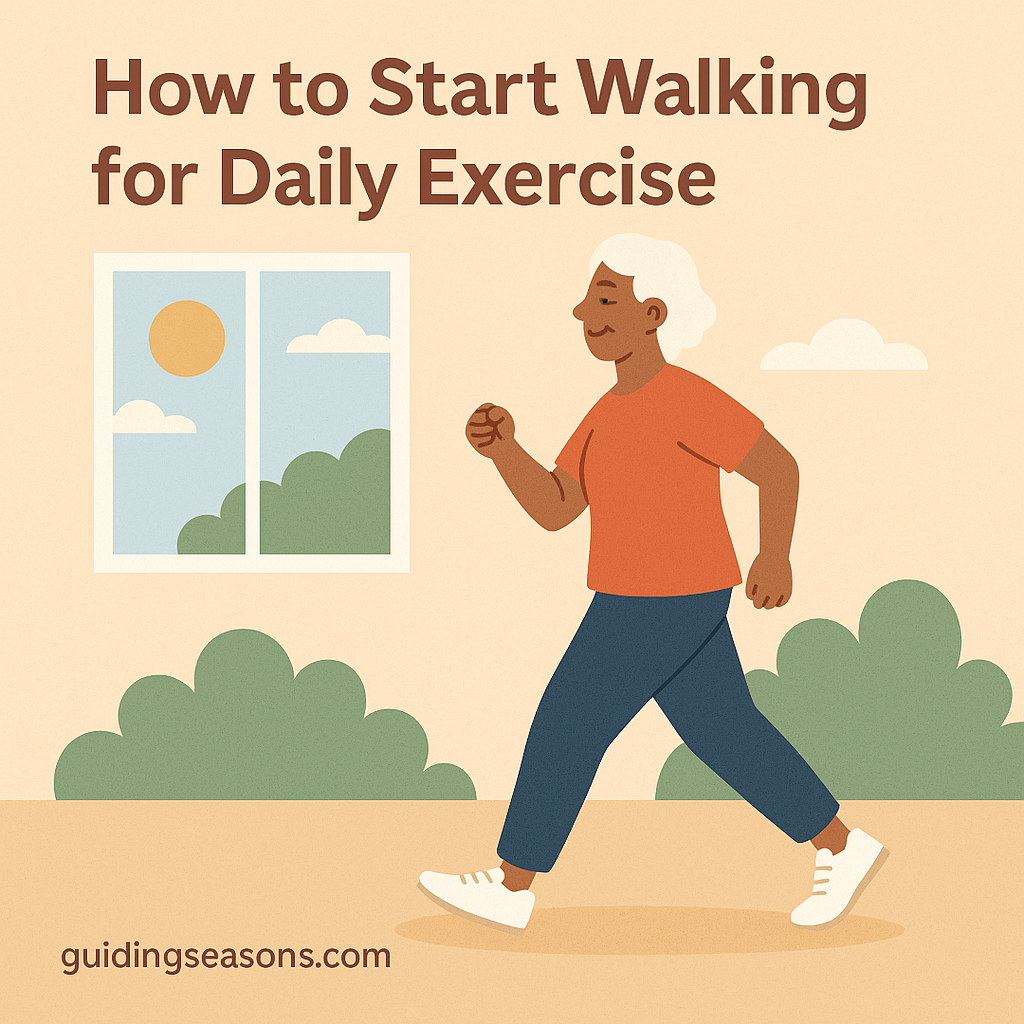

Staying active is one of the best things you can do for your health, especially as you age. But exercise doesn’t need to be intense or complicated to make a difference—consistency and safety matter far more than pushing yourself too hard. A well-planned weekly exercise routine can help improve strength, energy, mobility, balance, and confidence.
With the right approach, you can enjoy the benefits of movement while reducing unnecessary strain or injury.
Here’s how to build a safe, balanced routine that supports long-term health and well-being.
Start With a Clear Understanding of Your Needs
Before you create your routine, take a moment to consider your personal health, mobility, and comfort level.
Think about
- Your doctor’s recommendations
- Any chronic health conditions
- Pain points or mobility limitations
- Exercises you already enjoy
- How much energy you typically have
- Your current activity level
This helps you build a routine that feels realistic and supportive rather than overwhelming.
If you have a chronic condition, have recently had surgery, experience frequent dizziness or falls, or haven’t exercised in a long time, consider talking with your healthcare provider before significantly increasing your activity.
Focus on the Four Key Types of Exercise
A balanced weekly plan includes a mix of activities that support different parts of your health.
The four essential categories
- Cardio: Walking, swimming, cycling, or dancing
- Strength: Light weights, resistance bands, or bodyweight movements
- Flexibility: Stretching, yoga, or mobility exercises
- Balance: Tai chi, heel-to-toe walking, or supported single-leg exercises
Each type plays an important role in overall fitness and independence.
The National Council on Aging (NCOA) highlights benefits of regular physical activity for older adults, including supporting strength, balance, independence, and overall well-being.
Begin With Low-Impact, Joint-Friendly Activities
Low-impact exercises can reduce stress on your joints while still providing effective movement.
Good options
- Walking at a comfortable pace
- Water aerobics
- Chair exercises
- Gentle cycling
- Light elliptical training
Choose activities that feel comfortable and that you’re likely to continue doing. An enjoyable 20-minute walk you take regularly may be more useful than an ambitious workout program you quickly abandon.
Set a Weekly Exercise Goal You Can Maintain
Consistency is more important than perfection.
A simple beginner-friendly schedule
- 3 days of cardio for 20–30 minutes each
- 2 days of strength training for 10–20 minutes
- Regular stretching for 5–10 minutes
- Balance practice 3–5 times per week
For a concrete example, three 30-minute walks plus two 15-minute strength sessions equals 120 minutes of planned exercise per week. You can gradually increase your activity as your strength and endurance improve.
AARP also offers resources for older adults covering exercise, healthy living, mobility, and other aspects of staying active as you age.
Warm Up Before Every Session
A proper warm-up gradually prepares your muscles and joints for movement.
Try
- Slow marching in place
- Gentle shoulder rolls
- Ankle circles
- Light arm movements
- An easy-paced walk
Start slowly and gradually increase your movement. Warm-ups should feel comfortable—not rushed or exhausting.
Listen to Your Body
Your body gives you helpful signals about what feels right and what needs adjusting.
Pay attention to
- New or sharp pain
- Unusual changes in breathing
- Excessive fatigue
- Balance problems
- Dizziness or lightheadedness
- Chest discomfort
Muscle effort and mild fatigue can be normal during exercise, but sharp or sudden pain is not something to push through. Stop exercising if you experience concerning symptoms and seek medical attention when appropriate.
Use the “Talk Test” for Cardio Activity
The talk test is a simple way to estimate your exercise intensity without special equipment.
During moderate cardio
You should generally be able to talk but not comfortably sing.
If speaking becomes difficult, reduce your pace or take a break. If the activity feels very easy, you may gradually increase your pace if doing so is appropriate for your fitness and health.
Prioritize Strength Training for Independence
Strength exercises can make everyday activities such as carrying groceries, getting out of a chair, or climbing stairs easier.
Senior-friendly strength movements
- Seated leg lifts
- Wall push-ups
- Light dumbbell curls
- Chair squats
- Resistance band rows
Start with a resistance level you can control comfortably and focus on proper movement rather than lifting heavier weights.
If an exercise causes pain or makes you feel unstable, modify it or choose another movement.
Add Flexibility and Stretching to Your Routine
Stretching can help maintain flexibility and make everyday movement more comfortable.
Helpful stretches may include
- Hamstring stretches
- Calf stretches
- Chest-opening stretches
- Side-body stretches
- Gentle neck movements
Move slowly into each stretch and avoid bouncing or forcing your body beyond a comfortable range.
Stretching should create mild tension—not pain.
Include Balance Training to Help Prevent Falls
Balance exercises strengthen the muscles and movement patterns you use to remain steady during everyday activities.
Try
- Standing on one foot while holding a sturdy chair for support
- Slow side steps
- Heel-to-toe walking near a stable surface
- Gentle tai chi routines
Safety is especially important during balance exercises. Practice near a countertop, wall, or sturdy chair if you need additional support, and avoid exercises that make you feel unsafe.
Even a few minutes of regular balance practice can be a useful addition to your weekly routine.
Schedule Rest Days
Rest is part of a healthy exercise plan because it gives your body time to recover.
On rest days you can
- Take a gentle walk
- Stretch lightly
- Focus on hydration
- Enjoy quiet activities
- Give sore muscles time to recover
A rest day doesn’t necessarily mean you have to remain completely inactive. Gentle movement may feel good as long as your body is comfortable.
Stay Hydrated and Wear Safe Clothing
Simple safety steps can make exercise more comfortable.
Remember to
- Drink water regularly
- Wear comfortable, supportive shoes
- Dress appropriately for the weather
- Choose well-lit walking areas
- Avoid wet, uneven, or slippery surfaces
- Use mobility aids if they have been recommended for you
If you exercise outdoors, pay attention to heat, cold, and other weather conditions that could make physical activity less safe.
Review and Adjust Your Routine Regularly
Your abilities and needs can change—and your routine can change with them.
Update your plan if
- You feel stronger or more confident
- Your current exercises become too easy
- You want more variety
- You’re recovering from an illness or injury
- Your mobility changes
- Your healthcare provider gives you new guidance
Progress doesn’t always mean exercising harder. It can mean walking a little farther, feeling steadier on your feet, performing an exercise with better control, or simply maintaining a routine consistently.
Final Thoughts
Building a safe weekly exercise routine is a practical way to support your health and independence as you age. With low-impact activities, balanced workouts, proper warm-ups, and adequate recovery, you can work toward staying strong, mobile, and confident.
The key is consistency. You don’t need to complete a demanding workout every day to benefit from movement. Start at a level that feels manageable, increase your activity gradually, and pay attention to how your body responds.
Small amounts of activity performed consistently can add up over time—and a routine you enjoy is much easier to maintain for the long term.
This article is for general educational purposes and is not a substitute for professional medical advice. Talk with your healthcare provider about exercise recommendations appropriate for your individual health, medications, mobility, and medical conditions.