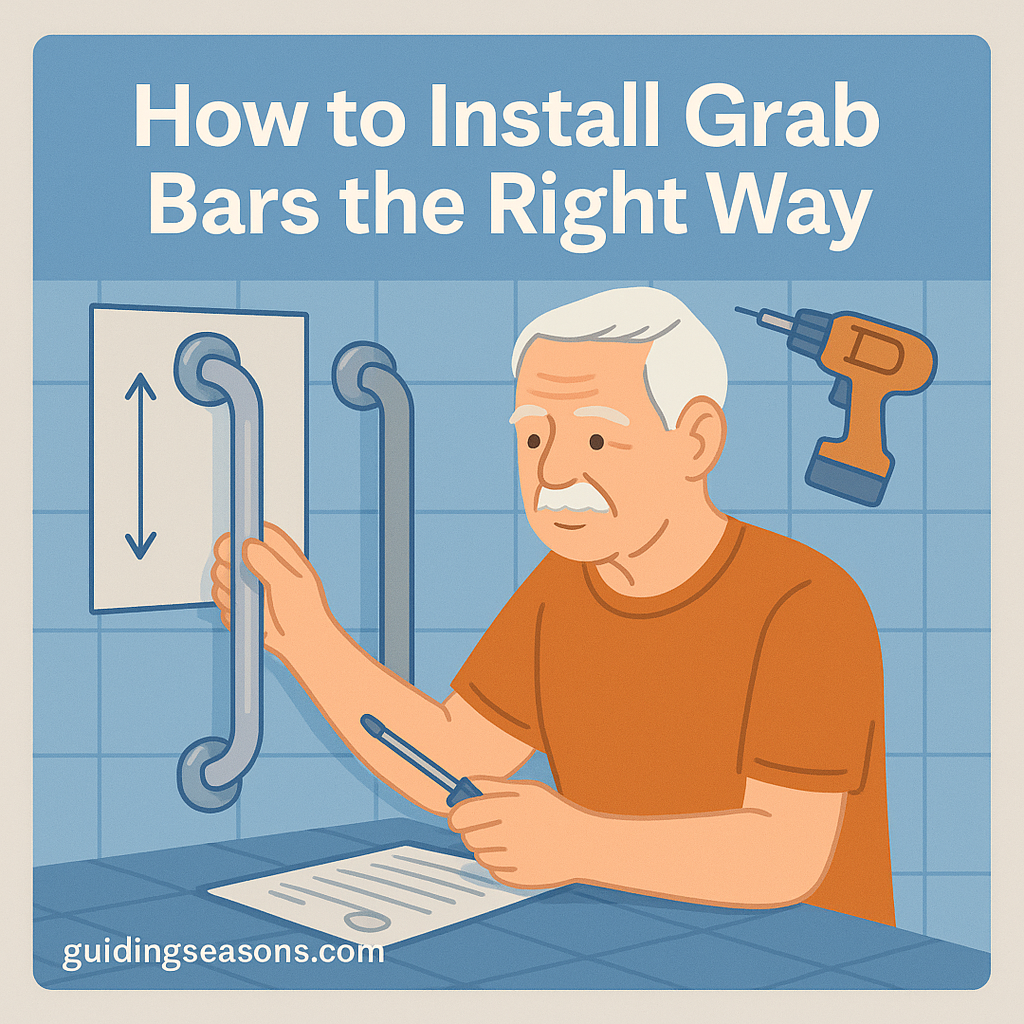
How to Install Grab Bars the Right Way

Older man installing a bathroom grab bar using a screwdriver, with an instruction diagram and drill nearby.
Older man properly installing a secure grab bar using tools and a simple instruction diagram.

Grab bars are one of the simplest home modifications you can make to improve stability and reduce the risk of falls. They can provide support when stepping into a shower, sitting down or standing up from a toilet, moving around a bathtub, or navigating another area where balance may be difficult.

For older adults who want to remain independent at home, properly placed grab bars can be particularly useful. The National Institute on Aging recommends installing grab bars near toilets and in tubs or showers as part of making a home safer and reducing fall hazards.

But installation matters.

A grab bar that looks sturdy but is attached incorrectly can create a false sense of security. If someone places their full weight on it and the mounting hardware pulls away from the wall, the result could be worse than having no bar at all.

That is why grab bars should be treated as safety equipment rather than decorative bathroom accessories.

The correct bar, secure mounting surface, appropriate hardware, thoughtful placement, and regular inspection all matter.

Here is how to approach grab-bar installation the right way.

Continue reading “How to Install Grab Bars the Right Way”
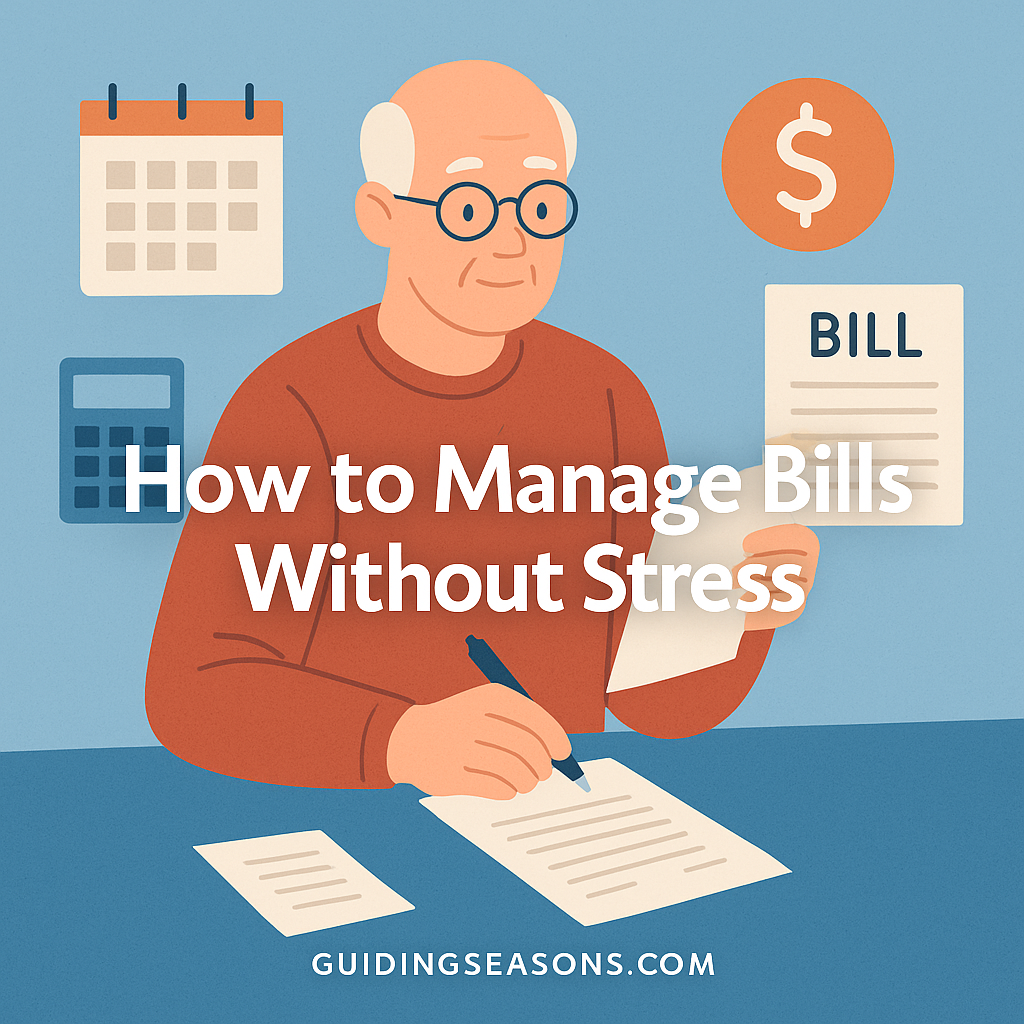
How to Manage Bills Without Stress

Older man reviewing bills and writing on paperwork with financial icons like a calculator, calendar, and dollar symbol around him.
Older man calmly organizing and managing his monthly bills.

Managing household bills can sometimes feel like a job of its own. There are utility bills, insurance premiums, credit cards, medical expenses, subscriptions, phone bills, housing costs, and other payments that all seem to arrive at different times.

During retirement, staying organized can become even more important because income is often more predictable. Instead of receiving regular employment paychecks, you may rely on Social Security, pension payments, retirement account withdrawals, or other fixed sources of income.

The good news is that managing bills doesn’t have to be complicated.

A simple system can help you know what is due, when it needs to be paid, and how much money should remain in your account. Once that system becomes part of your routine, paying bills can require much less thought and create far less stress.

Here are practical ways to create a calmer and more predictable bill-paying routine.

Continue reading “How to Manage Bills Without Stress”

How to Choose the Best Travel Insurance

Older man holding a passport and a travel insurance clipboard with travel icons like a suitcase, airplane, and calendar around him.
Older man reviewing travel insurance options with travel-themed icons in the background.

Travel insurance can feel like one more expense added to an already expensive trip, but the right policy can protect you from costs that are far larger than the price of the premium.

For older travelers, this can be especially important.

A missed connection, sudden illness, hospitalization abroad, canceled cruise, or emergency evacuation can disrupt an entire trip and create significant unexpected expenses. Travel insurance cannot prevent those events, but it can reduce the financial impact when something covered goes wrong.

The challenge is that travel insurance policies vary considerably.

One plan may provide excellent medical coverage but weak baggage protection. Another may reimburse a large portion of a canceled trip but offer limited evacuation benefits. Pre-existing condition rules, deductibles, exclusions, reimbursement percentages, and claim procedures can also differ.

That means choosing the best travel insurance is not about finding the cheapest policy.

It is about finding the policy that fits your health coverage, destination, trip cost, activities, and tolerance for financial risk.

Here is how to compare travel insurance more carefully and choose coverage that makes sense for your trip.

Continue reading “How to Choose the Best Travel Insurance”

How to Stream TV and Movies Easily

Older man sitting in a chair using a tablet to stream videos, with a TV and remote icons in the background.
Older man streaming TV and movies easily using a tablet and simple on-screen apps.

Streaming TV shows and movies has become one of the easiest ways to enjoy entertainment at home. Instead of waiting for a program to come on at a certain time, you can choose what you want to watch and start it almost immediately.

For seniors who grew up with traditional television, streaming can initially seem more complicated than simply changing channels. There are apps, passwords, Wi-Fi connections, streaming devices, and subscription services to think about.

The good news is that you don’t need to understand all of the technology behind streaming to enjoy it.

Once your television or streaming device is connected and your favorite services are set up, everyday use can be surprisingly simple. You can watch classic television programs, new movies, documentaries, sports, local programming, educational shows, and much more—all from your television, tablet, computer, or smartphone.

Here’s a straightforward guide to getting started.

Continue reading “How to Stream TV and Movies Easily”

How to Connect With Grandchildren

Grandfather and young granddaughter building a colorful block tower together while smiling.
Grandfather bonding with his granddaughter by building a block tower together.

Building a close relationship with your grandchildren can be one of the most rewarding parts of later life. Grandparents have a unique opportunity to provide love, encouragement, family history, and a perspective that younger generations may not receive anywhere else.

But strong relationships between grandparents and grandchildren don’t always happen automatically.

Children grow quickly. Their personalities develop, their interests change, and as they become teenagers and young adults, friends, school, work, sports, and other responsibilities begin competing for their time. Some grandparents also live hundreds or even thousands of miles from their grandchildren, making regular visits difficult.

The key is to allow the relationship to grow along with the child.

Connecting with a 5-year-old may involve reading stories and building with blocks. Connecting with a 15-year-old might mean listening to their favorite music or asking about their plans for the future. Connecting with a 25-year-old grandchild may look more like an adult friendship built around conversation, shared interests, and mutual respect.

You don’t need elaborate trips, expensive gifts, or constant contact to build a meaningful relationship. Consistent attention, genuine curiosity, shared experiences, and respect can have a much greater impact.

Continue reading “How to Connect With Grandchildren”

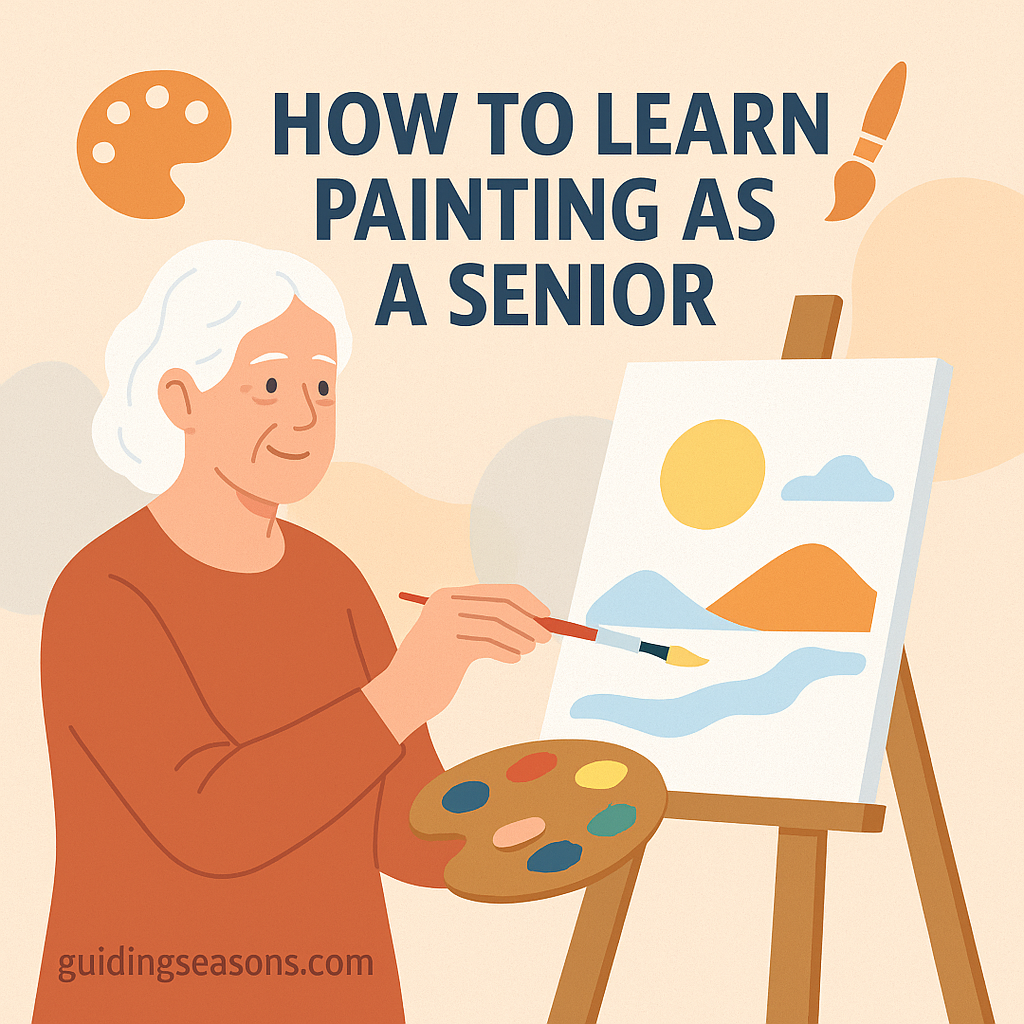
How to Learn Painting as a Senior

Older woman painting a simple landscape on a canvas while holding a paint palette.
Older woman learning to paint by creating a simple landscape on a canvas.

Painting is one of the most enjoyable and accessible hobbies you can start at almost any age. Whether you’re looking for a creative outlet, a relaxing way to spend your afternoons, or simply something new to learn, painting offers nearly endless possibilities.

You also don’t need to consider yourself “artistic” before you begin. Painting is a skill that can develop gradually through observation and practice. Your first picture doesn’t need to look like something hanging in a gallery. The important part is learning how colors, brushes, shapes, light, and your own imagination work together.

Creative activities can also be a meaningful part of staying engaged as you get older. The National Institute on Aging notes that research on participatory arts shows promise for supporting older adults’ quality of life and well-being, including areas such as self-esteem, social interaction, memory, and stress.

Here’s a simple, encouraging guide to help you start painting as a senior—no previous experience required.

Continue reading “How to Learn Painting as a Senior”

Hydration Tips Seniors Should Follow Daily

Group of older adults drinking water and holding hydration items to encourage daily fluid intake.
Older adults practicing healthy daily hydration habits.

Staying hydrated is important at every age, but it can become especially important as you get older. Older adults may not always feel thirsty as quickly or as strongly as younger people, which means dehydration can sometimes develop before you realize you need a drink.

Water supports nearly every system in the body. Getting enough fluids helps regulate body temperature, supports digestion and circulation, keeps joints and tissues functioning properly, and helps the body remove waste. Good hydration can also help you maintain your energy and stay comfortable during everyday activities.

The challenge is that there isn’t one perfect amount of water that every senior needs. Your fluid needs can change depending on your body size, activity level, diet, medications, health conditions, and the weather.

The National Academies lists an Adequate Intake for total water of about 3.7 liters per day for men and 2.7 liters per day for women. These figures include water obtained from both beverages and foods, and individual needs can vary considerably.

Here are practical ways older adults can make hydration a regular part of the day.

Continue reading “Hydration Tips Seniors Should Follow Daily”

How to Find Reliable Medical Services

Older man reviewing medical information on his smartphone with healthcare icons and a checklist behind him.
Older man researching reliable medical services using his phone.

Finding medical care you can trust becomes increasingly important as you get older. You may be managing several medications, seeing multiple specialists, monitoring chronic conditions, or simply trying to stay healthy and independent for as long as possible.

The challenge isn’t necessarily finding a doctor. In many communities, there may be dozens of physicians, clinics, urgent care centers, specialists, and hospitals to choose from. The harder part is determining which providers are qualified, dependable, accessible, covered by your insurance, and a good fit for your individual needs.

Reliable health care also involves more than medical expertise. Communication, coordination, accessibility, appointment availability, billing practices, and follow-up care all matter.

Fortunately, you don’t have to make these decisions blindly.

By checking credentials, confirming insurance coverage, comparing providers, asking the right questions, and paying attention to your experience during your first few visits, you can build a medical team you feel confident relying on.

Continue reading “How to Find Reliable Medical Services”

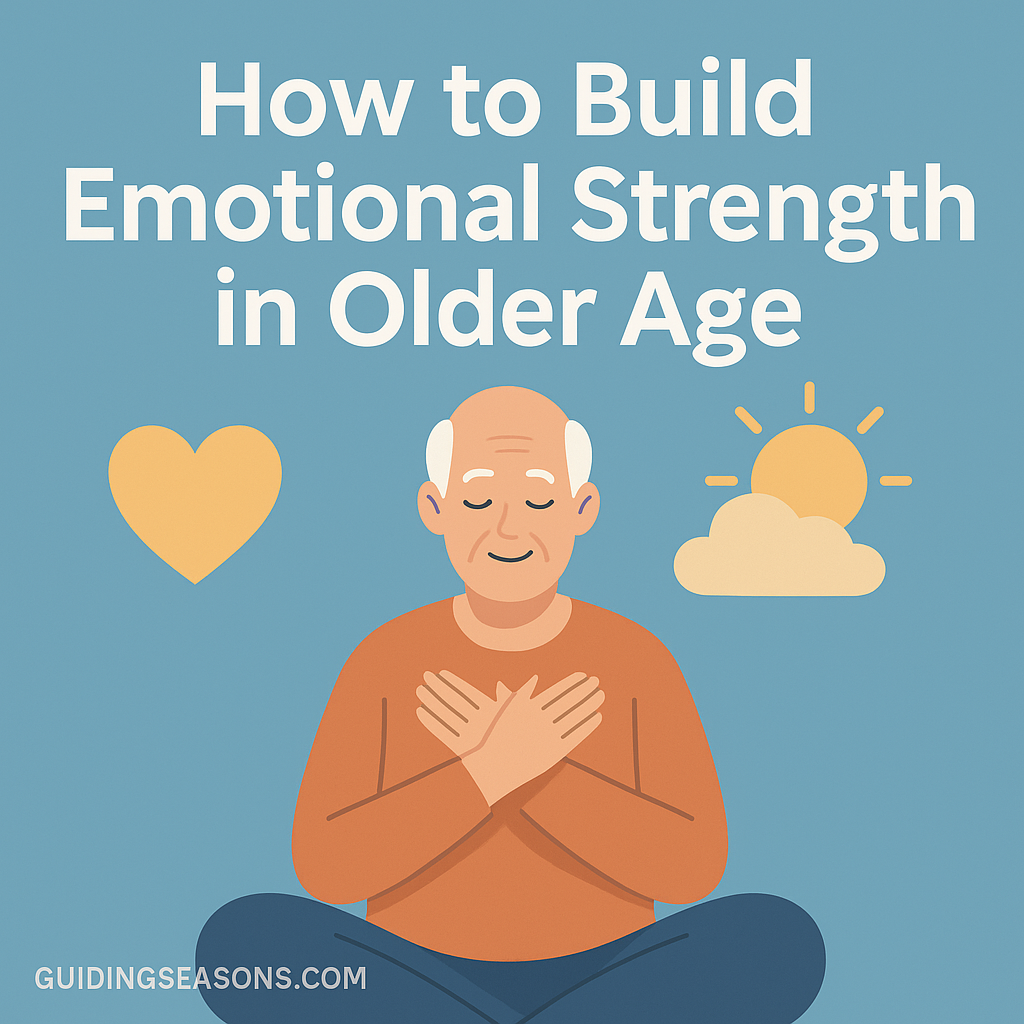
How to Build Emotional Strength in Older Age

Older man sitting peacefully with hands over his chest, surrounded by calm symbols like a heart and sun to represent emotional strength.
Older man practicing calming techniques to build emotional strength in older age.

Emotional strength isn’t about becoming unaffected by difficult experiences. It doesn’t mean suppressing sadness, refusing help, or forcing yourself to remain positive when life is genuinely hard.

Real emotional strength is much more flexible.

It’s the ability to experience disappointment, uncertainty, loss, frustration, or change while gradually finding your footing again. It’s knowing when to solve a problem, when to accept something you cannot change, when to rest, and when to reach out to someone else.

These skills can become especially important as you grow older.

Retirement may change your sense of identity and daily structure. Health concerns can introduce uncertainty. Relationships evolve. Adult children build lives of their own. Financial priorities may shift. Friends or loved ones may move away or pass on.

At the same time, older age can bring decades of experience to draw from.

You’ve already navigated change.

You’ve solved problems you once thought were overwhelming.

You’ve adapted to circumstances you never expected.

That history can become an important source of emotional resilience.

The National Institute on Aging (NIA) describes resilience as the ability to resist, recover from, or successfully adapt to stressors and continues to support research into resilience and healthy aging.

Emotional strength, then, isn’t necessarily something you either have or don’t have. It can be supported through everyday habits, relationships, perspective, and healthy coping strategies.

Here are practical ways to strengthen it.

Continue reading “How to Build Emotional Strength in Older Age”

How to Childproof Your Home for Grandkids

Older woman placing a corner protector on a coffee table while childproofing her home for visiting grandkids.
Older woman childproofing her living room to create a safe space for her grandkids.

Having grandchildren visit can bring new energy into your home. Suddenly, the living room becomes a play area, kitchen cabinets become fascinating places to explore, and ordinary household objects can capture a child’s attention for surprisingly long periods of time.

But a home designed primarily for adults may contain hazards that are easy to overlook.

Medications on a nightstand, a decorative bowl filled with coins, an unsecured television, cleaning supplies under the sink, or dangling window-blind cords may not seem dangerous during everyday life. To a curious toddler, however, they can present serious risks.

The good news is that childproofing your home does not necessarily require expensive renovations or turning every room into a permanent playroom. If grandchildren visit only occasionally, many safety measures can be temporary or concentrated in the rooms children actually use.

The U.S. Consumer Product Safety Commission (CPSC) recommends a variety of home safeguards for young children, including securing furniture and televisions, using appropriate safety gates, protecting electrical outlets, addressing window-cord hazards, and installing cabinet locks where dangerous products are stored.

The key is to think like a child: What can they reach, pull, climb, swallow, open, or knock over?

Here is how to create a safer and more comfortable home before the grandkids arrive.

Continue reading “How to Childproof Your Home for Grandkids”