How to Travel With Medication Safely

Older man organizing prescription bottles and pill packs while preparing to travel with his suitcase nearby.
Older man preparing his medications safely before traveling.

Traveling with prescription medications requires a little more preparation than simply packing clothes and toiletries, but it does not need to make a trip stressful.

Whether you are flying across the country, taking a cruise, driving to visit family, or traveling internationally, the goal is simple: keep your medications safe, accessible, clearly identified, and available for the entire trip.

This is particularly important for travelers who take several medications each day or rely on medicines that must be taken at specific times or stored under particular conditions.

A few thoughtful steps before departure can prevent many common problems, including lost medication, missed doses, airport delays, temperature damage, and difficulty obtaining replacements.

Here is how to travel with medication more safely and confidently.

Continue reading “How to Travel With Medication Safely”

How to Improve Listening Skills as a Senior

Three older adults sitting together in conversation, practicing listening skills with speech bubbles above them.
Older adults practicing better listening skills through calm and engaged conversation.

Good listening is one of the most valuable skills you can bring to a relationship. Whether you’re talking with a spouse, adult child, grandchild, friend, neighbor, doctor, or caregiver, listening carefully helps you understand what another person is saying while also communicating something important: their thoughts matter to you.

Listening can become more challenging with age for several reasons. Changes in hearing may make certain voices or sounds harder to understand. Restaurants and family gatherings can be noisy. Modern conversations sometimes move quickly, and smartphones, televisions, and other distractions compete for attention.

None of this means you have to become disconnected from conversations.

Listening involves much more than simply hearing words. It includes paying attention, watching facial expressions and body language, asking questions, remembering important details, and confirming that you understood correctly.

These are skills that can be practiced.

By making a few changes to your environment and communication habits, you can become a more attentive listener and enjoy clearer, more meaningful conversations.

Continue reading “How to Improve Listening Skills as a Senior”

How to Enjoy Birdwatching in Your Area

Group of older adults using binoculars to birdwatch outdoors with colorful birds flying and perched nearby.
Older adults enjoying local birdwatching with binoculars and nature views.

Birdwatching is one of the easiest, most peaceful, and most rewarding hobbies for older adults. You don’t need expensive equipment, long hikes, or expert knowledge to get started. Birds can be found almost everywhere—from your backyard and neighborhood trees to city parks, lakes, beaches, and quiet walking paths.

Part of what makes birdwatching so enjoyable is its flexibility. You can spend five minutes watching birds through a kitchen window or devote an entire morning to exploring a nature preserve. You can enjoy the hobby alone when you want some quiet time or join a local birding group when you feel like being social.

Birdwatching also encourages you to slow down and pay attention to details you might otherwise overlook: a flash of color in a tree, an unfamiliar song, or the changing species that appear as the seasons pass.

Here’s how to start enjoying birdwatching right where you live.

Continue reading “How to Enjoy Birdwatching in Your Area”

How to Boost Your Immune System as You Age

Group of older adults practicing healthy habits like hydration, sunlight, and mindfulness with an immunity shield icon above them.
Older adults strengthening their immune system through simple daily wellness habits.

A healthy immune system plays an important role in protecting the body from infections and helping you recover when illness occurs. As you get older, however, the immune system changes. It may respond less efficiently to certain infections, and older adults can be more vulnerable to complications from illnesses such as influenza, pneumonia, COVID-19, and shingles.

That does not mean your immune health is entirely outside your control.

There is no single food, vitamin, supplement, or lifestyle trick that can instantly “boost” immunity. Instead, the most effective approach is to support normal immune function through several healthy habits working together: nutritious food, regular movement, adequate sleep, vaccination, stress management, good hydration, and appropriate medical care.

The National Institute on Aging emphasizes that healthy aging is supported by staying physically active, eating nutritious foods, getting enough sleep, limiting alcohol, and managing your healthcare proactively.

Here are practical ways to support your immune system as you age.

Continue reading “How to Boost Your Immune System as You Age”

Understanding Required Minimum Distributions

Group of older adults reviewing financial documents with icons representing RMDs and retirement planning.
Older adults learning about required minimum distributions and retirement planning.

Required Minimum Distributions—usually called RMDs—are an important part of retirement planning for anyone with tax-deferred retirement savings.

For decades, you may have contributed money to a traditional IRA, 401(k), 403(b), or another retirement plan and allowed those savings to grow without paying income tax on all of that money along the way. Eventually, however, federal tax rules generally require you to begin withdrawing a portion of those savings.

That’s where RMDs come in.

Understanding when RMDs begin, how they are calculated, and how they affect your taxes can help you avoid penalties and make better decisions about your retirement income.

The rules can look complicated at first, but the basic idea is relatively simple: once you reach the applicable age, the IRS generally requires you to withdraw at least a minimum amount from certain retirement accounts each year.

Here’s what retirees and people approaching retirement should know.

Continue reading “Understanding Required Minimum Distributions”

How to Access Meal Services in Your Area

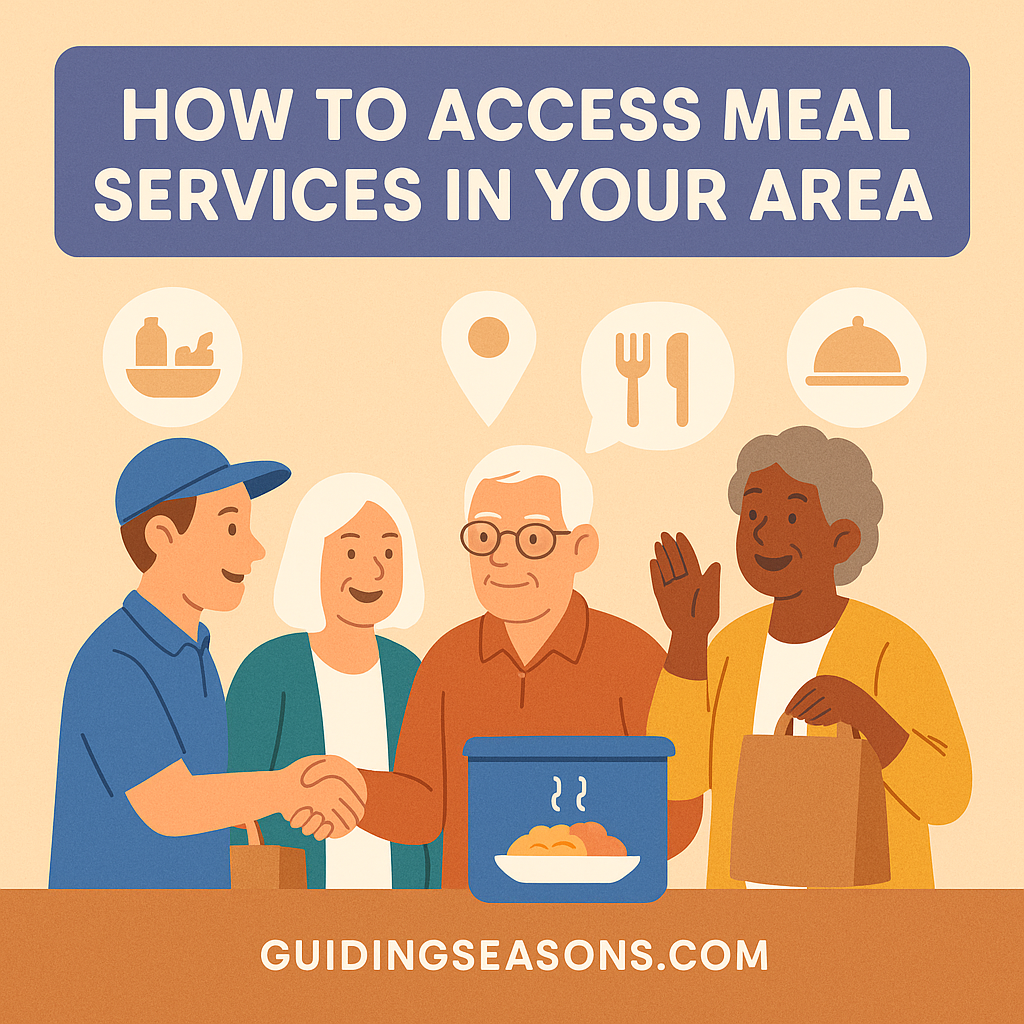
Group of older adults receiving meal service support from a friendly delivery worker with food icons above them.
Older adults accessing local meal services with help from a community delivery program.

Getting nutritious meals every day can become more challenging as you age. Grocery shopping may require more energy, transportation can become difficult, and cooking for one or two people may no longer feel worthwhile. Health conditions or limited mobility can make meal preparation even harder.

Fortunately, older adults have more options than many people realize.

Depending on where you live, you may be able to receive meals at home, eat at a local senior center, get help paying for groceries, arrange grocery delivery, or use a private prepared-meal service. Some programs are free, while others request a voluntary contribution or charge a regular fee.

The U.S. Administration for Community Living (ACL) reports that the national Senior Nutrition Program serves nearly 1 million meals each day through about 5,000 local providers. These programs include both community-based meals and home-delivered services.

Finding the right option starts with understanding what’s available and knowing where to ask.

Continue reading “How to Access Meal Services in Your Area”

How to Let Go of Past Stressors

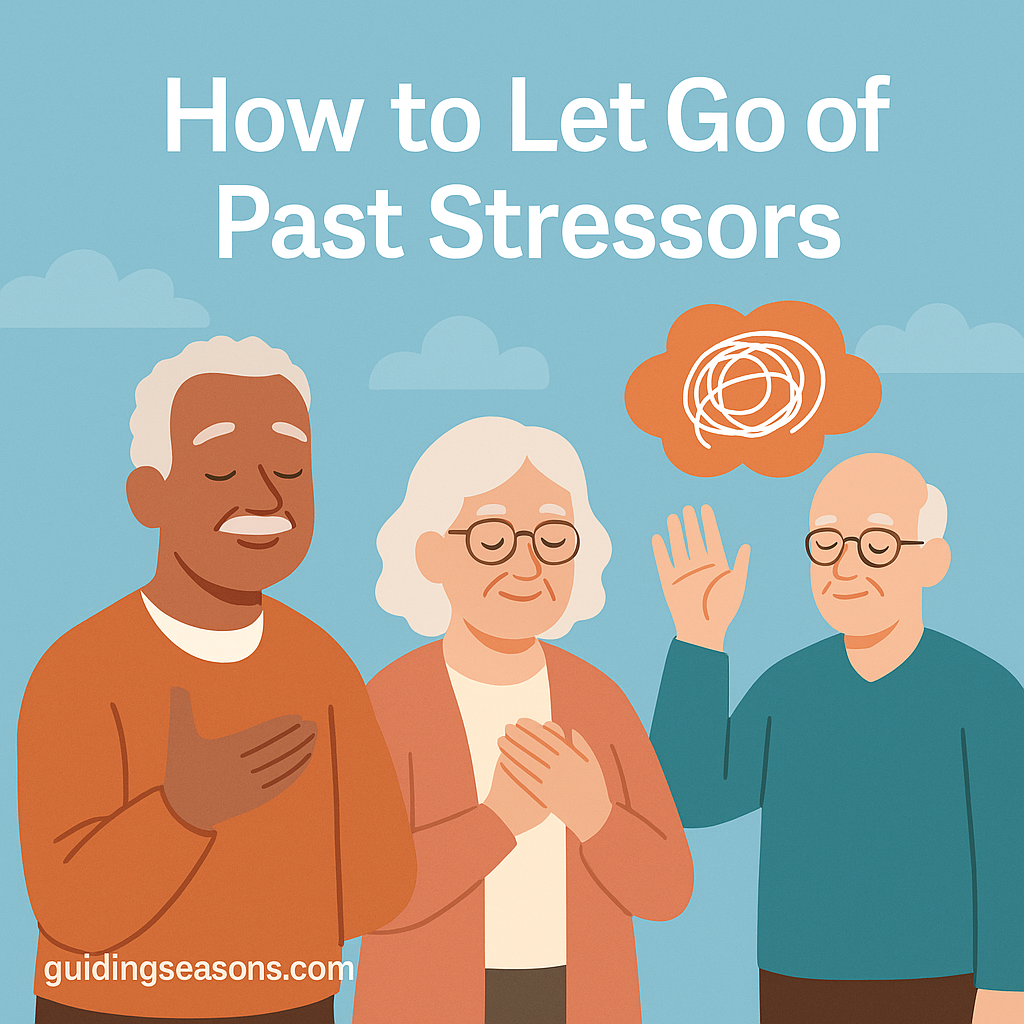
Three older adults practicing calming gestures with an illustrated stress cloud floating above them.
Older adults practicing calming techniques as they learn to let go of past stressors.

Moving into a new chapter of life can create unexpected opportunities for reflection. Retirement, children leaving home, changes in relationships, or simply having more quiet time may bring memories and experiences back to the surface that you haven’t thought about in years.

Some memories are comforting. Others aren’t.

You might find yourself replaying a career decision you regret, thinking about an old disagreement, wishing you had handled a relationship differently, or worrying about choices that can no longer be changed.

Occasional reflection is normal. But repeatedly returning to situations you cannot change can make it harder to appreciate what is happening in your life today.

Letting go doesn’t mean pretending something never happened. It doesn’t require forgiving everyone, forgetting painful experiences, or deciding that something hurtful was acceptable.

Instead, letting go can mean reducing the amount of emotional space the past occupies in your present life.

It’s the gradual process of recognizing what happened, learning what you can from it, and deciding where you want your attention to go next.

Here are practical ways to begin.

Continue reading “How to Let Go of Past Stressors”

How to Organize a Safe Living Environment

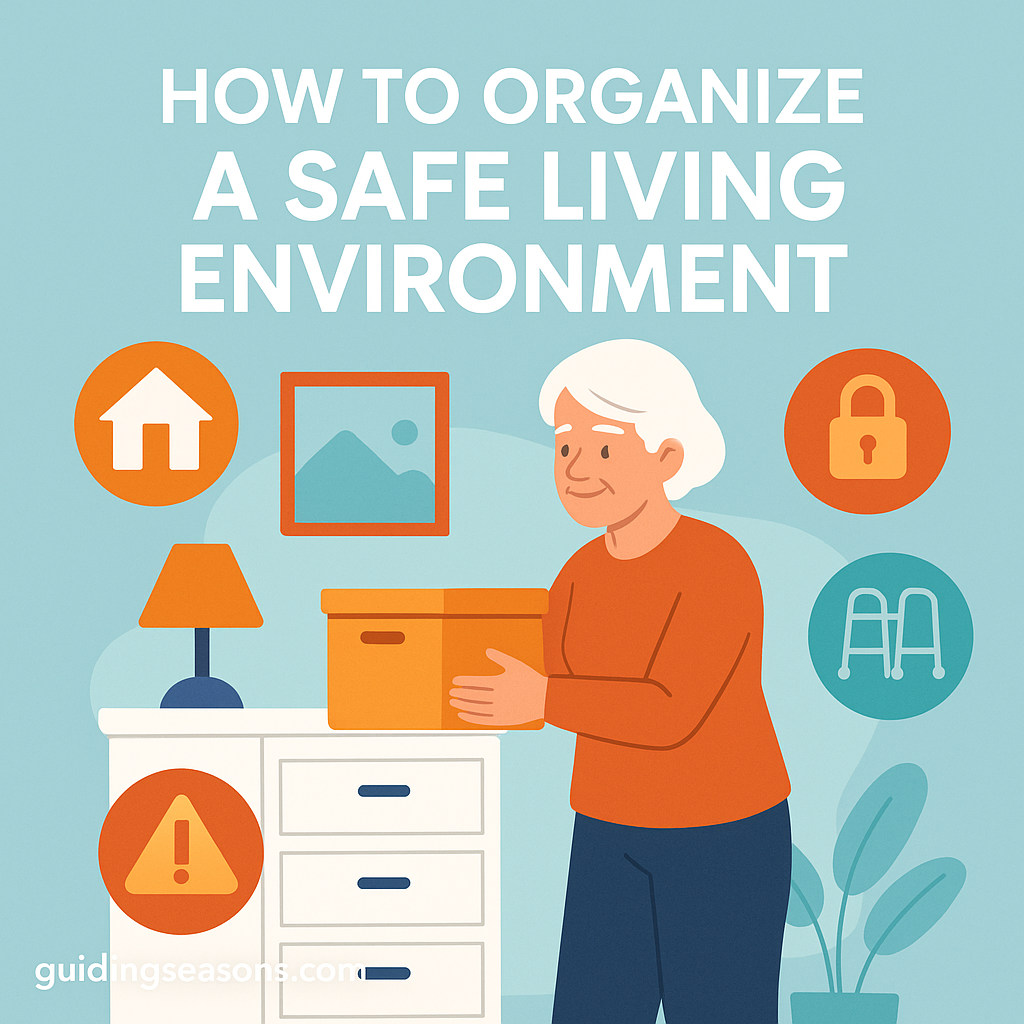
Older woman organizing a storage box in a well-lit room with icons representing home safety around her.
Older woman organizing her living space with simple safety improvements.

A safe, well-organized home can play an important role in maintaining independence, confidence, and quality of life as we age. Everyday features that once seemed harmless—such as a loose rug, a dark hallway, a crowded walkway, or items stored on a high shelf—can gradually become more difficult or risky to navigate.

Fortunately, improving home safety does not necessarily mean undertaking an expensive renovation. Many useful changes are surprisingly simple: moving furniture, improving lighting, securing rugs, reorganizing cabinets, installing grab bars, or putting frequently used belongings within easier reach.

Fall prevention deserves particular attention. The Centers for Disease Control and Prevention (CDC) reports that more than 1 in 4 older adults report falling each year, resulting in approximately 37 million falls. The CDC emphasizes that falls are not simply an unavoidable part of getting older and that steps can be taken to reduce the risk.

Creating a safer living environment begins with looking at your home differently. Instead of organizing only for appearance, organize for visibility, accessibility, stability, and ease of movement.

Here are practical ways to make your home safer and more comfortable for everyday living.

Continue reading “How to Organize a Safe Living Environment”

How to Plan Short Weekend Getaways

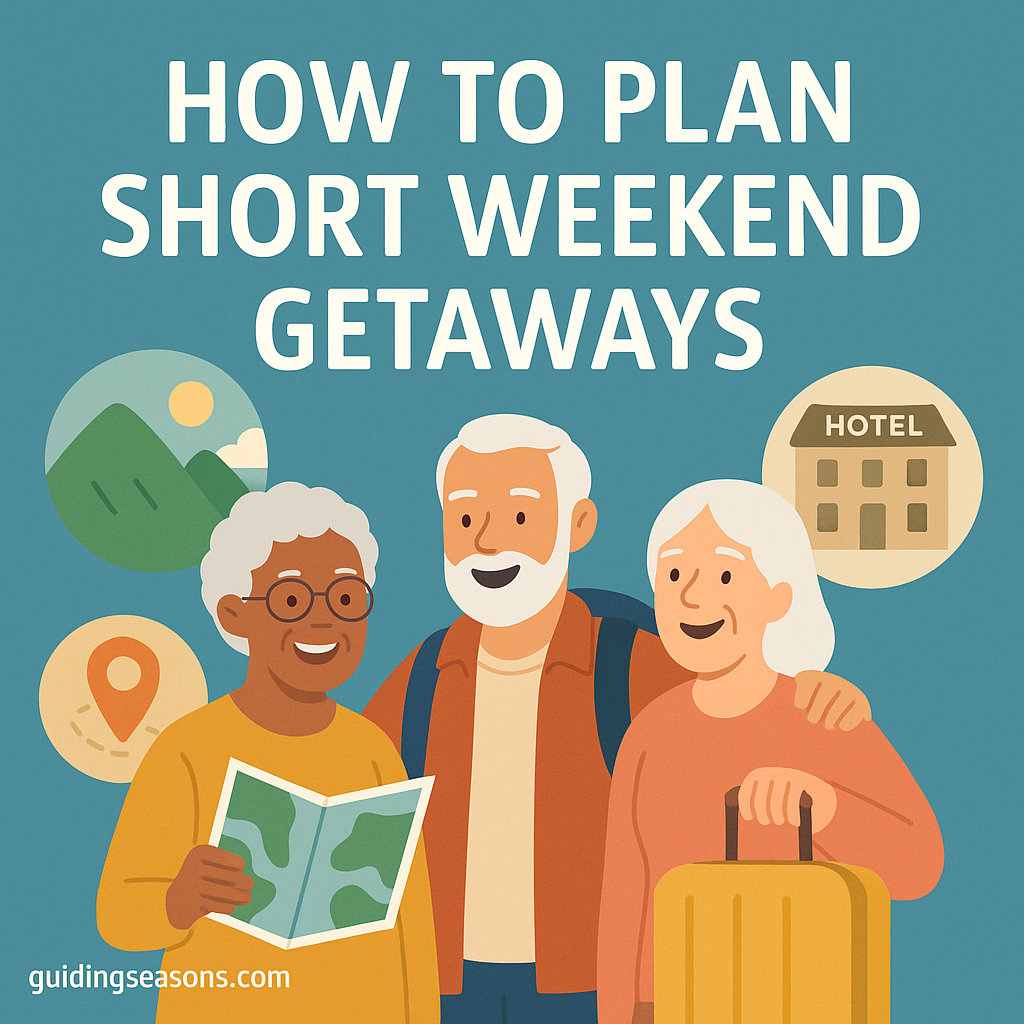
Group of seniors planning an easy and enjoyable short weekend getaway.
Group of older adults smiling and preparing for a short weekend getaway with a map, suitcase, and travel icons.

Short weekend getaways are one of the easiest ways to enjoy travel without the expense, complicated planning, or physical demands that can come with a long vacation. For retirees and older adults, a two- or three-day trip can provide just enough time for a refreshing change of scenery while still allowing you to maintain your normal routine at home.

You don’t need to fly across the country or create a packed itinerary to have a memorable experience. A quiet coastal town, scenic mountain community, historic district, nearby lake, or state park may be only a couple of hours away.

The key is to design the trip around your interests, energy level, budget, and comfort. Instead of trying to see everything, focus on enjoying a few experiences at a relaxed pace.

Here’s how to plan a simple, comfortable weekend getaway that leaves you feeling refreshed rather than exhausted.

Continue reading “How to Plan Short Weekend Getaways”

How to Use Email Without Feeling Overwhelmed

Older woman using a laptop with email icons floating around her while learning to manage email confidently.
Older woman using her laptop to learn how to manage email without feeling overwhelmed.

Email is one of the most useful communication tools available today. It can help you stay in touch with family, receive appointment reminders, communicate with businesses, keep travel confirmations, manage online accounts, and receive important information without making a phone call.

But email can also become stressful.

A crowded inbox may contain hundreds or even thousands of messages. Advertisements pile up. Important messages get mixed in with newsletters. Scam emails may look surprisingly convincing. And if you feel like every message needs an immediate response, checking email can start to feel like a chore.

The good news is that you don’t need to become an email expert to stay organized.

A few simple habits can make your inbox much easier to manage. The goal isn’t to reach zero messages every day or organize everything perfectly. The goal is to make it easy to find important information, recognize what deserves your attention, and ignore the rest.

Here’s a practical, beginner-friendly approach.

Continue reading “How to Use Email Without Feeling Overwhelmed”