How to Protect Your Retirement From Inflation

Older man writing in a budget notebook at a table while reviewing financial documents, surrounded by inflation-related icons like rising arrows, price tags, and grocery costs, with the title “How to Protect Your Retirement From Inflation” above.
An older man adjusts his budget with inflation symbols around him, illustrating practical ways to protect retirement savings from rising costs.

Inflation is a normal part of the economy, but for retirees it can become a serious long-term financial challenge.

When prices rise, the same amount of money buys fewer groceries, covers fewer utility bills, and pays for less health care than it did before. For someone still working, wages may eventually rise along with prices. Retirees, however, often rely on Social Security, pensions, savings, and investment withdrawals, which means their income may not always increase as quickly as their expenses.

That is why protecting your retirement from inflation involves more than simply cutting costs. A strong plan may combine thoughtful investing, flexible spending, appropriate cash reserves, Social Security planning, and a withdrawal strategy that can adjust as conditions change.

The goal is not to predict exactly what inflation will be next year. It is to build enough flexibility into your retirement plan that rising prices do not undermine your financial security.

Here are several practical ways to protect your retirement savings and income from inflation over the long term.

Continue reading “How to Protect Your Retirement From Inflation”
How to Cope With Life Transitions Gracefully

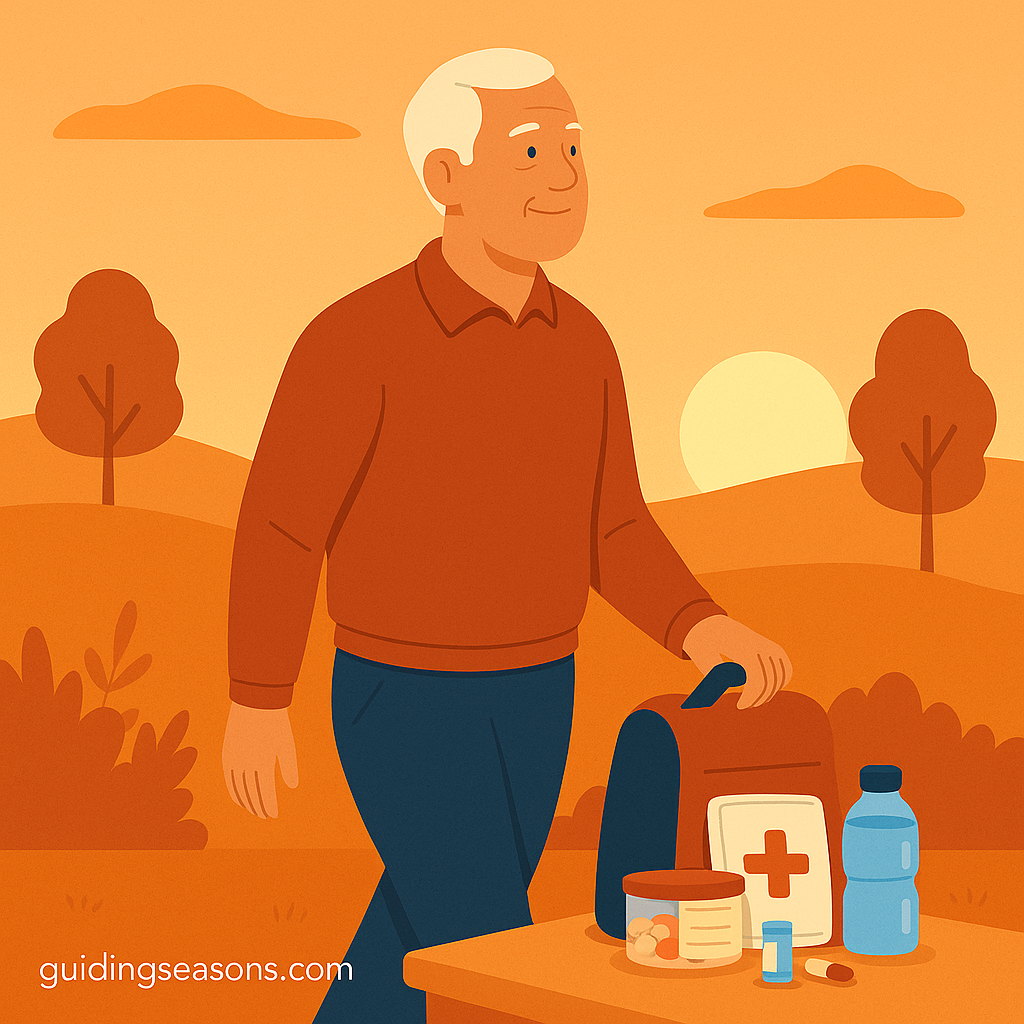
Older man taking a calming walk outdoors during sunset, surrounded by warm orange landscape tones, with the title “How to Cope With Life Transitions Gracefully” above.
An older man walks peacefully at sunset, symbolizing calm, reflection, and resilience during life transitions.

Life rarely stays the same for long. Retirement, changes in health, moving to a new home, becoming a caregiver, losing a loved one, watching children or grandchildren move away, or simply adjusting to a different daily routine can change the shape of everyday life.

Some transitions are welcome and carefully planned. Others arrive unexpectedly. And many bring a mixture of emotions. Retirement, for example, may offer freedom from a demanding work schedule while also creating questions about identity, purpose, finances, and how to spend your time.

Coping with change gracefully does not mean pretending everything is fine or forcing yourself to remain positive. It means giving yourself room to adjust while gradually creating stability, connection, and meaning in your new circumstances.

The American Psychological Association (APA) describes resilience as the process of adapting to difficult or challenging experiences through mental, emotional, and behavioral flexibility. Importantly, resilience is not simply something a person either has or does not have. The thoughts, behaviors, relationships, and coping strategies that contribute to resilience can be developed and strengthened over time.

Here are practical ways to navigate life’s transitions with greater confidence, patience, and grace.

Continue reading “How to Cope With Life Transitions Gracefully”

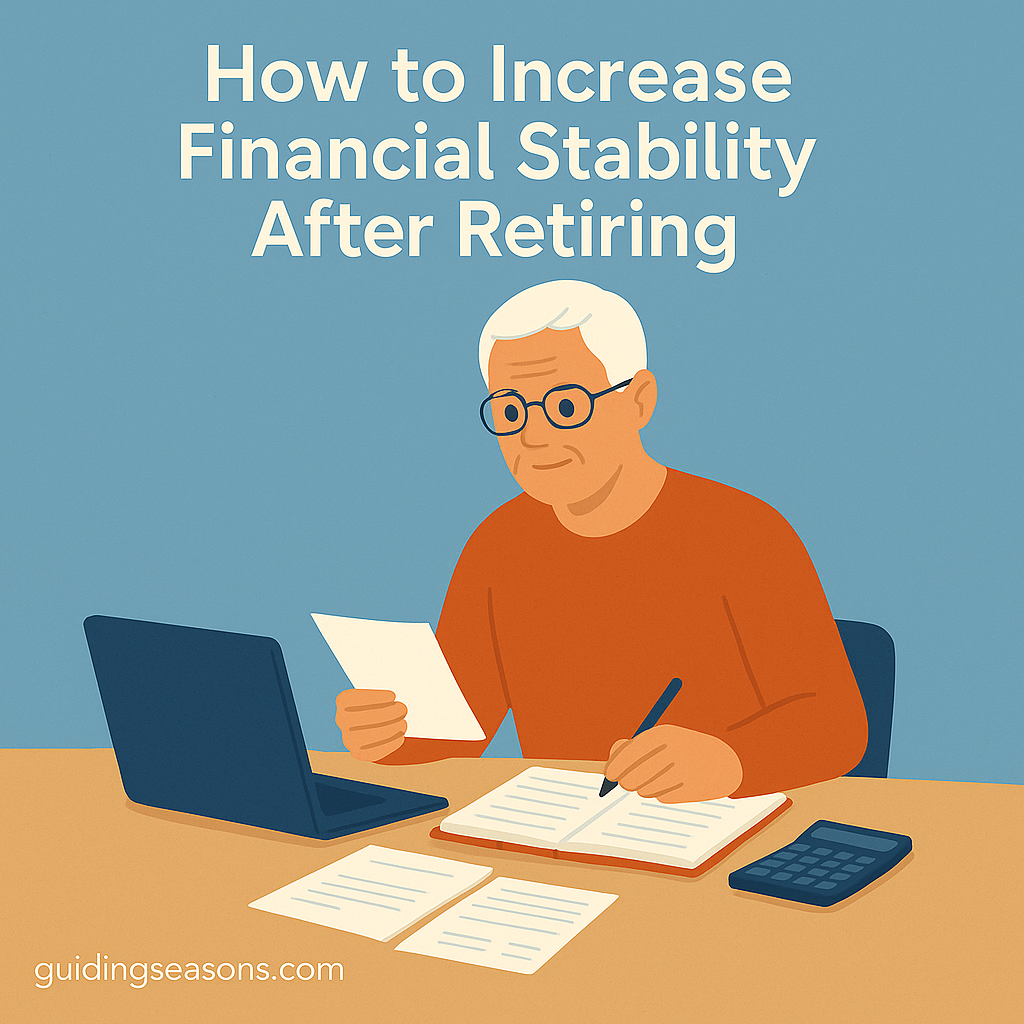
How to Increase Financial Stability After Retiring

Older man calculating expenses at a table with bills, a notebook, a laptop, and a calculator, with the title “How to Increase Financial Stability After Retiring” displayed above
An older man reviews bills and writes in a notebook while budgeting, illustrating practical ways to increase financial stability after retiring.

Retirement can bring more freedom, more control over your schedule, and opportunities to enjoy the things you may not have had time for while working. But retirement also changes the way you manage money.

Instead of receiving a regular paycheck, your income may come from Social Security, a pension, retirement accounts, investments, annuities, or part-time work. At the same time, expenses such as healthcare, housing, insurance, food, and utilities continue — and some may increase over time.

That makes financial stability especially important during retirement.

Financial stability doesn’t necessarily mean having a huge retirement portfolio. It means having enough dependable income and financial flexibility to cover your needs, handle unexpected expenses, and enjoy retirement without constantly worrying about money.

Even after you’ve retired, there are practical steps you can take to strengthen your financial position.

Continue reading “How to Increase Financial Stability After Retiring”

How to Choose Senior-Friendly Hotels

Older couple entering a bright, comfortable hotel room with luggage, smiling as they look around the accessible space, with the title “How to Choose Senior-Friendly Hotels” displayed at the top
An older couple arrives in a welcoming hotel room, illustrating what to look for when choosing senior-friendly accommodations.

Choosing the right hotel can make a major difference in how comfortable and enjoyable a trip feels.

For older travelers, the best hotel is not necessarily the most luxurious property or the one with the largest swimming pool. A truly senior-friendly hotel is easy to navigate, comfortable to rest in, conveniently located, and equipped with features that reduce unnecessary physical effort.

This can matter even if you do not normally use a cane, walker, wheelchair, or other mobility aid.

Travel itself can be tiring. Airports involve long walks, sightseeing often means spending hours on your feet, and unfamiliar hotel layouts can add more physical effort than expected. Small conveniences—such as an elevator close to your room, a walk-in shower, good lighting, or a restaurant downstairs—can make a vacation considerably easier.

The key is to think beyond price and star ratings.

Here is how to choose a hotel that supports comfort, safety, accessibility, and a more relaxing travel experience.

Continue reading “How to Choose Senior-Friendly Hotels”

How to Avoid Online Scams Targeting Seniors

Older man looking cautiously at his laptop as a red warning pop-up with a scam alert appears on the screen, with the title “How to Avoid Online Scams Targeting Seniors” above
An older man reacts to a suspicious pop-up on his laptop, illustrating common online scam tactics that target seniors.

Online scams have become more common in recent years, and unfortunately, many are designed specifically to target seniors. These scams can look convincing, feel urgent, and catch anyone off guard. But with a little awareness and a few simple habits, you can stay safer, protect your personal information, and use technology with confidence.

Here is a practical guide to recognizing and avoiding some of the most common online scams that target older adults.

Continue reading “How to Avoid Online Scams Targeting Seniors”

How to Support a Spouse Through Health Changes

Older couple sitting together on a couch, gently holding hands and talking, with the title “How to Support a Spouse Through Health Changes” displayed above
An older couple sits together holding hands on a cozy couch, illustrating the compassion and connection needed to support a spouse through health changes.

When your spouse begins experiencing health changes—whether sudden or gradual—it can affect both of you emotionally, physically, and practically. A new diagnosis, reduced mobility, memory concerns, chronic pain, or recovery from an illness may introduce uncertainty and change routines that once felt familiar.

These transitions can be difficult for the person experiencing the health problem, but they can also be challenging for the spouse who is trying to provide support.

You may suddenly find yourself attending more medical appointments, taking over household responsibilities, managing transportation, or helping with everyday activities. At the same time, you’re still a husband, wife, or partner—not simply a caregiver.

Finding that balance is important.

Supporting your spouse doesn’t mean doing everything for them or ignoring your own needs. It means working together, adapting when necessary, and preserving as much independence, dignity, companionship, and normalcy as possible.

Here are practical ways to support a spouse through changing health needs while continuing to care for your relationship and yourself.

Continue reading “How to Support a Spouse Through Health Changes”

Best Books to Read in Your Senior Years

Older woman sitting in a cozy armchair under warm lighting while reading a book, with the title “Best Books to Read in Your Senior Years” displayed above
An older woman reads comfortably in a cozy chair, illustrating the joy and relaxation that books can bring during the senior years.

Reading is one of the most enjoyable and enriching hobbies at any age—but it can be especially rewarding in your senior years. Books offer entertainment, inspiration, opportunities to keep learning, and even a sense of companionship through memorable characters and stories.

Whether you love novels, memoirs, history, self-help, or practical guides, there are countless titles that can speak beautifully to this season of life.

Here are some wonderful book categories and recommendations that many older adults may find meaningful, engaging, and enjoyable.

Continue reading “Best Books to Read in Your Senior Years”

How to Improve Sleep Quality in Older Age

Older woman turning off a bedside lamp in a calm, softly lit bedroom at night, with the title “How to Improve Sleep Quality in Older Age” above
An older woman turns off her bedside lamp as she prepares for rest, illustrating simple habits that support better sleep quality in older age.

Good sleep is essential for staying healthy, energized, mentally sharp, and emotionally balanced at any age. As you get older, however, you may notice that your sleep isn’t quite the same as it used to be. You might wake up more frequently during the night, become tired earlier in the evening, or find yourself waking earlier in the morning.

Some changes in sleep patterns can occur naturally with age, but consistently poor sleep should not simply be dismissed as a normal part of getting older. Health conditions, medications, pain, stress, changes in daily routines, and sleep disorders can all interfere with a good night’s rest.

The encouraging news is that your daily habits and sleeping environment can make a meaningful difference. Improving sleep doesn’t necessarily require completely changing your lifestyle. Often, several small adjustments practiced consistently can help create the conditions for more restful nights.

Here are practical, senior-friendly ways to improve sleep quality in older age.

Continue reading “How to Improve Sleep Quality in Older Age”

Mistakes to Avoid When Planning Retirement

Older couple sitting at a table looking concerned while reviewing financial documents and using a calculator, with the title “Mistakes to Avoid When Planning Retirement” above
An older couple reviews financial documents with concern, illustrating common mistakes to avoid when planning for retirement.

Planning for retirement is one of the most important financial steps you can take. A thoughtful plan can help you create a reliable income, prepare for unexpected expenses, and enjoy retirement without constantly worrying about money.

But retirement planning involves much more than choosing a retirement date and building a savings account.

You also need to think about Social Security, healthcare, taxes, inflation, investments, housing, withdrawals, estate planning, and what you actually want your retirement years to look like.

Even people who have saved consistently for decades can make mistakes that affect their financial security later.

The good news is that many retirement planning mistakes can be avoided—or corrected—when you recognize them early enough.

Here are some of the most common mistakes to watch for as you prepare for retirement.

Continue reading “Mistakes to Avoid When Planning Retirement”

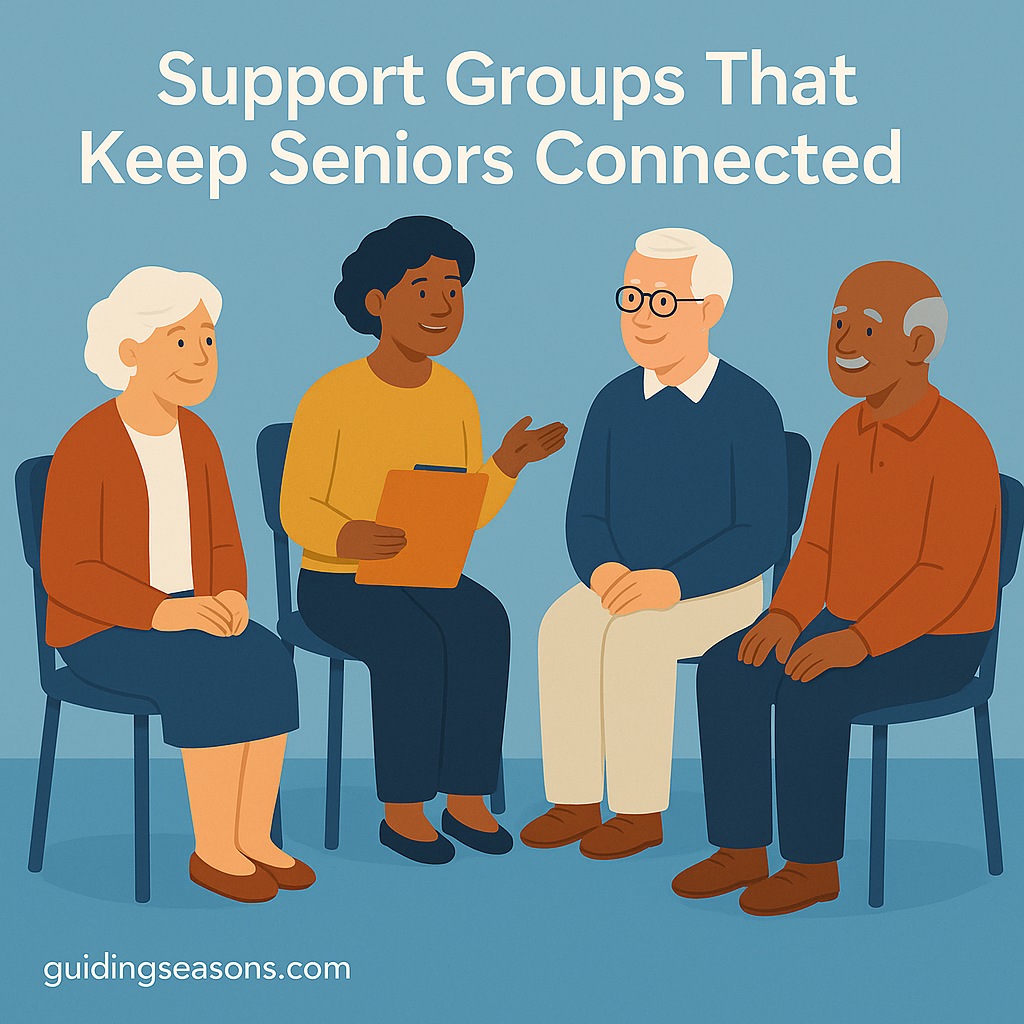
Support Groups That Keep Seniors Connected

Group of seniors sitting in a circle during a guided wellness or social support session, led by a facilitator, with the title “Support Groups That Keep Seniors Connected” displayed above
Seniors participate in a guided support session, highlighting community groups that help older adults stay socially connected.

Staying socially connected is an important part of healthy aging. As routines change, friends or family members move away, mobility becomes more difficult, or a spouse or longtime companion passes away, it can become harder to maintain the social connections that once came naturally.

Support groups and community groups can help fill that gap. They provide places where older adults can meet people, share experiences, participate in meaningful activities, learn new skills, and simply have someone to talk with on a regular basis.

These connections can have benefits beyond companionship. According to the National Institute on Aging (NIA), loneliness and social isolation are associated with increased risks for several physical and mental health problems. The NIA also reports that about 1 in 4 adults age 65 and older are socially isolated, highlighting how common this challenge can be.

Fortunately, there are many ways for seniors to build and maintain supportive relationships. The right choice depends on your interests, health, transportation, personality, and the type of connection you’re looking for.

Continue reading “Support Groups That Keep Seniors Connected”