How to Manage Stress and Anxiety Later in Life

Four older adults practicing calming activities—meditation, breathing, reading, and relaxation—illustrated to represent managing stress and anxiety later in life.
Seniors engaging in peaceful activities that support stress and anxiety management later in life.

Stress and anxiety don’t disappear with age. In fact, major life changes—retirement, health concerns, family shifts, or loss—can bring new emotional challenges. The good news is that seniors can build strong, effective habits that support emotional resilience and peace of mind. With the right strategies, you can feel calmer, more grounded, and more in control of your daily life.

Here’s a gentle, senior-friendly guide to managing stress and anxiety later in life.

Continue reading “How to Manage Stress and Anxiety Later in Life”

How to Protect Your Joints From Wear and Tear

Older woman holding her knee with joint pain illustrations around her, symbolizing ways to protect joints from wear and tear.
Older woman experiencing knee discomfort with icons representing joint protection tips.

Your joints support every move you make—walking, standing, bending, cooking, gardening, and even resting comfortably. As you age, it’s normal for joints to feel a little stiffer, but there’s a lot you can do to reduce wear and tear and keep your joints strong, flexible, and pain-free.

With simple daily habits, you can protect your joints and stay active and independent for many years to come.

Here’s a senior-friendly guide to caring for your joints at any age.

Continue reading “How to Protect Your Joints From Wear and Tear”

Hydration Tips Seniors Should Follow Daily

Group of older adults drinking water and holding hydration items to encourage daily fluid intake.
Older adults practicing healthy daily hydration habits.

Staying hydrated is essential for good health, but it becomes even more important as we age. Many seniors drink less water without realizing it—either because thirst decreases naturally or because daily routines change. Proper hydration supports your energy, digestion, heart health, joints, and mental clarity. With a few simple habits, you can stay hydrated every day and feel your best.

Here are practical hydration tips designed specifically for older adults.

Continue reading “Hydration Tips Seniors Should Follow Daily”

How to Boost Your Immune System as You Age

Group of older adults practicing healthy habits like hydration, sunlight, and mindfulness with an immunity shield icon above them.
Older adults strengthening their immune system through simple daily wellness habits.

A strong immune system is essential at any age, but it becomes especially important as we get older. Aging naturally affects how our body responds to illness, infection, and everyday stress. The good news? There are simple, effective ways to strengthen your immune system and support long-term health.

With a few consistent habits, you can boost resilience, improve energy, and help your body defend itself more effectively.

Continue reading “How to Boost Your Immune System as You Age”

How to Maintain a Healthy Weight in Retirement

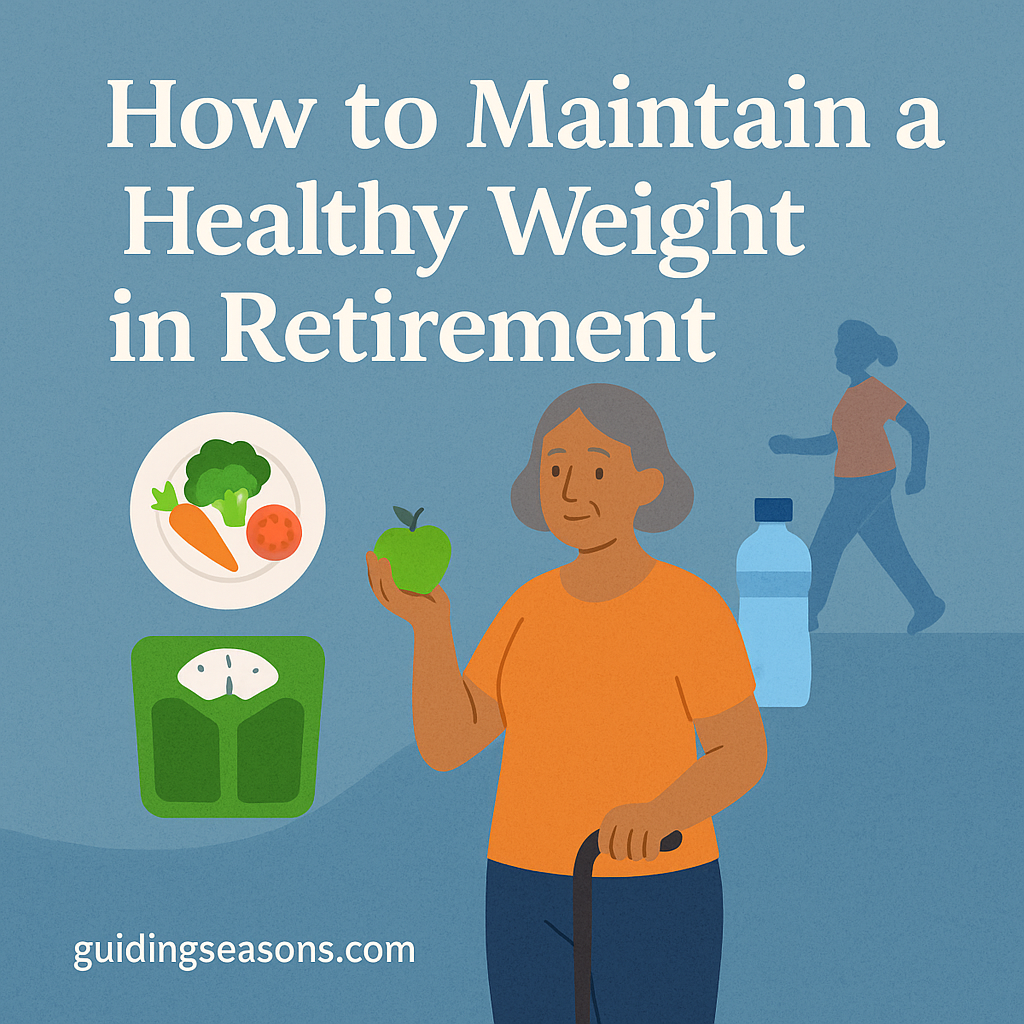
Older woman holding a green apple with icons of healthy food, exercise, and a water bottle around her.
Older woman focusing on healthy habits to maintain a healthy weight in retirement.

Retirement brings more freedom, more time—and often major changes to daily habits. Without work routines, commuting, or scheduled meals, it’s common for weight to fluctuate during this new stage of life. The good news? Maintaining a healthy weight in retirement doesn’t require strict dieting or intense workouts. It’s about balance, consistency, and lifestyle choices that support long-term well-being.

Here’s how to stay strong, energized, and healthy in your retirement years.

Continue reading “How to Maintain a Healthy Weight in Retirement”

How to Stay Motivated to Prioritize Health

Older woman writing in a notebook while sitting by a bright sunlit window.
Older woman journaling by a sunlit window to stay focused on her health goals.

Staying motivated to take care of your health gets harder as life changes. Energy levels shift, routines evolve, and long-term habits can feel tough to maintain. But staying healthy doesn’t require perfection—it simply requires staying engaged, consistent, and connected to why your health matters.

This guide shares simple, senior-friendly strategies to help you stay motivated and build health habits that last.

Continue reading “How to Stay Motivated to Prioritize Health”

How to Manage Chronic Pain Naturally

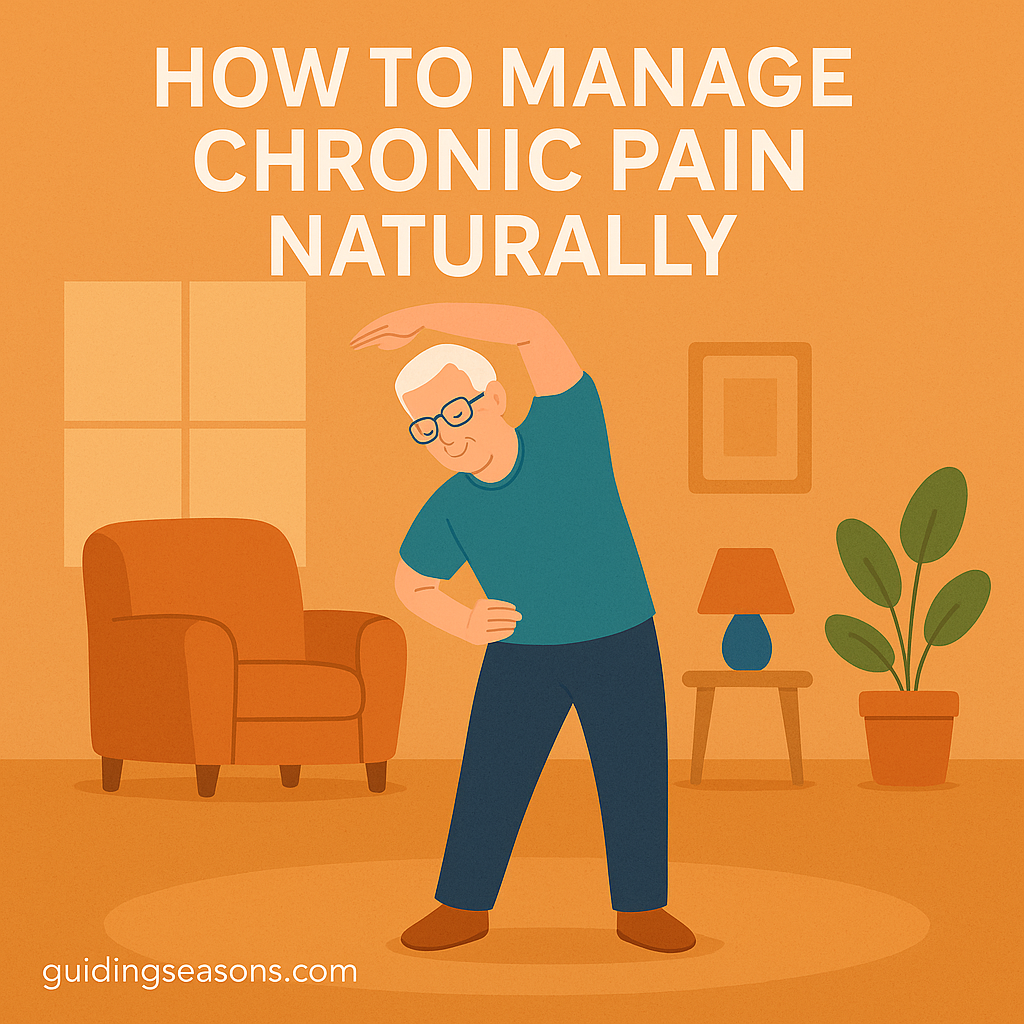
Older man doing a gentle side stretch in a warm, cozy living room to help manage chronic pain naturally, with the title “How to Manage Chronic Pain Naturally” above.
An older man practices light stretching at home to relieve chronic pain, shown in a calm and comforting environment.

Chronic pain can affect your energy, mobility, and daily comfort — but it doesn’t have to take over your life. Many older adults find relief through natural, non-invasive approaches that support the body’s healing process. While these methods don’t replace medical care, they can complement your existing treatments and help you feel more in control of your well-being.

Here are gentle, effective ways to manage chronic pain naturally and improve your daily comfort.

Continue reading “How to Manage Chronic Pain Naturally”

How to Improve Sleep Quality in Older Age

Older woman turning off a bedside lamp in a calm, softly lit bedroom at night, with the title “How to Improve Sleep Quality in Older Age” above
An older woman turns off her bedside lamp as she prepares for rest, illustrating simple habits that support better sleep quality in older age.

Good sleep is essential for staying healthy, energized, and emotionally balanced at any age — but many older adults find that getting quality rest becomes more challenging over time. Changes in sleep patterns, health conditions, medications, or stress can all affect how well you sleep. The encouraging news is that small adjustments in daily habits and sleep routines can make a big difference. With the right strategies, you can enjoy deeper, more refreshing sleep that supports your overall well-being.

Here are simple, senior-friendly ways to improve sleep quality in older age.

Continue reading “How to Improve Sleep Quality in Older Age”

Mindfulness Practices for Senior Mental Health

Older woman sitting cross-legged in a calm meditation pose with soft rays around her head and a plant beside her, with the title “Mindfulness Practices for Senior Mental Health” above and a guidingseasons.com watermark at the bottom.
An older woman practices mindful meditation, illustrating simple mindfulness techniques that support senior mental health.

Mindfulness is a gentle yet powerful way to support mental health, emotional balance, and overall well-being — especially in the later stages of life. With simple practices that help you stay present, reduce stress, and connect more deeply with your surroundings, mindfulness can bring comfort, clarity, and peace into everyday moments. You don’t need special tools or long meditation sessions to benefit. Small, consistent habits can make a meaningful difference.

Here are senior-friendly mindfulness practices that can help you feel calmer, lighter, and more centered.

Continue reading “Mindfulness Practices for Senior Mental Health”

How to Build a Safe Weekly Exercise Routine

Older woman walking outdoors in athletic clothing with the title “How to Build a Safe Weekly Exercise Routine” displayed above her, representing a safe and balanced senior exercise routine.
An older woman walks confidently outdoors, illustrating key steps in building a safe weekly exercise routine for seniors.

Staying active is one of the best things you can do for your health, especially as you age. But exercise doesn’t need to be intense or complicated to make a difference — consistency and safety matter far more than intensity. A well-planned weekly exercise routine helps improve strength, energy, mobility, balance, and confidence. With the right approach, you can enjoy the benefits of movement while avoiding strain or injury.

Here’s how to build a safe, balanced routine that supports long-term health and well-being.

Continue reading “How to Build a Safe Weekly Exercise Routine”