Living with chronic pain can affect nearly every part of daily life. It may make walking, sleeping, exercising, completing household tasks, or simply getting comfortable more difficult. Over time, persistent pain can also affect energy, mood, independence, and the activities you enjoy.
Although chronic pain sometimes requires medication or other medical treatment, medication is not the only tool available. A well-rounded pain-management plan may also include gentle physical activity, better sleep habits, relaxation techniques, physical therapy, heat or cold therapy, and certain complementary approaches.
The goal is not necessarily to eliminate every sensation of pain. For many people, a more realistic goal is to reduce discomfort, maintain mobility, improve function, and make everyday activities easier.
The National Center for Complementary and Integrative Health (NCCIH) reports that approaches including acupuncture, mindfulness meditation, massage, tai chi, and yoga may help with certain chronic pain conditions, although the strength of the evidence varies depending on both the treatment and the cause of the pain.
Here are practical ways to incorporate natural and non-drug strategies into a broader chronic pain management plan.
Start With Gentle, Regular Movement
When something hurts, avoiding movement can feel like the safest response. Rest may be appropriate during an injury or flare-up, but long periods of inactivity can sometimes contribute to stiffness, muscle weakness, and reduced mobility.
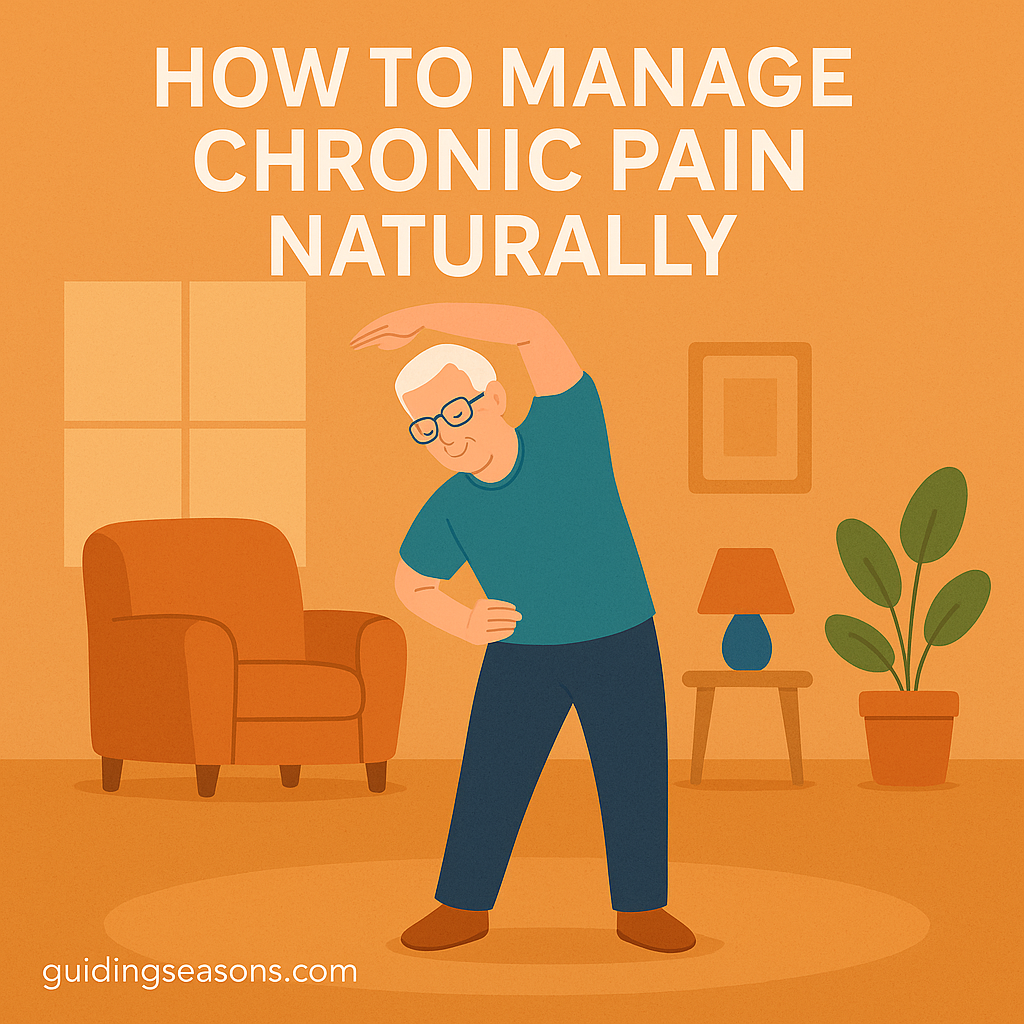
Gentle physical activity helps maintain strength and flexibility and can make everyday movement easier.
Depending on your health and mobility, suitable activities might include:
- Walking at a comfortable pace
- Water aerobics or swimming
- Chair exercises
- Gentle stretching
- Tai chi
- Modified yoga
- Light resistance exercises
You do not necessarily need a long workout to begin.
For example, someone who has become less active because of knee discomfort might start with a 10-minute walk in the morning and another 10-minute walk later in the day, rather than trying to complete a strenuous 45-minute workout all at once.
The right amount of exercise depends on your condition. A physical therapist or healthcare professional can help determine which activities are appropriate, particularly if you have significant arthritis, balance problems, osteoporosis, or another condition that affects safe movement.
Use Heat and Cold Strategically
Heat and cold are simple approaches that may provide temporary relief for some types of discomfort.
Heat is often soothing when muscles feel tight or joints feel stiff. Options include a warm shower, warm bath, heating pad, or warm compress.
Cold therapy may be useful for some painful areas, particularly when swelling is present. A reusable cold pack or a bag of ice wrapped in cloth can be used rather than applying ice directly to the skin.
Pay attention to how your body responds. More heat or colder temperatures are not necessarily better.
Older adults and people with reduced sensation, poor circulation, diabetes, or certain medical conditions should be especially cautious because they may be more susceptible to skin injury. Ask a healthcare professional whether heat or cold therapy is appropriate for you if you are uncertain.
Practice Relaxation and Mindfulness
Chronic pain is both a physical and emotional experience. Stress, anxiety, muscle tension, and poor sleep can influence how intensely pain is experienced.
That does not mean chronic pain is “all in your head.” Rather, the brain and nervous system play an important role in processing pain signals.
Relaxation practices may help reduce stress and make pain easier to cope with.
Consider trying:
- Slow, controlled breathing
- Mindfulness meditation
- Guided imagery
- Progressive muscle relaxation
- Calming music
- Gentle tai chi
- Meditation apps or recordings
A simple place to begin is with five minutes of quiet breathing. Sit comfortably, relax your shoulders, and breathe slowly without trying to force the pain away. The purpose is to help the body move from a state of tension toward relaxation.
Research summarized by NCCIH suggests that mindfulness-based stress reduction, tai chi, yoga, progressive relaxation, and similar mind-body practices may provide benefits for some chronic pain conditions, including chronic low-back pain.
Make Better Sleep a Priority
Pain can interfere with sleep, and poor sleep can make coping with pain more difficult the following day. This can create a frustrating cycle.
Building a predictable nighttime routine may improve sleep quality.
Helpful habits include:
- Going to bed and waking at similar times each day
- Keeping the bedroom dark, quiet, and comfortable
- Limiting caffeine later in the day
- Avoiding long periods on phones or tablets immediately before bed
- Using pillows to support painful joints or areas
- Creating a relaxing pre-bed routine
If pain regularly wakes you at night or prevents you from falling asleep, tell your healthcare provider. Persistent sleep problems may need to be addressed as part of your overall pain-management plan.
Eat a Balanced, Nutrient-Rich Diet
You may hear certain eating patterns described as “anti-inflammatory diets.” While nutrition is important for overall health, no individual food should be viewed as a cure for chronic pain.
Instead, focus on a balanced eating pattern built around minimally processed, nutrient-rich foods.
Good choices may include:
- Leafy green vegetables
- Berries and other fruits
- Beans and lentils
- Whole grains
- Nuts and seeds
- Olive oil
- Fish such as salmon or sardines
- A variety of colorful vegetables
Reducing heavily processed foods, excessive added sugar, and foods high in saturated fat can also improve the overall quality of your diet.
Healthy eating may additionally help with weight management. For people with certain joint problems, maintaining an appropriate body weight can reduce the mechanical load placed on weight-bearing joints such as the knees and hips.
Stay Hydrated
Water is essential for normal body function, including temperature regulation, digestion, and muscle function.
Keep water available throughout the day and drink regularly rather than waiting until you feel extremely thirsty. Some older adults experience a weaker thirst sensation, which can make adequate hydration easier to overlook.
Hydration should not be presented as a treatment for chronic pain itself, however. Drinking additional water is unlikely to cure arthritis or another underlying pain condition.
People who have been instructed to restrict fluids because of heart, kidney, or another medical condition should follow their healthcare provider’s recommendations rather than increasing fluid intake on their own.
Be Careful With Supplements Marketed for Pain
Supplements are frequently advertised as “natural” solutions for joint or muscle pain. Popular products include:
- Turmeric or curcumin
- Omega-3 fatty acids
- Ginger
- Magnesium
- Glucosamine
- Chondroitin
Evidence for these products varies considerably.
For example, NCCIH notes that natural does not automatically mean safe and that dietary supplements can cause side effects or interact with prescription and over-the-counter medications. It also notes that professional guidelines strongly recommend against glucosamine for osteoarthritis of the hand, hip, or knee, illustrating why it is important not to assume every popular supplement is effective.
Before taking a supplement for chronic pain, talk with your doctor or pharmacist. This is particularly important if you take blood thinners, heart medications, diabetes medications, or several prescription drugs.
Consider Physical Therapy
Physical therapy is one of the most practical non-drug options for people whose pain affects movement.
A physical therapist can assess how you walk, stand, bend, lift, or perform everyday activities and develop exercises around your specific limitations.
Therapy may focus on:
- Strength
- Flexibility
- Balance
- Range of motion
- Posture
- Walking mechanics
- Safe use of assistive devices
Physical therapy can also teach you how to modify activities rather than abandoning them completely.
For example, if standing for 30 minutes while preparing dinner increases back pain, a therapist might recommend changing your working height, alternating between sitting and standing, or dividing food preparation into shorter periods.
These small changes can make everyday tasks more manageable.
Explore Massage and Manual Therapies
Massage may temporarily reduce muscle tension and help some people relax.
Options range from gentle therapeutic massage to specific manual techniques performed by trained professionals.
It is important to match the technique to your health. Deep or aggressive massage is not appropriate for everyone, particularly people with fragile bones, certain vascular conditions, recent injuries, or other health concerns.
Evidence also differs by pain condition. NCCIH reports that massage may offer short-term benefits for some types of pain, but research is not strong enough to treat massage as a universal solution for chronic pain.
If you decide to try massage, look for a qualified professional and explain your health conditions and painful areas before treatment begins.
Consider Acupuncture
Acupuncture involves inserting very thin needles at specific locations on the body and is commonly used as a complementary treatment for pain.
Research suggests acupuncture may be useful for certain conditions, including some cases of chronic low-back or neck pain. However, results vary depending on the condition, and it should be considered one possible part of a broader treatment plan rather than a guaranteed solution.
If you want to try acupuncture, choose a properly trained and licensed practitioner who uses sterile needles. Ask your healthcare provider for guidance if you have concerns about whether acupuncture is appropriate for your medical situation.
Reduce Everyday Strain With Assistive Devices
Sometimes changing how you perform an activity can be as useful as changing the activity itself.
Assistive products may reduce stress on painful muscles or joints and help you remain independent.
Depending on your needs, these might include:
- A properly fitted cane or walker
- Supportive footwear
- Ergonomic seat cushions
- Shower grab bars
- Reachers or grabber tools
- Raised seating
- Jar-opening devices
- Braces recommended by a healthcare professional
Proper fit matters. A cane that is too high or too low, for example, may alter posture and walking mechanics rather than helping.
An occupational or physical therapist can recommend equipment and teach you how to use it safely.
Learn to Pace Your Activities
One of the most useful chronic pain skills is pacing.
People often do too much on a relatively good day because they finally feel capable of catching up on chores, errands, gardening, or exercise. The extra activity may then contribute to increased discomfort later.
Instead, divide demanding activities into manageable pieces.
Suppose cleaning the entire house at once usually leads to several hours of increased discomfort. You might clean one room, rest or switch to a lighter activity, and complete another task later.
The objective is not inactivity. It is finding a sustainable level of activity that allows you to remain engaged without repeatedly pushing far beyond your current limits.
Keep Track of Your Pain Patterns
Chronic pain can fluctuate for many reasons, and patterns are not always obvious.
Consider keeping a simple pain journal for two weeks.
Record:
- Pain level
- Location of pain
- Physical activity
- Sleep quality
- Stress
- Medications
- New exercises or therapies
- Activities that made symptoms better or worse
You may discover, for example, that your pain is consistently worse after prolonged sitting but improves after short walks. Or you may notice that poor sleep tends to precede difficult pain days.
A pain journal can also give your doctor or physical therapist more useful information than relying on memory alone.
Stay Socially Connected
Chronic pain can gradually reduce social activity. You may turn down invitations because sitting is uncomfortable, walking is difficult, or you worry that pain will interrupt the activity.
But long-term isolation can negatively affect emotional well-being.
Look for manageable ways to stay connected, such as:
- Visiting friends or family
- Joining a community group
- Taking a gentle exercise class
- Participating in a hobby group
- Attending a chronic pain support group
- Talking regularly with people you trust
Activities can also be modified. Instead of skipping a family outing completely, you might attend for an hour and leave before fatigue becomes overwhelming.
Maintaining meaningful relationships and enjoyable activities is an important part of living well with chronic pain.
When Chronic Pain Needs Medical Attention
Natural and non-drug approaches can complement medical treatment, but persistent pain deserves appropriate evaluation.
Contact a healthcare professional if pain is new, unexplained, becoming significantly worse, interfering with walking or daily activities, or no longer responding to your usual management strategies.
Seek prompt medical attention for pain accompanied by concerning symptoms such as significant weakness, loss of sensation, fever, unexplained swelling or redness, a serious fall or injury, chest pain, difficulty breathing, or sudden neurological symptoms.
A healthcare professional can help identify the cause of your pain and determine whether medication, physical therapy, imaging, specialist care, or another treatment is appropriate.
Final Thoughts
Managing chronic pain naturally is rarely about finding one miracle remedy. A better approach is often to combine several safe strategies that address different parts of daily life.
Gentle exercise may help maintain mobility. Better sleep can improve your ability to cope with discomfort. Mindfulness and relaxation can reduce stress and tension. Physical therapy can improve strength and movement, while practical changes around the home may reduce unnecessary strain.
Most importantly, pay attention to what actually helps you.
Start small. You might begin with 10 minutes of comfortable movement each day, improve one part of your bedtime routine, and keep a two-week pain journal. From there, you and your healthcare provider can evaluate what is working and gradually build a sustainable plan.
Chronic pain may be part of your life, but managing it effectively can help you protect your mobility, independence, comfort, and ability to participate in the activities that matter to you.
This article is for general educational purposes and is not a substitute for medical diagnosis or individualized treatment. Talk with a qualified healthcare professional before making significant changes to your pain-management plan, exercise routine, medications, or supplements.