Retirement is often described as a reward — time to rest, travel, and finally enjoy life on your own terms. But for many people, once the initial excitement fades, something unexpected shows up: a quiet sense of emptiness or loss of direction.
Without daily responsibilities, deadlines, or a professional identity, it’s common to wonder, “What now?” This feeling doesn’t mean you’ve failed at retirement. It means you’re entering a new season that requires intention, reflection, and adjustment.
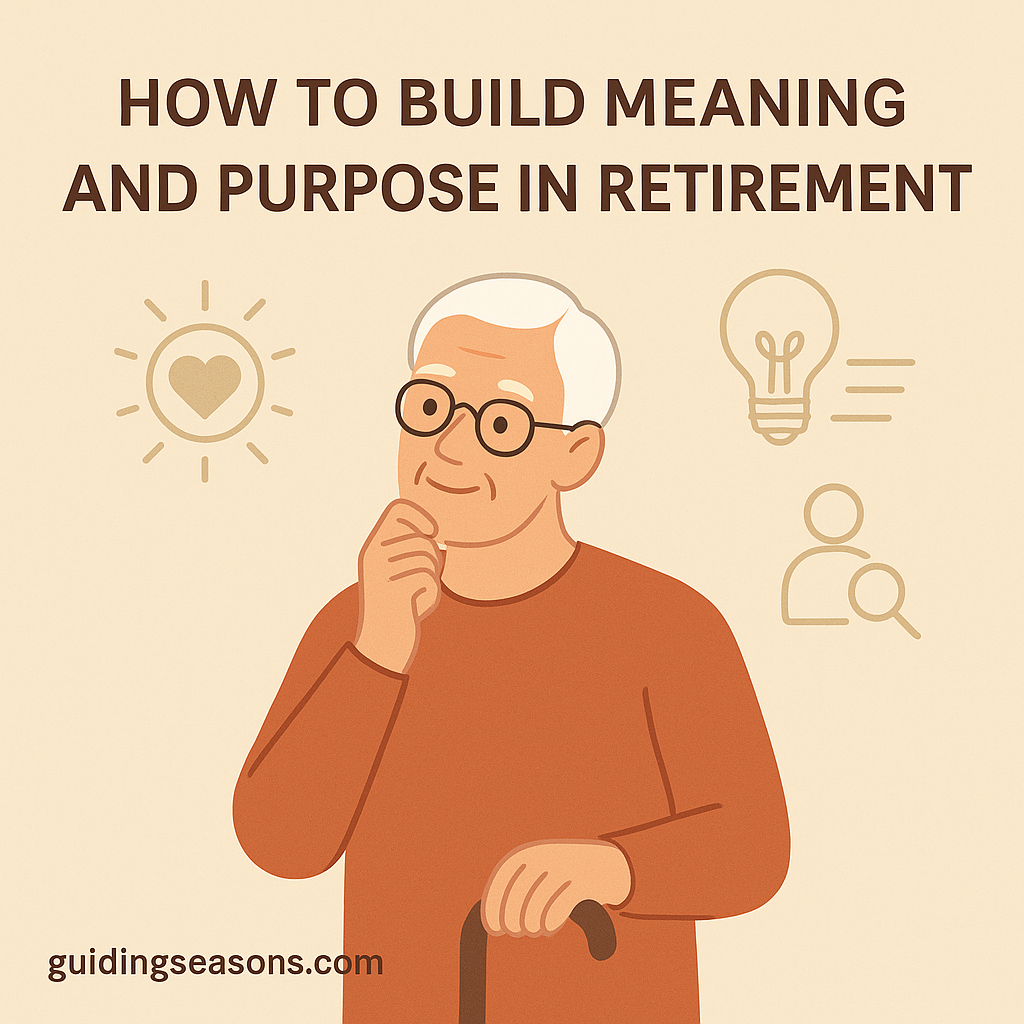
Meaning and purpose in retirement aren’t found overnight. They are built gradually, through choices that align with who you are now, not who you used to be.
Why Purpose Often Feels Different After Retirement
For decades, work often provides structure, validation, and a sense of contribution. Even if a job wasn’t fulfilling, it still offered routine and identity. When that ends, the space it leaves behind can feel unsettling.
In retirement:
- Days are less defined
- External expectations disappear
- Achievements are no longer measured the same way
This shift can create uncertainty, especially if your sense of worth was closely tied to productivity. Purpose in later life isn’t about replacing work — it’s about redefining what fulfillment looks like without constant pressure.
Common Mistakes People Make When Searching for Purpose
Many retirees struggle not because they lack options, but because they approach purpose in ways that don’t fit this stage of life.
Trying to stay “busy” instead of fulfilled
Filling time with endless activities can distract from emptiness but rarely creates meaning. Purpose comes from connection, contribution, and alignment — not packed schedules.
Comparing this season to earlier life
Expecting the same energy, motivation, or ambition you had decades ago can lead to frustration. Purpose evolves, just like you do.
Waiting for clarity instead of experimenting
Many people delay action until they “feel inspired.” In reality, purpose often appears after trying new things, not before.
Believing purpose must be big or impressive
Meaning doesn’t require large accomplishments. Small, consistent actions can feel deeply fulfilling.
How Purpose Evolves Over Time
Purpose in retirement often shifts from achievement to impact. Instead of asking, “What can I accomplish?” the question becomes, “What feels meaningful and life-giving now?”
For many, purpose shows up through:
- Mentorship or guidance
- Creative expression
- Community involvement
- Personal growth and reflection
- Deepening relationships
These forms of purpose may not come with titles or recognition, but they often bring a stronger sense of peace and satisfaction.
Practical Ways to Build Meaning in Retirement
Purpose isn’t something you discover once — it’s something you build gradually.
Reflect on what still energizes you
Pay attention to moments that leave you feeling calm, curious, or fulfilled. These clues are often more reliable than past ambitions.
Focus on contribution, not productivity
Helping, teaching, listening, or supporting others creates meaning without pressure. Contribution can be quiet and personal.
Allow your purpose to be flexible
What feels meaningful today may change. Giving yourself permission to evolve prevents disappointment and burnout.
Create gentle structure
Routines don’t limit freedom — they support it. Simple daily rhythms can bring stability and direction without rigidity.
Release outdated expectations
Let go of ideas about what retirement should look like. Purpose grows best when it reflects reality, not comparison.
When Lack of Purpose Starts to Affect Well-Being
Occasional uncertainty is normal. But if you notice persistent sadness, withdrawal, or a loss of motivation, it may be a sign that purpose needs more attention.
Warning signs include:
- Feeling disconnected or isolated
- Loss of interest in previously enjoyable activities
- Ongoing restlessness or boredom
- Questioning your value or relevance
These feelings don’t mean something is wrong with you — they’re signals inviting reflection, support, or change.
Related Guidance You May Find Helpful
You may also find these articles supportive as you navigate this transition:
- How to Connect With Your Inner Purpose
- How to Improve Your Daily Outlook
- How to Strengthen Your Inner Confidence
Exploring related areas often strengthens your overall sense of meaning.
A Final Thought
Building meaning and purpose in retirement isn’t about replacing what you’ve lost — it’s about honoring who you are becoming. This season offers space to live more intentionally, with less urgency and more authenticity.
Purpose doesn’t need to be loud or impressive. Often, it shows up quietly — in moments of connection, curiosity, and peace. Over time, those moments begin to shape a life that feels meaningful in its own unique way.