Retirement brings new freedom, a slower pace, and time for things you may have put off for years. But it can also bring emotional changes — shifts in identity, daily structure, relationships, and purpose. Supporting your emotional wellness during this stage of life is just as important as staying physically healthy.
The good news is that small, daily habits can make a big difference in how you feel. With the right tools and mindset, retirement can become a deeply fulfilling chapter filled with connection, peace, and joy.
Here’s how to support your emotional wellness in meaningful, practical ways.
Embrace a Routine That Gives Your Day Structure
Many people are surprised by how much they miss the structure of a workday. A simple daily routine helps create consistency and purpose.
Try including:
- A regular wake-up time
- A morning ritual you enjoy
- Gentle exercise or stretching
- Time outdoors
- A set time for hobbies or calls with friends
Structure doesn’t need to be rigid — it should feel comforting and predictable.
Stay Connected With People Who Lift You Up
Social connection is one of the strongest predictors of emotional wellness.
Consider:
- Weekly calls or video chats
- Coffee dates with friends
- Joining clubs or senior groups
- Attending classes or workshops
- Making time to visit loved ones
Talking to people who make you smile reduces loneliness and boosts mood.
Explore New Hobbies or Creative Outlets
Retirement opens the door to activities you may not have had time for before.
Try:
- Painting
- Gardening
- Writing
- Photography
- Knitting or quilting
- Learning an instrument
- Joining a walking or bird-watching group
Creative activities stimulate the mind and bring joy to daily life.
Stay Physically Active
Physical activity doesn’t just benefit the body — it significantly improves emotional wellness.
Gentle senior-friendly options:
- Walking
- Tai chi
- Stretching
- Swimming
- Low-impact aerobics
- Yoga
Movement helps reduce anxiety, improve sleep, and increase energy.
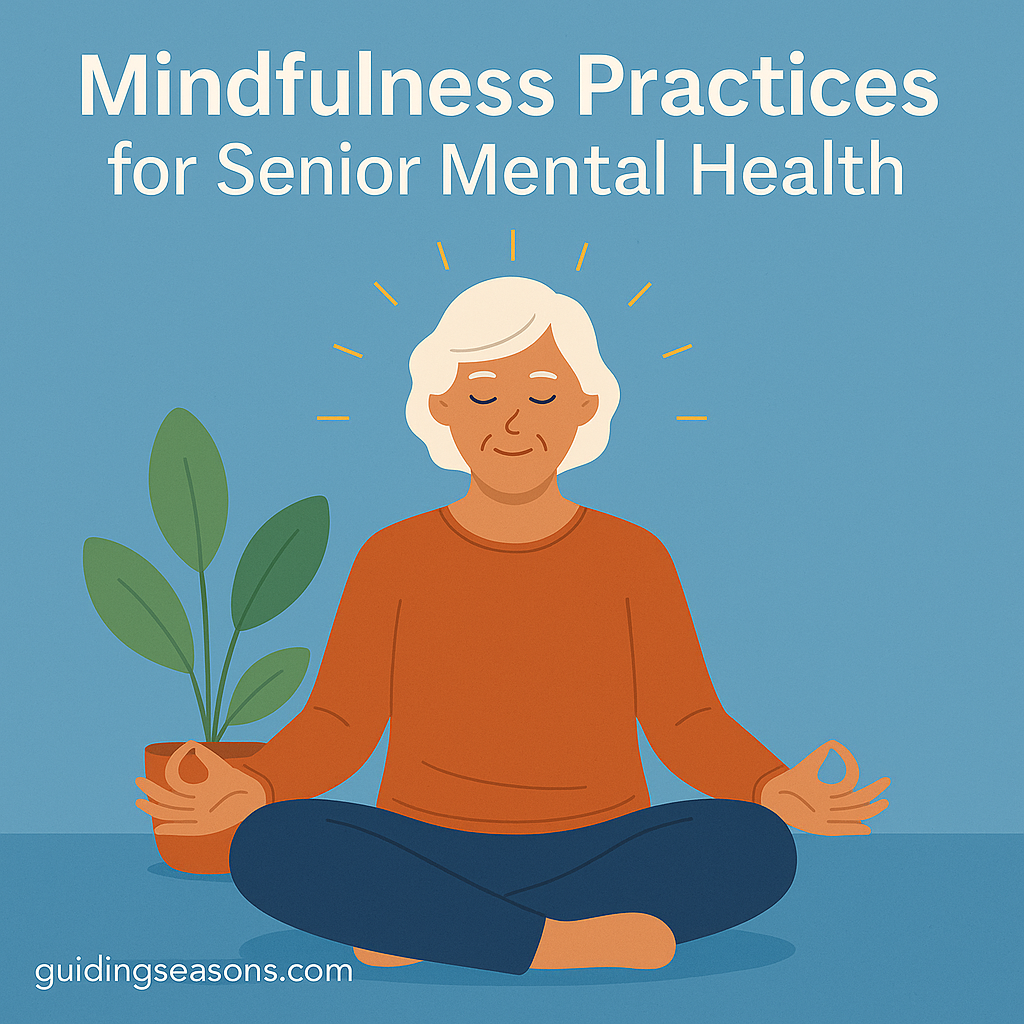
Practice Mindfulness and Relaxation
Mindfulness helps calm the mind and bring peace to your day.
Easy mindfulness practices:
- Controlled deep breathing
- Guided meditation
- Quiet moments with soft music
- Noticing sights, sounds, and smells around you
- Slow, intentional movement
Even 1–2 minutes of mindfulness can shift your mood.
Establish a Sense of Purpose
Purpose looks different for everyone, especially in retirement.
You might find purpose in:
- Volunteering
- Caring for grandchildren
- Mentoring younger people
- Starting a new project
- Helping in your community
- Practicing your faith, spirituality, or meditation
Purpose gives your days meaning and direction.
Limit Sources of Stress and Negativity
Daily well-being also depends on what you avoid.
Try reducing:
- Excessive news consumption
- Draining conversations
- Overcommitting yourself
- Cluttered spaces
- Negative self-talk
Protecting your emotional energy is an act of self-care.
Spend Time in Nature
Being outdoors has been shown to reduce stress and improve mood.
Try:
- A peaceful walk
- Sitting on your porch
- Light gardening
- Visiting a local park
- Watching birds or wildlife
Nature offers quiet moments that soothe the mind.
Practice Gratitude and Positive Reflection
Gratitude shifts your focus from what’s missing to what’s meaningful.
Simple practices:
- Write down 1–3 things you’re thankful for
- Reflect on something that went well today
- Share gratitude with a loved one
- Keep a small “joy journal”
These reflections can improve your overall outlook.
Seek Professional Support When Needed
There is no shame in asking for help. Emotional wellness is a lifelong journey.
Consider speaking with:
- A therapist
- A counselor
- A support group
- Your doctor
Professional guidance can give you tools to navigate big emotions or challenges.
Be Kind to Yourself Through Changes
Retirement often involves transitions — new routines, new roles, and sometimes grief or adjustment. Give yourself patience and grace.
Remember:
- You’re allowed to rest
- You’re allowed to take things slowly
- You’re allowed to change your mind
- You’re allowed to ask for support
Self-kindness strengthens resilience.
Final Thoughts
Emotional wellness in retirement isn’t about having perfect days — it’s about creating a life filled with connection, meaning, calm, and joy. With supportive routines, meaningful relationships, new hobbies, mindfulness, and self-compassion, you can nurture a fulfilling emotional life that enhances your retirement years.
You’ve earned this chapter. With the right emotional support, it can be one of the most rewarding ones yet.