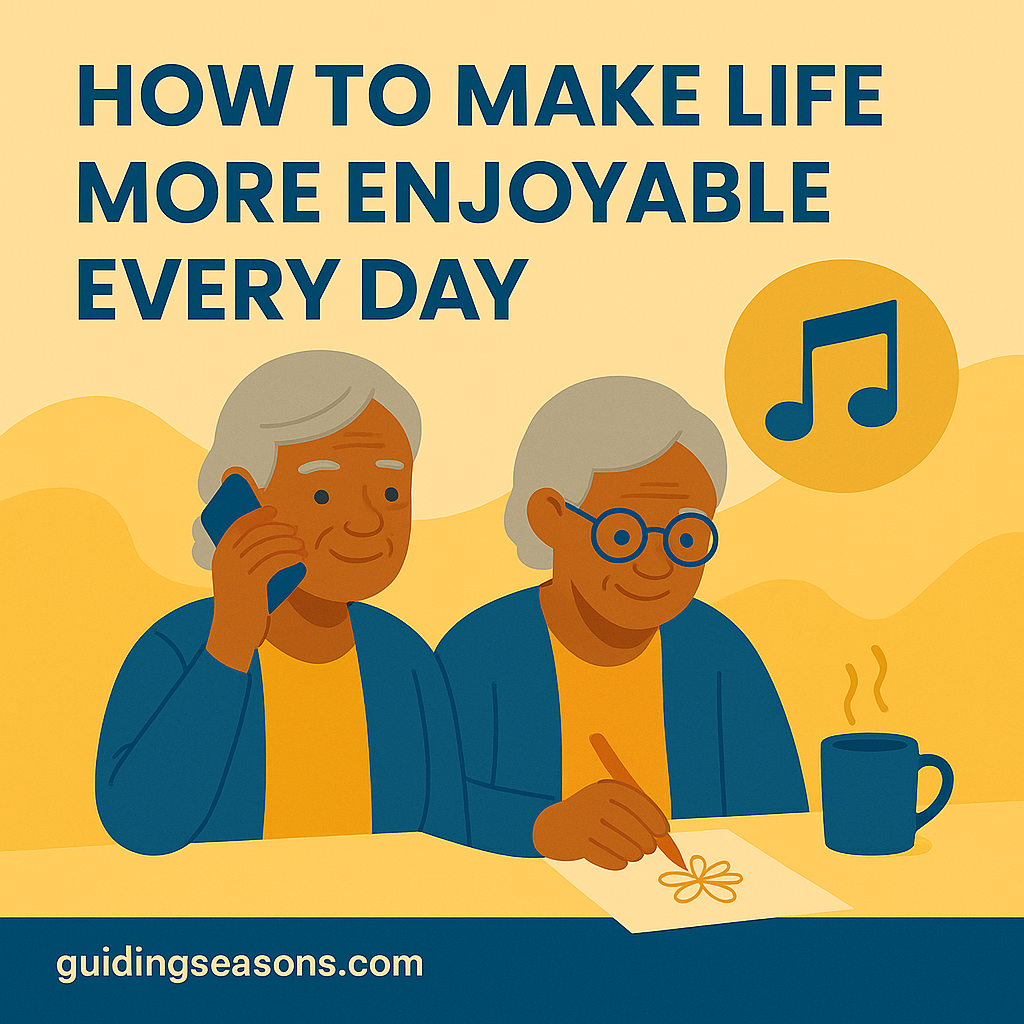
Enjoying life doesn’t require big adventures, expensive purchases, or perfect circumstances. Often, enjoyment grows from small, meaningful moments woven into your everyday routine.
As you move into retirement or simply a new chapter of life, you may have an opportunity to reconsider how you spend your time. Some routines that once revolved around work, raising children, or other responsibilities may change, leaving more room to focus on relationships, hobbies, relaxation, learning, and the things that make your days feel meaningful.
Making life more enjoyable each day is about noticing what matters, adding simple pleasures to your routine, staying connected with others, and creating habits that support your overall well-being.
You don’t need to change everything at once. A few small adjustments can make an ordinary day feel richer and more satisfying.
Here are simple, practical ways to bring more enjoyment into everyday life.
Start Your Day With Something You Love
Your morning can influence the rhythm of the rest of your day. Instead of immediately focusing on chores, appointments, news, or responsibilities, try beginning with something you genuinely enjoy.
That might be:
- A warm cup of coffee or tea
- Gentle stretching
- A short walk
- Quiet journaling
- Listening to your favorite music
- Sitting outside for a few minutes
- Reading a chapter of a book
- Enjoying breakfast without rushing
You don’t need an elaborate morning routine. Even 10 or 15 minutes devoted to something pleasant can give you something to look forward to when you wake up.
Consider keeping the first part of your morning relatively simple. Open the curtains, make your favorite drink, sit somewhere comfortable, and decide what would make the day feel worthwhile.
Some days that might mean completing a project. Other days it could simply mean calling a friend and enjoying a good book.
Get Outside Regularly
You don’t need to hike through the wilderness to enjoy the outdoors.
Simply stepping outside can provide a change of scenery and an opportunity to move, observe your surroundings, or take a break from indoor routines.
Spend time outdoors by:
- Sitting on your porch, patio, or balcony
- Taking a short walk
- Visiting a local park
- Watering plants or tending a garden
- Watching birds
- Eating lunch outside
- Visiting a botanical garden
- Walking with a friend
Instead of treating outdoor time as another task you must accomplish, find a version you actually enjoy.
Someone who dislikes walking for exercise might enjoy photographing flowers in a park. Another person might prefer gardening, feeding birds, or simply sitting outside with morning coffee.
Choose activities appropriate for your mobility, the weather, and your personal health needs.
Stay Connected With People Who Lift You Up
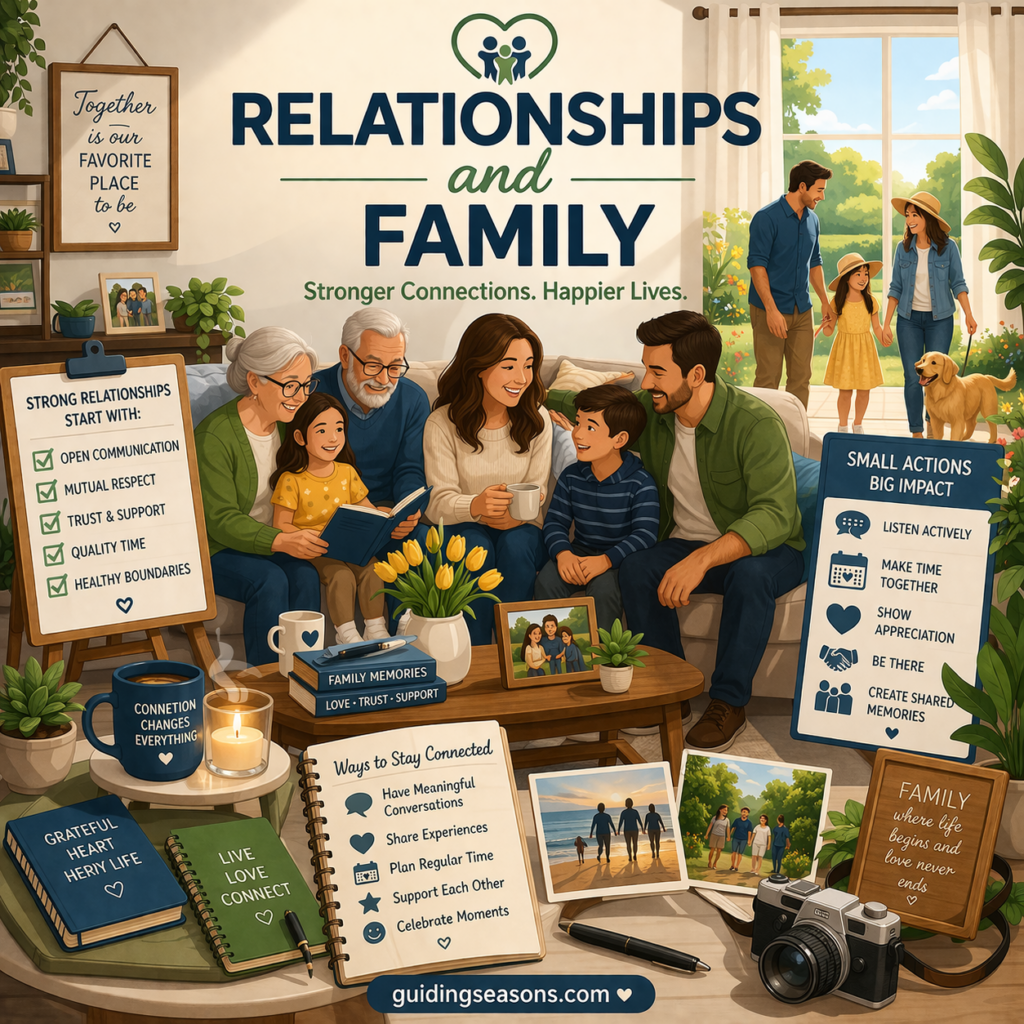
Meaningful relationships can become especially important as routines change with age.
Retirement, relocation, the loss of friends or loved ones, and changes in mobility can sometimes reduce the amount of everyday social interaction a person experiences. Staying connected may therefore require a little more intention than it once did.
The National Council on Aging (NCOA) emphasizes that meaningful connections with friends, family, and community can support well-being and quality of life as people age.
Stay connected by:
- Calling a friend
- Sending a quick message
- Having coffee with someone
- Planning a regular family meal
- Attending a community event
- Joining a hobby group
- Volunteering
- Taking a class
- Getting to know your neighbors
You don’t need a huge social circle. A few relationships that feel supportive and genuine can add a great deal to everyday life.
And don’t always wait for someone else to make the first move. If someone crosses your mind, consider calling or messaging them.
A simple “Would you like to grab coffee this week?” can sometimes restart a friendship that has become quiet.
Create Small Moments of Comfort
Comfort isn’t necessarily about luxury. Small comforts can make ordinary routines more pleasant.
Add simple touches such as:
- A cozy blanket
- Your favorite chair
- Soft lighting
- Fresh bedding
- Comfortable clothes
- A warm bath or shower
- Relaxing music
- Fresh flowers
- A favorite cup for your morning coffee
Think about the places where you spend the most time.
If you read every evening, create a comfortable reading area with a supportive chair, good lighting, your current book, and a blanket nearby.
If mornings are your favorite part of the day, make your breakfast area somewhere you enjoy sitting.
Small environmental changes can make routines you’ve performed thousands of times feel a little more special.
Do Something Creative
Creativity isn’t reserved for artists, musicians, or professional writers.
Making something simply because you enjoy the process can add variety and satisfaction to your day.
Try:
- Sketching or coloring
- Writing in a journal
- Writing family memories
- Playing an instrument
- Crafting or knitting
- Photography
- Woodworking
- Gardening
- Cooking a new recipe
- Decorating your home
- Working on a scrapbook
Don’t worry about whether you’re “good” at your chosen activity.
You don’t need to show anyone the photograph you took, publish the story you wrote, or display the painting you made.
The enjoyment can come from simply doing it.
Move Your Body in Ways That Feel Good
Physical activity doesn’t have to mean going to a gym or completing an exhausting workout.
Movement can be incorporated into activities you already enjoy.
Depending on your abilities and health, enjoyable movement might include:
- Dancing
- Stretching
- Walking
- Water exercise
- Yoga
- Tai chi
- Gardening
- Playing with grandchildren
- Walking a dog
The key is finding something you don’t dread.
If walking around the neighborhood feels boring, perhaps walking through a botanical garden or shopping district would be more interesting. If traditional exercise isn’t appealing, put on three favorite songs and move around your home for a few minutes.
If you have health or mobility concerns, choose activities appropriate for your circumstances and discuss significant changes in physical activity with your health care professional when necessary.
Keep Your Mind Curious and Engaged
Retirement doesn’t have to mean that learning stops.
In fact, having more control over your schedule can finally give you time to explore subjects you never had time for before.
Try:
- Reading
- Learning a new hobby
- Taking an online or community class
- Doing puzzles
- Watching educational documentaries
- Learning another language
- Exploring local history
- Learning to use new technology
- Visiting museums
- Attending lectures
- Trying a new recipe or skill
You don’t need to become an expert.
Maybe you’ve always wondered about astronomy. Spend a month learning the names of a few constellations.
Perhaps you’ve always admired photography. Learn how to use the camera settings on your phone.
Curiosity gives you reasons to look forward to tomorrow.
Give Yourself Something to Anticipate
Enjoyment doesn’t only come from the activity itself. Looking forward to something can be part of the pleasure.
Put small enjoyable activities on your calendar alongside appointments and responsibilities.
For example:
Tuesday: Coffee with a friend
Thursday: Visit the library
Saturday: Try a new restaurant or recipe
Sunday: Call family and watch a favorite movie
These don’t need to be expensive outings.
You might look forward to visiting a farmers market, watching a baseball game on television, starting a new book, or taking an afternoon drive.
Having something enjoyable on the horizon can give structure and variety to your week.
Practice Mindfulness and Enjoy Slower Moments
Not every moment needs to be productive.
Sometimes enjoyment comes from slowing down enough to notice what is already happening around you.
Try:
- Sitting quietly with your morning coffee
- Watching birds outside your window
- Listening closely to a favorite song
- Paying attention to your breathing
- Watching the sunset
- Savoring a meal instead of rushing through it
- Sitting in the garden without checking your phone
Mindfulness doesn’t have to involve a formal meditation practice.
It can simply mean giving your full attention to something you’re already doing.
Instead of drinking your coffee while scrolling through your phone, spend a few minutes actually tasting it, noticing the morning light, and thinking about the day ahead.
Ordinary moments become easier to appreciate when you’re present enough to notice them.
Do One Small Thing Just for You
It’s easy to spend years prioritizing work, family, household responsibilities, and other people’s needs.
Making room for yourself isn’t selfish. Personal time can simply be part of a balanced life.
This could mean:
- Saying “no” to an unnecessary commitment
- Taking an afternoon nap
- Watching your favorite show
- Reading without feeling guilty
- Enjoying a favorite snack
- Spending extra time on a hobby
- Taking a quiet afternoon to yourself
Ask yourself occasionally: What would I enjoy doing today if I didn’t feel obligated to be productive?
The answer might be surprisingly simple.
Simplify Your Space and Routines
Sometimes life becomes more enjoyable when everyday tasks become easier.
You don’t have to completely reorganize your home.
Start small.
Try:
- Decluttering one drawer
- Preparing clothes or supplies the night before
- Keeping frequently used items within reach
- Organizing your favorite spaces
- Breaking large chores into smaller steps
- Creating simple routines for repetitive tasks
- Letting go of possessions you no longer need
For example, instead of deciding to “organize the entire house,” spend 15 minutes clearing one kitchen counter.
That’s manageable.
Tomorrow, you can tackle something else—or do nothing at all.
The goal is not to create a perfect home. It’s to reduce unnecessary frustration so you have more time and energy for things you enjoy.
Find Ways to Be Useful to Others
Enjoyment can also come from feeling that your time and experience matter.
That might mean helping family, mentoring someone younger, volunteering, checking on a neighbor, caring for a pet, or sharing a skill you’ve developed over many years.
AARP highlights social connection, purpose, community involvement, and volunteering as meaningful parts of staying engaged later in life.
Consider what you already know how to do.
Someone who spent decades working with numbers might volunteer to help with a community program. A retired tradesperson could teach a grandchild how to repair something. Someone who loves reading might volunteer with children or a library.
Purpose doesn’t have to come from a job title.
It can come from knowing that your presence or experience is useful to someone else.
Celebrate the Little Things
It’s easy to wait for major events before allowing yourself to feel accomplished or grateful.
But most of life consists of ordinary days.
Notice the small victories:
- A good meal
- A beautiful sunset
- Finishing a book
- Completing a household project
- A heartfelt conversation
- Learning something new
- Hearing a favorite song
- Making someone laugh
- Getting outside on a beautiful morning
You don’t have to turn every moment into a celebration.
Simply recognizing something pleasant can prevent a good moment from passing unnoticed.
Try a 30-Minute Daily Enjoyment Routine
If your days have begun to feel repetitive, create a small block of time devoted entirely to things you enjoy.
For example:
10 minutes: Go outside or take a short walk.
10 minutes: Call or message someone you care about.
10 minutes: Read, listen to music, work on a hobby, or enjoy another relaxing activity.
That’s just 30 minutes a day.
Over seven days, it adds up to 3½ hours each week intentionally devoted to movement, connection, relaxation, or enjoyment.
This isn’t a medical formula or a rule you need to follow. It’s simply an example of how small blocks of time can become meaningful when you use them intentionally.
Create your own version based on what you enjoy.
Give Yourself Permission to Have Different Kinds of Days
Not every day needs to be exciting.
Some days will be productive. Some will be social. Others may be quiet.
There may also be difficult days when you don’t feel particularly motivated or cheerful.
That’s part of life.
Rather than putting pressure on yourself to “make every day amazing,” aim for something more realistic: find one or two things that make an ordinary day a little better.
It might be a phone conversation, a good lunch, half an hour in the garden, or an old movie you’ve always loved.
Small pleasures still count.
End the Day by Noticing What Went Well
Before going to sleep, take a moment to think about something you appreciated during the day.
You could:
- Write down three things you enjoyed
- Remember something that made you smile
- Think about someone you’re grateful for
- Write down one thing you’re looking forward to tomorrow
- Reflect on something you accomplished
These don’t have to be profound.
Your list might simply say:
“Had a good cup of coffee.”
“Talked to my daughter.”
“The weather was beautiful.”
The point isn’t to pretend that difficult things didn’t happen. It’s simply to make sure the pleasant parts of your day receive some attention too.
Final Thoughts
Making life more enjoyable isn’t about constantly chasing happiness or filling every hour with activities.
It’s about building a life that contains things you genuinely value: meaningful relationships, comfortable routines, curiosity, movement, creativity, relaxation, purpose, and simple pleasures.
Start small.
Call someone you haven’t spoken to recently. Spend 15 minutes outside. Cook something you enjoy. Pick up an old hobby. Put something fun on next week’s calendar. Sit somewhere comfortable and listen to a favorite album from beginning to end.
Your days don’t need to look exciting to anyone else.
What matters is that they contain moments that feel meaningful and enjoyable to you.
A satisfying life is rarely created through one dramatic change. More often, it grows from hundreds of small choices about how you spend your mornings, who you spend time with, what you pay attention to, and what you give yourself permission to enjoy.
Choose one small thing today.
Tomorrow, choose another.