Aging brings change, but change doesn’t have to mean giving up your strength, independence, curiosity, or confidence. While your body and mind may work differently than they did years ago, there are many practical ways to support your health and continue doing the things that matter to you.
Strength in older age isn’t simply about how much weight you can lift or how far you can walk. It can mean having the mobility to move around your home safely, the confidence to try something new, the resilience to adapt when circumstances change, and the social connections that make everyday life meaningful.
Confidence can grow from those same everyday accomplishments.
The goal isn’t to deny the realities of aging or compare yourself with a younger version of yourself. Instead, focus on supporting the abilities you have today while making choices that can help protect your health and independence in the years ahead.
Here are practical ways to build a foundation for aging with strength and confidence.
Focus on What Your Body Can Do
It’s natural to notice physical changes as you get older. Perhaps you don’t move quite as quickly, need more recovery time after activity, or find certain tasks more challenging than they once were.
Those changes can be frustrating, but focusing exclusively on limitations can make it easy to overlook everything your body still allows you to do.
Celebrate everyday abilities such as:
- Walking independently
- Getting up from a chair
- Carrying groceries
- Preparing meals
- Doing household tasks
- Gardening
- Playing with grandchildren
- Taking care of a pet
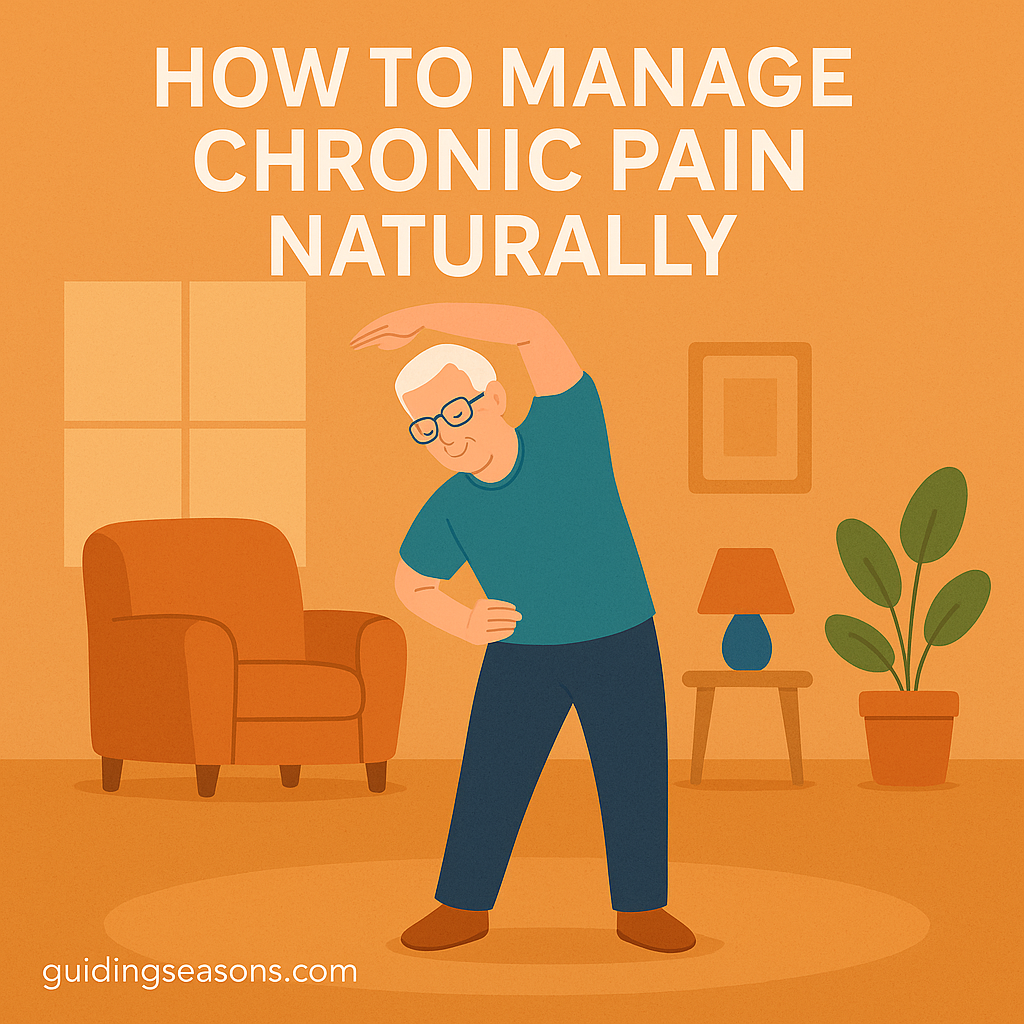
- Stretching and moving comfortably
- Participating in hobbies you enjoy
Functional strength matters.
Being able to carry a grocery bag from your car to your kitchen may be more relevant to everyday independence than achieving a particular number at the gym.
Instead of comparing yourself with what you could do 20 years ago, consider comparing today’s abilities with where you were several months ago.
Progress can be surprisingly motivating when you measure it that way.
Build a Gentle, Consistent Exercise Routine
Regular physical activity is one of the most useful habits for supporting healthy aging.
Exercise can help maintain muscle strength, mobility, balance, cardiovascular health, and the ability to perform everyday activities.
You don’t necessarily need intense workouts.
Consider activities such as:
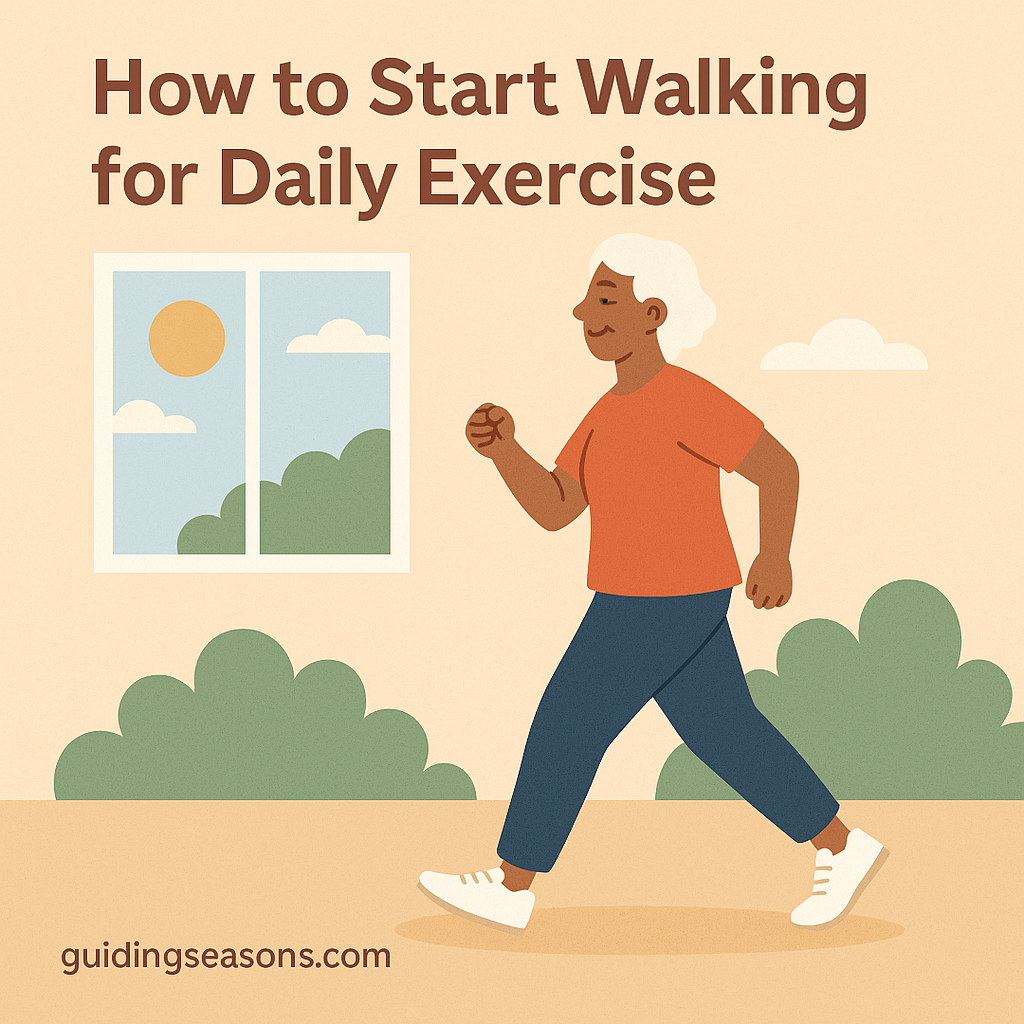
- Walking
- Light strength training
- Resistance-band exercises
- Balance exercises
- Chair exercises
- Tai chi
- Swimming
- Water aerobics
- Yoga
- Gardening
If you’re currently inactive, start at a level that feels manageable.
For example, instead of deciding that you suddenly need to exercise for an hour every day, you might begin with a 10-minute walk five days per week. That’s 50 minutes of intentional movement each week.
Once that feels comfortable, you could gradually add time or another type of activity.
The National Council on Aging (NCOA) provides additional information about the benefits of physical activity for older adults, including its role in maintaining strength, balance, and independence.
If you have significant mobility limitations, cardiovascular concerns, chronic pain, or another health condition that affects exercise, ask your healthcare provider about activities appropriate for you.
Prioritize Strength, Balance, and Stability
Maintaining strength is about much more than appearance.
Your muscles help you get out of chairs, climb stairs, carry groceries, open doors, maintain your posture, and recover your balance when you stumble.
Balance deserves particular attention because falls can have serious consequences for older adults.
Helpful exercises may include:
- Supported single-leg standing
- Heel-to-toe walking
- Side leg raises
- Chair stands
- Wall push-ups
- Resistance-band rows
- Gentle hip and ankle mobility exercises
- Tai chi
Always make safety the priority.
If you’re practicing balance exercises, stand near a sturdy countertop or other stable surface that you can hold if necessary.
If you’ve fallen recently, frequently feel unsteady, or experience dizziness, discuss those symptoms with a healthcare professional before attempting challenging balance exercises on your own.
Confidence doesn’t come from ignoring risk. It comes from preparing for it appropriately.
Fuel Yourself With Nutritious Foods
Your nutritional needs remain important as you get older.
A balanced eating pattern can provide energy for everyday activities while supporting muscles, bones, cardiovascular health, and overall well-being.
Build meals around foods such as:
- Vegetables
- Fruits
- Beans and lentils
- Fish
- Poultry
- Eggs
- Whole grains
- Nuts and seeds
- Healthy oils
- Other nutrient-dense foods appropriate for your health
Protein is particularly important for maintaining muscle, but individual nutritional needs vary.
Hydration matters too. Make drinking fluids part of your normal routine rather than waiting until you’re extremely thirsty.
If you have diabetes, kidney disease, heart disease, swallowing difficulties, digestive problems, or other conditions that affect what you should eat or drink, follow guidance from your healthcare provider or registered dietitian.
Healthy eating isn’t about following a perfect diet. It’s about creating an eating pattern you can realistically maintain.
Keep Up With Preventive Healthcare
Confidence often comes from understanding what’s happening with your health rather than avoiding it.
Routine preventive care can identify certain problems before they become more difficult to manage.
Depending on your age, health history, medications, and individual risk factors, your healthcare team may recommend different screenings and appointments.
These may include:
- Routine medical visits
- Blood pressure checks
- Vision exams
- Hearing evaluations
- Dental care
- Medication reviews
- Vaccinations
- Bone-health evaluations
- Recommended cancer screenings
Rather than relying on a generic checklist, ask your healthcare provider which screenings are appropriate for you.
Medicare beneficiaries can also review current information about covered screenings, preventive services, vaccines, and wellness visits directly through Medicare.gov.
Consider keeping a simple health folder—paper or digital—with your medication list, healthcare providers, recent test results, allergies, and questions for your next appointment.
Being organized can make healthcare decisions feel less overwhelming.
Protect Your Vision and Hearing
Vision and hearing play important roles in independence, communication, and safety.
Changes can happen gradually, which means you might not immediately notice how much you’ve been compensating.
Pay attention if you begin:
- Turning up the television significantly louder
- Asking people to repeat themselves frequently
- Having difficulty following conversations
- Struggling to read familiar print
- Avoiding nighttime driving because of glare
- Feeling less steady in unfamiliar environments
Don’t view glasses, hearing aids, or other assistive devices as signs of weakness.
If a tool helps you communicate, move safely, or participate more fully in everyday life, using it can support independence.
Stay Mentally Active and Curious
Retirement and older age don’t mean learning has to stop.
Curiosity can provide stimulation, enjoyment, and a sense of progress.
Try:
- Reading books
- Learning to use new technology
- Studying another language
- Taking an online or community class
- Playing strategy games
- Doing puzzles
- Writing
- Learning photography
- Exploring music
- Researching family history
- Trying a new recipe
Don’t feel pressured to turn every hobby into a mental workout.
Enjoyment itself matters.
Learning something because it fascinates you gives your mind a reason to stay engaged and provides something positive to anticipate.
Strengthen Your Emotional Well-Being
Physical strength is only one part of aging well.
You may also encounter retirement transitions, changing relationships, caregiving responsibilities, health concerns, financial worries, or grief.
Emotional resilience doesn’t mean never feeling sad, frustrated, worried, or uncertain. It means having healthy ways to respond when those feelings occur.
Helpful practices may include:
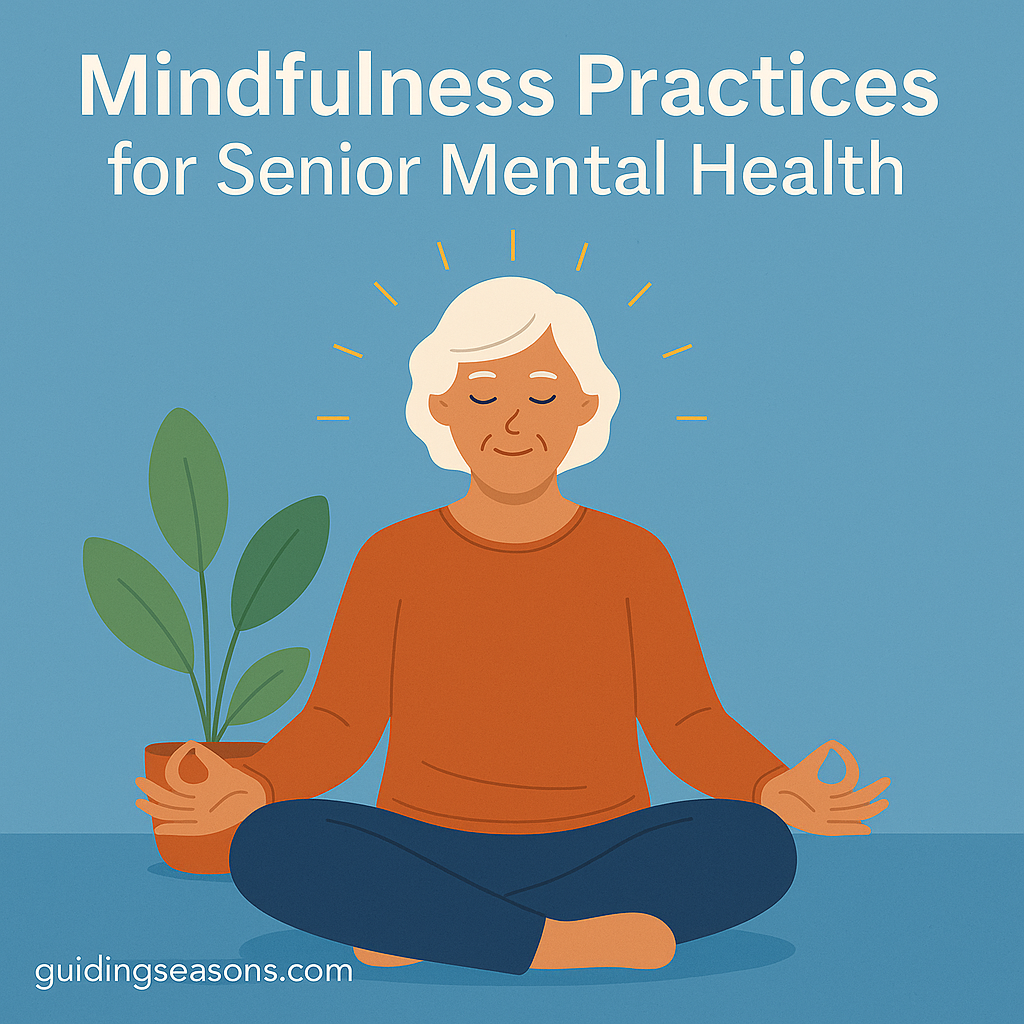
- Mindfulness
- Slow breathing
- Journaling
- Gratitude
- Spending time outdoors
- Talking with people you trust
- Maintaining enjoyable routines
- Seeking professional support when needed
If sadness, anxiety, hopelessness, or loss of interest persists and interferes with everyday life, talk with your healthcare provider or a mental health professional.
Emotional health deserves the same attention as physical health.
Maintain Social Connections
Relationships contribute to a sense of belonging and purpose.
However, social circles can change over time. Retirement may reduce daily interaction with coworkers, while relocation, health changes, or the loss of loved ones can also affect your social life.
That makes maintaining connections intentionally even more important.
Stay connected through:
- Phone or video calls
- Meals with friends
- Regular family visits
- Community activities
- Volunteering
- Faith communities
- Exercise classes
- Hobby groups
- Local clubs
- Neighborhood gatherings
You don’t need dozens of friends or a packed social calendar.
Focus on relationships that feel supportive and meaningful.
If you’ve become isolated, try adding one recurring social activity to your week. Familiarity often develops gradually when you see the same people regularly.
Embrace Adaptation Instead of Fighting It
One of the most useful skills in healthy aging is adaptation.
You may eventually need to change the way you perform certain activities. That doesn’t necessarily mean giving them up.
Adaptation might mean:
- Using a cane or walker when recommended
- Installing grab bars
- Using brighter lighting
- Switching to a lower-impact exercise
- Sitting while preparing food
- Using larger text on your phone
- Wearing hearing aids
- Moving frequently used items to easier-to-reach locations
- Asking for assistance with particularly difficult tasks
Imagine that gardening becomes uncomfortable because kneeling is difficult.
Stopping gardening completely is one option—but it isn’t the only one. Raised garden beds, containers, long-handled tools, or a gardening stool might allow you to continue an activity you love.
That’s adaptation.
Using a tool to maintain your independence isn’t giving up. In many situations, it’s exactly what allows you to keep going.
Make Your Home Support Your Independence
Confidence can also come from knowing that your surroundings are designed to work with you rather than against you.
Walk through your home occasionally and look for small obstacles.
Consider:
- Improving lighting in hallways
- Removing loose rugs
- Keeping walkways clear
- Installing handrails where appropriate
- Keeping commonly used objects within comfortable reach
- Using nonslip surfaces in bathrooms
- Keeping a phone within easy reach
- Organizing medications clearly
You don’t have to wait until you’ve fallen or experienced an injury before making changes.
Small improvements today can make everyday activities easier tomorrow.
Celebrate Your Wisdom and Life Experience
Aging isn’t simply a collection of physical changes.
It’s also an accumulation of experience.
Think about everything you’ve learned through work, relationships, mistakes, successes, challenges, family responsibilities, and unexpected changes.
Reflect on:
- Difficult situations you’ve overcome
- Skills you’ve developed
- People you’ve helped
- Lessons you wish you’d known earlier
- Traditions you’ve maintained
- Knowledge you can share with others
Your experience may be especially valuable to younger people.
Mentoring, volunteering, teaching a skill, documenting family history, or simply spending time with grandchildren can provide opportunities to pass that experience forward.
Set Small, Meaningful Goals
Goals aren’t just for younger people or working professionals.
Having something to work toward can provide motivation and structure at any age.
The key is choosing goals that are meaningful and realistic for your circumstances.
You might aim to:
- Walk three times per week
- Finish a book each month
- Call a family member every Sunday
- Grow vegetables this season
- Attend an exercise class
- Complete a creative project
- Learn a new technology skill
- Improve your balance
- Organize family photographs
- Volunteer once per month
Make goals specific enough that you know when you’ve accomplished them.
Instead of saying, “I want to become more active,” you might decide, “I’ll walk for 15 minutes after breakfast on Monday, Wednesday, and Friday.”
That’s 45 minutes of planned activity each week, with a clear schedule you can actually follow.
You can always adjust the goal as your circumstances change.
Surround Yourself With Things That Support You
Your environment affects your habits and mood more than you may realize.
Make healthy and enjoyable choices easier by designing your surroundings accordingly.
You might:
- Keep walking shoes near the door
- Put a comfortable chair near a sunny window
- Keep books within easy reach
- Grow indoor or outdoor plants
- Create a dedicated space for hobbies
- Display photographs that make you happy
- Keep exercise equipment somewhere visible
- Play music you enjoy
Your home doesn’t have to look perfect.
It simply needs to support the life you want to live.
Avoid Comparing Your Aging Journey With Someone Else’s
Two people of the same age can have completely different health, mobility, finances, responsibilities, and life experiences.
Comparison can create unrealistic expectations.
A 72-year-old who runs several miles may be doing wonderfully. So might another 72-year-old who has worked hard through physical therapy to walk comfortably around the block.
Progress is personal.
Measure success by what improves your own quality of life.
Maybe you can climb the stairs more comfortably than three months ago. Perhaps you’re sleeping better, cooking more meals, attending a weekly class, or reconnecting with friends.
Those improvements count.
Ask for Help When You Need It
Independence doesn’t mean doing absolutely everything yourself.
In fact, knowing when to ask for help can protect your independence.
Accepting assistance with transportation, household repairs, medical appointments, technology, or physically demanding tasks may allow you to conserve your energy for activities that matter more.
The same principle applies to professional support.
Talk with a healthcare professional if you experience significant changes in mobility, memory, vision, hearing, mood, appetite, sleep, or your ability to perform everyday activities.
Early attention to a problem can sometimes provide more options for addressing it.
Redefine What Strength Means
Strength at 70, 80, or 90 doesn’t have to look like strength at 30.
Perhaps strength means getting out of your chair without assistance.
Maybe it’s recovering after an illness.
It could mean learning to use a mobility aid confidently, attending your first exercise class, asking for help after years of doing everything yourself, or rebuilding your social life after losing someone important.
Physical ability is part of strength, but so are adaptability, patience, judgment, courage, and resilience.
Recognizing those forms of strength can change the way you think about aging.
Final Thoughts
Aging with strength and confidence isn’t about pretending that nothing changes. It’s about responding to change in ways that help you continue living a meaningful and engaged life.
Support your body with regular movement, nutritious foods, preventive healthcare, adequate rest, and a safe home environment. Keep your mind engaged by learning and exploring. Maintain relationships that matter to you. Set goals that give your days direction. And don’t hesitate to use tools or ask for assistance when they help you remain active and independent.
Most importantly, measure progress against your own circumstances rather than someone else’s.
A 10-minute walk, a phone call to an old friend, a new exercise, a safer bathroom, or learning one unfamiliar skill might seem like a small accomplishment. But repeated over weeks and months, small actions can create meaningful changes in confidence and quality of life.
Strength isn’t only physical. It can be found in your ability to adapt, continue learning, maintain relationships, recover from setbacks, and make thoughtful choices about the life you’re living now.
Getting older is inevitable. How you support yourself through that process can continue evolving—and there are worthwhile opportunities for growth, connection, purpose, and enjoyment at every stage.
This article is for general educational purposes and is not a substitute for professional medical advice, diagnosis, or treatment. Consult your healthcare provider about recommendations appropriate for your individual health, mobility, medications, and medical conditions.