How to Prepare for Weather Emergencies

Flat illustration of an older woman holding a flashlight next to an emergency supply kit, with a storm icon above and a small guidingseasons.com watermark at the bottom.
Senior woman preparing an emergency supply kit with a storm icon above.

Weather emergencies can develop quickly. A quiet afternoon can turn into a severe thunderstorm, a heatwave can strain the electrical grid, or a wildfire can force residents to evacuate with little notice. Floods, hurricanes, tornadoes, extreme cold, and winter storms can also disrupt transportation, utilities, communication, and access to essential services.

Preparing ahead of time can make these situations much easier to handle. You do not need an elaborate emergency shelter or expensive equipment. A practical emergency plan, basic supplies, reliable ways to receive alerts, and an understanding of your local risks can make a significant difference.

The goal is not to prepare for every possible scenario. It is to make sure you can meet your basic needs and make informed decisions when normal routines are disrupted.

Here is how to prepare your household before severe weather strikes.

Continue reading “How to Prepare for Weather Emergencies”


How to Compare Insurance Plans Easily

Flat illustration of an older man comparing insurance documents with a shield checkmark icon above him, set against warm yellow background, with guidingseasons.com watermark on the bottom left.
Senior reviewing insurance plans with a shield checkmark icon.

Comparing insurance plans can feel confusing, especially when companies use different terms, prices, and coverage options. But understanding your choices is one of the most important steps toward protecting your health, finances, and peace of mind—especially later in life.

The good news? You don’t need to be an insurance expert to make an informed decision. With a simple process and the right questions, you can more confidently choose a plan that fits your needs and budget.

Continue reading “How to Compare Insurance Plans Easily”

How to Pack Light for Senior Travel

Illustration of a senior woman packing neatly folded clothes into a suitcase with a travel icon above her, created for the article “How to Pack Light for Senior Travel,” with a small guidingseasons.com watermark in the bottom left.
Senior woman packing clothes into a suitcase with a travel icon overhead.

A smaller, lighter suitcase can make almost every part of a trip easier. There is less to lift into a vehicle, less to maneuver through an airport, and less to unpack and repack when changing hotels.

For older travelers, those advantages can be especially useful. Packing light does not mean leaving important items behind. It means bringing what you are likely to use while eliminating unnecessary extras.

Whether you are preparing for a weekend getaway, cruise, road trip, or international vacation, the following strategies can help you travel with less while still feeling prepared.

Continue reading “How to Pack Light for Senior Travel”

How to Block Spam Calls and Messages

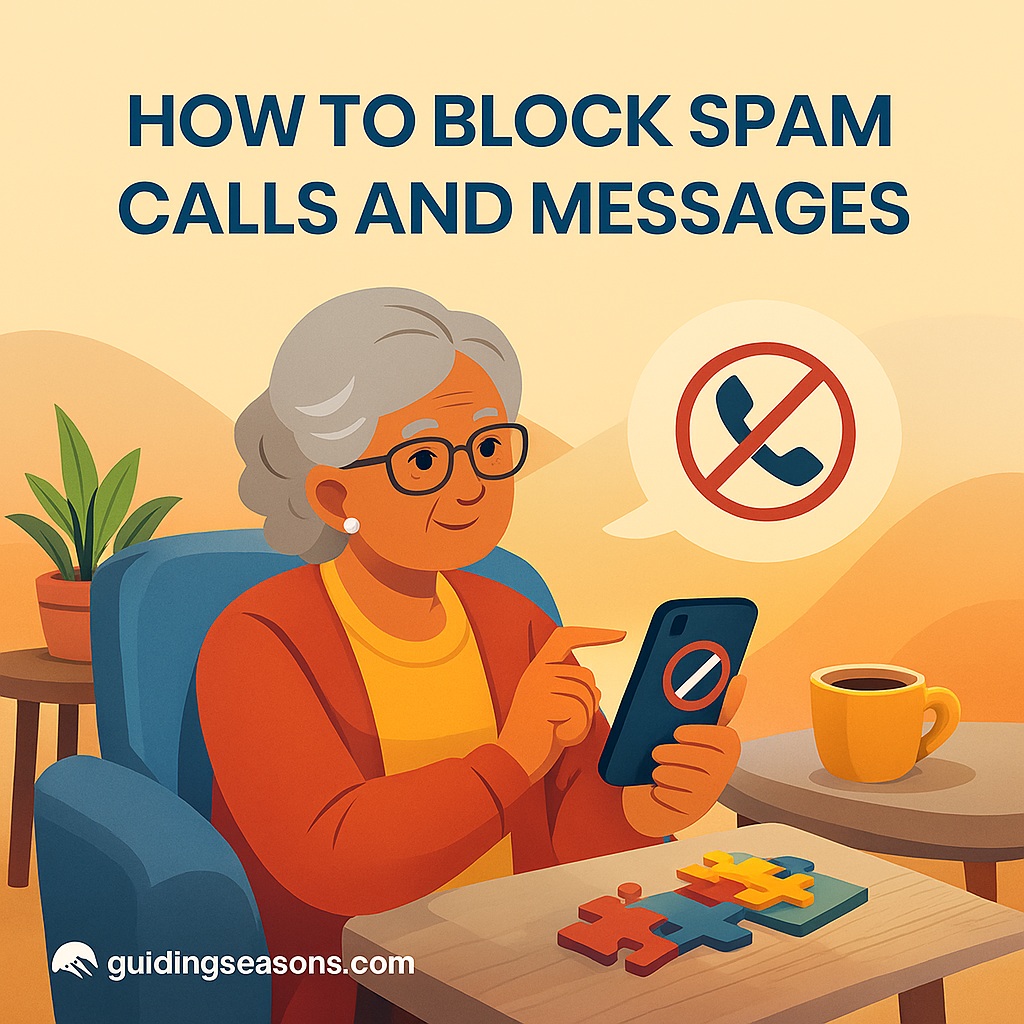
Illustration of a senior woman sitting comfortably while using her smartphone to block a spam call, with a crossed-out phone icon above her and a small guidingseasons.com watermark in the bottom left.
Senior woman blocking a spam call on her smartphone with a warning icon shown above.

Spam calls and unwanted messages have become increasingly common, and for many seniors, they can be frustrating, disruptive, and sometimes even dangerous. Scammers may target older adults with fake offers, threats, impersonation attempts, or misleading information. Learning how to block these interruptions is one of the best ways to protect your peace of mind and reduce your exposure to scams.

Fortunately, most phones and wireless carriers offer tools that can help reduce unwanted calls and messages. This guide walks you through simple steps to block spam callers and keep your device safer.

Continue reading “How to Block Spam Calls and Messages”

How to Participate in Community Programs

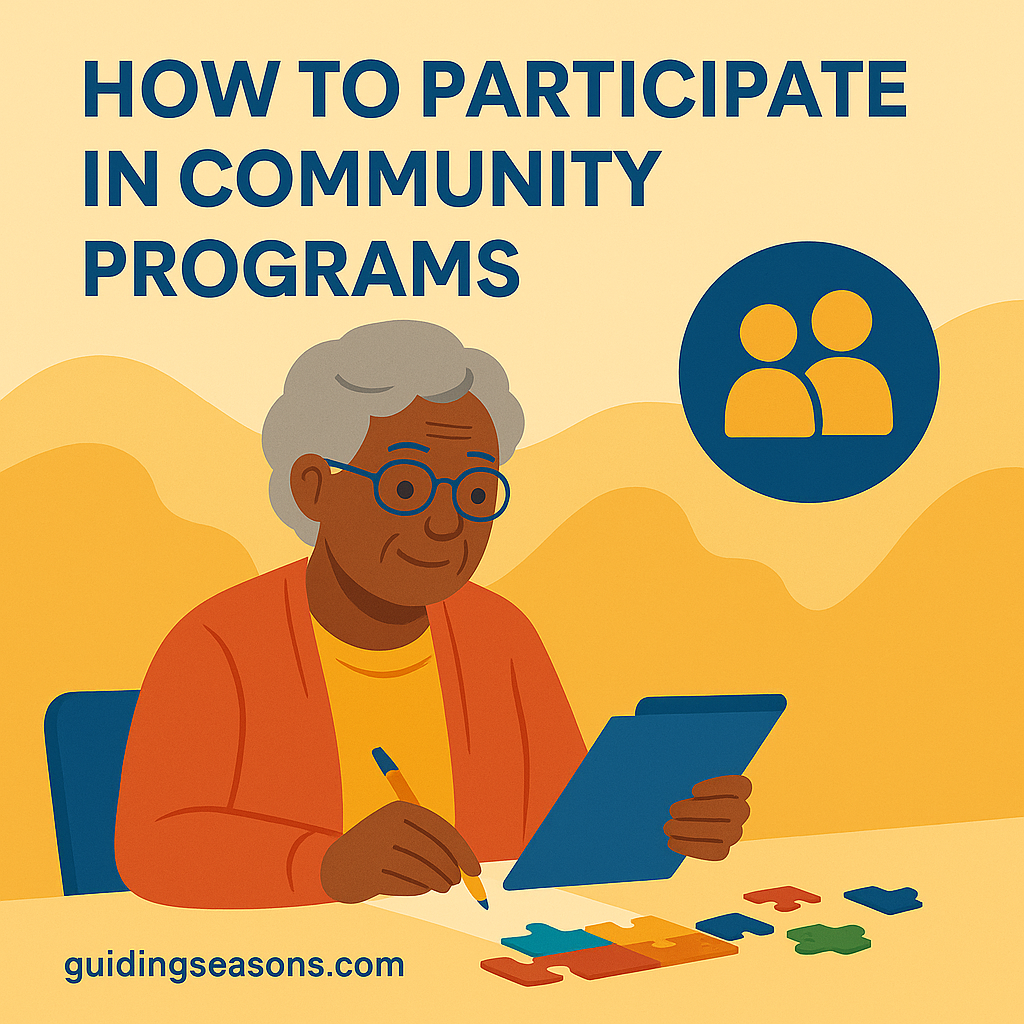
Illustration of a senior woman writing on a clipboard with puzzle pieces nearby and a community icon, created for the article “How to Participate in Community Programs,” with a small guidingseasons.com watermark in the bottom left.
Senior woman writing on a clipboard with a community icon symbolizing local programs.

Community programs can provide valuable opportunities to meet people, learn new skills, stay active, and develop a stronger sense of belonging. This can become especially important later in life, when retirement, relocation, family changes, or the loss of familiar routines may reduce the amount of regular social interaction you once had.

But joining a community group is not always easy.

Walking into a room where you don’t know anyone can feel uncomfortable at any age. You may wonder whether you’ll fit in, whether everyone else already knows one another, or whether you’ll be expected to participate more than you want.

The important thing to remember is that community involvement does not require instant confidence.

You don’t have to become the most social person in the room, volunteer for every activity, or commit to attending every week. Participation can begin with something as simple as attending one event, listening to a presentation, taking a class, or introducing yourself to one person.

The goal is to find opportunities that fit your interests, abilities, personality, and comfort level.

Over time, those small steps can lead to familiar faces, friendships, new routines, and a greater feeling of connection to the community around you.

Continue reading “How to Participate in Community Programs”

How to Enjoy Puzzles and Brain Games

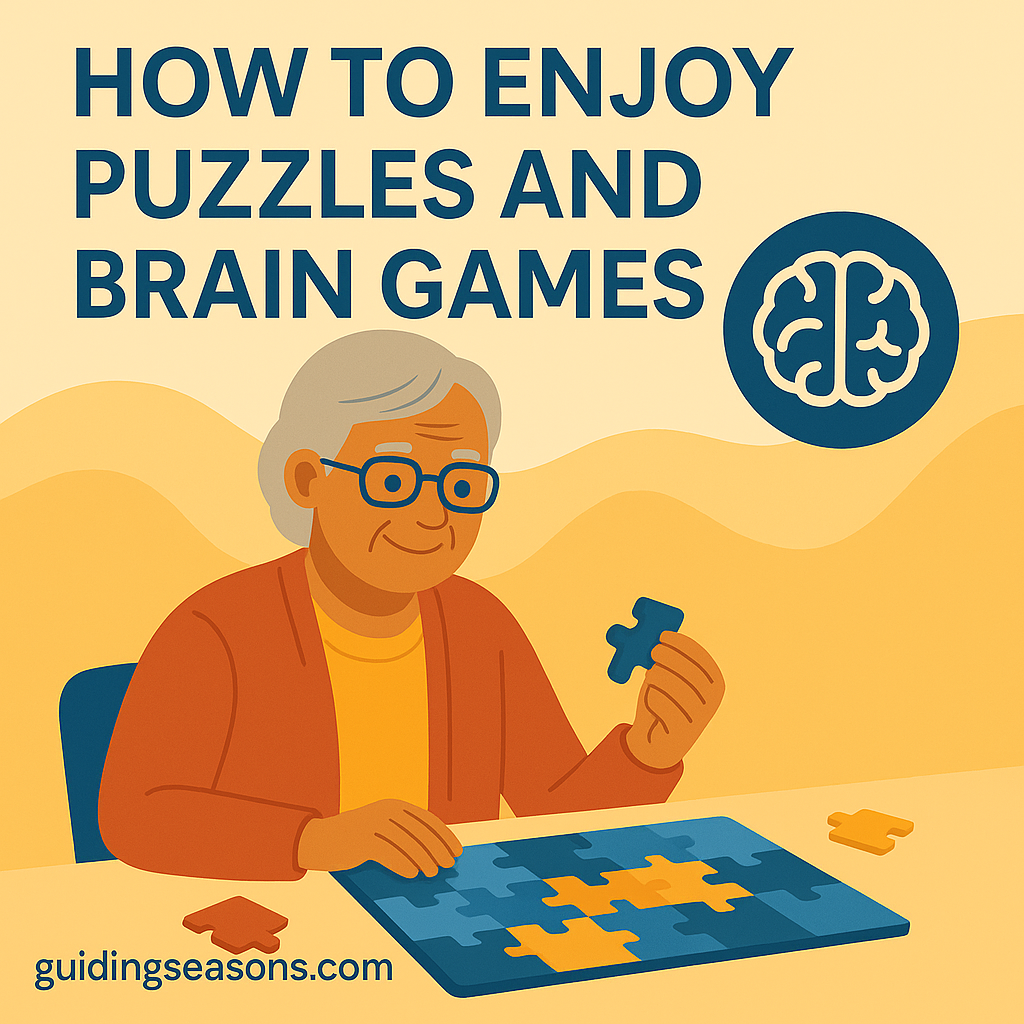
Illustration of a senior man assembling a colorful puzzle with a brain icon beside him, created for the article “How to Enjoy Puzzles and Brain Games,” with a small guidingseasons.com watermark in the bottom left.
Senior man assembling a puzzle with a brain icon representing cognitive activity.

Puzzles and brain games are often promoted as exercises for keeping your mind sharp as you get older. While mental stimulation can be a valuable part of an active lifestyle, there is another, simpler reason to do puzzles:

They’re fun.

A crossword can become part of your morning coffee routine. A jigsaw puzzle can turn a quiet afternoon into a relaxing project. Sudoku can provide a satisfying challenge while you’re waiting for an appointment. A card or board game can bring friends and family together around a table.

You don’t need to treat every puzzle as a test of your intelligence or memory.

In fact, removing that pressure can make puzzles much more enjoyable.

The National Institute on Aging (NIA) says cognitive training designed to improve particular skills has shown some benefits in research involving older adults. However, it also cautions that there isn’t enough evidence to conclude that commercially available computer brain-training programs provide the same kinds of cognitive benefits. The evidence for lasting effects from many mentally stimulating activities is still being studied.

That makes it sensible to view puzzles as one enjoyable form of mental engagement rather than a medical treatment or guaranteed defense against cognitive decline.

Choose games you like, challenge yourself enough to stay interested, and let enjoyment be the main reason you continue.

Continue reading “How to Enjoy Puzzles and Brain Games”

How to Manage Diabetes Later in Life

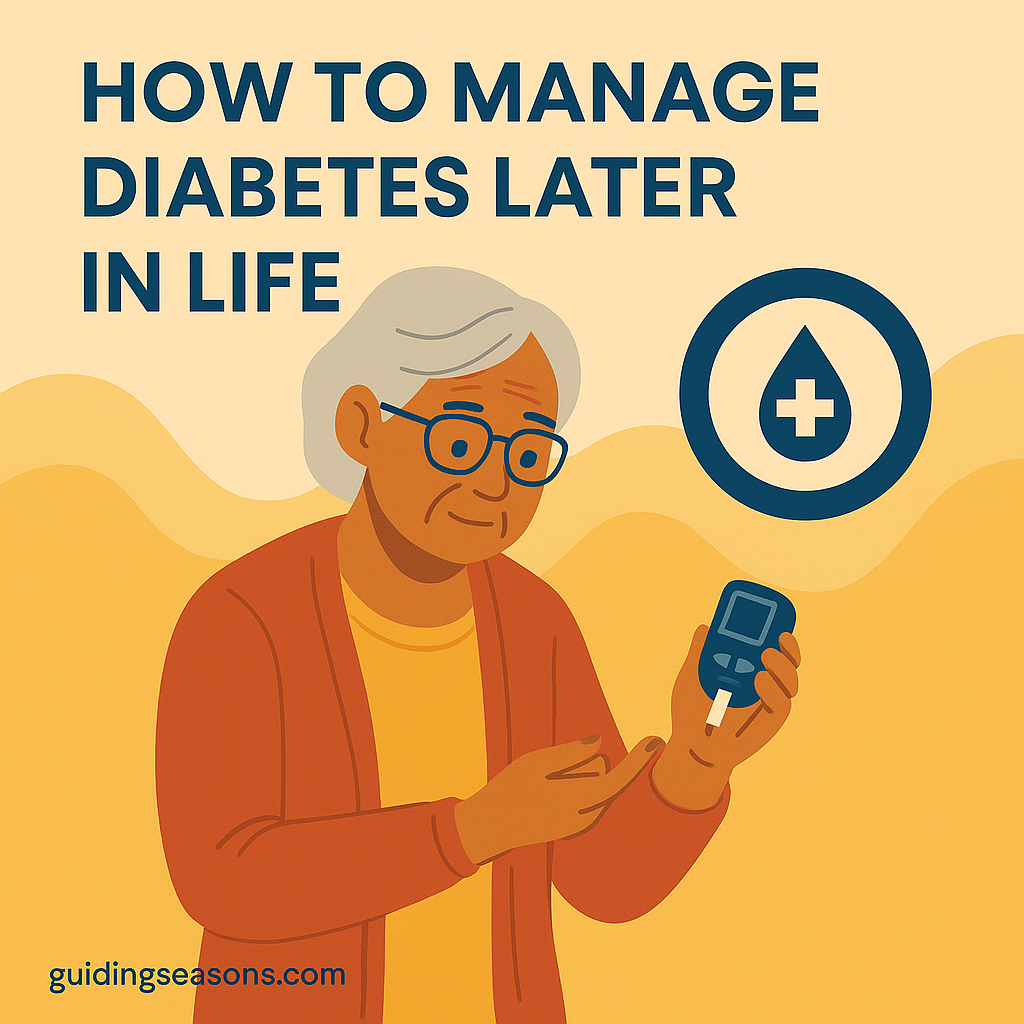
Illustration of a senior woman checking her blood sugar with a glucose meter, with a diabetes health icon beside her and a small guidingseasons.com watermark in the bottom left.
Senior woman checking her blood sugar with a diabetes health icon.

Managing diabetes later in life can feel overwhelming, but with the right habits, support, and daily routines, it’s possible to stay healthy, active, and confident. Whether you were recently diagnosed or have been living with diabetes for years, small, consistent steps can make a meaningful difference in how you feel every day.

This guide offers senior-friendly, practical advice to help you manage your blood sugar, protect your long-term health, and approach daily diabetes care with greater confidence.

Continue reading “How to Manage Diabetes Later in Life”

How to Reduce Financial Stress Later in Life

Illustration of a senior man holding his forehead with a worried expression beside a large dollar sign icon, created for the article “How to Reduce Financial Stress Later in Life,” with a small guidingseasons.com watermark at the bottom.
Senior man looking stressed beside a dollar sign icon representing financial concerns.

Financial stress can affect anyone, but money worries may take on a different meaning later in life. During your working years, you may have had the opportunity to earn more money, work additional hours, or recover from a financial setback over time. In retirement, income is often more fixed, while expenses such as housing, healthcare, insurance, and everyday necessities can continue to change.

That can make an unexpected car repair, medical bill, increase in property taxes, or even a higher grocery bill feel more significant.

Fortunately, reducing financial stress doesn’t always require having substantially more money. Often, it begins with understanding exactly where you stand, simplifying your finances, preparing for unexpected expenses, and focusing on the financial decisions you can control.

Small changes can make your financial life easier to manage and give you greater confidence about the years ahead.

Continue reading “How to Reduce Financial Stress Later in Life”

How to Locate Local Volunteer Opportunities

Illustration of a senior woman gesturing toward a volunteer icon, created for the article “How to Locate Local Volunteer Opportunities,” with a small guidingseasons.com watermark at the bottom.
Senior woman gesturing toward a volunteer icon representing community opportunities.

Volunteering is one of the most meaningful ways to stay active, connected, and purposeful during your senior years. Whether you want to share your skills, meet new people, support your community, or simply try something new, there are many local opportunities available—often closer than you think.

The key is knowing where to look and choosing opportunities that fit your interests, abilities, energy level, and schedule. This guide offers simple, senior-friendly ways to discover volunteer roles right in your community.

Continue reading “How to Locate Local Volunteer Opportunities”

How to Stay Open to New Experiences

Illustration of a senior man smiling and gesturing with an arrow icon representing openness to new experiences, created for the article “How to Stay Open to New Experiences,” with a small guidingseasons.com watermark at the bottom.
Senior man gesturing toward an arrow icon symbolizing openness to new experiences.

Staying open to new experiences is a valuable way to keep life feeling meaningful, engaging, and fulfilling—especially during later life stages. With greater self-awareness, years of life experience, and often more flexibility in your schedule, this season can offer unique opportunities to explore what genuinely interests you.

Being open to new experiences doesn’t mean forcing yourself into situations that feel uncomfortable or overwhelming. Instead, it means developing a thoughtful, self-respecting approach to curiosity and growth. When openness is guided by intention, it can feel energizing rather than stressful.

By the end of this article, you’ll have a simple decision filter to help you choose which new experiences may be right for you, along with practical examples based on common life situations.

Continue reading “How to Stay Open to New Experiences”