A comfortable and safe home becomes increasingly important as we age. Small changes can make daily life smoother, reduce the risk of falls, and support long-term independence. Many home modifications are simple, affordable, and easy to implement—yet they can make a meaningful difference in comfort, confidence, and peace of mind.
Whether you’re aging in place or helping a loved one prepare for the future, improving home safety can help ensure that your living space remains supportive for many years to come.
Why Home Modifications Matter
Our needs can change as we grow older. Mobility may become more limited, eyesight may change, and tasks that once felt effortless can become more challenging.
Home modifications can help older adults:
- Move around more easily
- Reduce the risk of falls and injuries
- Maintain independence
- Improve daily comfort
- Reduce stress for both older adults and family members
Fall prevention is especially important. More than 1 in 4 adults age 65 and older experiences a fall each year, making seemingly small home-safety improvements worth considering.
The National Council on Aging’s falls prevention resources offer additional guidance for identifying risks and making homes safer.
A safe home isn’t just practical—it can also promote confidence and make everyday activities easier.
Improve Lighting Throughout the Home
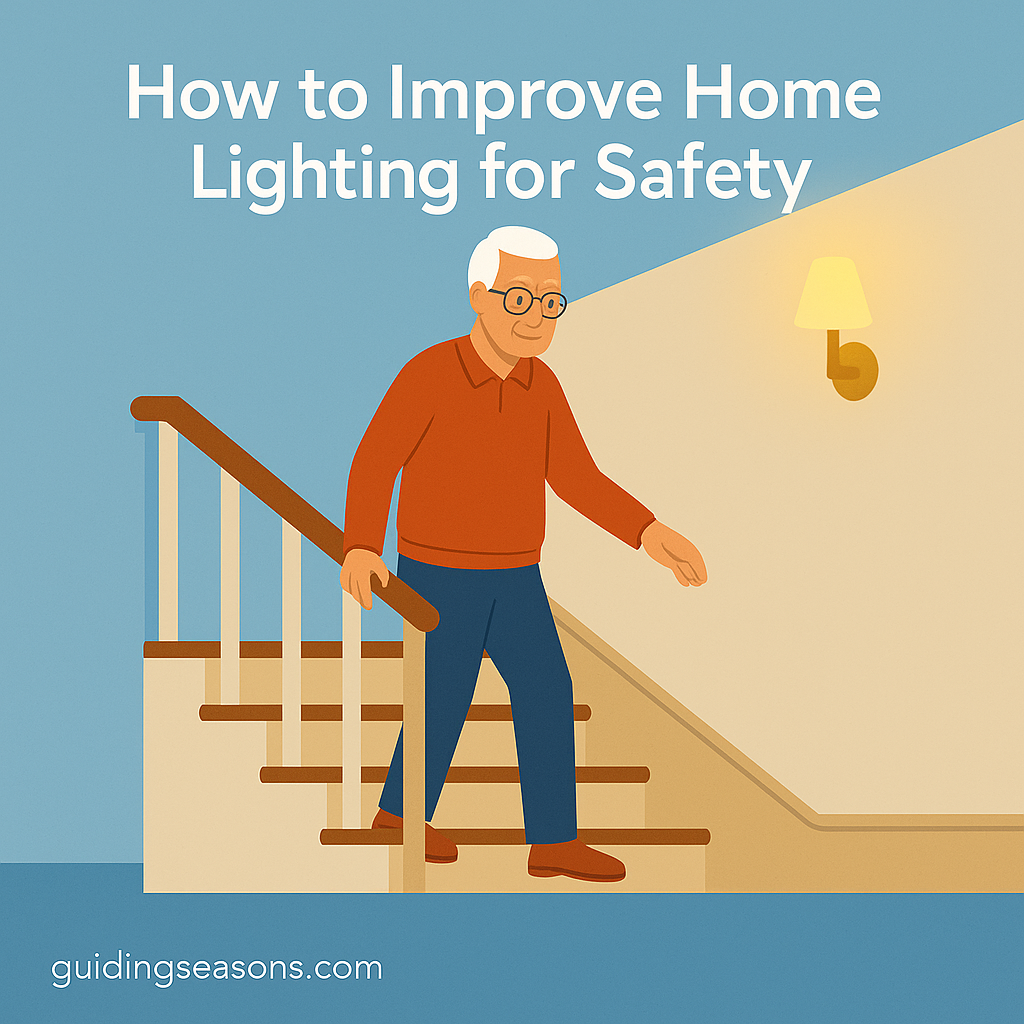
Good lighting is one of the simplest home-safety upgrades.
Tips for better lighting:
- Use bright, non-glare LED bulbs where appropriate
- Add night-lights in hallways and bathrooms
- Install motion-sensor lights for hands-free illumination
- Use lamps with easy-to-reach switches
- Make sure stairs, steps, and entrances are well lit
Better visibility can reduce tripping hazards while making everyday tasks easier.
For example, consider the route from the bedroom to the bathroom at night. Adding three inexpensive night-lights—one in the bedroom, one in the hallway, and one near the bathroom—can create a clearly visible path without requiring a major electrical project.
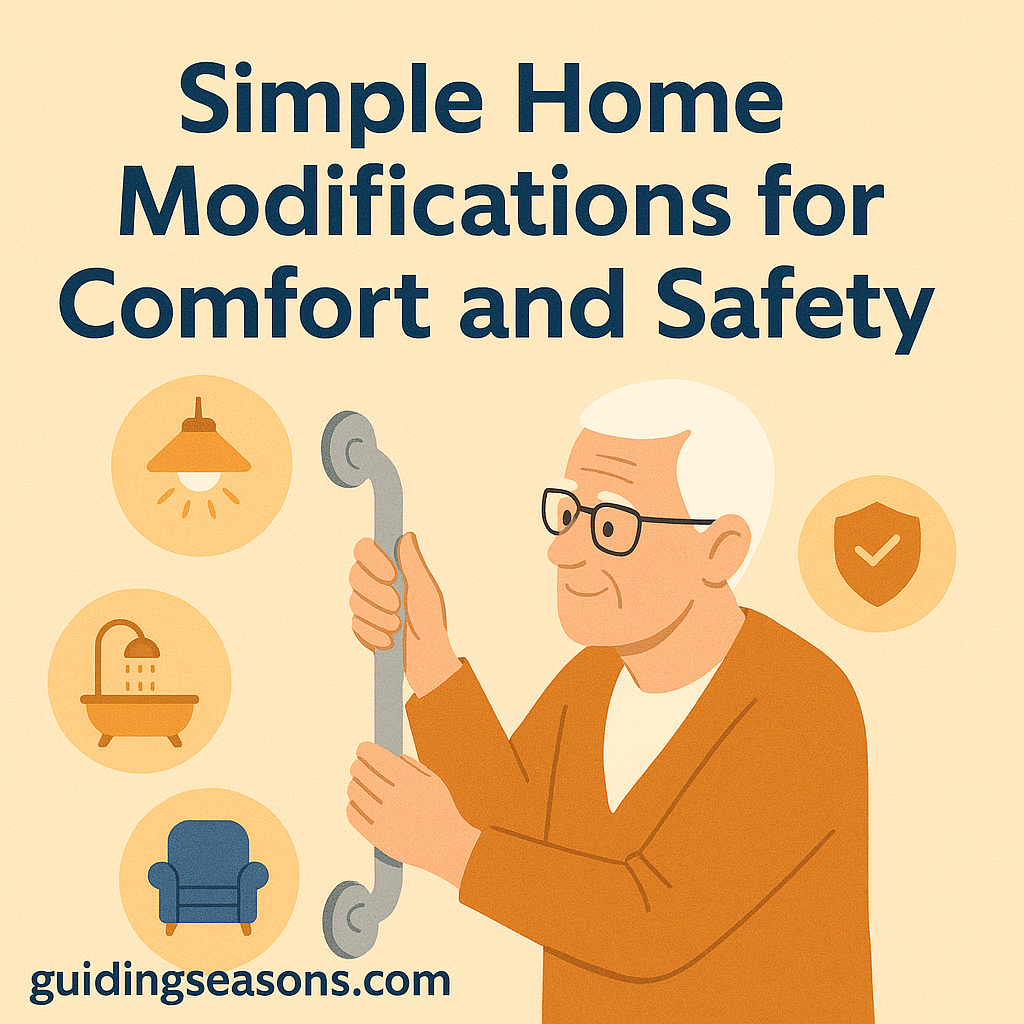
Add Grab Bars and Handrails
Grab bars provide stability and support in areas where slips or loss of balance are more likely.
Consider grab bars in:
- Bathrooms near toilets
- Inside and outside showers or tubs
- Near home entrances
- Other areas where additional balance support is helpful
Choose sturdy, properly installed, weight-rated grab bars rather than relying on decorative towel racks for support.
Handrails on both sides of stairways can provide additional security when going up or down stairs.
Reduce Tripping Hazards
Falls are a significant concern for older adults, and many occur at home. The National Council on Aging recommends home-safety modifications such as improving lighting, clearing clutter, addressing throw rugs, and keeping frequently used items within easy reach.
Easy ways to reduce tripping hazards include:
- Remove loose throw rugs or secure them with appropriate non-slip backing
- Keep electrical cords away from walkways
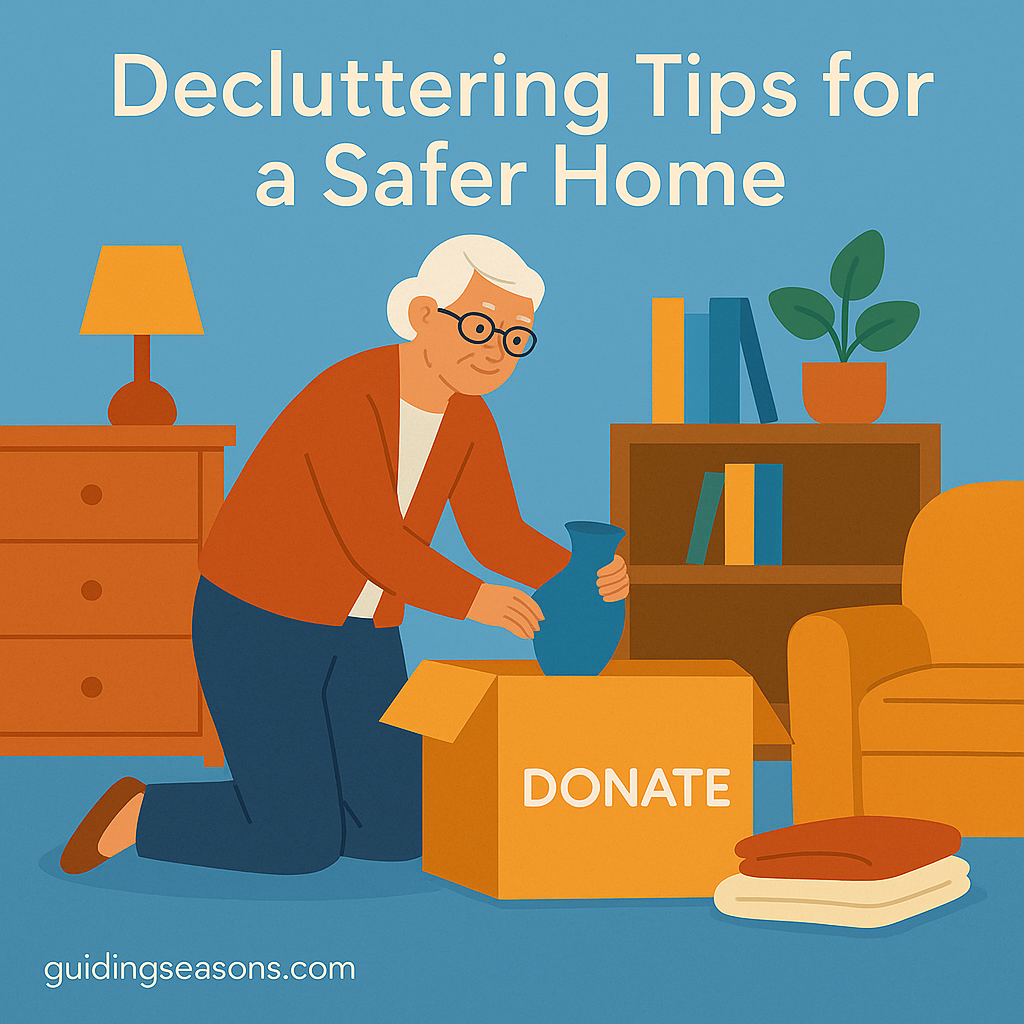
- Clear clutter from floors and stairs
- Repair loose floorboards or damaged flooring
- Use slip-resistant surfaces in bathrooms and kitchens
A clear, easy-to-navigate home can make everyday movement safer and more comfortable.
Install Raised Toilet Seats and Shower Seats
Bathroom safety deserves particular attention because wet, slippery surfaces can increase the risk of falls.
Helpful upgrades may include:
- Raised toilet seats for easier sitting and standing
- Shower benches or chairs
- Handheld showerheads
- Slip-resistant mats or surfaces
- Anti-scald devices to help prevent hot-water burns
These additions can reduce strain and make bathing and other daily routines more comfortable.
Create Easy-to-Reach Storage
Bending, reaching, or climbing to access high shelves can create unnecessary risks.
To improve accessibility:
- Rearrange frequently used items to waist or shoulder height
- Install pull-out shelves or lazy Susans in cabinets
- Use lightweight containers instead of heavy boxes
- Lower closet rods or install adjustable storage systems
Keeping everyday items within comfortable reach can make routine tasks safer and more manageable.
Make Entryways Safer
Entering and leaving the home should feel safe and easy.
Consider:
- Adding handrails alongside steps
- Using slip-resistant paint or treads on outdoor stairs
- Installing motion-sensor lighting outside
- Making sure door locks and handles are easy to operate
- Removing or modifying high doorway thresholds when appropriate
For someone who uses a cane, walker, or other mobility aid, even a small threshold can make entering a home more difficult. Addressing these obstacles can make a noticeable difference.
Add Comfortable Seating Areas
Comfort matters, and supportive seating can make resting and daily activities more enjoyable.
Look for chairs or sofas that:
- Have sturdy armrests
- Offer relatively firm seating
- Are at a comfortable height for sitting and standing
- Provide good back support
Very soft or unusually low furniture can make standing more difficult. A supportive chair with armrests provides something stable to push against when getting up.
Improve Temperature Control
Maintaining a comfortable indoor temperature can become increasingly important with age.
Helpful upgrades include:
- Programmable or smart thermostats
- Weather stripping around windows and doors
- Insulated curtains
- Regular heating and cooling system maintenance
A thermostat that is easy to read and operate can be particularly helpful. Smart thermostats may also allow family members or caregivers to help monitor temperature settings when appropriate.
Introduce Smart-Home Devices
Smart-home technology can add convenience and provide additional safety features.
Senior-friendly options include:
- Voice-controlled or motion-activated lights
- Video doorbells
- Smart thermostats
- Voice assistants
- Medical or emergency alert systems
Technology should simplify daily life rather than complicate it, so choose devices that are easy for the person using them to understand and operate.
Use Non-Slip Footwear Indoors
One quick safety improvement has nothing to do with modifying the house itself—footwear matters, too.
Consider indoor shoes or slippers with:
- Slip-resistant soles
- Secure backs or straps
- Comfortable cushioning
- A proper fit
Loose slippers, smooth-bottomed footwear, and socks on slick flooring may make slipping more likely.
Create Clear Pathways
Arrange furniture so there is enough space to move comfortably between rooms.
Tips for creating better pathways include:
- Keep walkways wide and uncluttered
- Avoid furniture protruding into common walking routes
- Make sure mobility aids can move comfortably through the space
- Remove small or unstable accent tables from busy pathways
Clear pathways are especially useful for people who use walkers, canes, or wheelchairs and can make the home feel more open and organized.
Add Visual Contrast for Safety
Color contrast can make certain surfaces, objects, and transitions easier to see.
Simple enhancements might include:
- Using contrasting colors on stair edges
- Choosing clearly visible slip-resistant mats
- Adding contrast strips where floor levels change
- Using handles or switches that contrast with surrounding surfaces
These small visual cues may make navigating the home easier, particularly when lighting is limited or vision has changed.
Keep Emergency Tools Nearby
Having essential items readily accessible can make unexpected situations easier to handle.
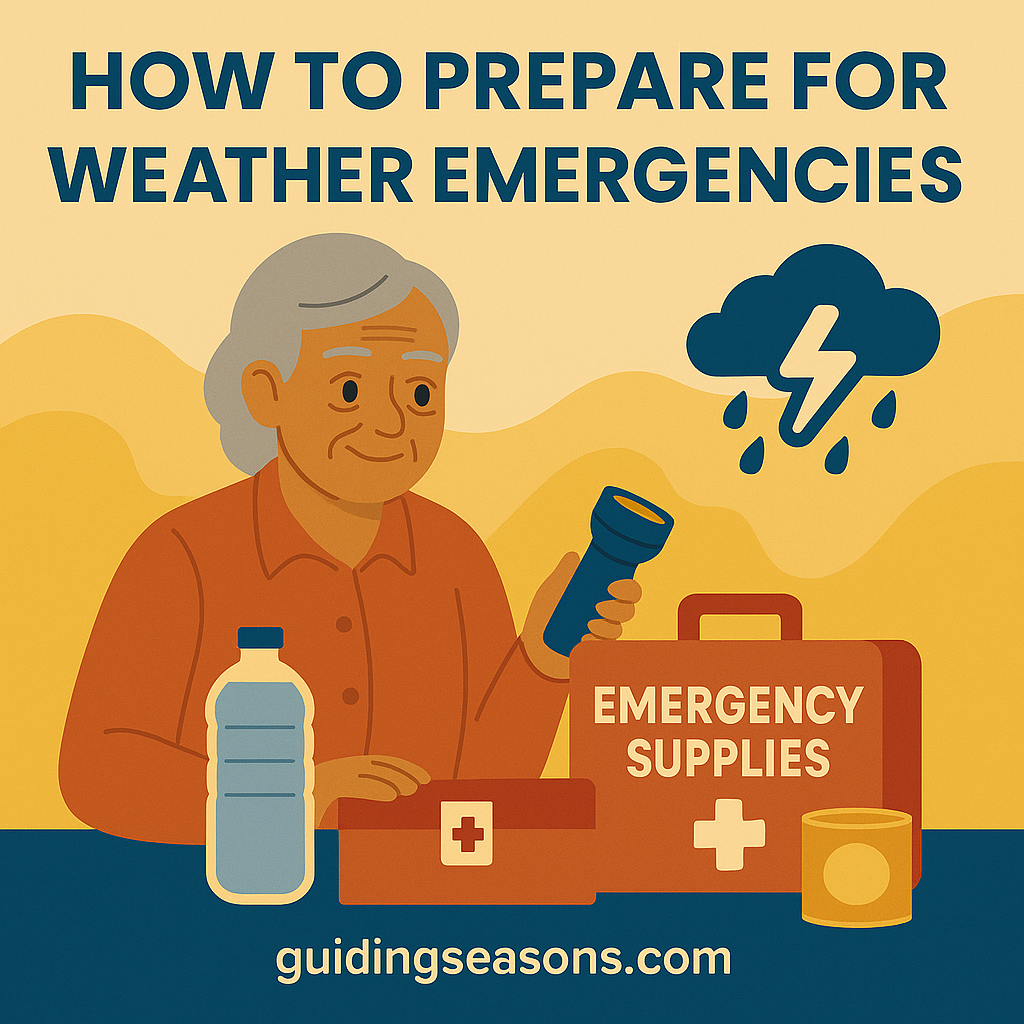
Useful items to keep handy include:
- Flashlights
- Extra phone chargers or power banks
- First-aid supplies
- Emergency contact information
- Current medication lists
- Working smoke and carbon monoxide alarms
Check emergency supplies periodically and replace expired items or batteries when needed.
Start With a Home Safety Walk-Through
You don’t need to renovate the entire house at once. A simple room-by-room walk-through can help identify the changes that matter most.
Start with the areas used most frequently—the bedroom, bathroom, kitchen, stairs, and main entrance. Look for poor lighting, loose rugs, clutter, difficult-to-reach items, unstable furniture, and places where additional support would be helpful.
Prioritize inexpensive, high-impact changes first. Larger modifications can be considered later as needs change.
Final Thoughts
Home should be a place of comfort, security, and confidence—especially as you age. Simple modifications such as improved lighting, properly installed grab bars, clearer walkways, accessible storage, and carefully chosen smart-home tools can make a home safer without requiring a major renovation.
The key is to think ahead. Instead of waiting until everyday tasks become difficult, periodically review the home and make small adjustments as needs change.
By taking thoughtful steps today, you can create a safer, more comfortable living environment that supports independence through every season ahead.